
Why Deante: what makes this brand different
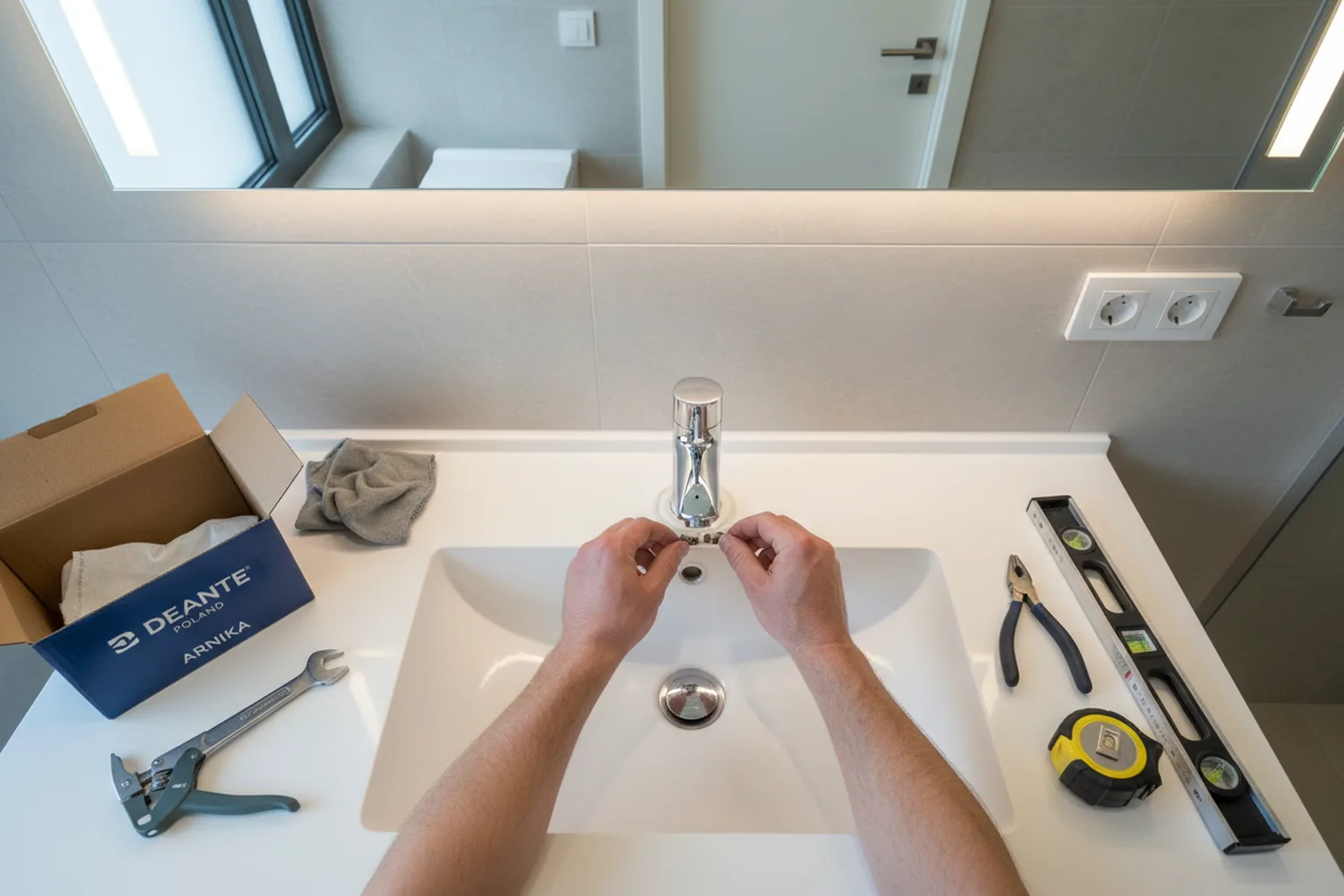
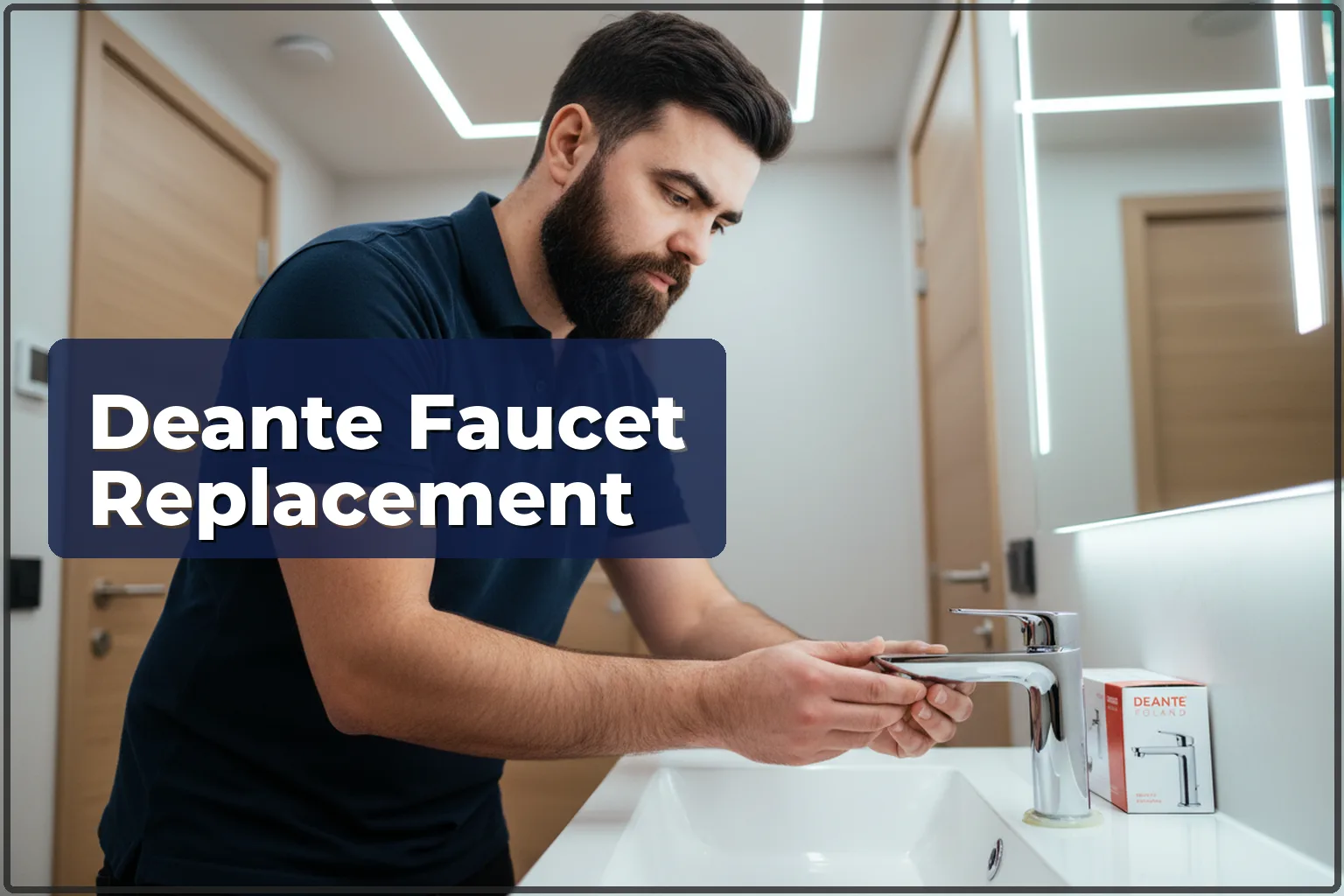
Deante is not some nameless imported badge with random spare parts behind it. It is a Polish manufacturer, well known here, and in real work that makes a difference. When a client asks whether it makes sense to stay with the same brand during replacement, with Deante the answer is often yes, because parts are easier to identify, service backup is faster, and the range is wide enough to suit both budget flats and more style-led kitchens.
The brand is particularly strong in kitchen taps. Models like Boro, Neo and Silia are common in Warsaw flats because they give a clean modern look without going straight into luxury-brand money. Arnika sits a step higher, more premium in finish and style, while Temisto is the line people pick when they want something less ordinary and more decorative. In short: Deante often lands in that sensible middle, good design, fair parts availability, and no headache when you need a cartridge, hose or aerator later on.
Ordering in the appBasin tap replacement in the app, screen by screenPick the service, take a photo of the loose bathroom tap and the estimate shows up straight away. After the address and date, the request goes out to independent handymen nearby. They send their offers with a price, and you compare and choose.Service and a photoAddress and a day that suits youOffers from handymen, you chooseOrder in the app
Rather hand the job over? More here: tap replacement in Warsaw.
Typical failures of Deante faucets
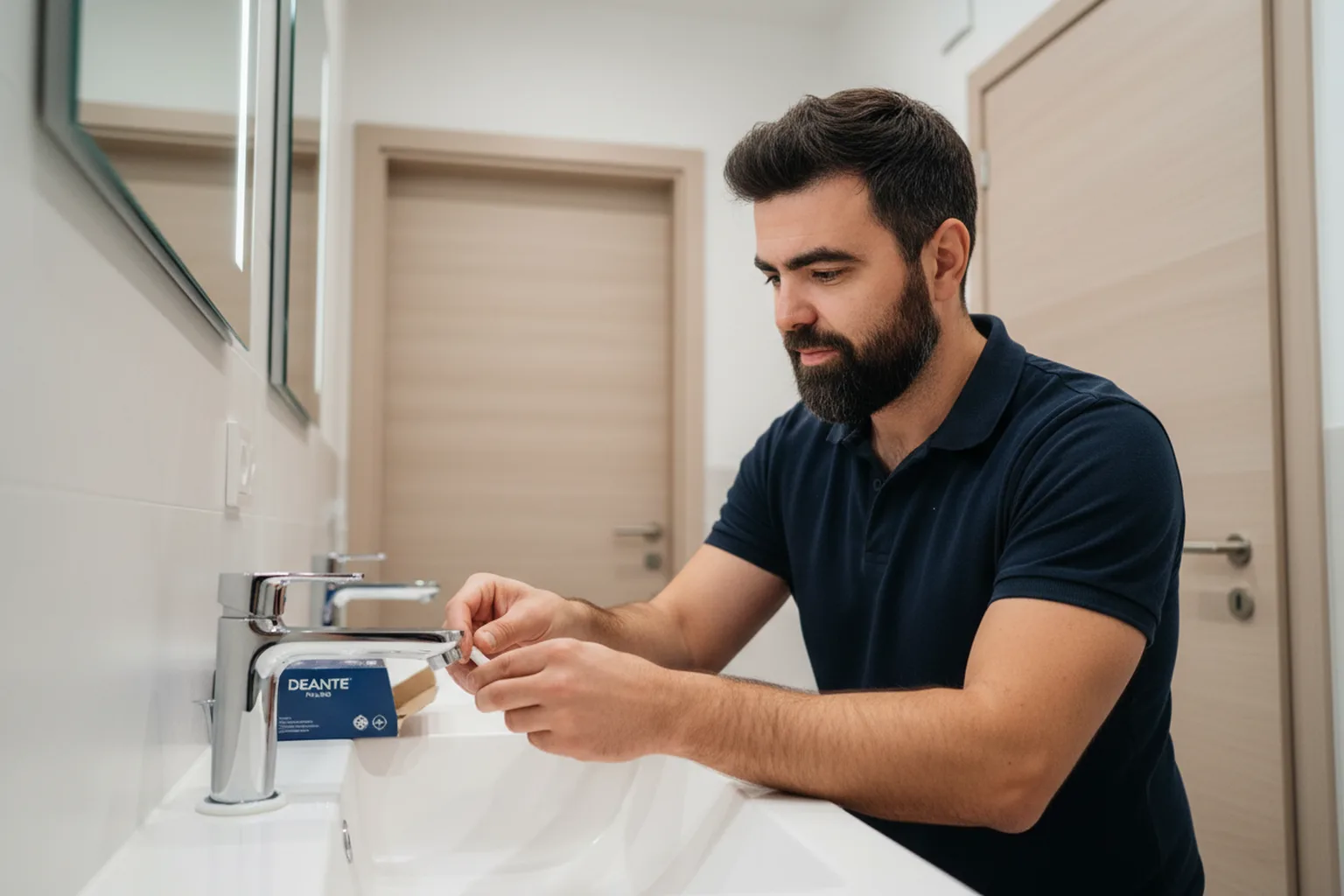
Deante wear patterns are pretty standard for a European-style mixer, but a few things come up again and again. The first is cartridge wear after a number of years in service. The tap often starts feeling stiff, then the handle begins to move with uneven resistance, and in the end you get a drip from the spout even when it is fully shut. This is not something unique to Deante, but it is one of the most frequent reasons clients decide the whole tap is “done”.
The second problem is with pull-out spray models. In kitchens, especially in family homes, the hose can begin to kink or catch inside the cabinet. At first the spray head does not return neatly. Later, the hose covering can wear through, and then the real question becomes whether to replace the whole hose assembly. If the mixer body is already tired and the finish looks worn, a full replacement is often the better move.
On coated finishes, Deante generally performs well. Their PVD surfaces are hard-wearing, but like any coated tap, how they look depends on the environment and how they are cleaned. In Warsaw this is less about coastal corrosion and more about hard water and cleaning products: harsh descalers, abrasive sponges and ignored limescale around the base can make even a decent finish look older than it really is.
After around 5 to 10 years, depending on use, the usual list is:
- wear in the ceramic cartridge
- looseness in the handle
- leaks from the base or flexible connections
- pull-out hose issues in kitchen versions
- aerator blockage from scale
- cosmetic wear on heavily used finishes
Replacement process
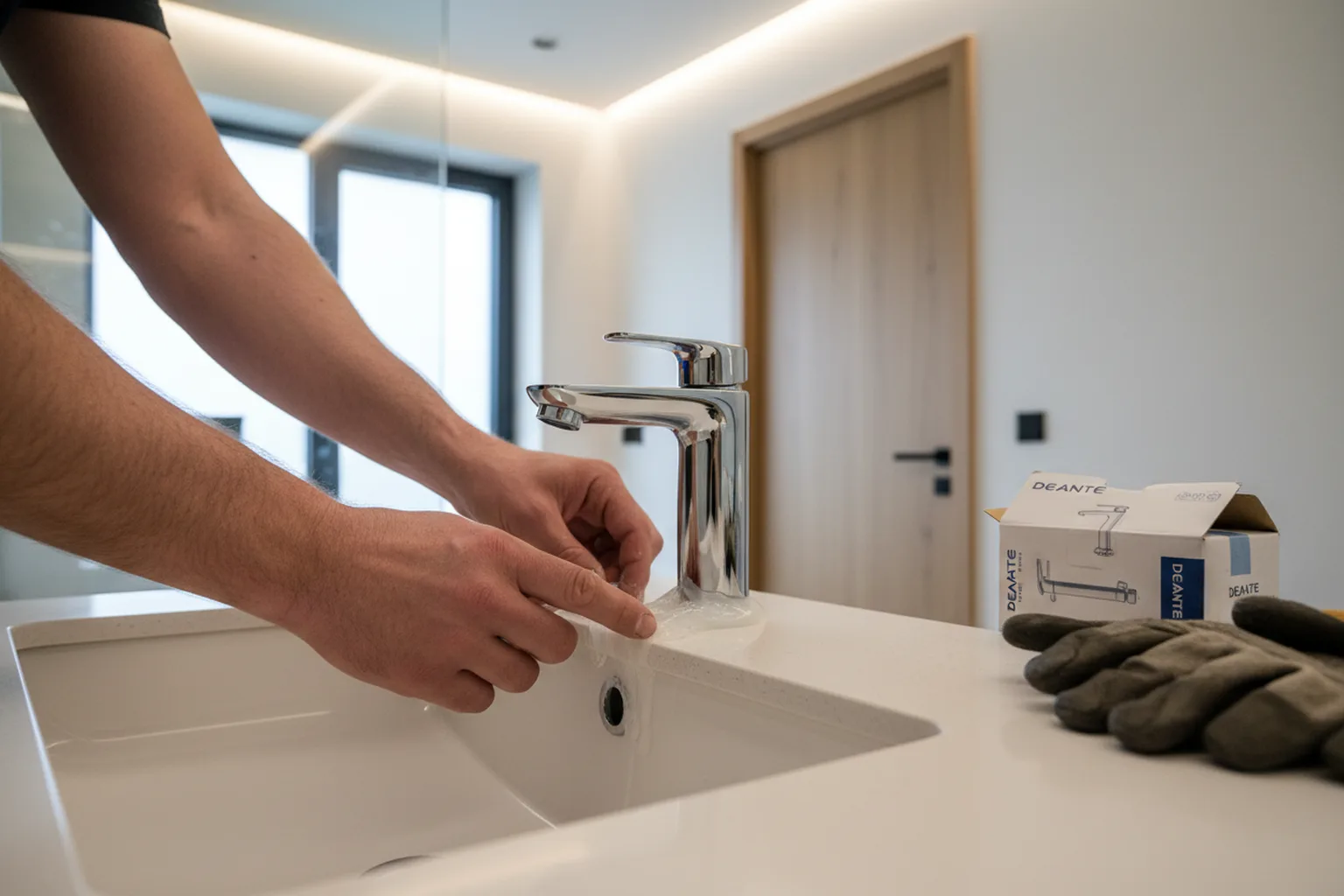
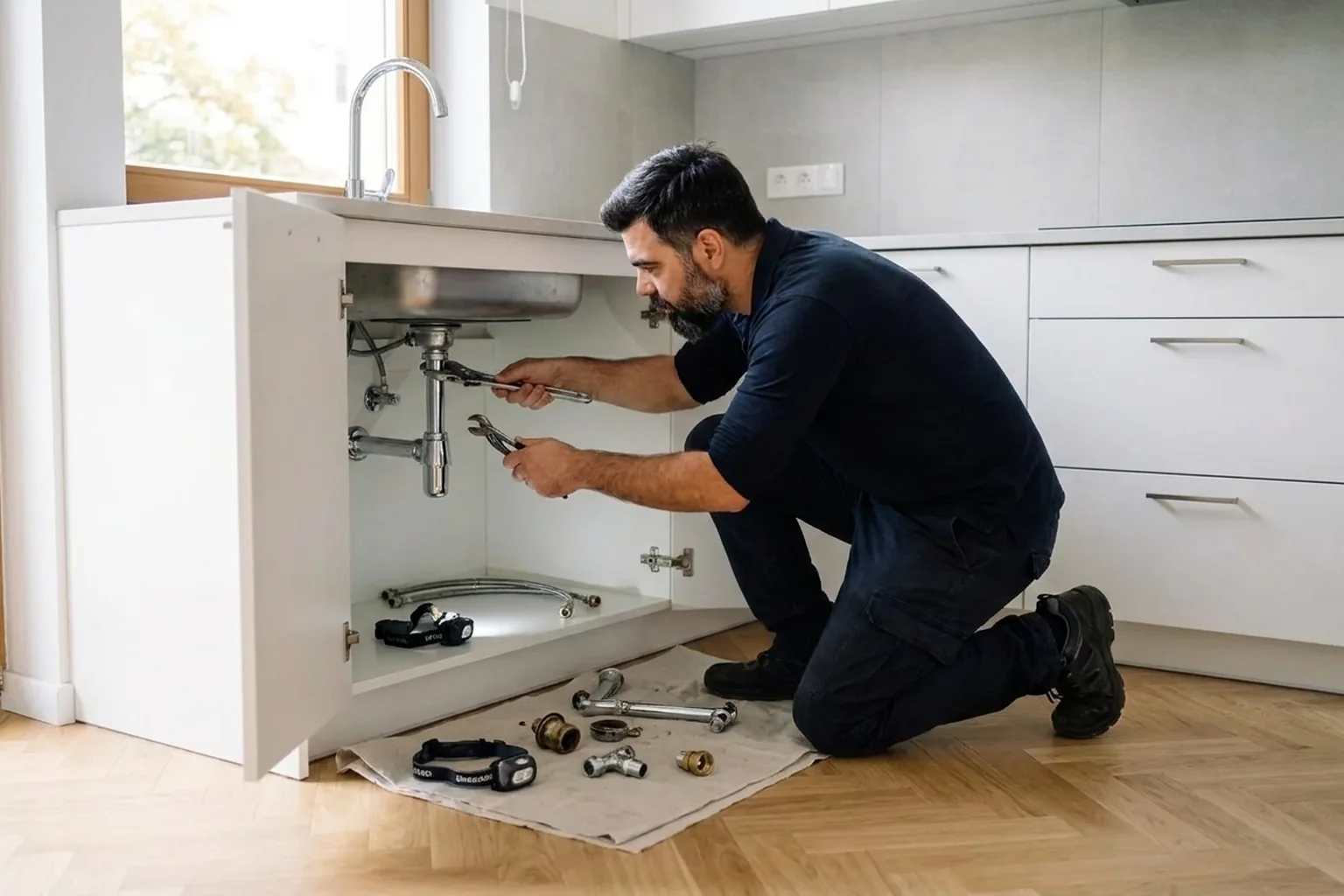
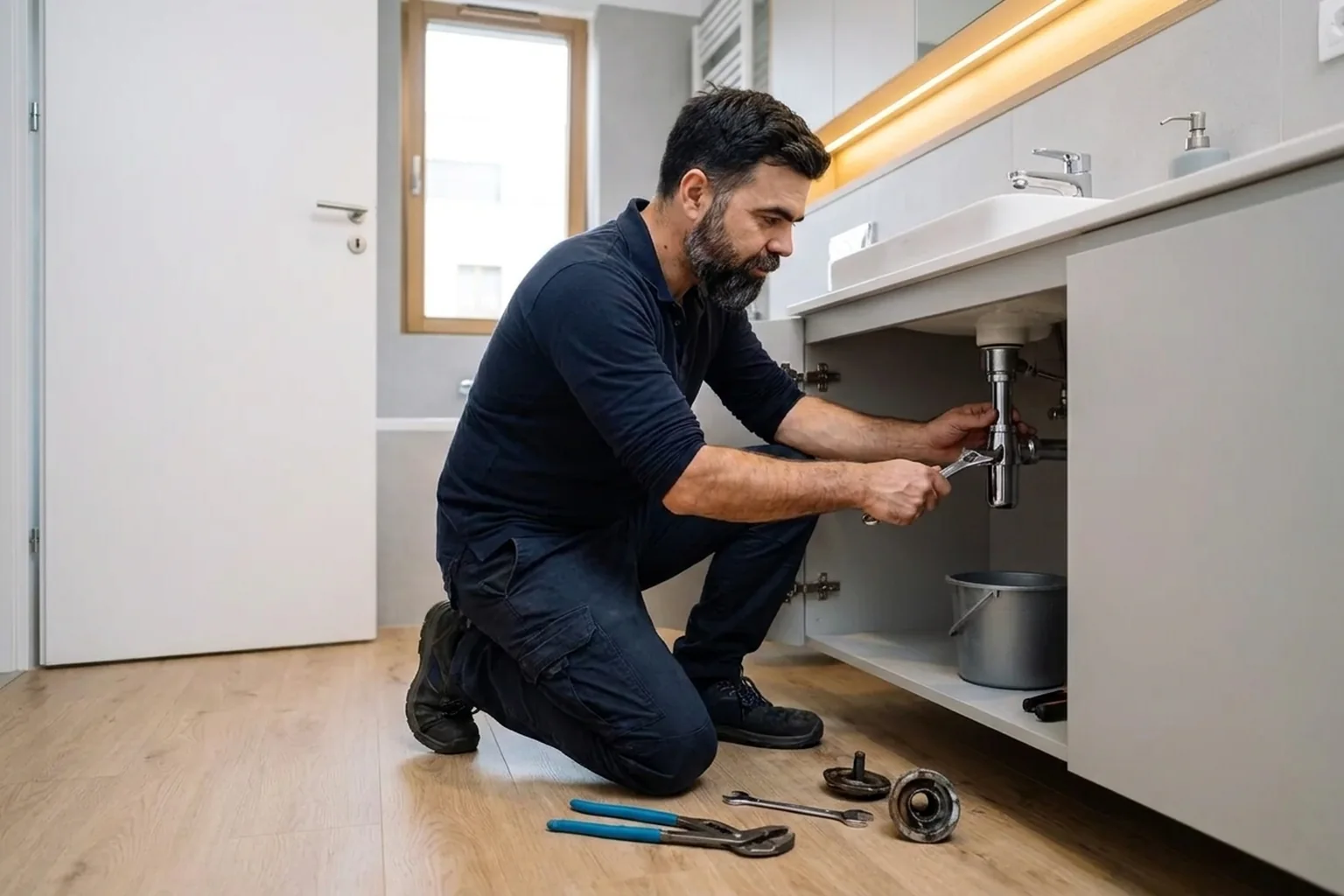
Replacing a Deante faucet is not wildly different from other mixer brands, but there are a few practical details. First, check the access under the sink before counting on a quick swap. In older flats in Wola or Ursynów, the cabinet setup can be worse than the tap itself: tight siphon placement, water filters, waste bins, dishwasher hoses — all that slows the job more than the mixer brand ever does.
With Deante, the mounting hardware is usually simple enough, but kitchen models with pull-out sprays need extra care when routing the hose and counterweight so everything moves freely. If this is done badly, even a brand-new mixer can feel off from the first day. It is also worth checking whether the old hole diameter and sink thickness suit the new model, especially when changing from a basic Boro or Neo to something more styled like Arnika or Temisto.
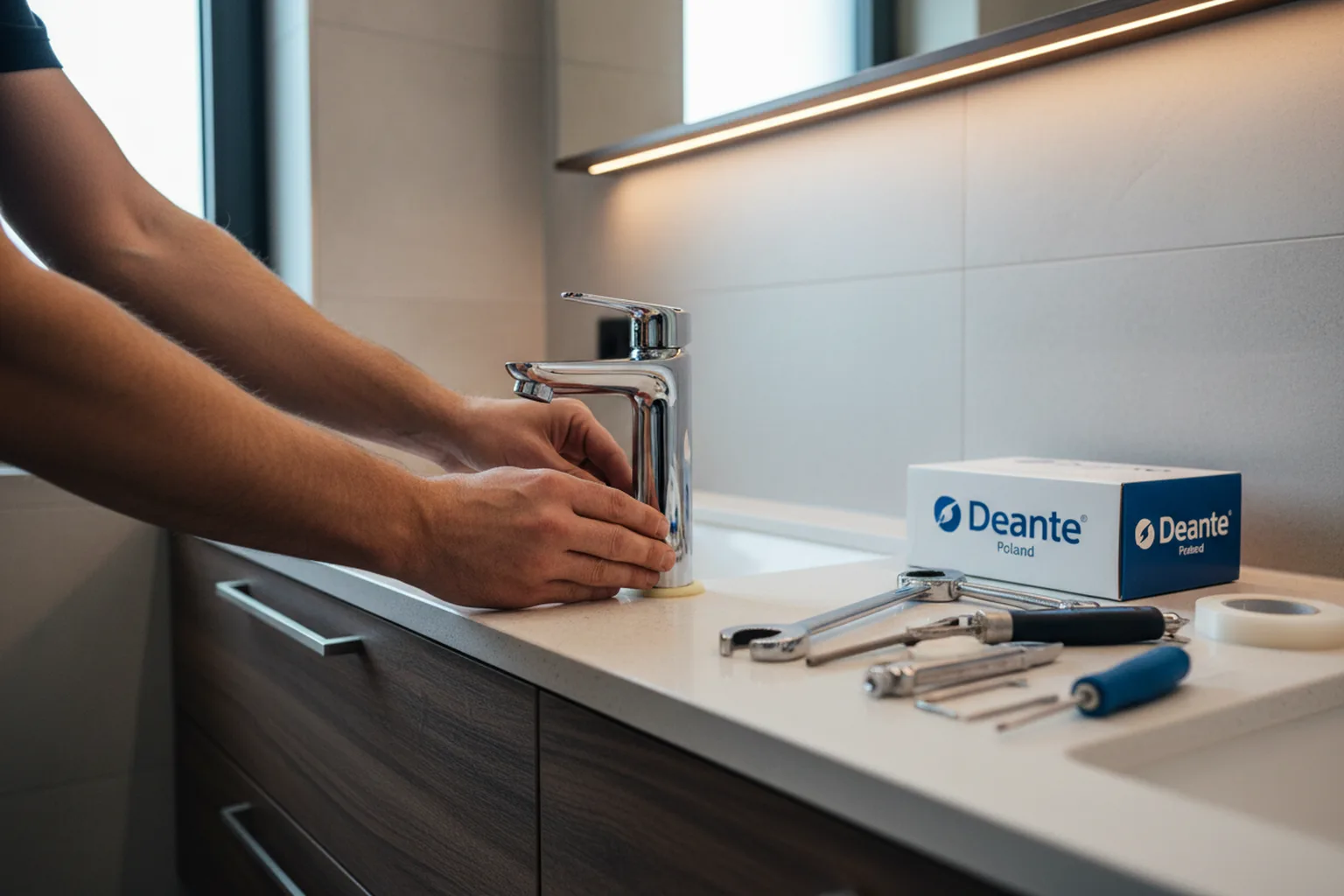
On the technical side, the usual tools are simple enough:
- basin wrench or box spanner for the fixing nut
- adjustable spanners for supply hoses
- silicone or plumber’s putty only where appropriate, not everywhere “just in case”
- cloth and descaler to clean the sink deck before seating the new base
Even when replacing rather than repairing, it pays to inspect the old cartridge first. Many Deante mixers use 35 mm or 40 mm ceramic cartridges, often Sedal OEM in many models. That matters because it shows whether a quick repair would be sensible or whether the faucet has enough overall wear that replacement is the better use of money.
Parts and compatibility
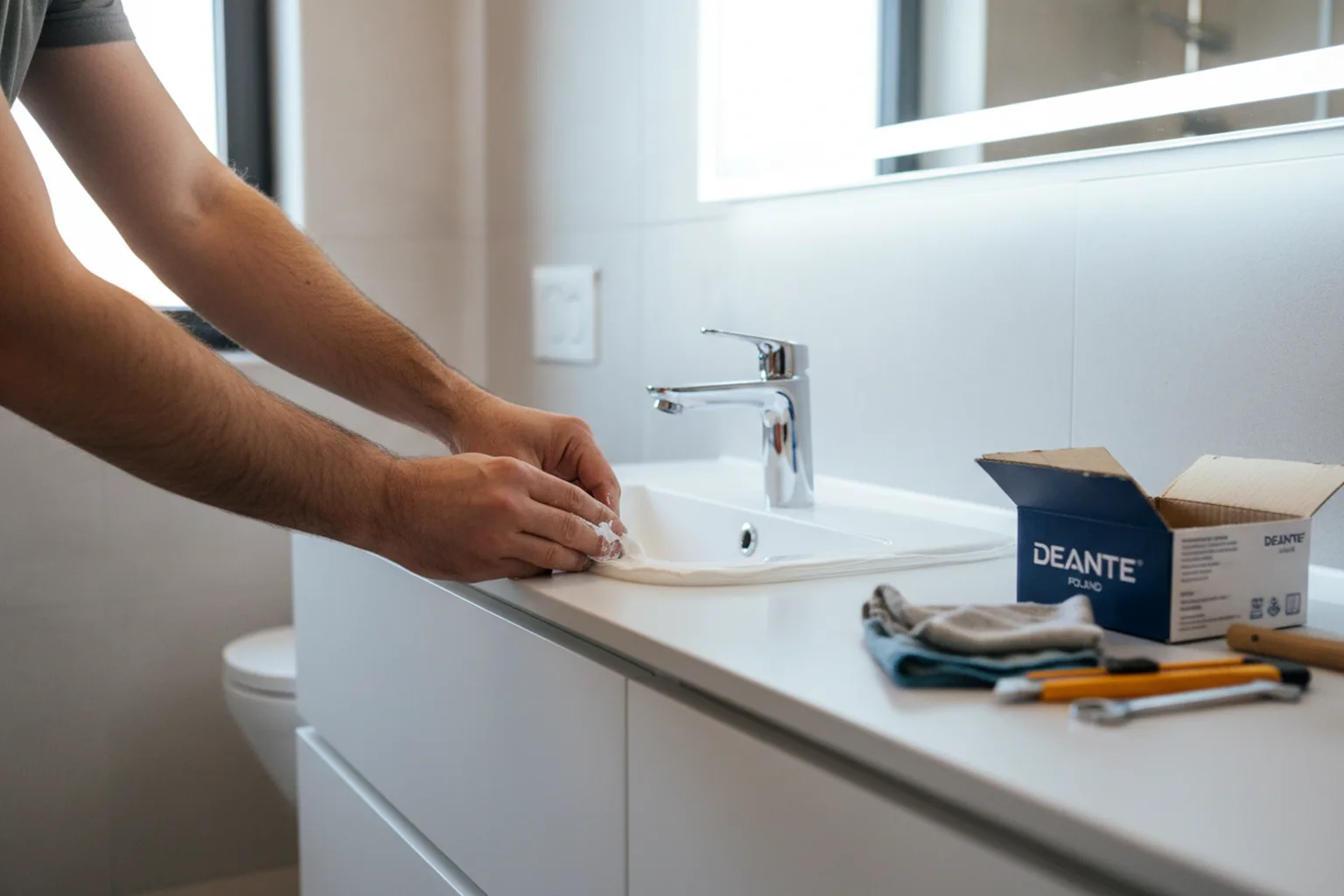
This is where Deante has an edge for Warsaw clients. Because it is a Polish brand, spare parts are generally easier to get than for many imported designer taps. Official parts can be ordered through Deante service and through the brand’s own channels, and standard accessories also show up in places like Leroy Merlin and Castorama.
For cartridges, the key thing is not to guess by eye. Deante often uses 35 mm or 40 mm ceramic cartridges, and many are Sedal OEM type, but the exact stem shape, limiter arrangement and body height have to match. A cartridge that “looks similar” can fit physically and still give poor handle movement or sealing issues. The same applies to aerators, pull-out heads and hoses: some generic replacements fit, some do not, and some fit badly enough that a few months later you end up changing the whole mixer anyway.
My rule is simple: if the faucet is a current or common line like Arnika, Boro, Neo or Silia, getting proper parts is usually realistic. If the mixer is older, heavily worn, or from a less common finish version, compatibility becomes more of a gamble and replacement starts to look neater and quicker.
How much does Deante faucet replacement cost in Warsaw?
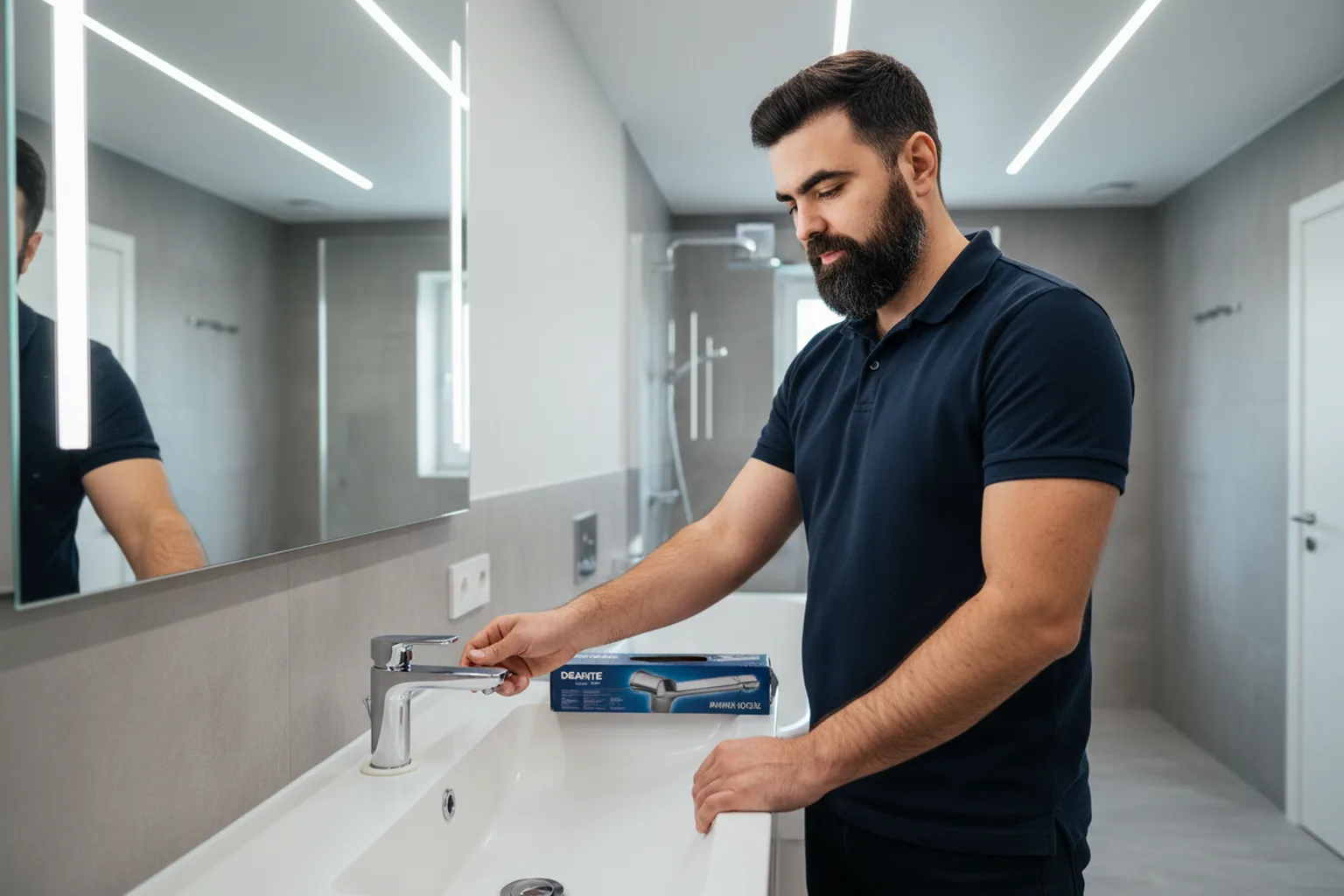
Deante covers a broad range. Entry and mid-range models usually sit in the more affordable part of the market, while Arnika and some design-led finishes go clearly higher. In practice, a basic replacement can start from the lower few hundred złoty for simple lines, while premium versions and more decorative collections can go well beyond that, especially if you want a matching finish and pull-out function.
The final cost always depends on more than the tap itself: access under the sink, the condition of the shut-off valves, whether new hoses are included, and whether the old installation comes apart normally or puts up a fight. That is why a proper estimate comes after seeing a photo of the old mixer and the cabinet below.
When replacement beats repair for Deante
If your Deante faucet is fairly young, the body is in good condition, and the problem is clearly the cartridge or aerator, repair can absolutely be the right choice. But there is a point where replacing parts turns into false economy. Replacement is usually the better call when the mixer is already older, the finish is worn, the base shows signs of moisture, and the handle still feels poor even after servicing.
For kitchen models with pull-out heads, replacement makes sense earlier if both the hose system and cartridge are showing wear. Once you combine a stiff handle, a tired hose and scale around moving parts, you are paying for several fixes on a value-for-money faucet. In that case, fitting a fresh Deante Boro, Neo or Silia often gives better long-term value than chasing one issue after another. For clients who also want an upgrade in appearance, moving to Arnika or Temisto is often the right moment.
FAQ
Is Deante responsible for the installation?
Deante answers for the product on its own terms; the installation is the responsibility of whoever fits the faucet. If a handyman or plumber does the work, ask them what they answer for. Product and installation are two separate matters.
Can I fit a different brand cartridge into a Deante faucet?
Sometimes yes, but only if the dimensions and stem pattern match exactly. Deante often uses 35 mm or 40 mm ceramic cartridges, many in Sedal OEM format, but “same diameter” by itself is not enough.
Are Deante spare parts easy to get in Warsaw?
Often yes. That is one of the practical strong points of this brand. Official channels are the safest option, and common consumables may also be available through larger DIY stores in Warsaw.
Which Deante models are replaced most often?
In everyday flats Boro, Neo and Silia turn up quite often, especially in kitchens. Arnika shows up more in upgraded interiors, and Temisto when someone wanted a more distinctive style from the beginning.
Is it worth repairing a leaking Deante pull-out kitchen faucet?
It depends on where the leak is coming from. A hose or spray head issue can be repairable, but if the hose is kinking, the head is worn and the cartridge is also tired, replacement is often the better choice.
Do generic hoses and aerators fit Deante taps?
Some do, some do not. Thread, length and seating details matter. Buying blind is a bad idea just because an online listing says “universal”.
If your Deante faucet is dripping, loose, or simply past its better years, post a request in the HandyMan24 app: tradespeople will check whether a proper repair still makes sense or whether replacement will save you time and repeat trouble. If you haven’t chosen your new faucet yet, read the general guide on faucet replacement.
Order in the app
Describe the job, add photos and the address. Tradespeople send their own prices and dates, and you pick one of the offers.
Open the app