
How much does door adjustment cost and what affects the price
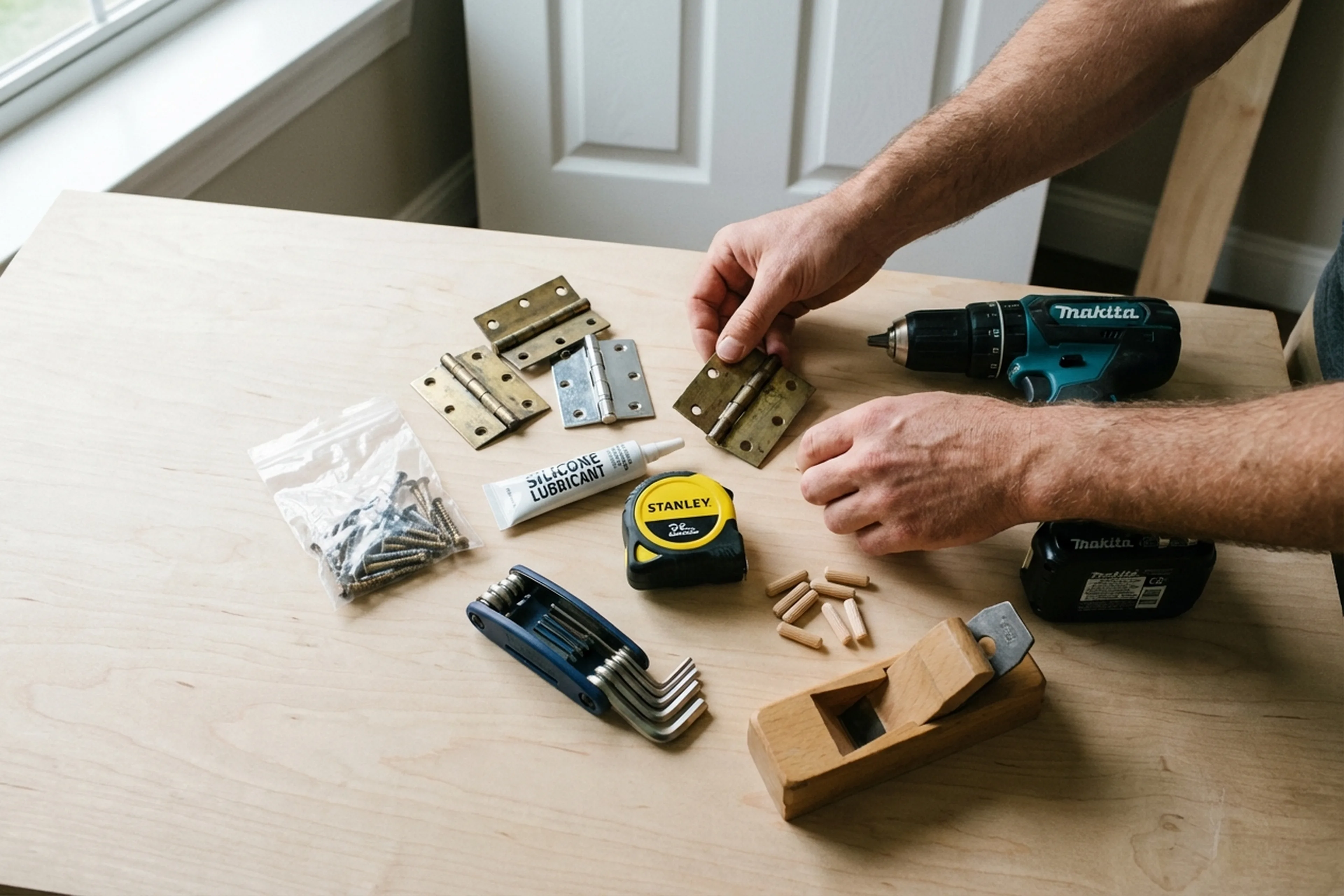
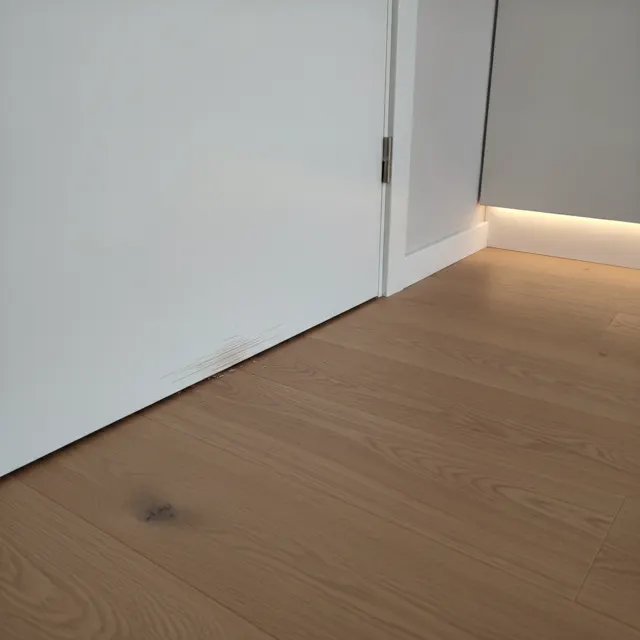
Door adjustment is among the cheapest jobs they do. In a simple case, all that is needed is tightening the hinge screws and lubricating the mechanism, a 15-20 minute task. If the hinge holes are worn and the hinges have to be re-fixed into fresh points, packed with timber shims or replaced fully, the work takes longer. Another case is when a door starts catching the floor after new flooring has been installed: that may mean trimming the bottom of the leaf, which is a separate service.
Fixings are included in the labour price. If fresh hinges or a lock are needed, materials are billed separately. Lubricant, small screws and shims: the technician brings all of that. Current prices for adjustment, lubrication, trimming and other door jobs are shown in the table below.
| Service | Price |
|---|---|
| Door trimming | 200–400 zł |
| Door frame installation | 250–450 zł |
| Door adjustment | 80–150 zł |
| Fixing squeaky doors | 40–80 zł |
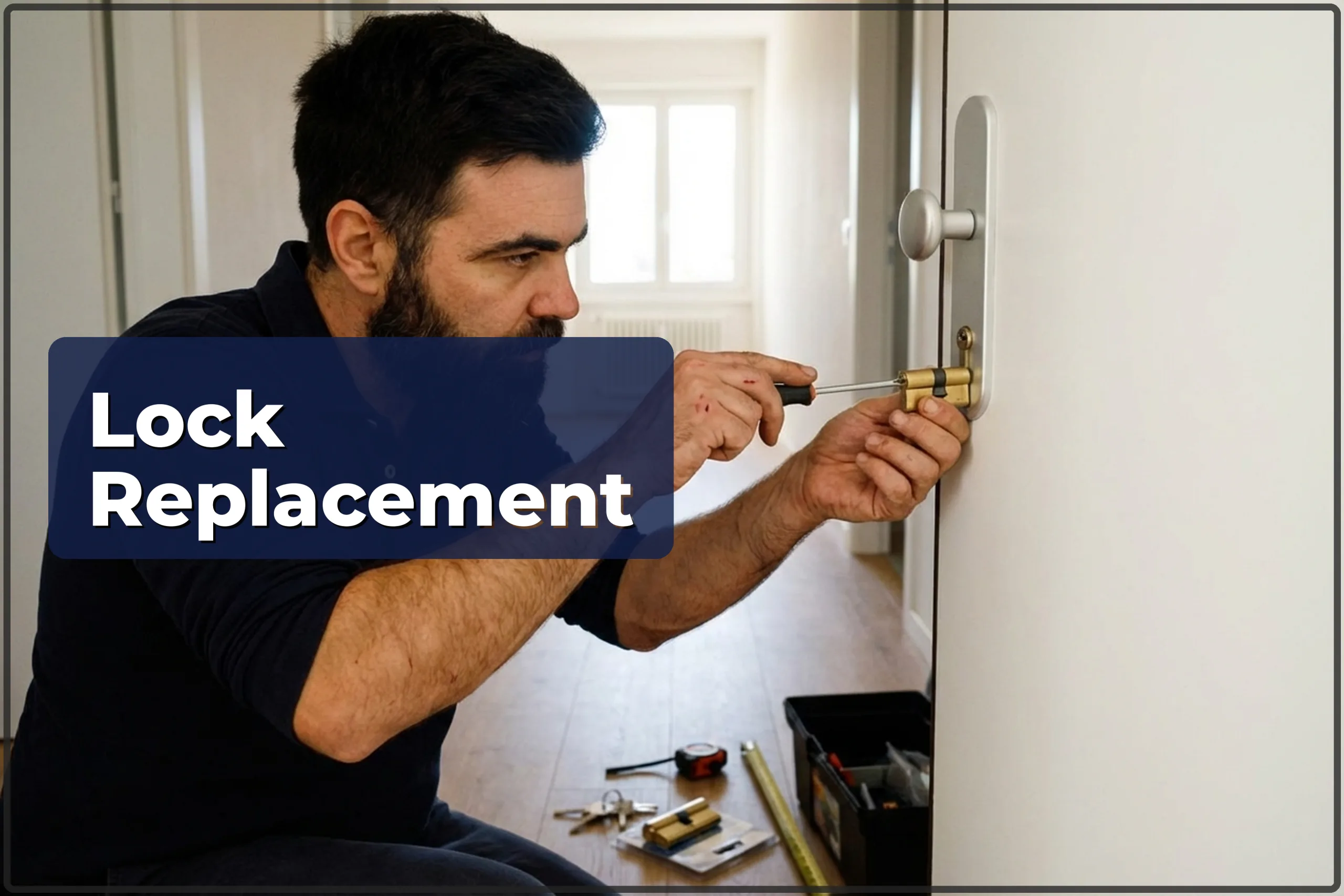
| Lock replacement | 180–350 zł |
| Door handle replacement | 180–280 zł |
Indicative prices. Ranges for a typical scope. Fixings included, materials separate. Minimum order 300 zł.
Describe the issue or send a short video — the technician will explain exactly what needs doing and give you the price in advance.
Price ranges and offers from tradespeople: interior finishing in Warsaw.
How door adjustment works: step by step
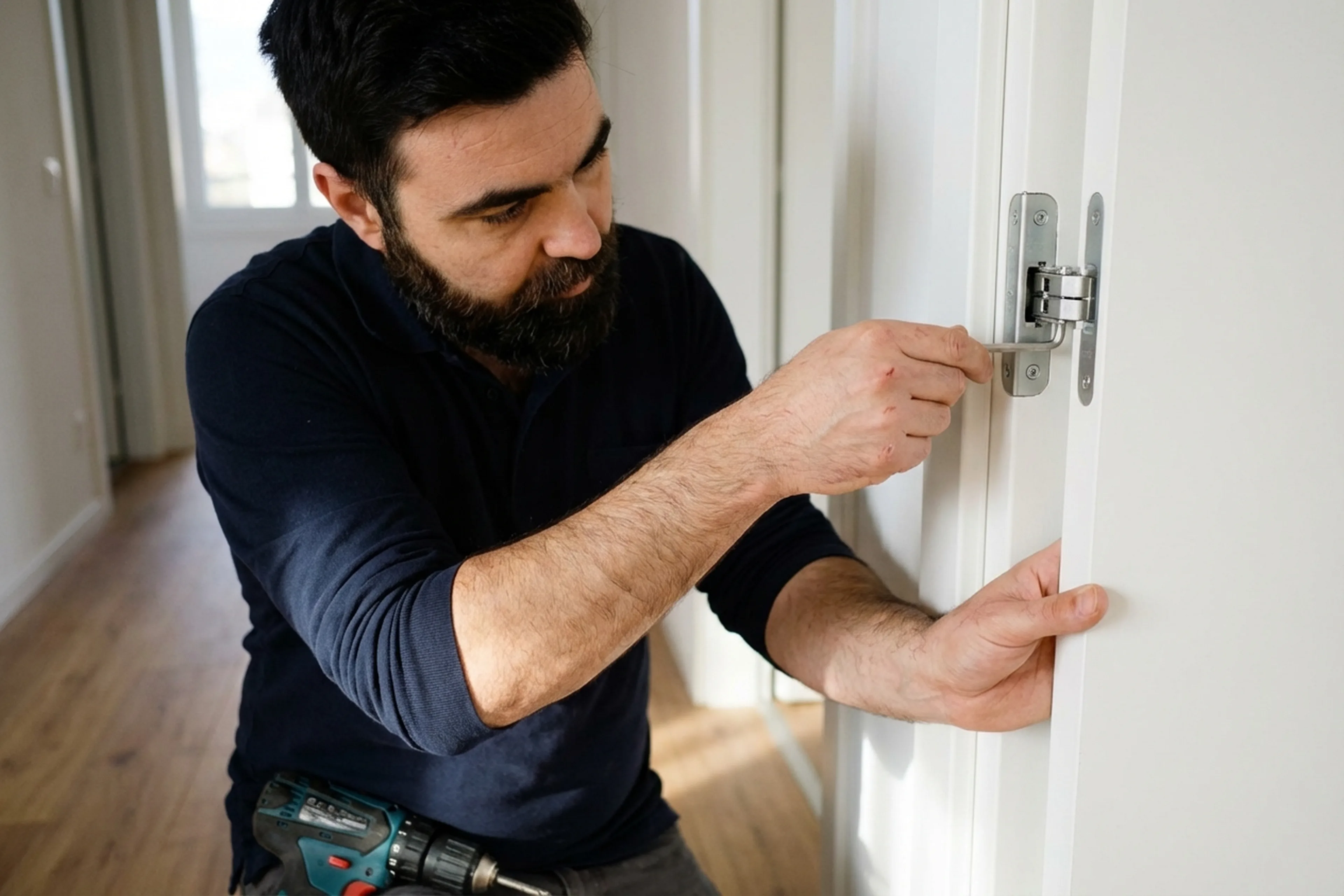
Door adjustment is precise work, even if it does not take long. You cannot just tighten every screw as hard as possible and say the job is finished. Here is how the technician handles it:
- Checking the door and frame. The technician looks at the gaps on all sides, the condition of the hinges, and how the lock and handle work. He pinpoints exactly where the door is rubbing or dropping and what is causing it.
- Assessing the hinges. Hinges cause 80 percent of problems. The technician checks whether the screws have worked loose and whether the holes in the frame or leaf are stripped. If the holes are worn, they are drilled out and fitted with longer screws or filled with hardwood dowels.
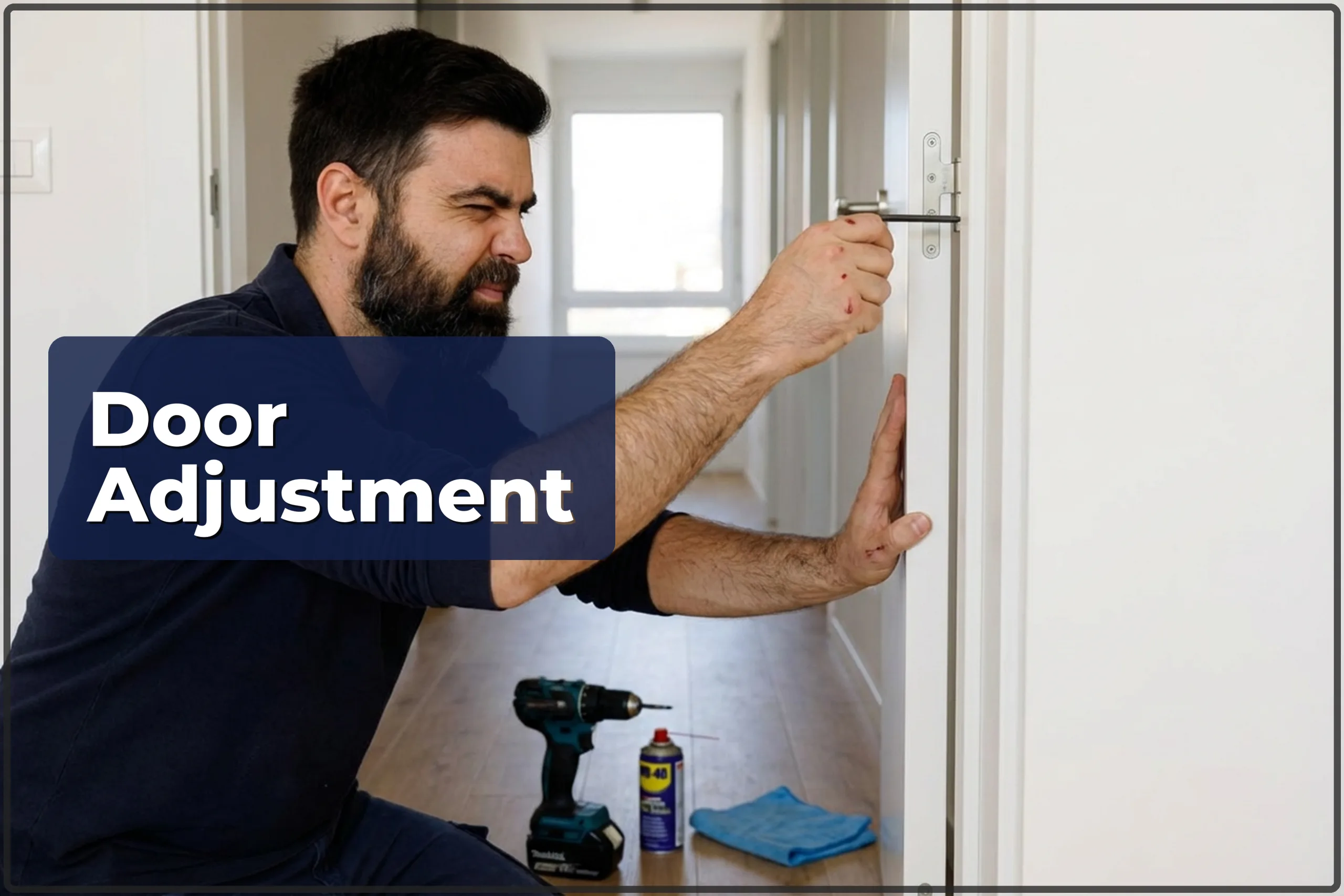
- Tightening and lining up. Hinge screws are tightened and the leaf is moved into the right position. If the hinges are adjustable (as on many modern doors), the alignment is set with a hex key in three axes.
- Trimming edges. If the door catches the frame at the top or side, the technician removes the smallest possible amount of material with a hand plane or sander on site, without taking the leaf off. Touching in the paint on the trimmed edge is an optional extra.
- Adjusting the lock and latch. The latch tongue has to meet the strike plate cleanly. If the door has shifted, the strike plate is moved or filed.
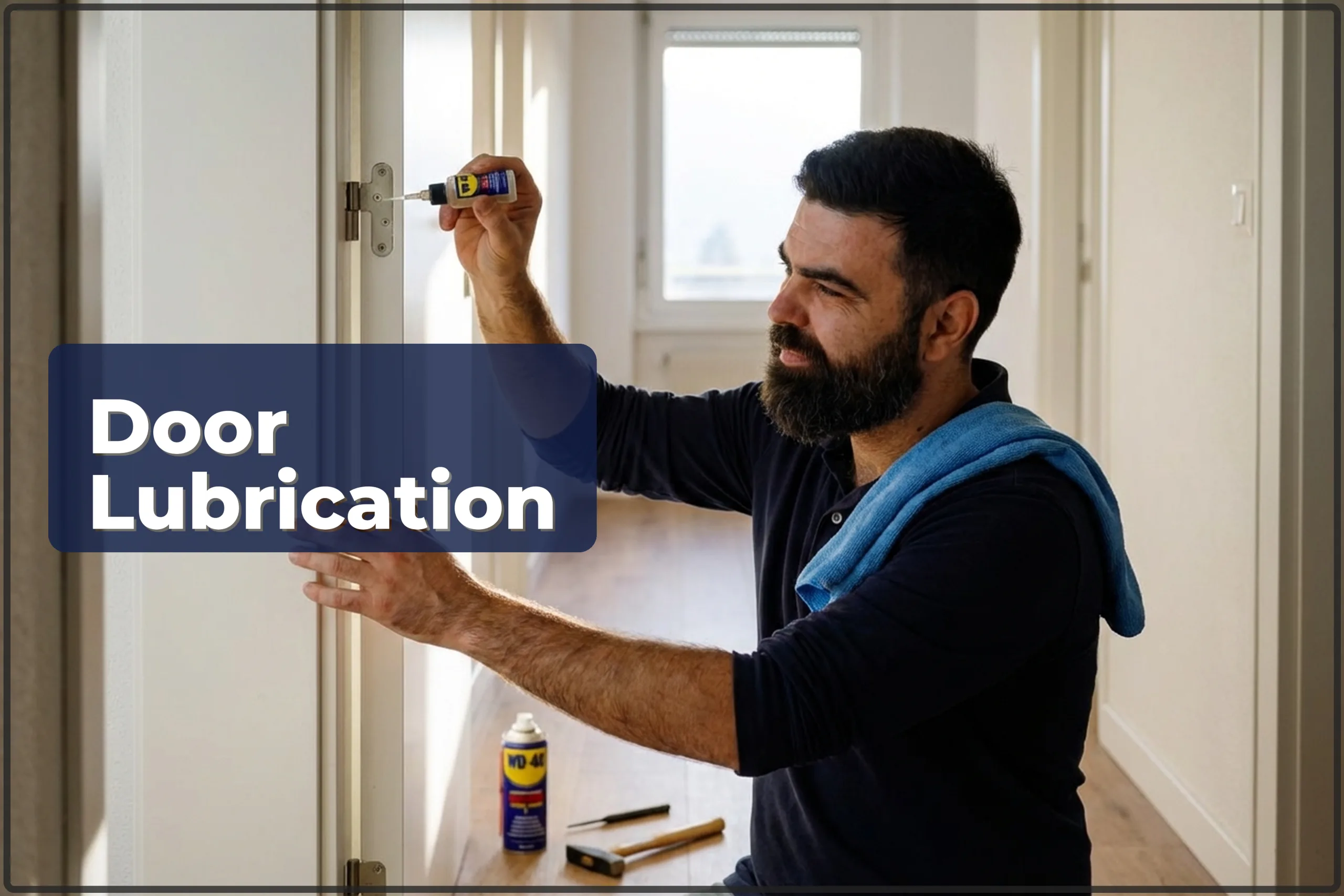
- Lubrication. All moving parts: hinges, lock, latch: are lubricated. The squeak goes straight away. The technician uses silicone or PTFE lubricant that does not pull in dust.
- Final check. The door is opened and closed a few times. The technician checks that the gaps are even, the lock works properly and there is no noise. The client signs off.
In many cases the whole job takes 30-40 minutes. If there are several doors, each extra one takes even less time.
Common mistakes when adjusting doors yourself
Adjustment looks easy, but without practice it is very easy to make the problem worse. These are the mistakes they see most often:
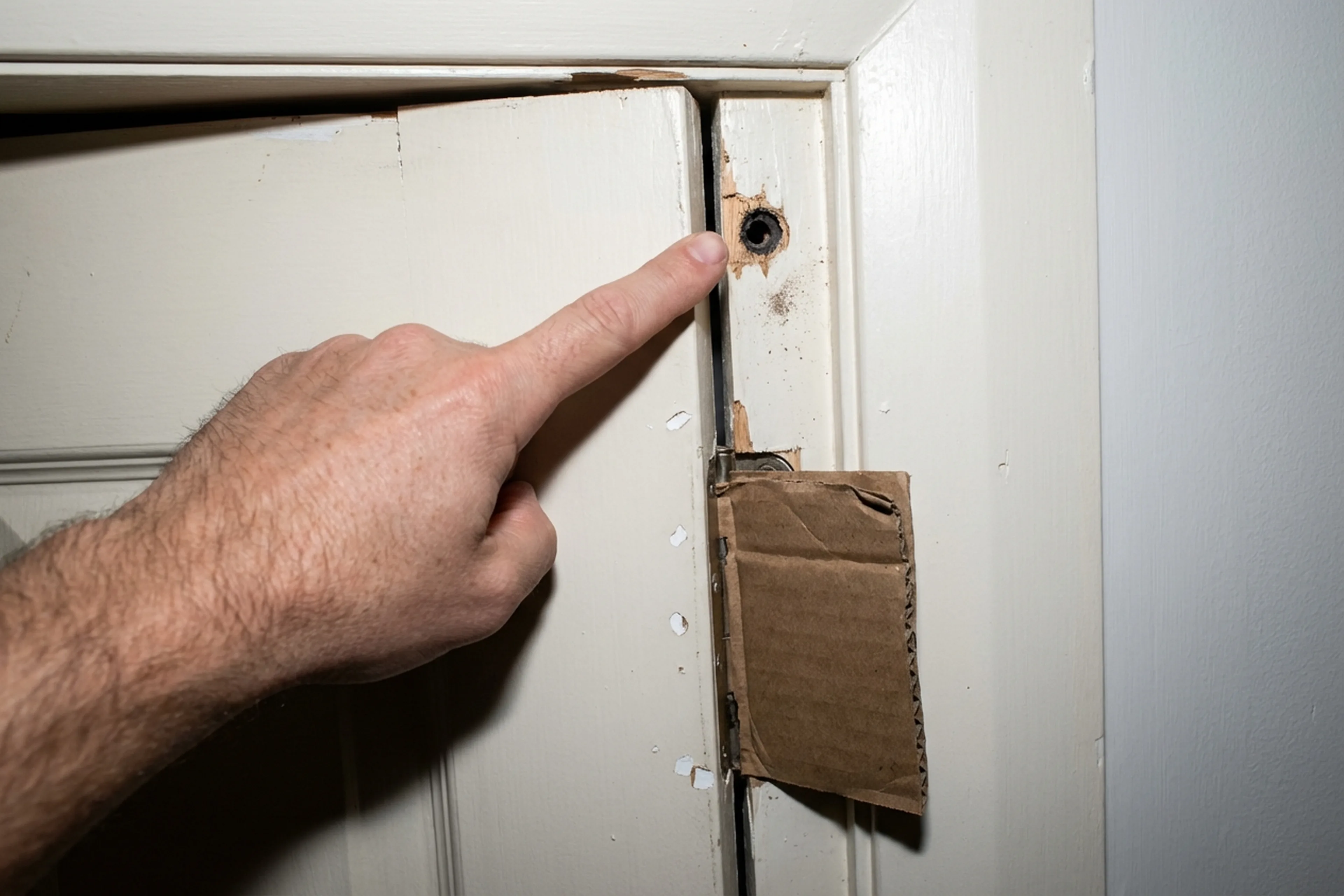
- Over-tightening screws in stripped holes. The screw just turns and does not bite. The door keeps dropping and the hole becomes even larger.
- Stuffing cardboard under the hinges. A short-term fix that falls apart after a week. The cardboard gets crushed and the door drops again. A proper shim is cut from veneer or hardwood.
- Planing the door without finding the cause. The door catches not because it has swollen but because a hinge is loose. You plane the leaf, then tighten the hinge, and end up with a one-centimetre gap.
- Lubricating hinges with cooking oil. Food oil goes thick, gathers dust and within a month the hinge squeaks worse than before. Use a proper technical lubricant.
- Taking the door off without a helper. A leaf weighs 15-25 kg and if it drops it can damage the door, the floor and you.
- Trying to adjust a moisture-swollen leaf. If a fibreboard door has swollen in the bathroom, no adjustment will solve it — it needs replacement. Solid timber doors, though, can move with the seasons: they shrink in winter and expand in summer.
- Ignoring a problem with the frame. Sometimes the issue is not the door at all but the frame, which has pulled away from the wall or twisted. In that case adjusting the hinges is a waste of time.
Squeaks and light rubbing are often easy to fix yourself: how to fix squeaky or sticking doors without replacing them.
What to prepare before the technician arrives
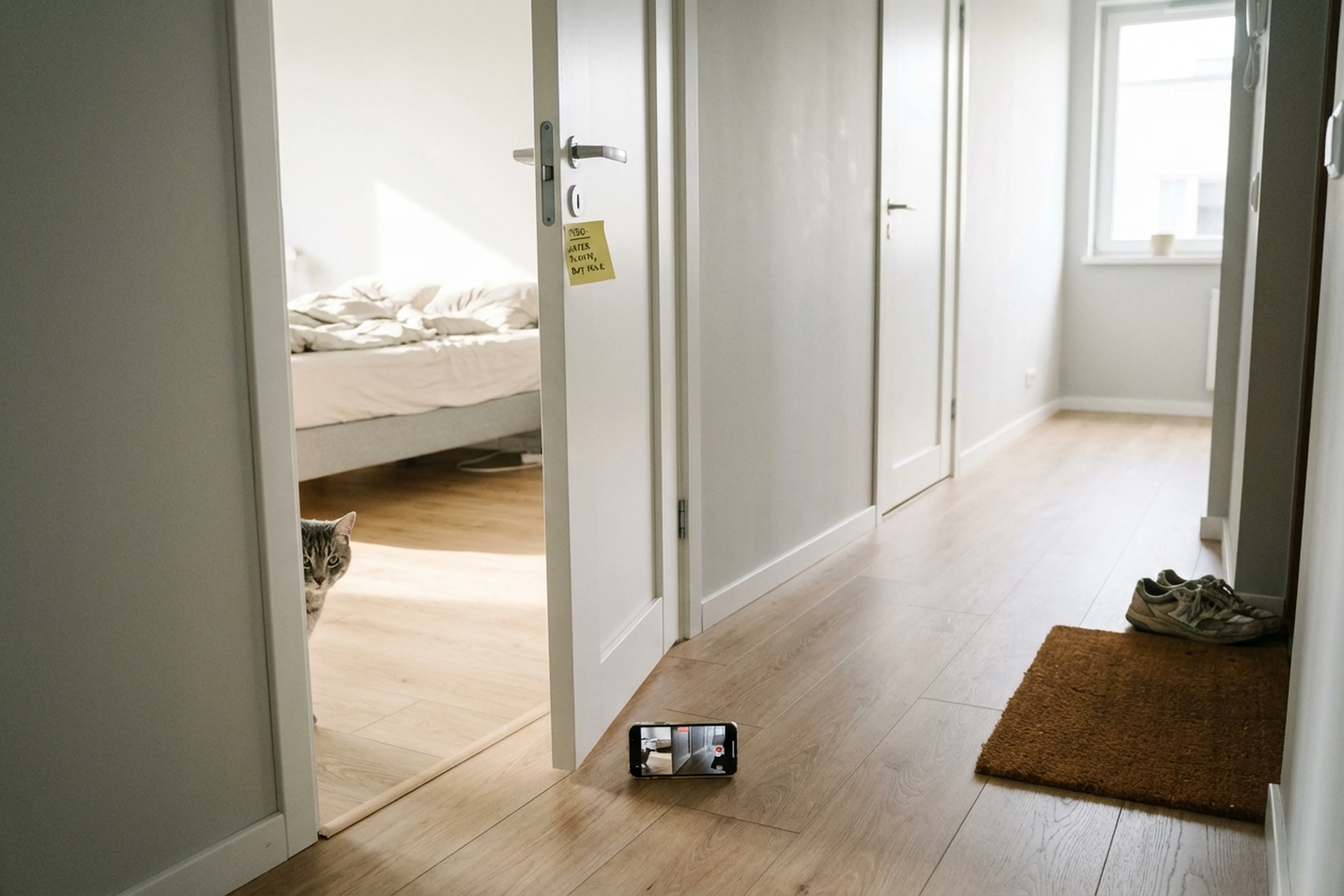
Adjustment is clean and fast work that needs almost no special prep. Still, a few simple things will make the job go quicker:
- Describe the issue: squeaking, catching on the floor, not closing, wobbling. The more detail you give, the faster the technician can work out the cause.
- Record a short video of the door working: very often the problem is clear from the clip.
- Clear the area around the door: remove mats, shoes and anything that stops it opening all the way.
- If there are several doors, make a list. The technician will plan the time and bring the right consumables.
- If you know the make and model of the door (sticker on the edge), mention it. Some doors need specific hinges.
- Have a power socket within 5 metres in case a power tool is needed for trimming.
- Provide the entry code, floor number and lift details.
- If you have pets, keep them in another room, the door will be opened and closed dozens of times.
- Decide beforehand whether you need any extra jobs: handle or lock replacement, lubricating several doors. Everything can be done in one visit.
A real case: five doors in Wola in one visit

A client in Wola said that after winter every interior door in the flat had started shutting badly. The flat was in a new-build, the block was three years old, and the doors had been installed by the developer at handover. The cause was straightforward: the new building had settled slightly, the frames had moved by a fraction, and the hinges had loosened with everyday use. On two doors the hinge screws simply spun — the holes in the MDF frame were stripped. The technician filled the holes with hardwood dowels and glue, left them for ten minutes, then drove in fresh screws. On the other three doors, tightening and adjustment with a hex key was enough. One door was also catching the threshold, so half a millimetre was trimmed off the bottom. All five doors were adjusted within an hour and a half. The client was happy: not one door needed replacing, and the total cost was only a fraction of what new ones would have cost.
Who does the work
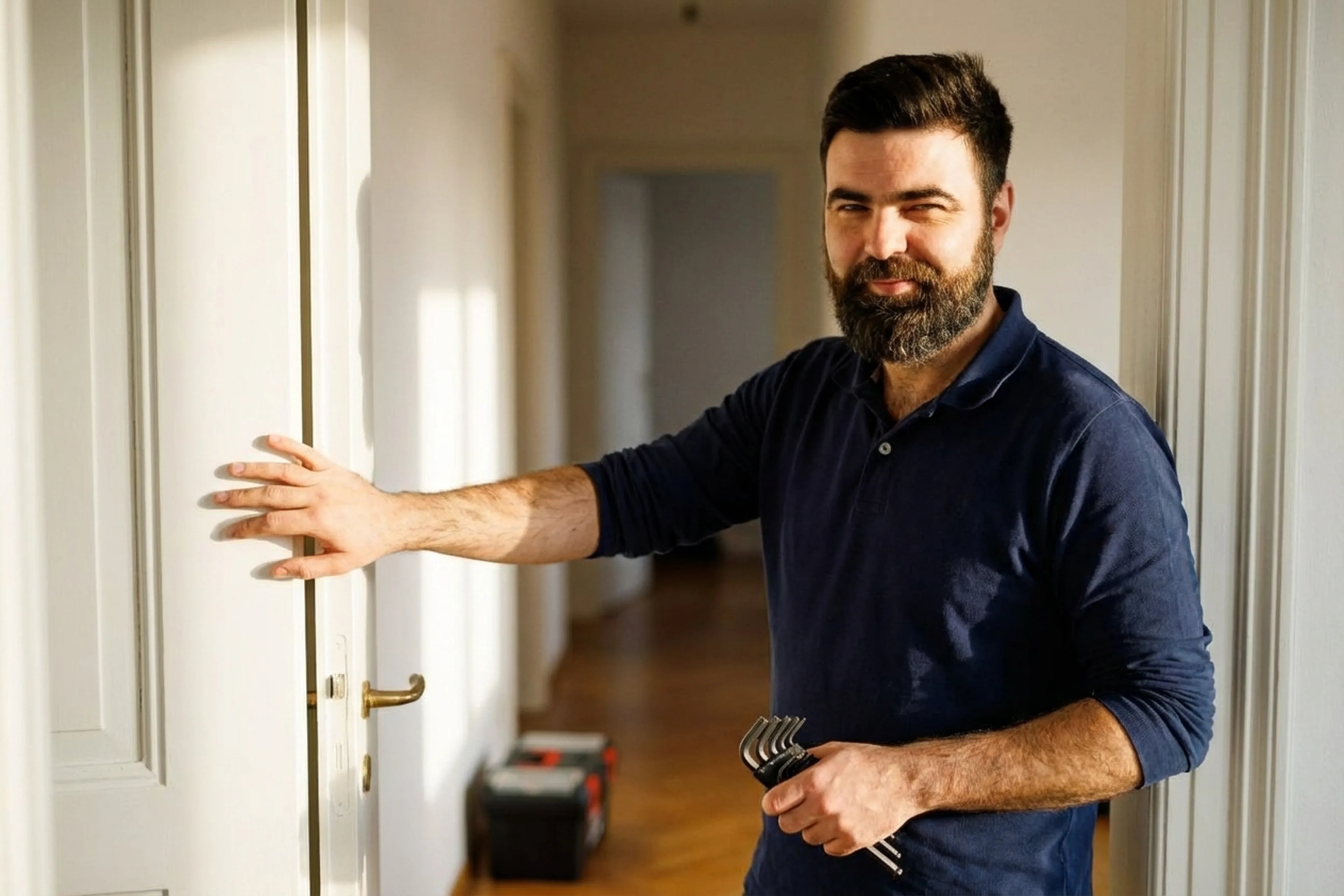
Door adjustment is done by tradespeople with hands-on experience in joinery and door fitting. Tradespeople arrive with a full kit: drill-driver, hex keys, hand plane, lubricants, spare screws and shims. Tradespeople cover all of Warsaw and the surrounding area: from Ursynow to Bielany. After adjustment the door will open and close smoothly, without squeaking or catching. Post a request in the HandyMan24 app and tradespeople will send their offers.
Order in the app
Describe the job, add photos and the address. Tradespeople send their own prices and dates, and you pick one of the offers.
Open the app