
Why Kludi: what makes this brand different
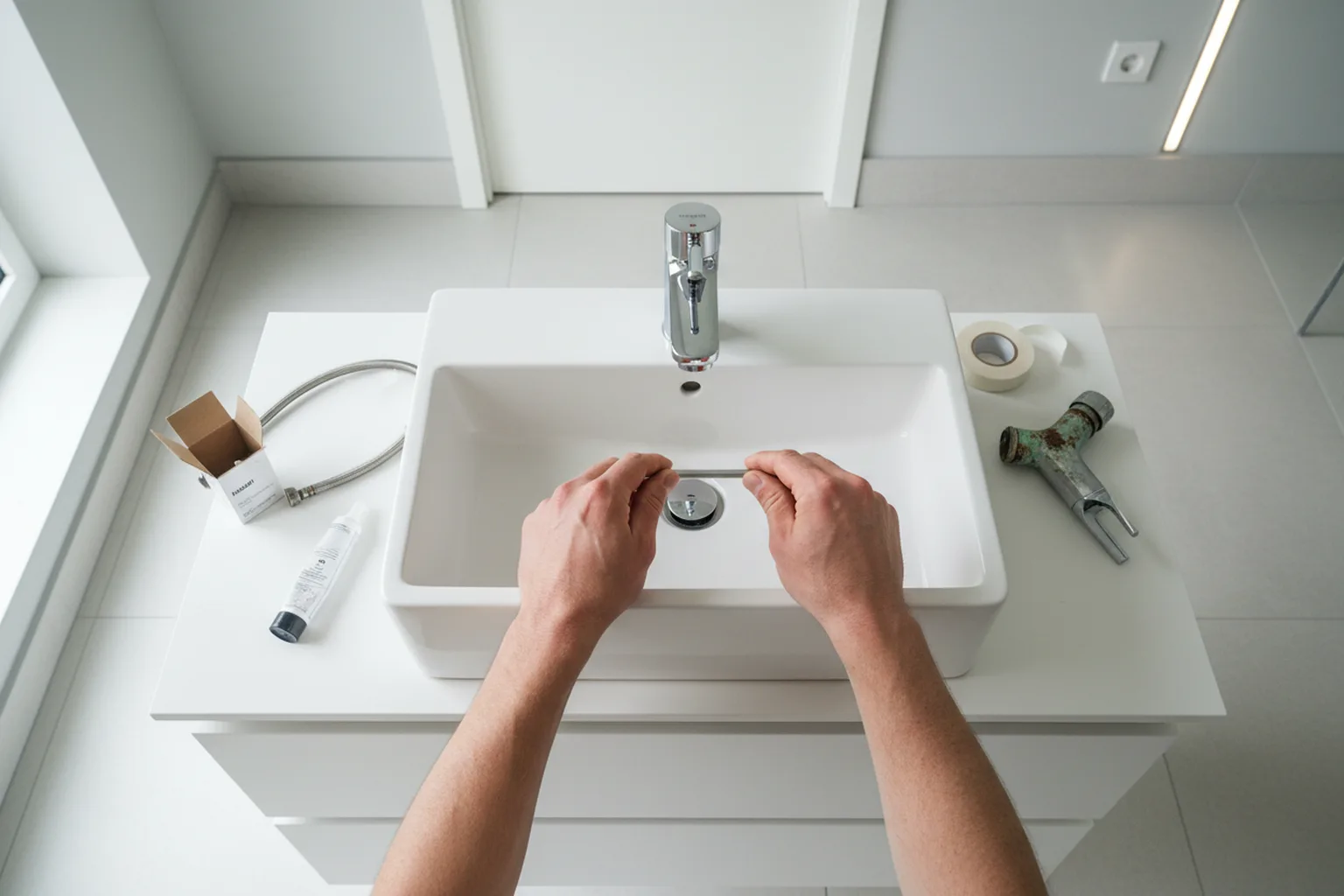
Kludi is a German brand, and in Warsaw it lands in that practical middle segment: not the cheapest supermarket fitting, but not luxury designer hardware either. That is why you see it so often in apartments handed over by developers. It offers a clean look, solid enough reliability, and a price point that suits large building packages.
From a handyman’s point of view, Kludi is fairly easy to deal with. Models like Logo Neo, Pure&Easy, Bingo Star, Zenta, and Bozz are well known on the Warsaw market. The good news is that parts are often available, and even if the exact original insert is no longer there, there is often a compatible option. So unlike some trendy imported brands, replacing a Kludi part rarely becomes a search across half of Poland.
How it looks in the appBasin tap replacement: a request without phone callsPick the service, take a photo of the old washbasin tap and the estimate shows up straight away. After the address and date, the request goes out to independent handymen nearby. They send their offers with a price, and you compare and choose.Service and a photoAddress and a day that suits youOffers from handymen, you choosePost a request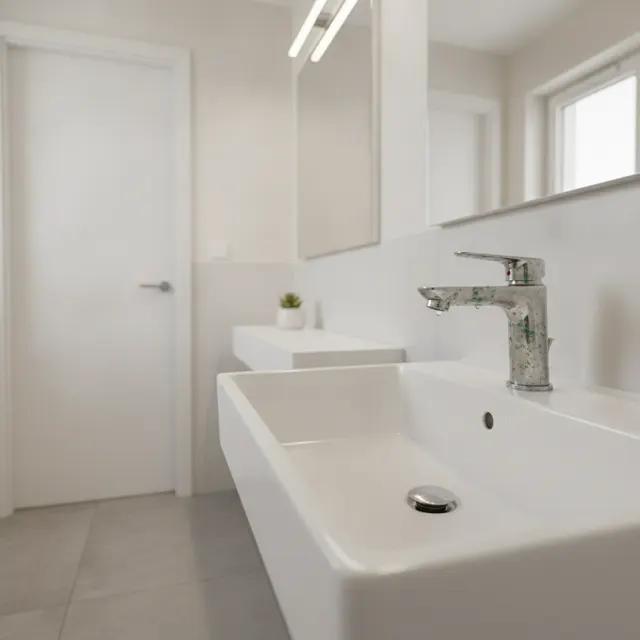
Rather hand the job over? More here: tap replacement in Warsaw.
Typical failures of Kludi faucets
Kludi mixers tend to wear out in a fairly predictable way. On the cheaper versions, the first weak spot is often the cartridge. Many of them use a 35 mm or 40 mm ceramic cartridge, but in budget variants the inner construction may contain more plastic than you’d want. After a few years of everyday use, the handle starts moving with resistance, then too freely, and in the end the tap begins to drip even when fully closed.
The second classic problem is the aerator. In districts with harder water, like some buildings in Wola or Bielany, limescale builds up quickly. The client says the faucet “lost pressure,” but in reality the mixer body is fine, the outlet is just blocked with scale and debris. Sometimes cleaning the aerator is enough; sometimes the threads are seized and replacement is the better call.
Another common issue on older Kludi taps is chrome wear on the handle, especially where fingers keep touching the same area. It does not always affect how it works, but it makes the faucet look worn out. On some older Bingo Star and Logo Neo units, the handle cap comes loose, and then water and dirt get into places they should not. On more minimalist series like Bozz or Zenta, the finish often stays visually cleaner, but once the cartridge starts failing, the control gets jerky very fast.
These issues usually start showing up after several years of normal household use. In rental flats, where the tap is handled less carefully, wear appears earlier.
Replacement process
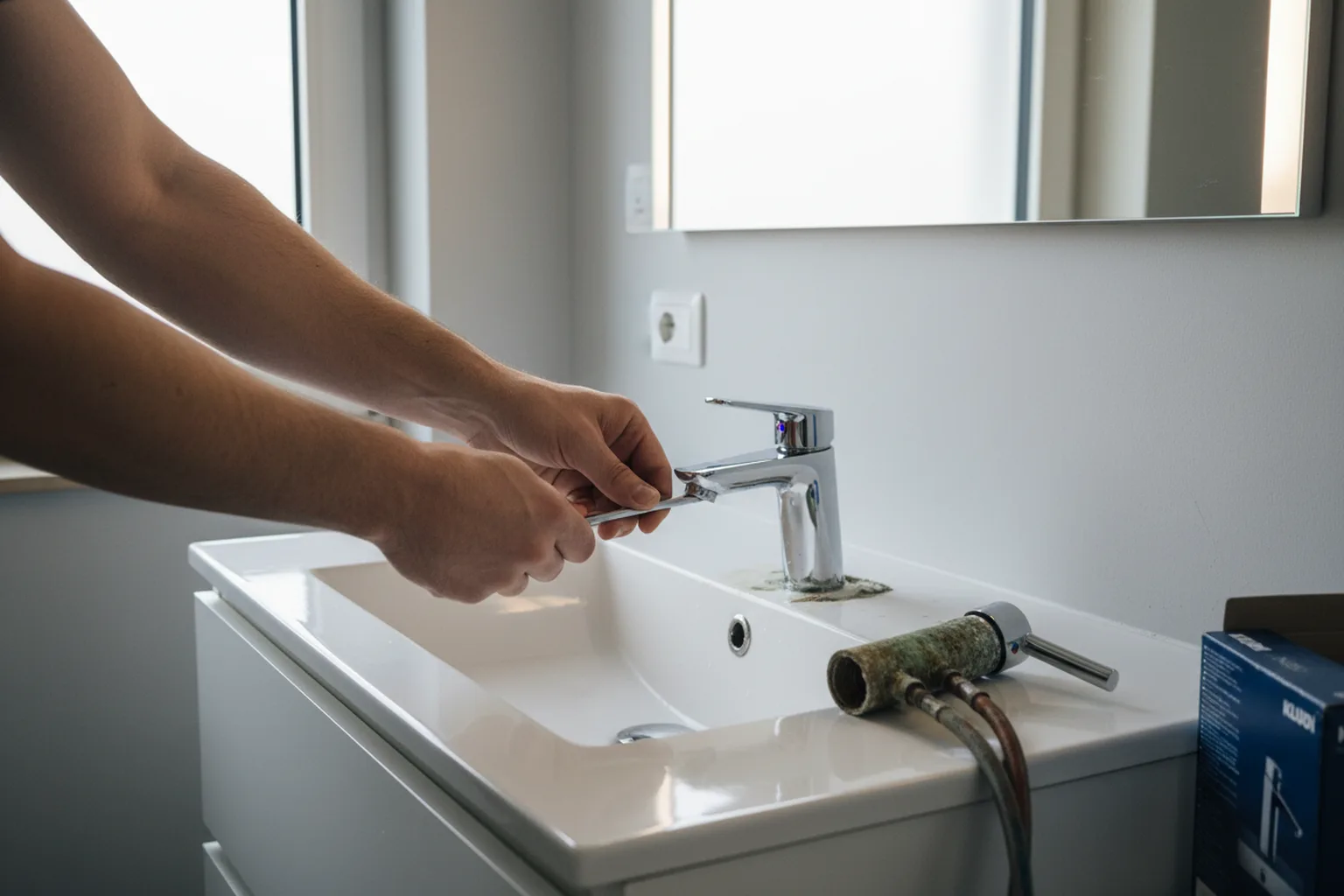
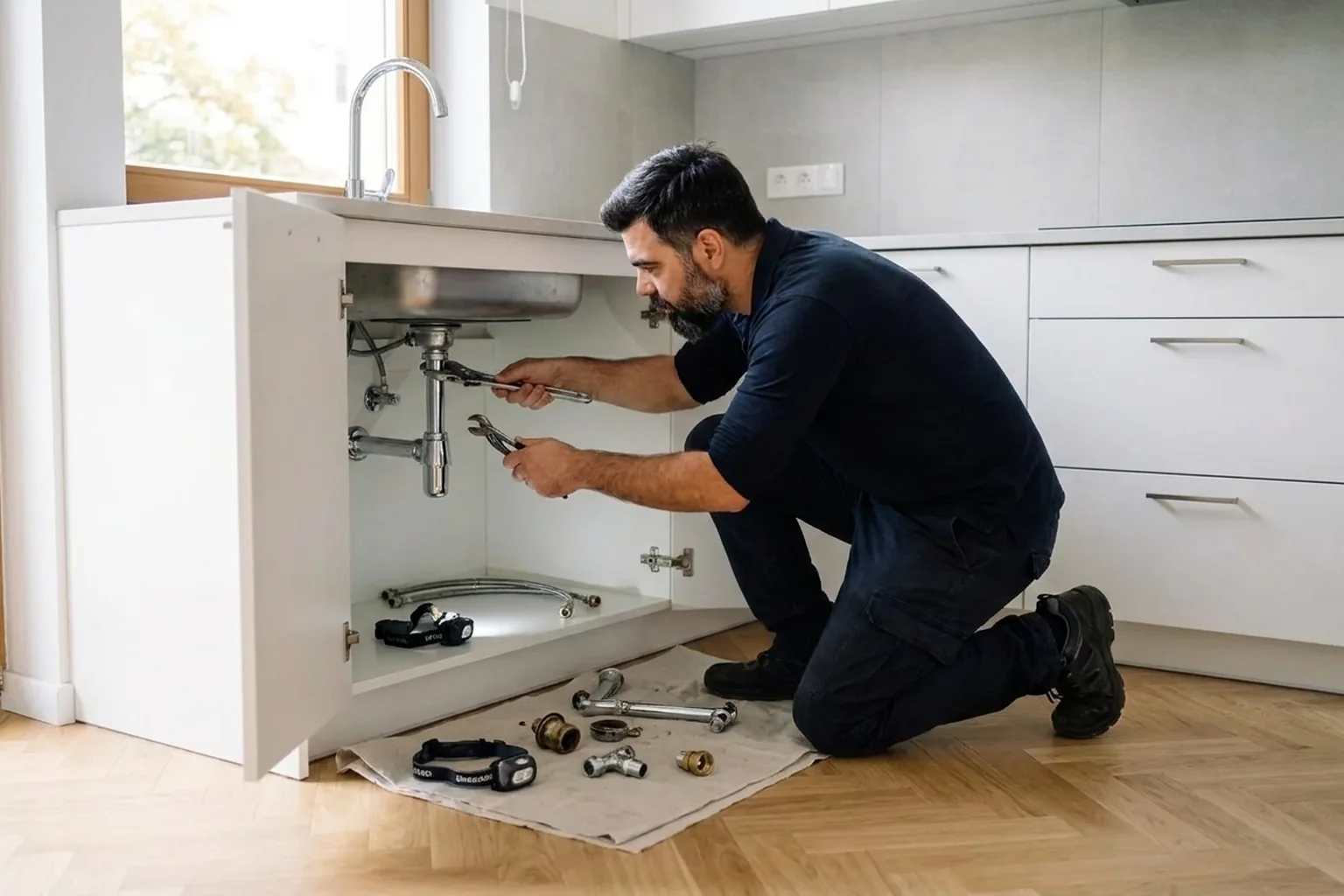
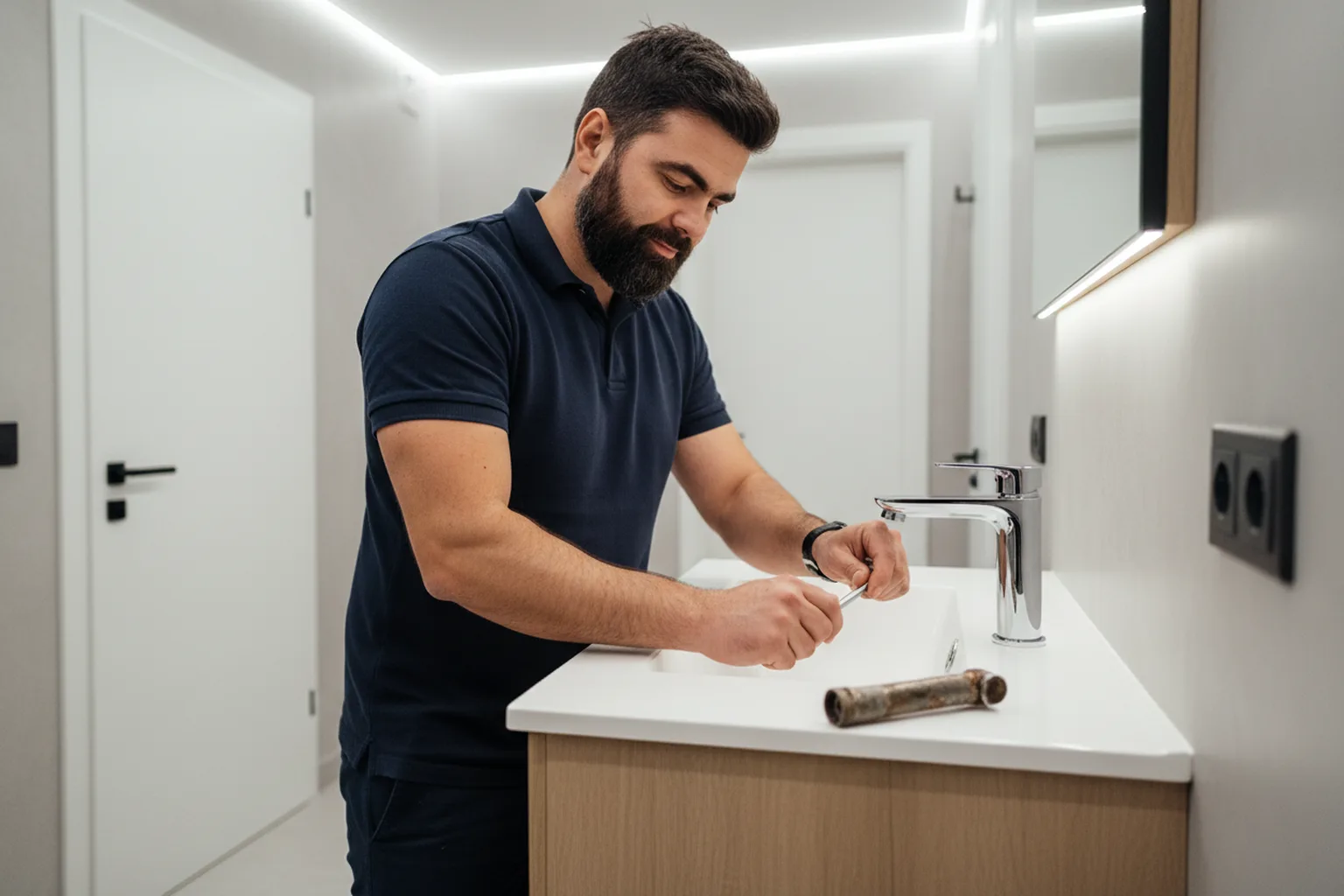
Replacing a Kludi faucet is not difficult, but there are a few brand-specific details that help to know. First the water is shut off, the supply hoses disconnected, and the old body released from below. In many Warsaw bathrooms the hardest part is not the faucet itself: it’s access. In small vanity cabinets, especially in developer-standard bathrooms, there is barely any room for tools.
With Kludi, one of the first checks is whether it is a standard single-lever basin mixer using a 35 mm or 40 mm ceramic cartridge. If the customer wants repair instead of full replacement, that size matters right away. If the whole tap is being removed, it is still worth checking, because it shows what kind of wear the unit likely had and whether the installation hole and mounting system are still in decent shape.
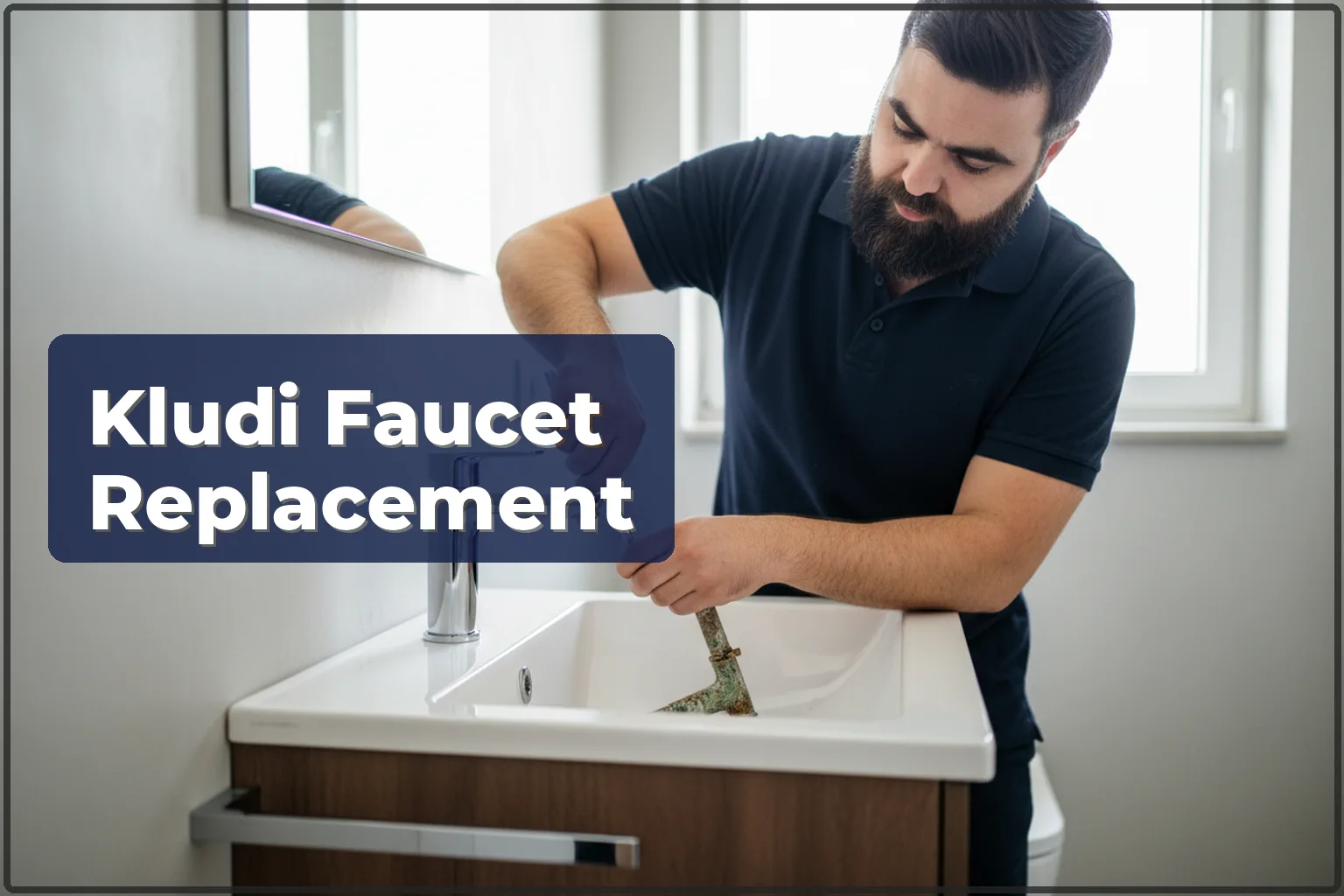
Most Kludi basin faucets use standard flexible connectors and a normal fixing set, but on older installations the mounting nut can be badly corroded. Then you need patience, a basin wrench, penetrating oil, and sometimes a deep socket that actually fits the cramped space. The sink surface matters too: if old silicone, rust marks, or limescale are left under the base, the new faucet will never sit properly and may start moving after a few months.
After installing the new mixer, the lines should be flushed before the final aerator assembly if possible. This matters in older blocks in Ochota or Praga where small bits of scale or pipe sediment can damage a fresh cartridge on day one. Clients often think a new tap means the job is done the moment water runs, but proper installation also means protecting the new mechanism from dirt already sitting in the system.
Parts and compatibility
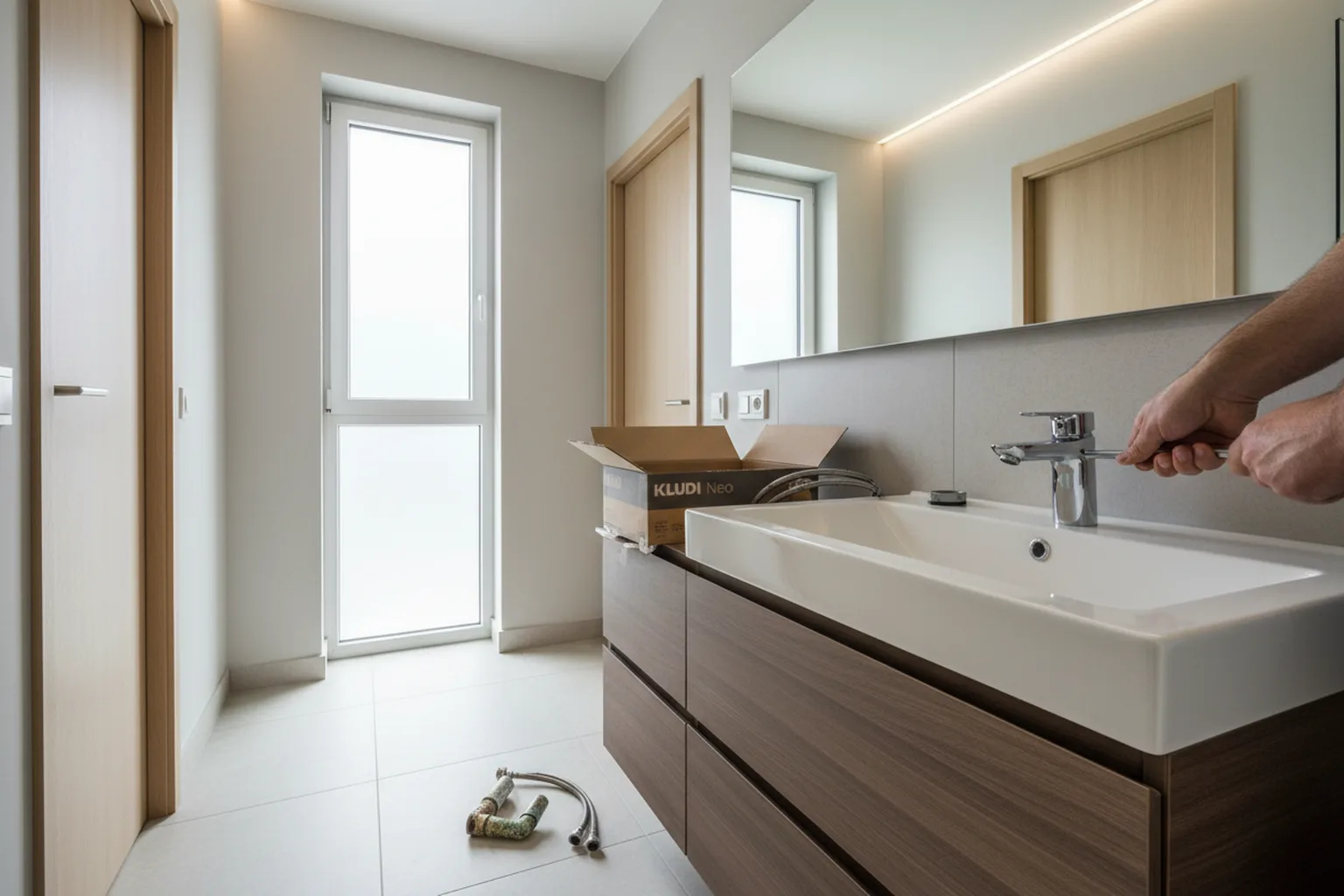
Kludi is one of those brands where parts availability in Warsaw is quite good. For original or near-original components, places like MaxFliz or Cedat are realistic places to start. That matters, because with some brands you spend more time looking for parts than doing the actual job.
For many Kludi models, generic cartridges fit, as long as the dimensions and stem shape match. The key spec is usually 35 mm or 40 mm ceramic. But here is the practical warning: “same diameter” does not always mean “drop-in perfect.” The locating pins, handle adapter shape, and cartridge height can vary. So yes, a different brand cartridge may fit many Kludi faucets, but only after checking the old unit properly.
Aerators, flexible hoses, and fixing kits are usually not a problem either. What makes less sense to chase is cosmetic trim for heavily aged faucets. If the handle chrome is peeling and the body already shows wear, buying separate small parts can turn into false economy.
How much does Kludi faucet replacement cost in Warsaw?
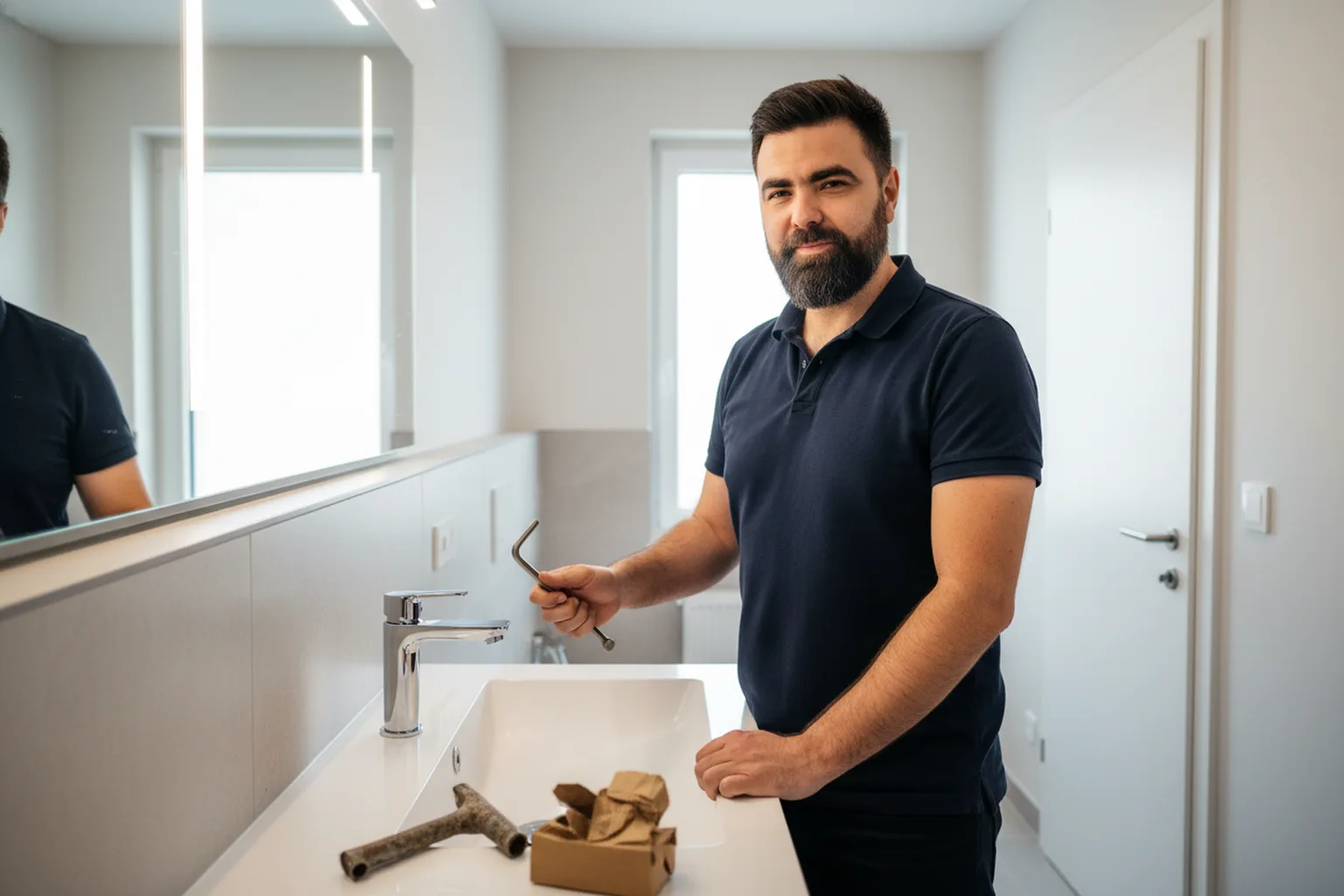
Kludi sits in the budget-friendly to mid-range bracket. For a new basin mixer, the brand often starts at a sensible entry level and goes up depending on the line, finish, and body design. Put simply, it is the kind of faucet many clients choose when they want something more reliable than the cheapest option, without stepping into premium showroom pricing.
Series such as Pure&Easy or Logo Neo are often chosen for practical daily use, while Zenta and Bozz can cost more because of styling and finish. The final replacement cost also depends on whether the old installation comes apart easily or turns into a struggle under the sink.
When replacement beats repair for Kludi
If the faucet is fairly new and the issue is limited to dripping or a stiff handle, repairing a Kludi tap can make sense. A cartridge swap is often enough. But once the faucet is older and has several symptoms — worn cartridge, scaled aerator, chipped handle chrome, loose base, replacement is usually the better choice than throwing more parts at it.
This is especially true for the more basic models with plastic-inside cartridge construction. They work fine for some time, but once wear begins, the tap often loses that solid feel. For a ten-year-old Bingo Star in Wola with finish damage and poor handle action, a fresh unit makes more sense than pretending one new insert will make it “like new.” It won’t.
Replacement also makes more sense when the customer wants a visual refresh. An old faucet can still work, but still make the whole washbasin area look dated. In that case, changing the mixer gives both technical and cosmetic improvement in one visit.
FAQ
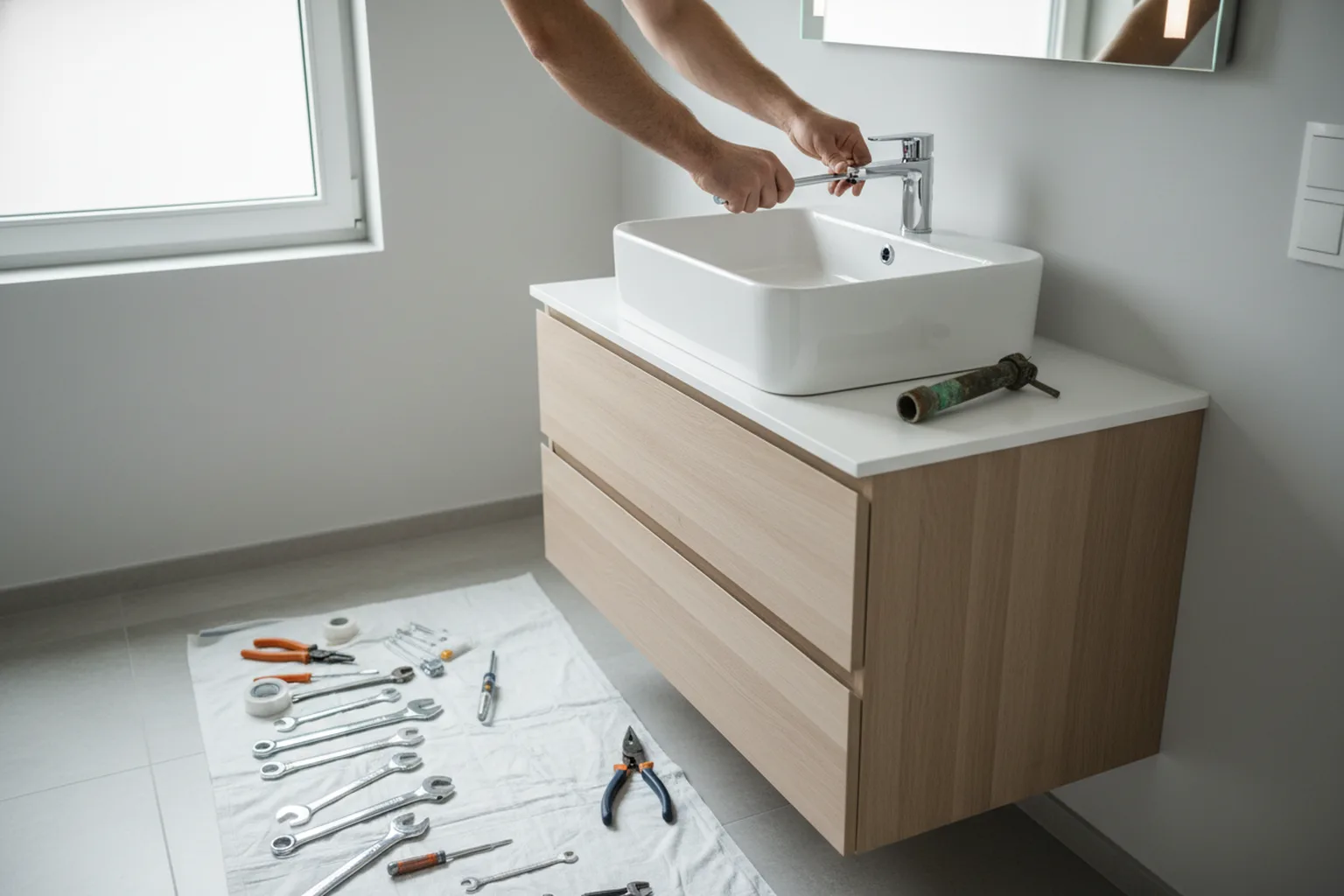
- Can I fit a different brand cartridge in a Kludi faucet?
Often yes, especially with standard 35 mm or 40 mm ceramic cartridges, but the diameter alone is not enough. The stem shape, pin position, and height need to match the old cartridge. - Which Kludi models are most common in Warsaw flats?
Very often Logo Neo, Pure&Easy, Bingo Star, Zenta, and Bozz. These are common in developer-finished bathrooms and kitchens. - Why does my Kludi tap drip even after I close it firmly?
Usually the cartridge is worn, scaled, or damaged by debris from the water line. Forcing the handle shut harder does not fix it and can make the wear worse. - Are Kludi spare parts easy to buy in Warsaw?
In most cases yes. Shops and suppliers such as MaxFliz and Cedat are good places to check, and generic replacements are available for many service parts. - When is it not worth repairing an old Kludi faucet?
If the faucet has several problems at once, leaking cartridge, damaged chrome, loose handle, seized aerator, or corrosion around the mounting — replacement is usually the more sensible choice.
If your Kludi faucet is leaking, stiff, or simply worn out, post a request in the HandyMan24 app: tradespeople will check whether it still makes sense to repair it or whether replacement will save you time and frustration. And if you have not chosen your new faucet yet, read the general guide on faucet replacement.
Order in the app
Describe the job, add photos and the address. Tradespeople send their own prices and dates, and you pick one of the offers.
Open the app