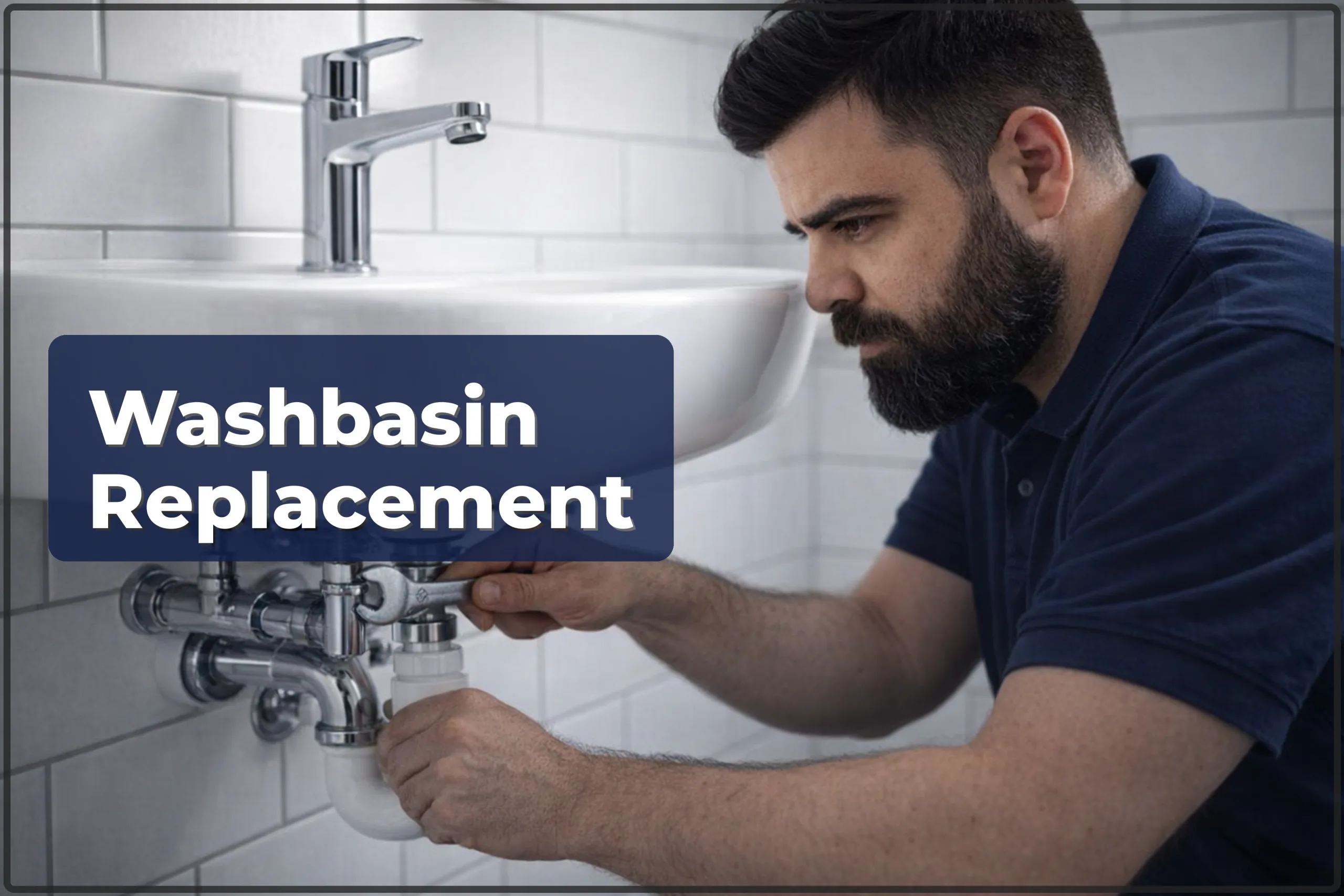
A damaged basin, a chipped edge, or just a look that no longer suits the bathroom — sooner or later the washbasin needs replacing. Sometimes the bowl is still in decent shape, but the renovation means a new format: wall-mounted instead of pedestal, countertop-inset instead of surface-mounted. In flats around Wola and Srodmiescie, we handle this kind of job every week. What matters is taking out the old unit without harming the tiles, hooking up the trap and mixer the right way, and checking that nothing ends up dripping into the flat below. This is how we do it.
How much does a washbasin replacement cost
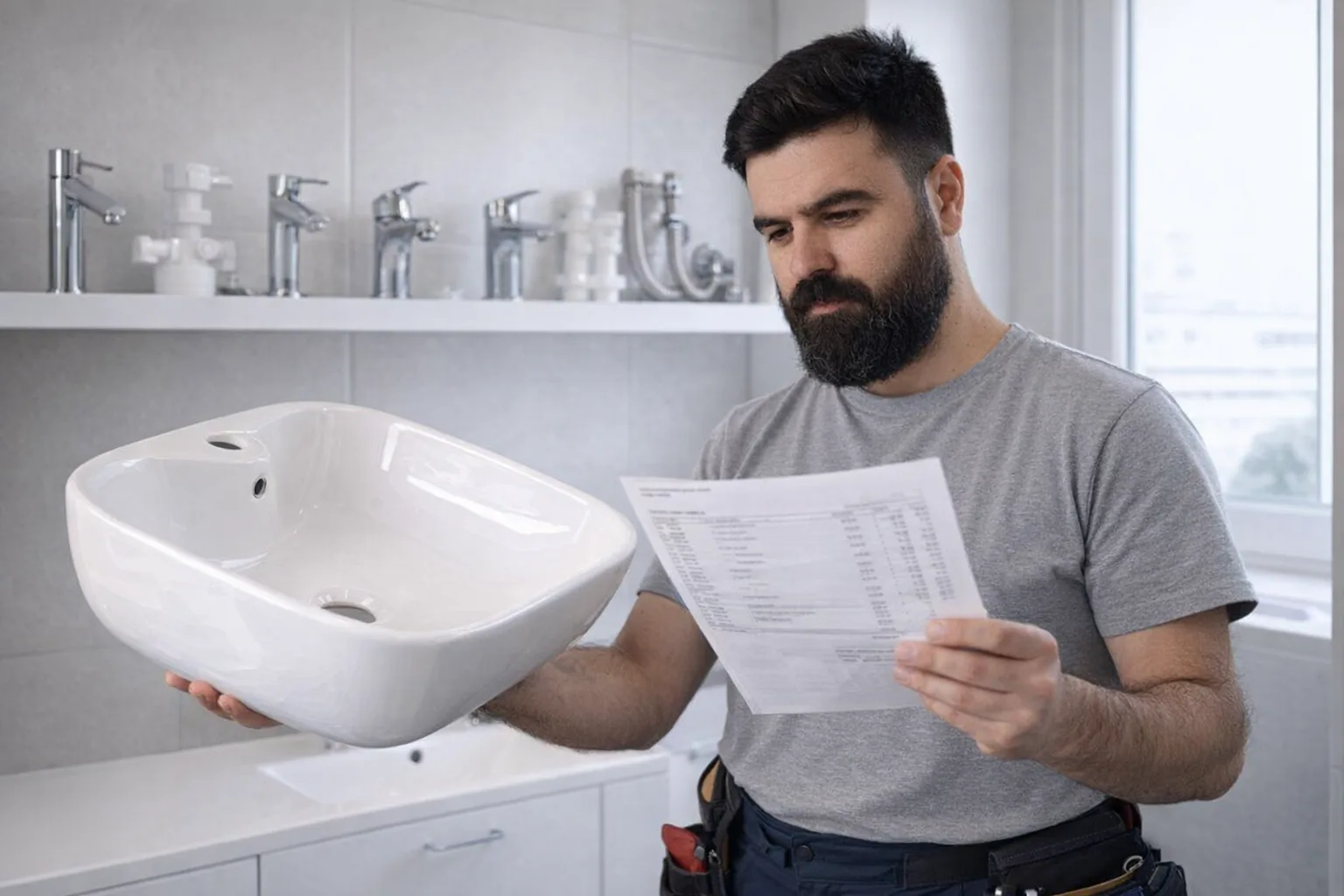
The cost comes down to the basin type, how it is fitted, and the condition of the plumbing. A wall-hung basin on brackets is one kind of job, a pedestal basin is another, and a countertop inset is different again. If the supply hoses are worn out and have to be changed, or the pipe diameter does not fit, that is added separately. The current rates for all bathroom work are listed in the table below. Fixings are part of the price — the basin and mixer tap are provided by the client.
How the replacement works
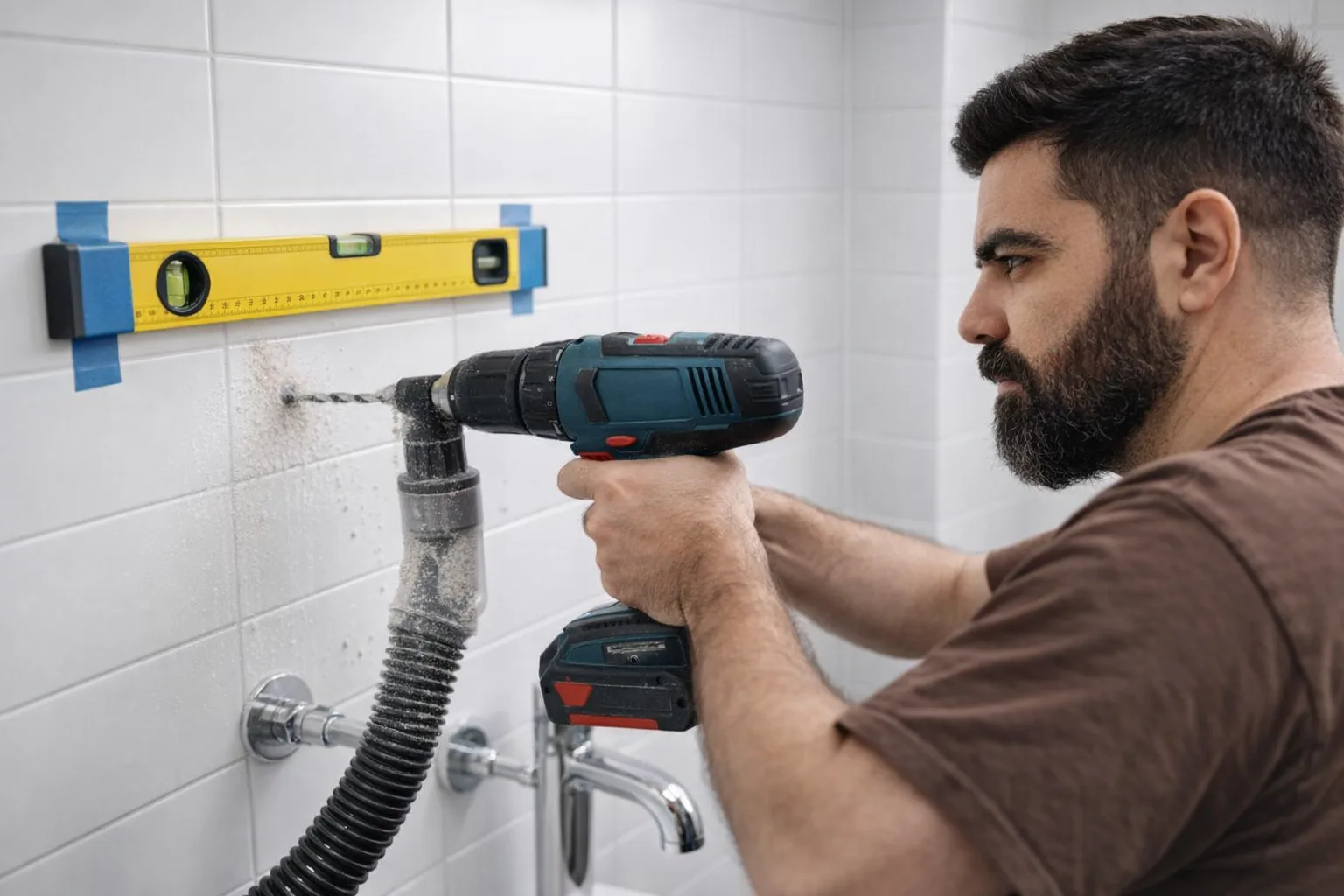
- We turn off the water — using the isolation valves under the basin, or the main riser valve if the local ones do not shut properly. We make sure the water has stopped completely.
- We disconnect the trap and the flexible supply hoses. A bucket goes underneath — there is always some water left sitting in the trap.
- We take the old basin off its brackets or unscrew it from the wall. With pedestal models: first the bowl comes off, then the column.
- We check the wall: the state of the anchors, tiles and pipe outlets. If the new basin’s fixings do not match the old holes, we drill fresh ones.
- We fit new brackets or threaded studs, hang the basin, and level it.
- We connect the mixer tap, flexible hoses and trap. If the hoses are old or too short, we change them.
- We turn the water back on, inspect every connection for leaks, run water through the trap and keep an eye under the basin for a few minutes.
Any job involving water needs care: one badly tightened connection can start dripping an hour later, after the technician is already gone. That is why we inspect every joint twice and leave a dry tissue under the trap — if it stays dry after ten minutes, the seal is sound. If there is any concern about the condition of the valves or pipework, it makes more sense to replace them on the spot than deal with a leak later (compatible with Grohe, Hansgrohe, Geberit and similar).
Common mistakes during washbasin replacement
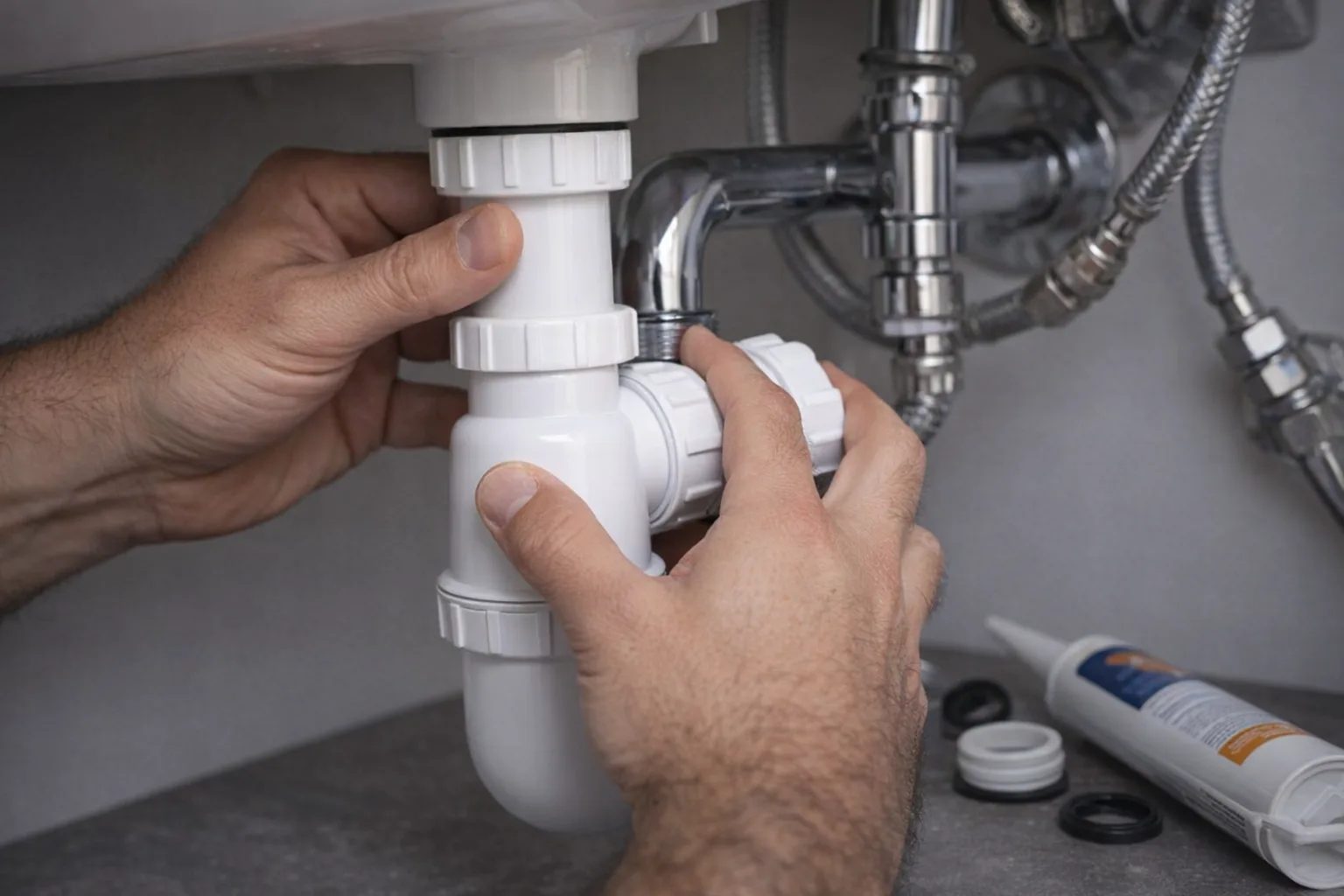
- Not turning the water off fully — the valve seems closed but still lets water through. Once the hose is disconnected, water runs onto the floor.
- Keeping the old flexible hoses — after a year or two they begin to leak, especially when they are more than five years old.
- Buying a basin without checking the spacing between the hot and cold water outlets — the mixer tap cannot reach properly.
- Drilling tiles with an ordinary bit — the tile cracks, and fixing that costs more than the whole replacement.
- Installing a heavy ceramic basin on old anchors — within a month it starts to sag or pull away from the wall.
- Using silicone sealant instead of proper thread tape on screw joints — with hot water, silicone loses flexibility over time.
- Not checking the trap gradient — water remains in the pipe and a smell starts coming back.
What to prepare before the visit
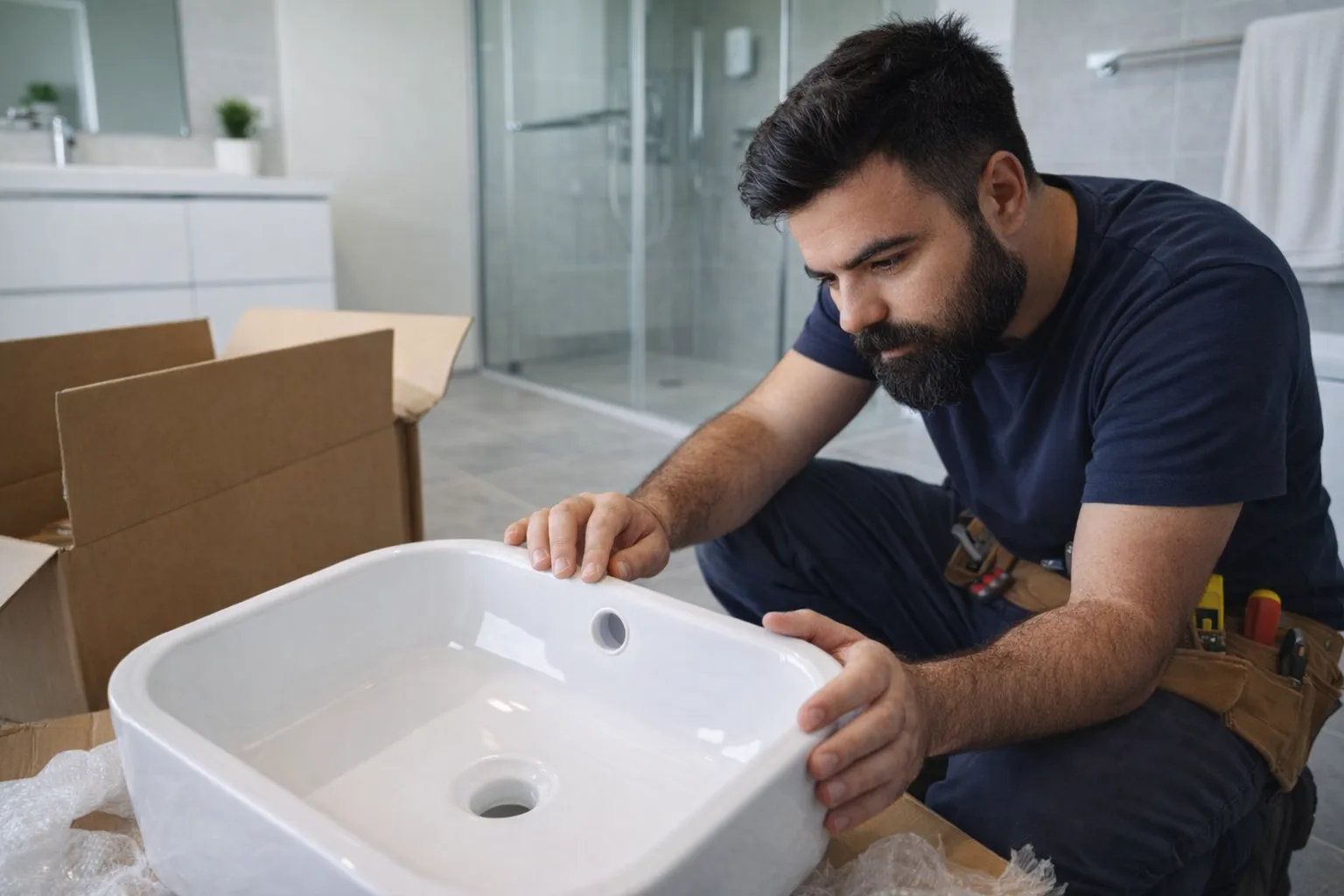
- Buy the new washbasin — first measure the distance between mounting centres and between the water outlets.
- Buy a mixer tap if the old one does not suit the new basin (different hole type or hole count).
- Check whether the isolation valves under the basin are working — if they do not shut fully, tell us in advance.
- Remove everything from under the basin — cleaning products, baskets, the vanity unit if it blocks access.
- Set aside a place in the hallway for the old basin — we will take it off, but carrying it out of the flat is charged separately.
- If you need a specific trap model or a trap with a washing-machine branch, get it beforehand.
- Make sure the new basin actually fits the space — it should not press against the wall, bathtub or furniture.
- If you want to move the basin to a new position (shift it sideways), that is a different job and means relocating pipework.
A real case from Warsaw
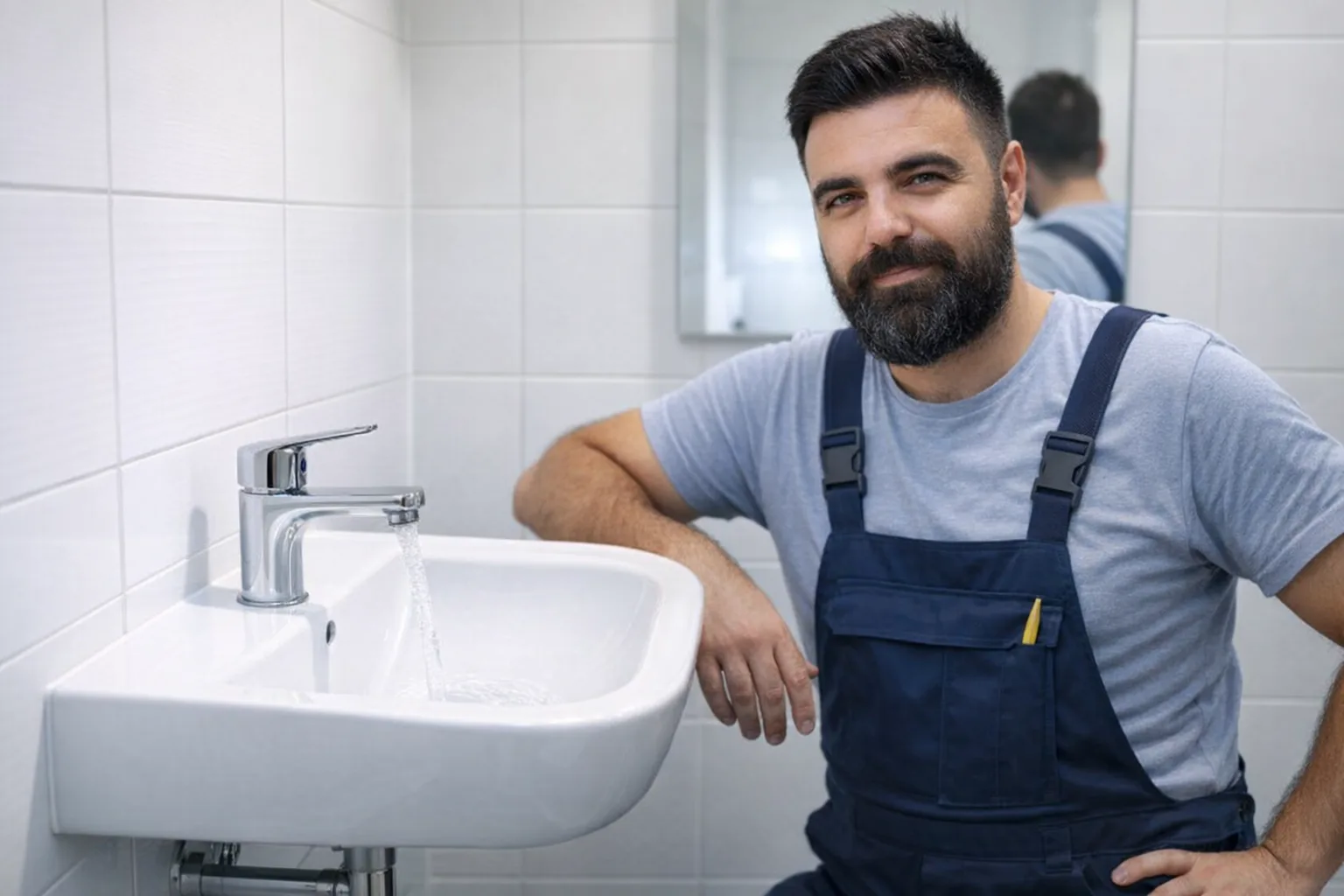
We got a call to a flat in Wola. The owner had bought a new wall-mounted basin, then found out the old brackets were no use — the mounting centres were 7 cm away from where the new fixings had to go. The previous basin had stood on a pedestal, and the brackets behind it were hardly anchored at all. We had to drill fresh holes through the tiles. We used a diamond-tipped bit so the ceramic would not crack. We installed heavy-duty anchors — the new basin weighs 13 kg, and you also have to allow for the downward load when somebody leans on it. We changed both flexible hoses and the trap — the old ones were about six years old and the rubber seals had gone hard. Everything was connected and tested — fully dry. The whole job took a little under an hour. The owner checked again three days later and confirmed there was not a single drop.
Frequently asked questions
Do I have to replace the trap when changing the basin?
No, it is not required, but we do advise it. If the trap is more than three or four years old, the seals are already stiff and may not seal properly once refitted. A new trap is cheap and gives you a leak-free finish.
Can I install a different type of basin in the same spot?
In most cases yes, as long as the water and waste outlets line up. But if you are changing from a pedestal to a wall-mounted model, new anchors will be needed. If you are switching to a vanity-mounted basin, we need to check that the vanity unit fits the available space.
Do you need to shut off water to the whole flat?
No, not if there are working isolation valves under the basin. If there are no valves, or they do not hold, we shut off the riser. It only takes a couple of minutes and we tell you beforehand.
What if there are no tiles behind the old basin?
That happens — the tiles were never installed because the pedestal covered the wall. A new wall-mounted basin may leave that area exposed. In that case, either you add tiles or choose a larger basin that hides the gap.
How long does a replacement take?
A simple swap takes from forty minutes to an hour and a half. If we need to drill new holes, replace hoses, or sort out the valves, it can stretch to two hours.
Can you supply the washbasin?
No — the client buys the basin. We can advise on the dimensions and mounting type, so you get one that fits properly.
Book your washbasin replacement
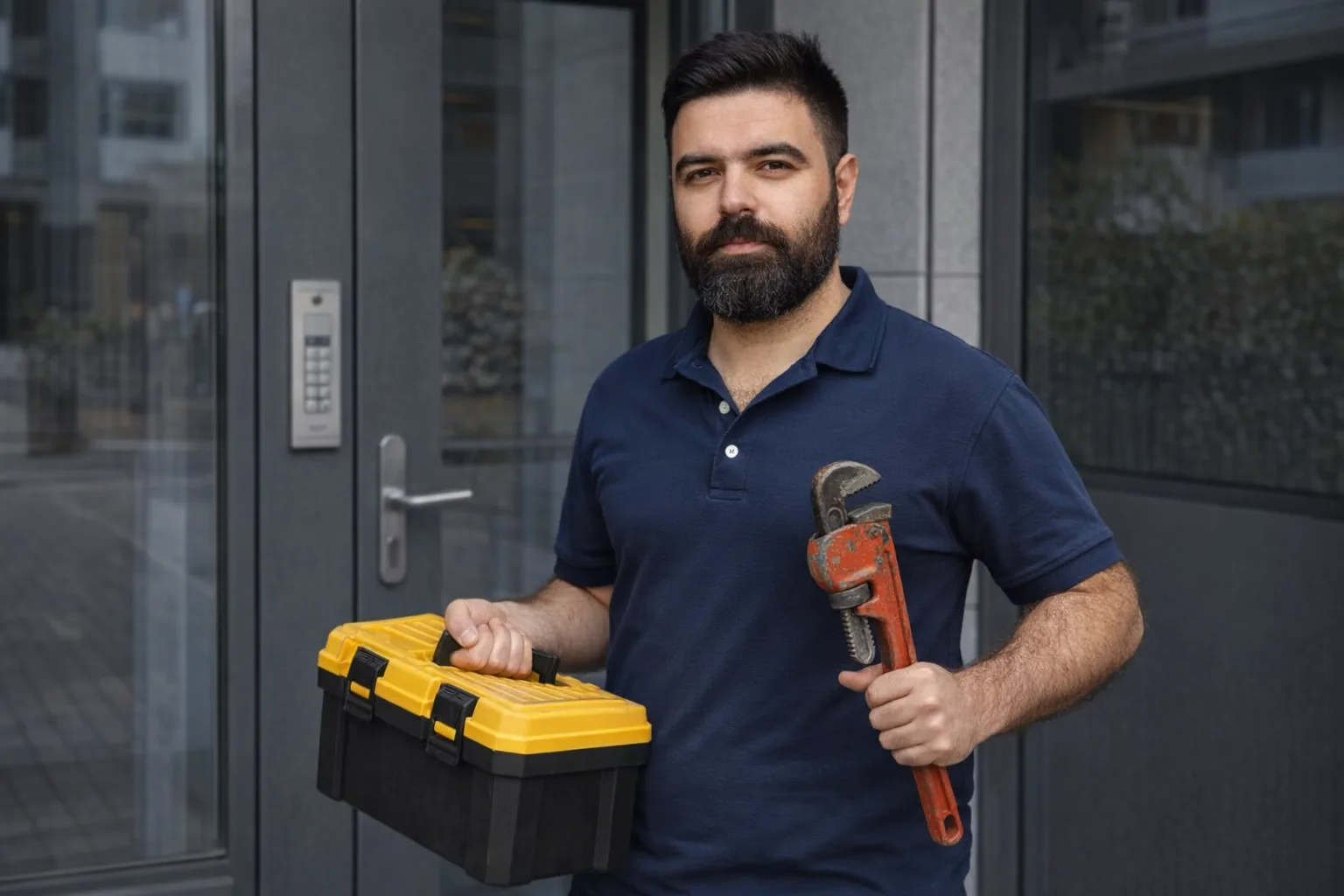
We cover all of Warsaw. We come with tools, fixings, sealing materials and a full set of spanners. We take out the old basin, fit the new one, connect the water supply and check every joint for leaks. Clean work, efficient, no messing about. Contact us and we will set up a convenient time.