
The rule that holds most often
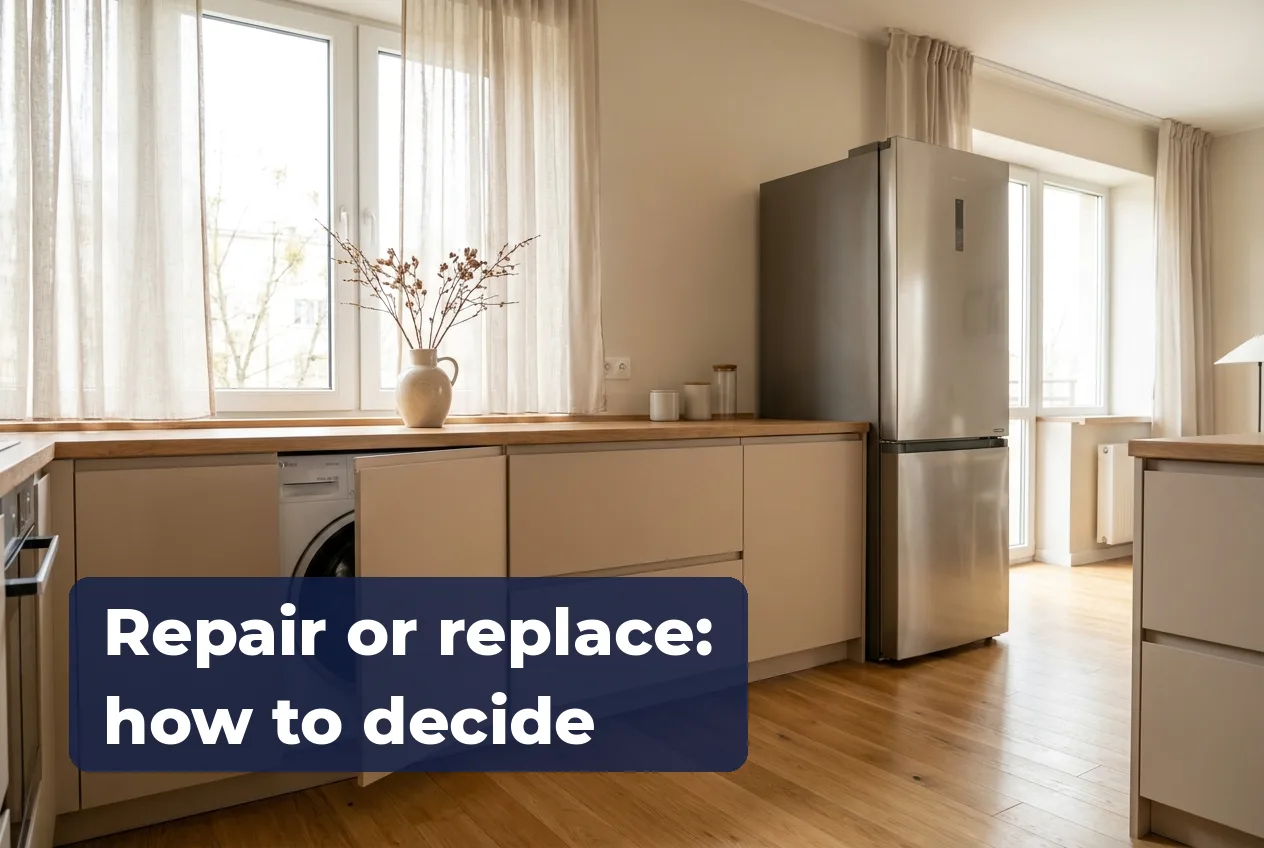
If the repair comes to more than half the price of the same machine new, repairing does not pay. The second condition is softer: the machine is over eight years old, the age at which a first fault is usually followed by a second.
Both at once and you replace. One of the two and you do the sums. Neither and you repair, which is almost always cheaper and faster.
What is cheap to fix and what is not
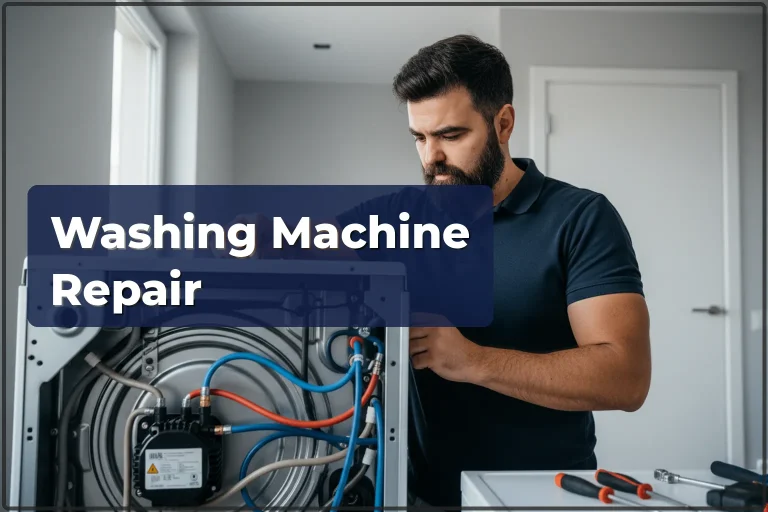
- Cheap and quick: pump, motor brushes, heating element, level sensor, drum shock absorbers, hoses and filters.
- Middling: the electronic module, if it can be repaired rather than swapped whole.
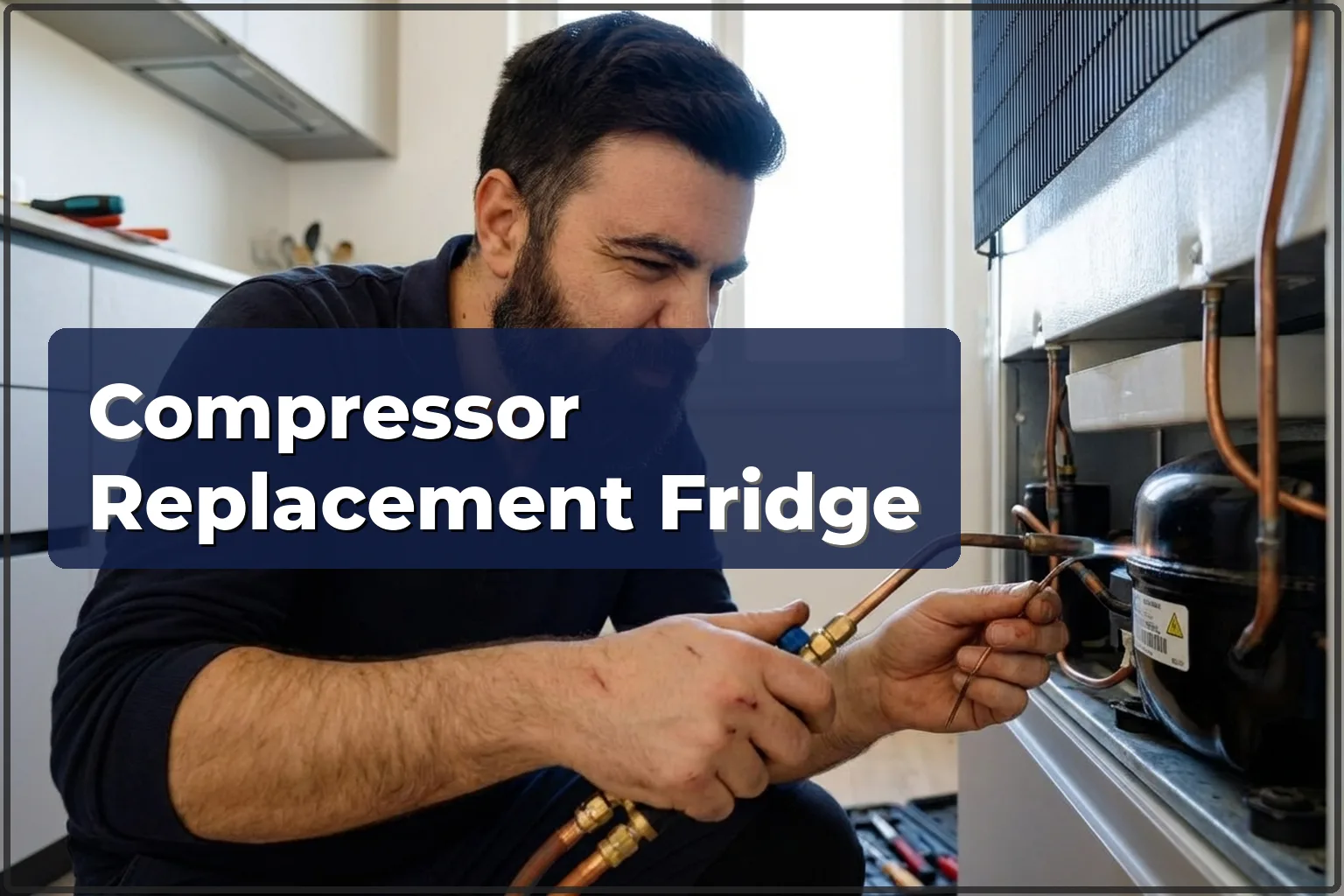
- Expensive: drum bearing in a washer with a sealed tub, fridge compressor, inverter motor.
- Almost always against repair: a corroded tub, a cracked casing, water inside the module.
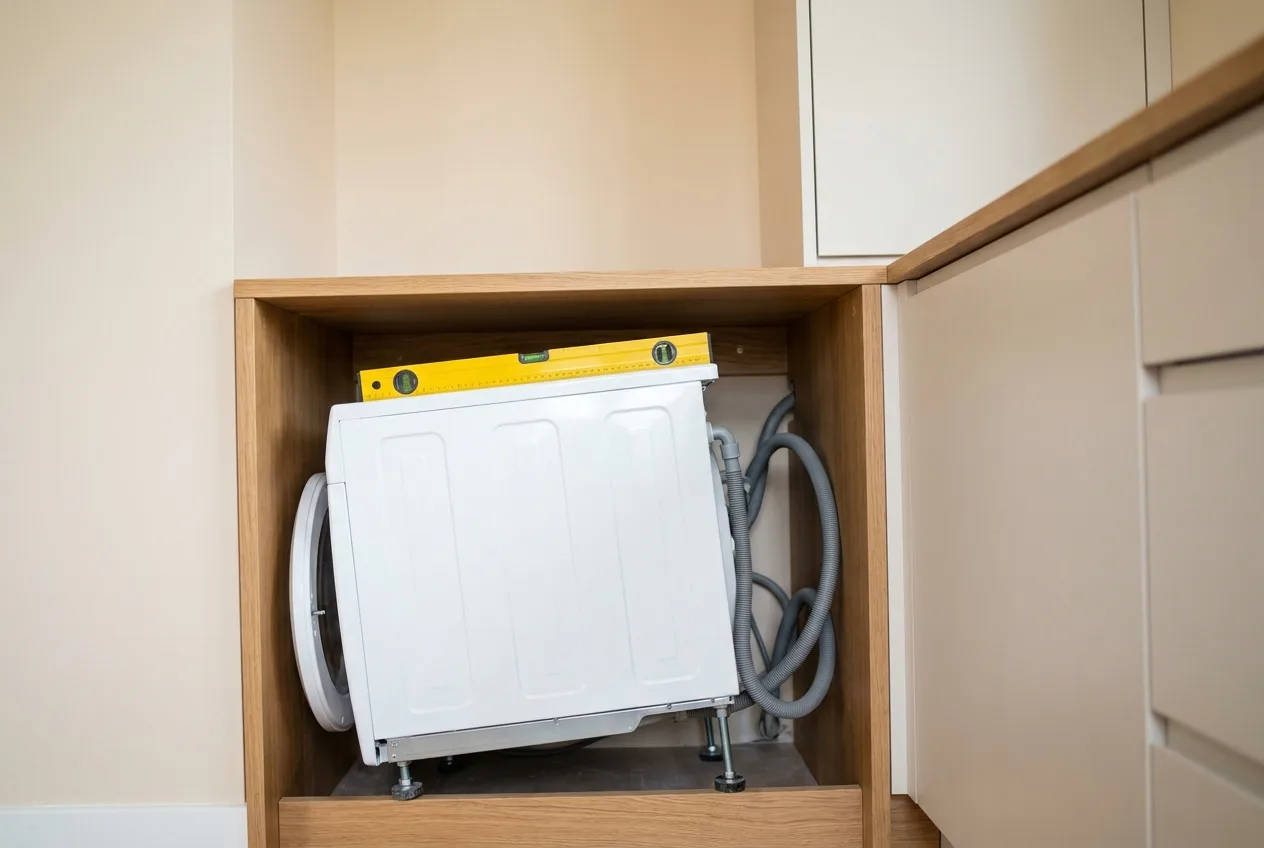
The bearing is its own case. The part itself costs little, but many newer washers have a tub that does not come apart: it is replaced as one unit, and the price of that unit approaches half the cost of a new machine.
What it costs to connect the new one
If the answer is replace, the connection is what remains. It is separate work, and here are live ranges from the price list:
| Service | Price |
|---|---|
| Washing machine connection | 150–250 zł |
| Dishwasher connection | 150–250 zł |
| Refrigerator connection | 120–200 zł |
| Induction stove connection | 250–400 zł |
| Dryer connection | 150–250 zł |
Ranges for a typical scope. Fixings included, materials separate. Minimum order 300 zł.
The ranges cover a typical case. The exact amount comes on site: built-in appliances are counted differently from freestanding ones. The minimum order is 300 zł, fixings are included in the work, materials and taking the old machine away are paid separately.
What to check before calling anyone
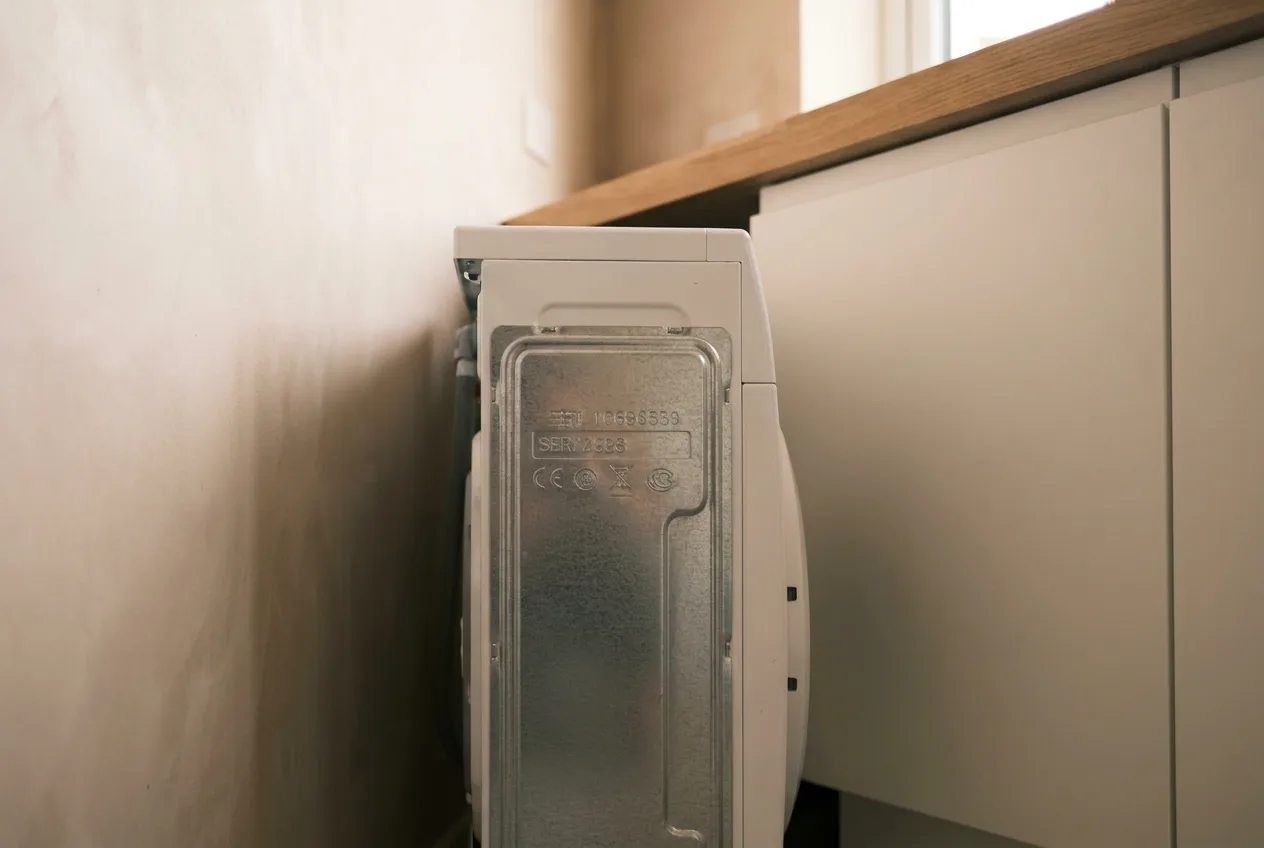
- Age. The year of manufacture is on the plate at the back or on the edge of the door.
- The noise on the spin. A steady low rumble points to the bearing; knocking with impacts points to the shock absorbers or the counterweight.
- Water on the floor. Look at where it comes from: under the door, from the hose, or from under the base. That decides whether this is small money or not.
- The error code on the display. Write it down: half the diagnosis comes from it.
- A dishwasher that does not dry. Often this is not a fault at all, but empty rinse aid or a programme without a drying phase.
Where people usually get it wrong
- Replacing a machine because of a blockage. A clogged pump filter looks exactly like a dead pump and cleans out in ten minutes.
- Buying a new unit for the old recess without measuring. Built-in sizes differ by centimetres and the cabinet has to be reworked.
- Standing the machine on an uneven floor, then complaining about vibration. Levelling the feet is part of the connection.
- Plumbing the drain into a shared trap with no non-return valve. Water from the sink comes back into the machine.
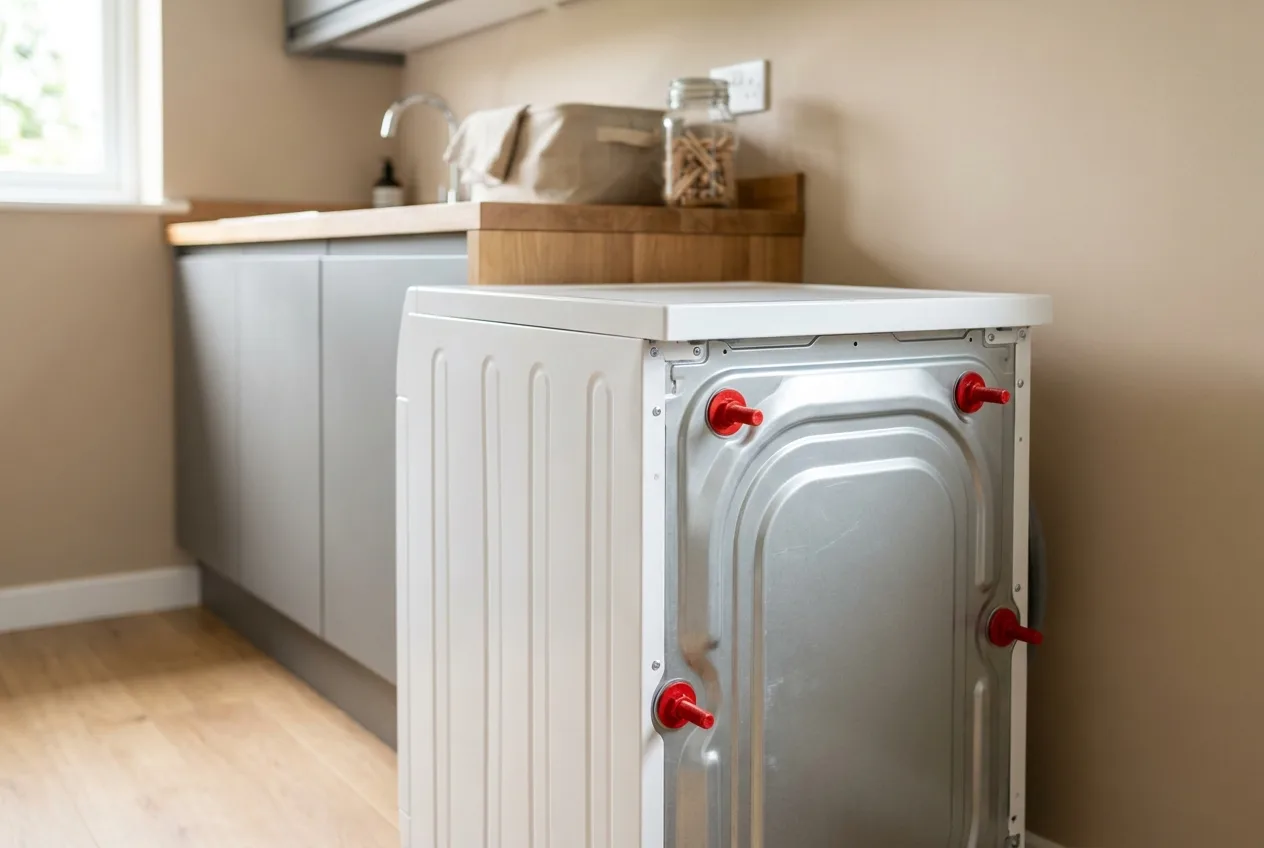
- Forgetting to remove the transit bolts. A new machine will not survive a month with them in.
A case from practice
Mokotów, a nine-year-old washing machine, rumbling on the spin. The owner was sure it was the bearing and had already picked out a replacement. On inspection the noise was not the tub at all: a piece of fabric sat in the pump, and the knocking came from a counterweight with a loose bolt.
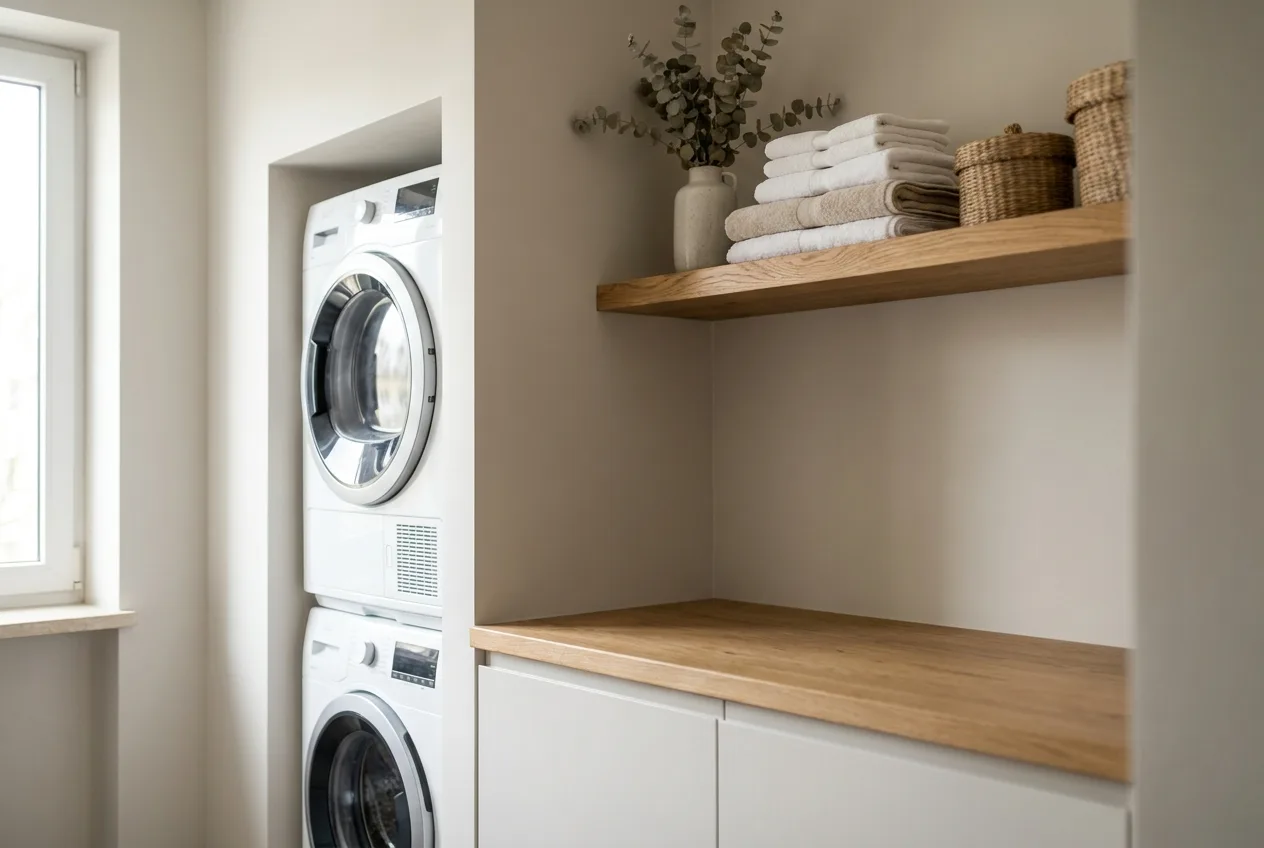
The bolt was tightened, the filter cleared, the noise went. The machine ran another two years. Had the decision been made over the phone, half an hour of work would have become a new appliance.
Common questions
How long does a washing machine last?
Under normal load in a household of three, usually seven to ten years. After that faults come more often, and each one makes repair less worthwhile.
Is it worth repairing an appliance over ten years old?
It is, if the fault is small and the part is cheap. Putting half the cost of a new machine into a ten-year-old one almost never pays back.
Can I connect a machine myself?
A freestanding one, yes, if the water outlet, drain and socket are there. Built-in is harder: it has to be levelled into the recess and the front panel aligned, and a mistake there shows immediately.
Who takes the old appliance away?
Carrying it out and disposal are counted separately from the connection. Mention it in advance so the tradesperson allows time for the stairs.
How this works here
Handyman24 puts you in touch with a tradesperson who works for themselves. Describe what happened, add a photo of the rating plate and the error code, and they will tell you whether repair makes sense and name the amount before starting. They answer for the quality of their own work and put their own mistakes right. For the state of the appliance and somebody else’s earlier repair, they do not.