579 328 023

Shower Tray Installation in Warsaw — Mounting and Drain Connection

Shower Tray Installation in Warsaw — Mounting and Drain Connection

A shower tray looks straightforward, but fitting one badly — with poor levelling or a sluggish drain — means a puddle on your neighbour’s ceiling within a month. In renovated flats on Mokotow, new builds in Wilanow, older blocks on Praga — the task is always the same: the tray must sit level, the drain must flow freely, and the joint with the wall must be watertight. If you have bought a tray and would rather not risk a DIY install, call a professional. We do this regularly and know exactly where problems usually start.

How much does installation cost

The price depends on the tray material (acrylic, ceramic, enamelled steel), the mounting method (factory frame, adjustable legs, brick plinth) and how complex the drain connection is. Low-profile trays with barely any clearance underneath are a separate matter — they often require chasing the screed to fit the trap. Current prices for all bathroom work are in the table below. Fixings and sealant are included; the tray and trap are supplied by the client.

Serviceminmax
Washbasin installation 200 zł300 zł
Washbasin replacement 150 zł250 zł
Vanity unit with basin installation 250 zł450 zł
Basin mixer tap installation 150 zł250 zł
Basin mixer tap replacement 180 zł300 zł
Floor-standing toilet installation 200 zł350 zł
Floor-standing toilet replacement 250 zł400 zł
Wall-hung toilet installation (frame) 350 zł600 zł
Toilet frame replacement 600 zł1200 zł
Bathtub installation 700 zł1000 zł
Bathtub replacement 900 zł1400 zł
Shower cabin installation 900 zł1200 zł
Shower tray installation 500 zł800 zł
Shower tray replacement 600 zł1000 zł
Linear drain installation 800 zł1500 zł
Shower cabin / bathtub sealing 35 zł/mb60 zł/mb
Towel radiator installation 250 zł450 zł
Towel radiator replacement 350 zł700 zł
Drain cleaning 150 zł300 zł
Trap replacement 120 zł220 zł

How the installation works

  1. Site inspection: we check the drain outlet position, floor gradient and distance to the waste stack. We confirm whether there is enough clearance beneath the tray for the trap.
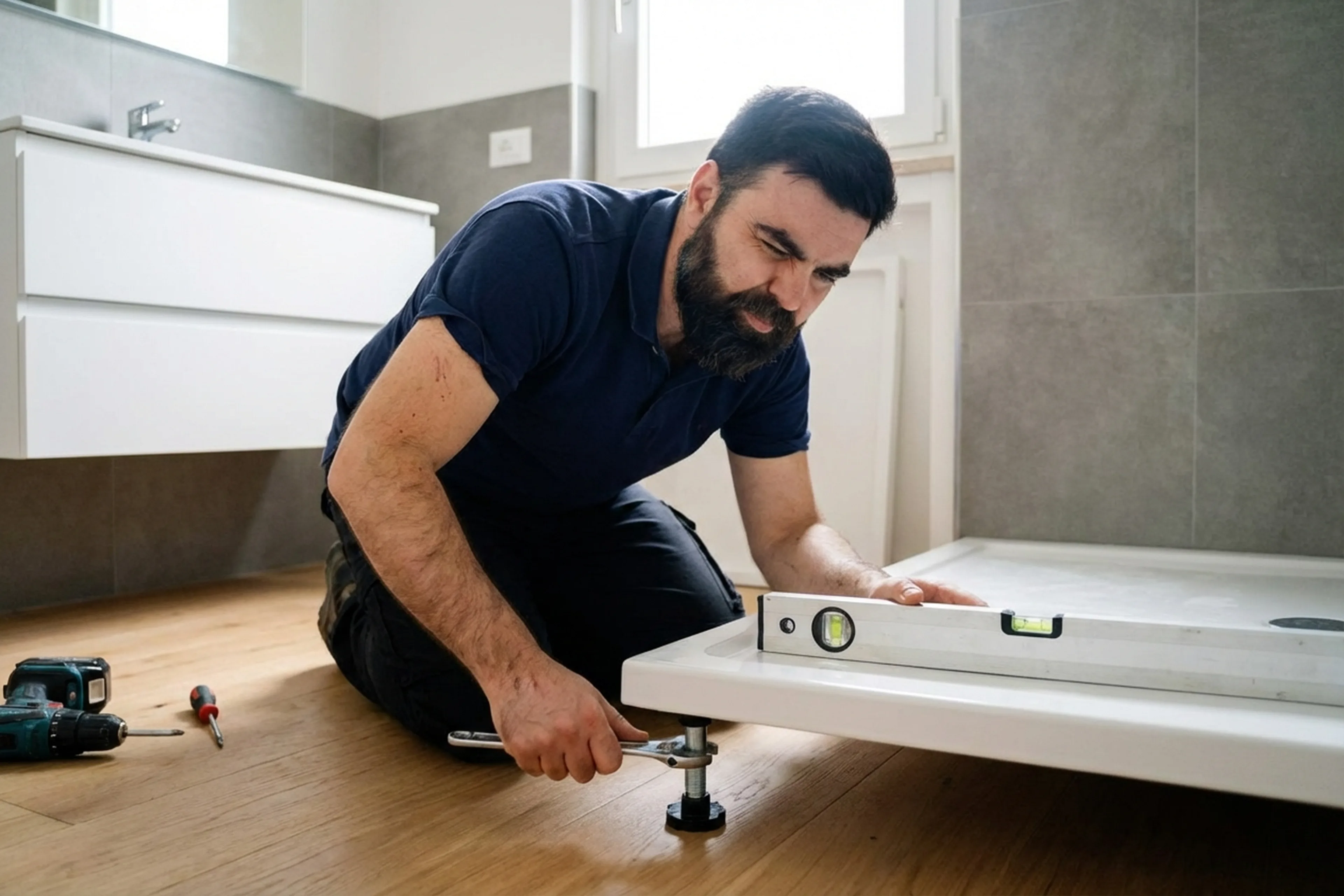
  2. Assembling the frame or legs: if the tray comes with a frame we assemble it per the manufacturer’s instructions and level it. If a brick plinth is needed we lay the base and let it set.
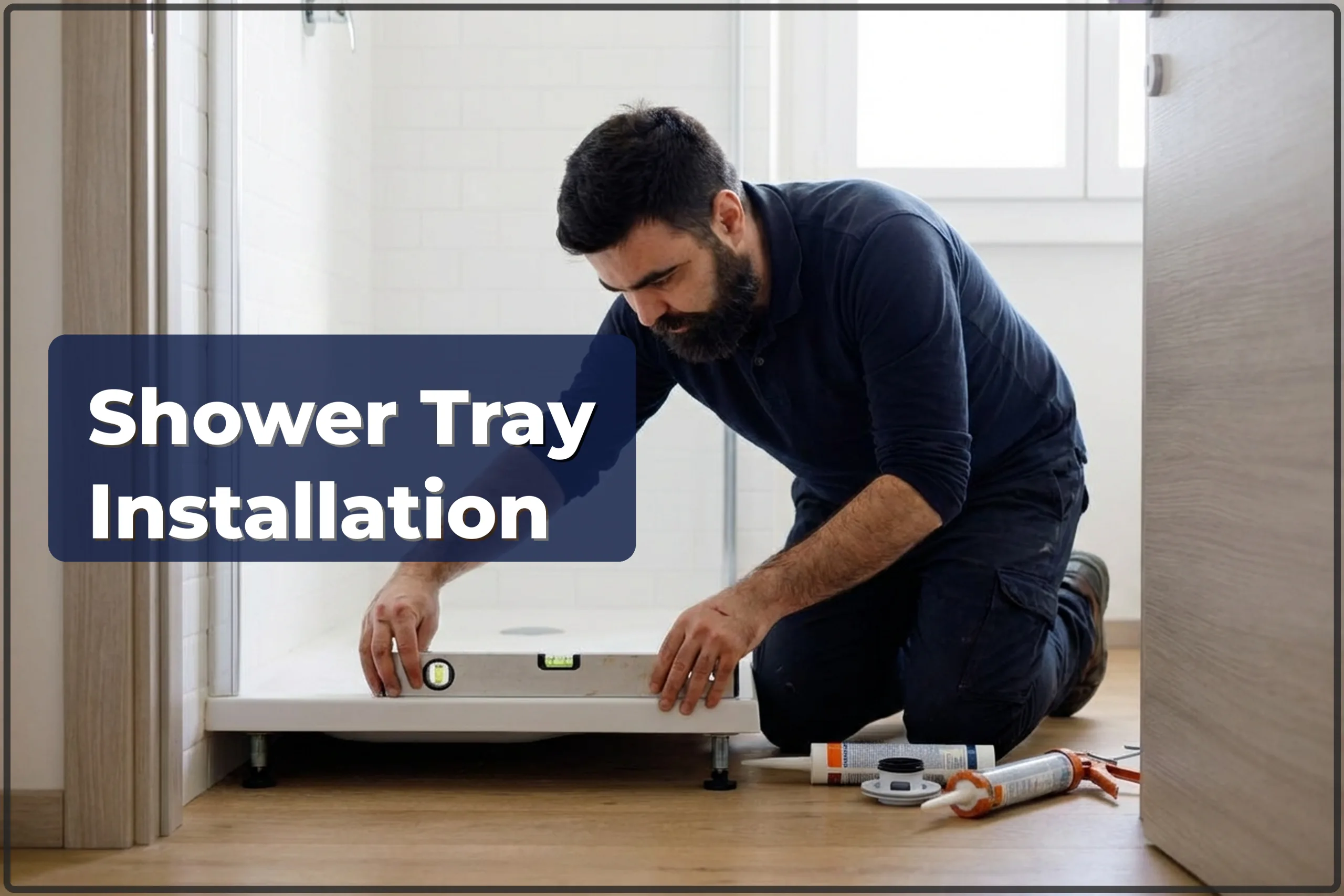
  3. Dry fit: the tray goes into position without sealant so we can verify the level and align the waste outlet with the drain pipe.
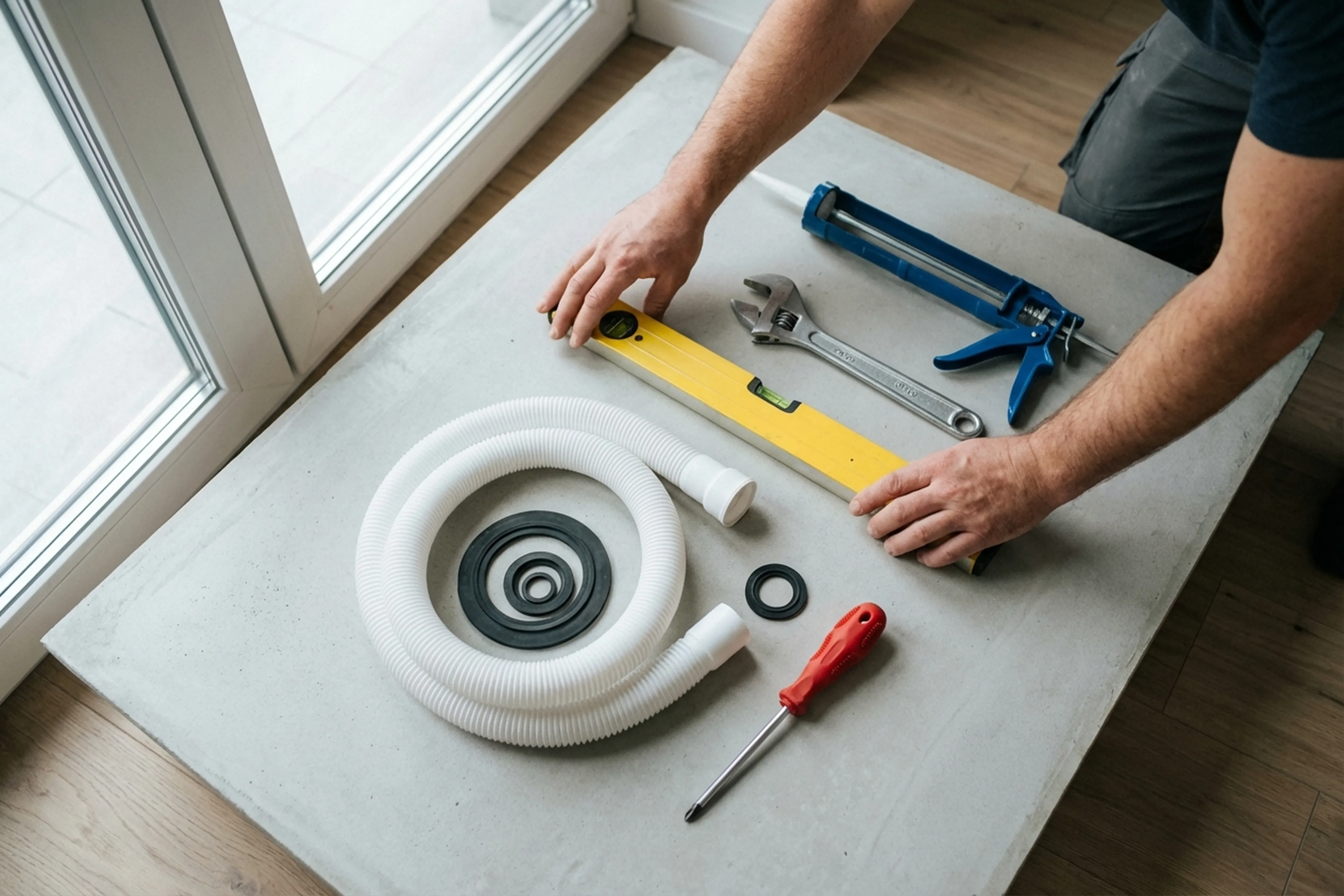
  4. Trap connection: we fit the trap and connect it to the drain with a flexible or rigid pipe. We check the gradient — at least 2 cm per metre.
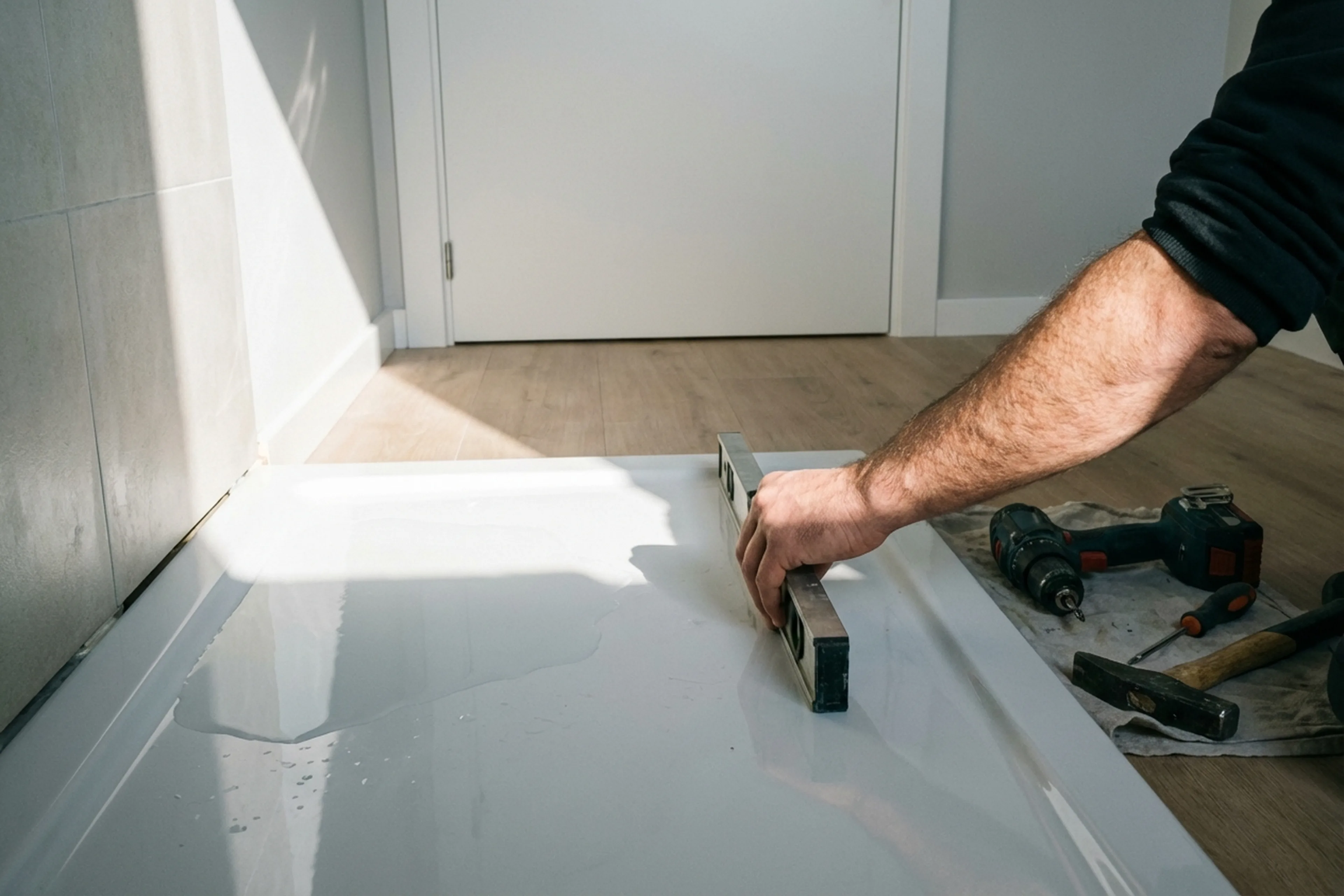
  5. Flow test: we fill the tray with water, watch it drain and inspect every joint for leaks.
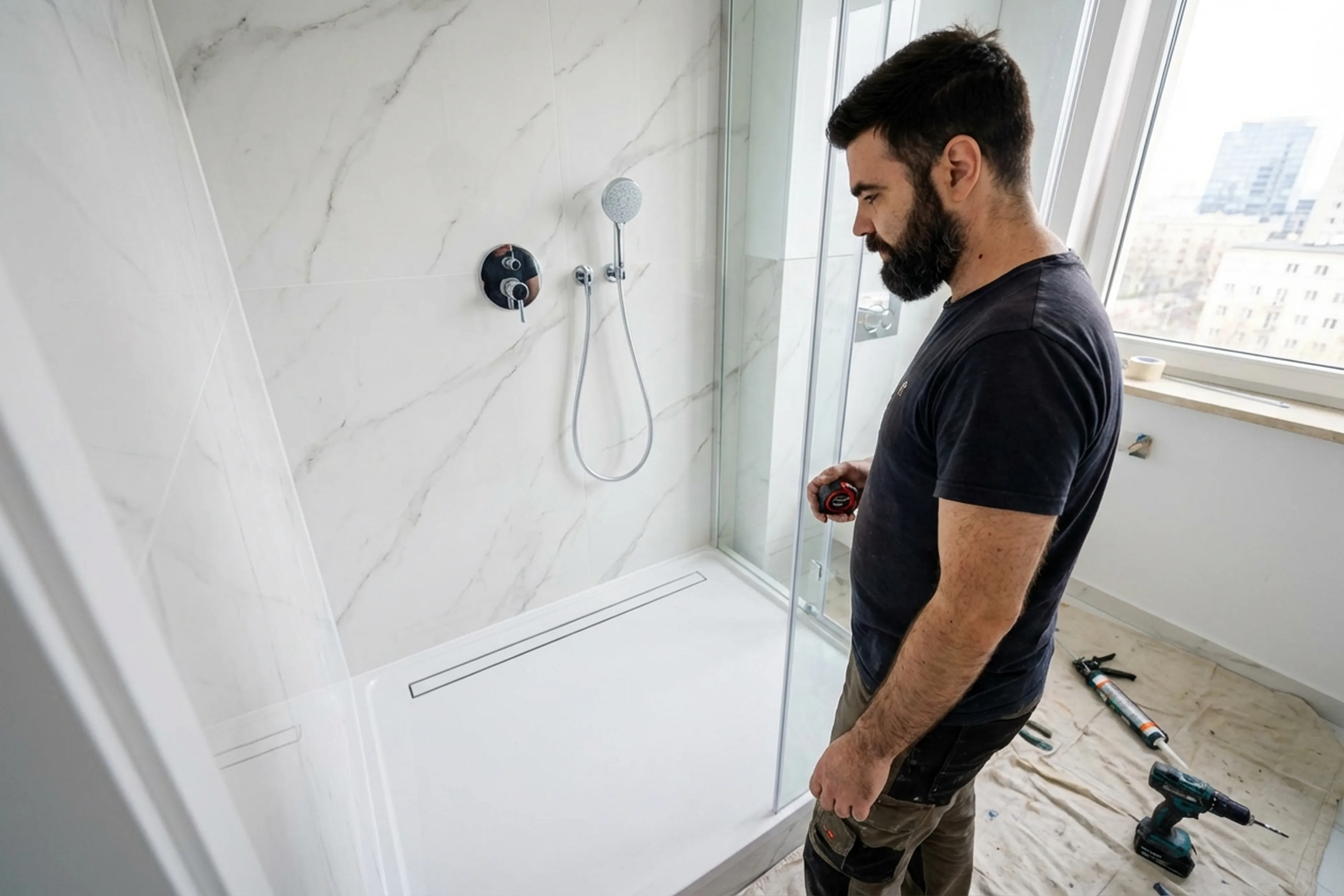
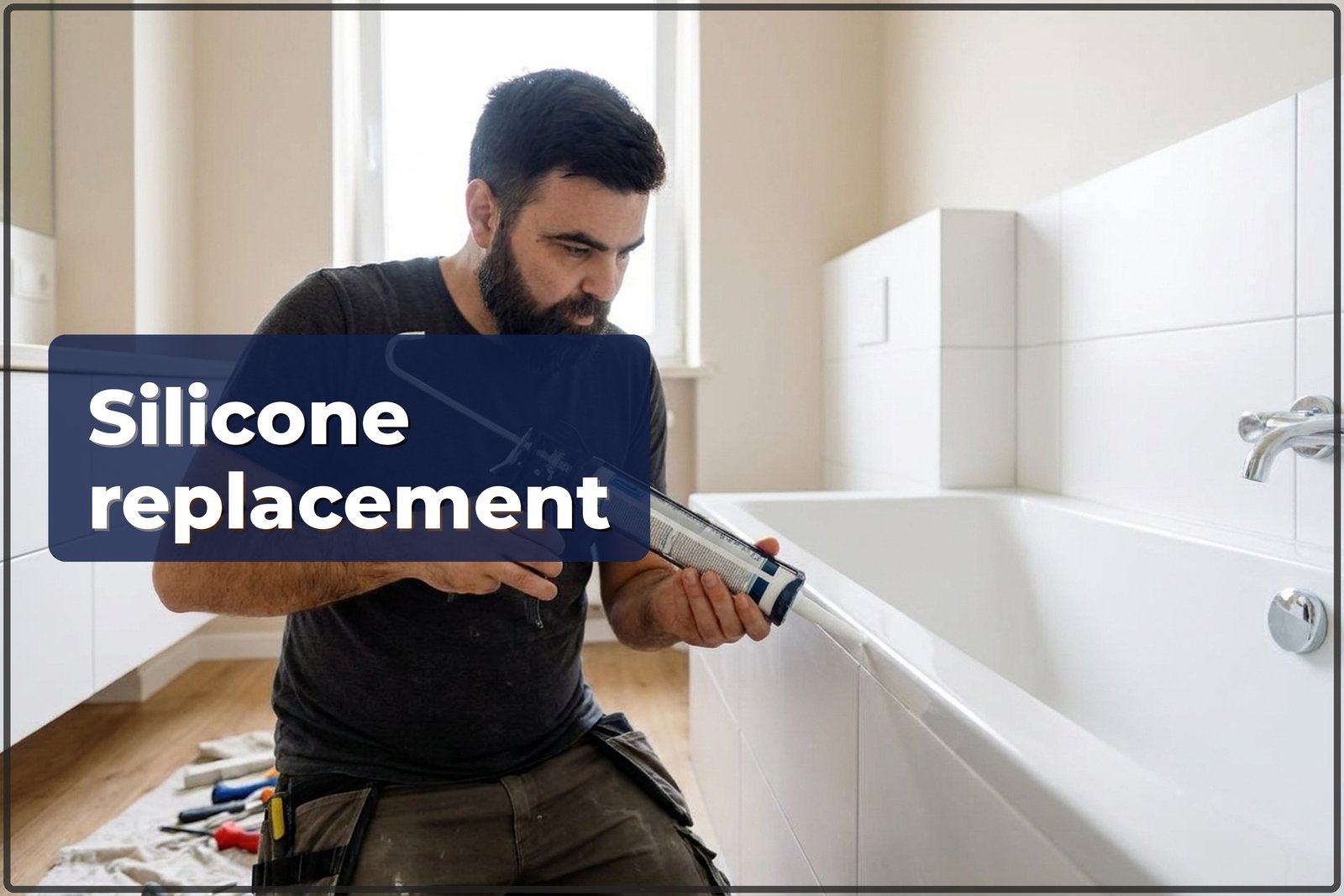
  6. Sealing the wall joint: we apply sanitary silicone around the full perimeter where the tray meets the wall. If tiles are already in place we fill the gap neatly.
  7. Fitting the apron panel (if supplied): we attach the decorative panel and make sure the trap remains accessible for maintenance.

Common mistakes

  • Not checking the drain pipe gradient — water drains slowly, debris collects in the trap and the bathroom starts to smell.
  • Setting the tray without using a spirit level — water pools in one corner instead of flowing to the outlet.
  • Using general-purpose silicone instead of sanitary grade — it turns black and grows mould within months.
  • Sealing the apron permanently with no access to the trap — when a blockage occurs the panel has to be broken open.
  • Supporting the entire tray on expanding foam — the foam swells unevenly, the tray tilts and the base flexes under weight.
  • Skipping the leak test before sealing — the leak is discovered only after everything is finished.
  • Connecting the drain without a trap that has a water seal — sewer odour comes straight into the bathroom.

Important: any work involving water supply and drainage requires care. A faulty connection can cause leaks and flood the flat below. If you are not confident in your plumbing skills, it is better to call a professional.

What to prepare before the visit
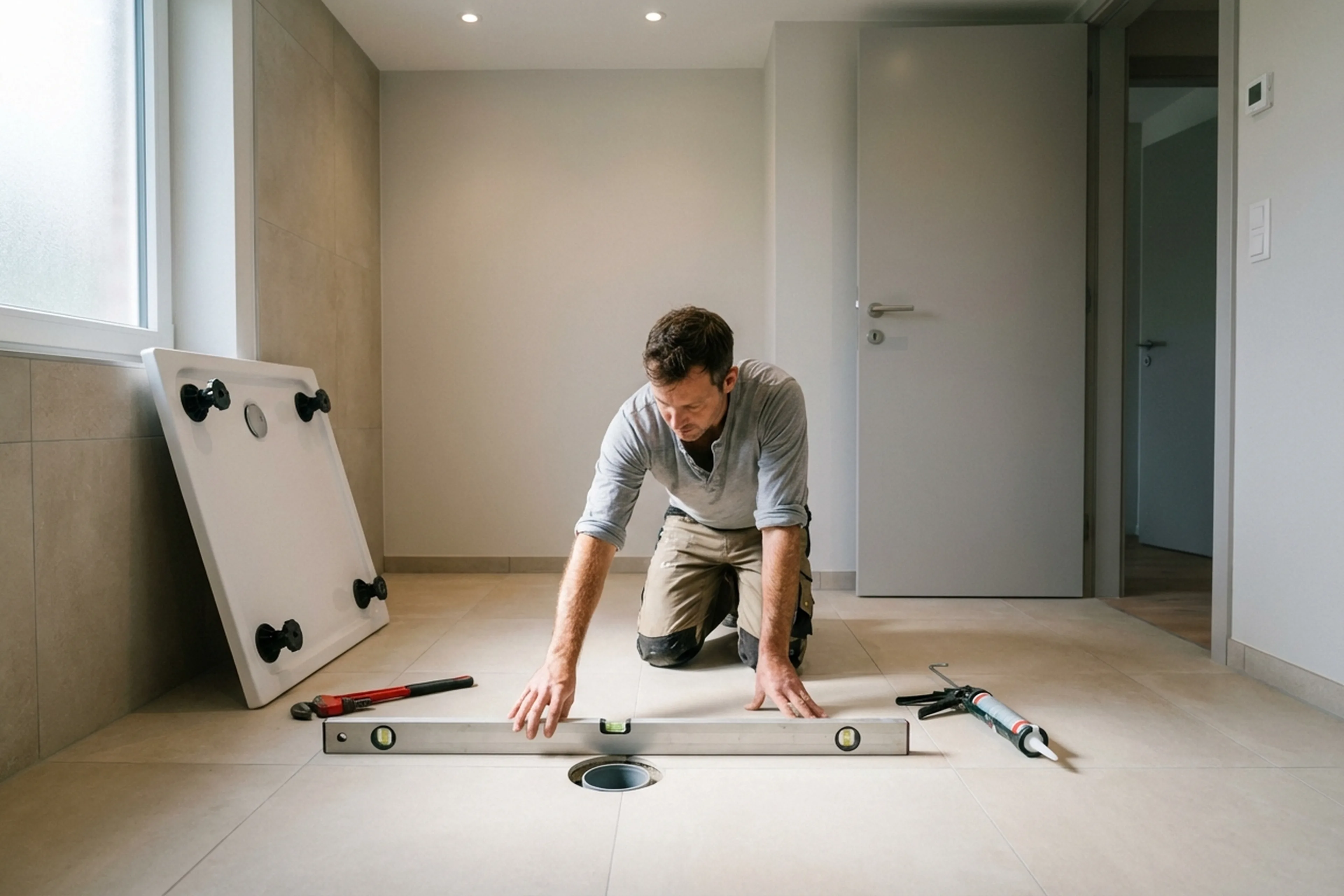
  • Buy the tray and trap — make sure the waste hole diameter matches (usually 60 or 90 mm).
  • Check whether the frame and legs are included or need to be purchased separately.
  • Confirm that the drain outlet is in the right place and has not been concreted over.
  • Clear the bathroom of furniture and belongings — the technician needs space to work.
  • If an old tray or bathtub is still in place, let us know — removal is quoted separately.
  • Ensure access to the waste stack and shut-off valves in case the water needs to be turned off.
  • Find out whether the walls around the tray are already tiled — this affects the work sequence.
  • For low-profile trays (rim under 5 cm), check the screed depth — chasing may be required.

A real case from Warsaw

We were called to a flat on Mokotow. The owners had bought a low-profile 90 x 90 acrylic tray and wanted it installed where an old cast-iron bathtub used to stand. The problem was that the drain outlet had been set for the bathtub — too high for a slim trap. We had to chase the screed, lower the pipe by 4 cm and reroute the connection. The tray went onto its factory frame, was levelled precisely and connected to a trap with a proper water seal. We filled it with water — it drained in seconds, every joint was dry. The wall joint was sealed with sanitary silicone. The whole job took about three hours, including the drain rework. A week later the owners confirmed that everything was working perfectly.

Frequently asked questions

Can a tray be set on a brick plinth?
Yes. It is a solid option for heavy ceramic trays or when the drain needs extra fall. The brickwork should cure for at least 24 hours before the tray is placed on top.

Which trap do I need?
It depends on the clearance beneath the tray. For low-profile trays a slim trap 6–8 cm high works best. For trays on legs a standard bottle trap is fine. The key feature is a water seal — without it, sewer gas enters the room.

The tray base flexes when I stand on it — is that normal?
No. If the base bows, the frame is assembled incorrectly or there are not enough support points. An extra brick or aerated-concrete block under the centre usually solves it.

Do I need tiles under the tray?
Not necessarily, but the screed must be flat and waterproofed. Tiles underneath provide an extra layer of protection in case of a leak.

Can I install the tray myself?
Technically yes, but mistakes with drain connections and sealing are expensive. A leak into the flat below means paying for your neighbour’s repairs. If in doubt, call a professional.

How long does installation take?
A standard frame-mounted install with drain connection takes 1.5–2 hours. If screed chasing or drain rerouting is needed, allow 3–4 hours.

Book the installation
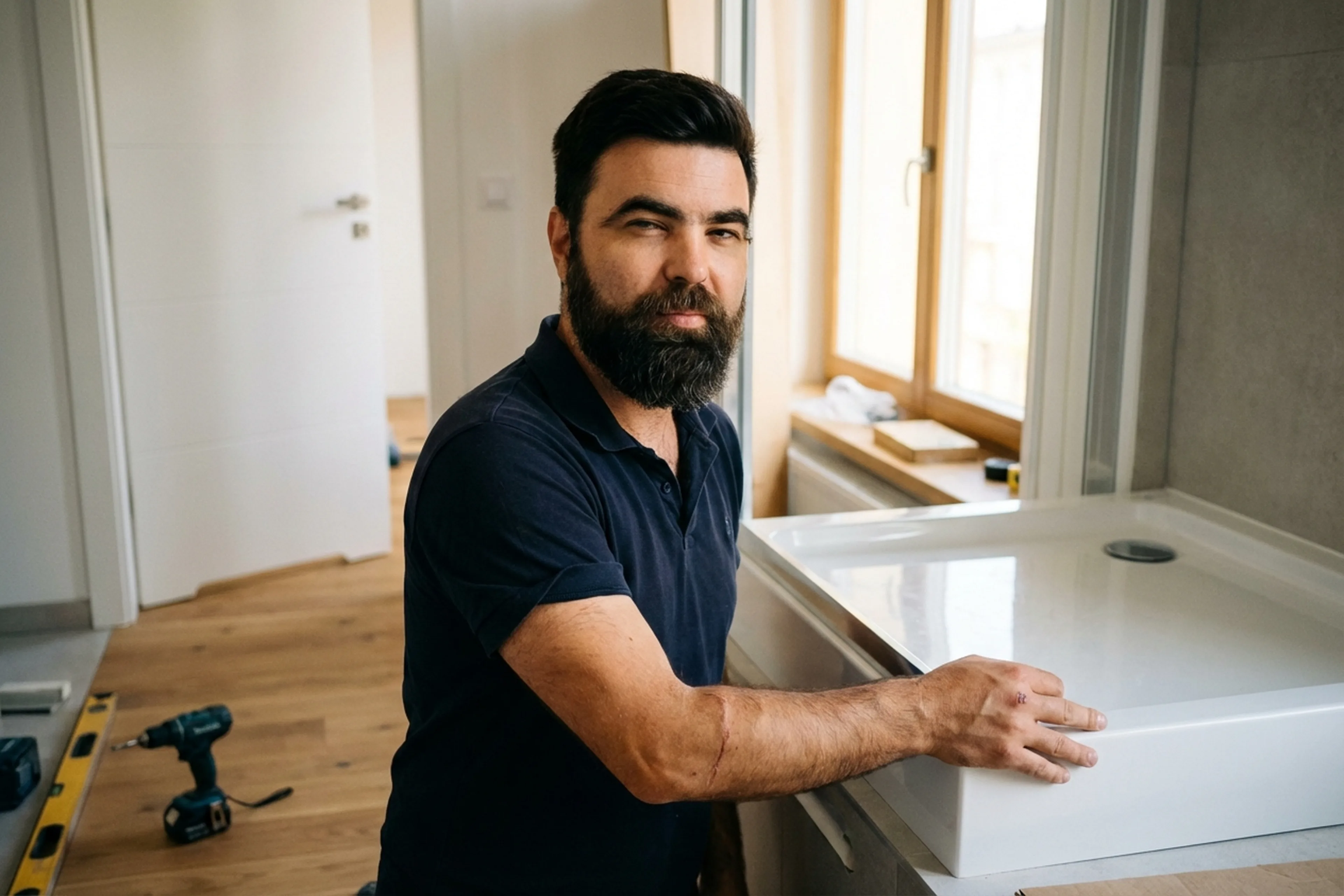
We install shower trays across Warsaw — acrylic, steel and ceramic, any size and shape. We arrive with tools, fixings and sealant. We test the drain before closing up access. Get in touch and we will arrange a convenient date and time.

Reviews from our clients

Shower Tray Installation in Warsaw — Mounting and Drain Connection

Shower Tray Installation in Warsaw — Mounting and Drain Connection

A shower tray looks straightforward, but fitting one badly — with poor levelling or a sluggish drain — means a puddle on your neighbour’s ceiling within a month. In renovated flats on Mokotow, new builds in Wilanow, older blocks on Praga — the task is always the same: the tray must sit level, the drain must flow freely, and the joint with the wall must be watertight. If you have bought a tray and would rather not risk a DIY install, call a professional. We do this regularly and know exactly where problems usually start.

How much does installation cost

The price depends on the tray material (acrylic, ceramic, enamelled steel), the mounting method (factory frame, adjustable legs, brick plinth) and how complex the drain connection is. Low-profile trays with barely any clearance underneath are a separate matter — they often require chasing the screed to fit the trap. Current prices for all bathroom work are in the table below. Fixings and sealant are included; the tray and trap are supplied by the client.

Serviceminmax
Washbasin installation 200 zł300 zł
Washbasin replacement 150 zł250 zł
Vanity unit with basin installation 250 zł450 zł
Basin mixer tap installation 150 zł250 zł
Basin mixer tap replacement 180 zł300 zł
Floor-standing toilet installation 200 zł350 zł
Floor-standing toilet replacement 250 zł400 zł
Wall-hung toilet installation (frame) 350 zł600 zł
Toilet frame replacement 600 zł1200 zł
Bathtub installation 700 zł1000 zł
Bathtub replacement 900 zł1400 zł
Shower cabin installation 900 zł1200 zł
Shower tray installation 500 zł800 zł
Shower tray replacement 600 zł1000 zł
Linear drain installation 800 zł1500 zł
Shower cabin / bathtub sealing 35 zł/mb60 zł/mb
Towel radiator installation 250 zł450 zł
Towel radiator replacement 350 zł700 zł
Drain cleaning 150 zł300 zł
Trap replacement 120 zł220 zł

How the installation works

  1. Site inspection: we check the drain outlet position, floor gradient and distance to the waste stack. We confirm whether there is enough clearance beneath the tray for the trap.
  2. Assembling the frame or legs: if the tray comes with a frame we assemble it per the manufacturer’s instructions and level it. If a brick plinth is needed we lay the base and let it set.
  3. Dry fit: the tray goes into position without sealant so we can verify the level and align the waste outlet with the drain pipe.
  4. Trap connection: we fit the trap and connect it to the drain with a flexible or rigid pipe. We check the gradient — at least 2 cm per metre.
  5. Flow test: we fill the tray with water, watch it drain and inspect every joint for leaks.
  6. Sealing the wall joint: we apply sanitary silicone around the full perimeter where the tray meets the wall. If tiles are already in place we fill the gap neatly.
  7. Fitting the apron panel (if supplied): we attach the decorative panel and make sure the trap remains accessible for maintenance.

Common mistakes

  • Not checking the drain pipe gradient — water drains slowly, debris collects in the trap and the bathroom starts to smell.
  • Setting the tray without using a spirit level — water pools in one corner instead of flowing to the outlet.
  • Using general-purpose silicone instead of sanitary grade — it turns black and grows mould within months.
  • Sealing the apron permanently with no access to the trap — when a blockage occurs the panel has to be broken open.
  • Supporting the entire tray on expanding foam — the foam swells unevenly, the tray tilts and the base flexes under weight.
  • Skipping the leak test before sealing — the leak is discovered only after everything is finished.
  • Connecting the drain without a trap that has a water seal — sewer odour comes straight into the bathroom.

Important: any work involving water supply and drainage requires care. A faulty connection can cause leaks and flood the flat below. If you are not confident in your plumbing skills, it is better to call a professional.

What to prepare before the visit

  • Buy the tray and trap — make sure the waste hole diameter matches (usually 60 or 90 mm).
  • Check whether the frame and legs are included or need to be purchased separately.
  • Confirm that the drain outlet is in the right place and has not been concreted over.
  • Clear the bathroom of furniture and belongings — the technician needs space to work.
  • If an old tray or bathtub is still in place, let us know — removal is quoted separately.
  • Ensure access to the waste stack and shut-off valves in case the water needs to be turned off.
  • Find out whether the walls around the tray are already tiled — this affects the work sequence.
  • For low-profile trays (rim under 5 cm), check the screed depth — chasing may be required.

A real case from Warsaw

We were called to a flat on Mokotow. The owners had bought a low-profile 90 x 90 acrylic tray and wanted it installed where an old cast-iron bathtub used to stand. The problem was that the drain outlet had been set for the bathtub — too high for a slim trap. We had to chase the screed, lower the pipe by 4 cm and reroute the connection. The tray went onto its factory frame, was levelled precisely and connected to a trap with a proper water seal. We filled it with water — it drained in seconds, every joint was dry. The wall joint was sealed with sanitary silicone. The whole job took about three hours, including the drain rework. A week later the owners confirmed that everything was working perfectly.

Frequently asked questions

Can a tray be set on a brick plinth?
Yes. It is a solid option for heavy ceramic trays or when the drain needs extra fall. The brickwork should cure for at least 24 hours before the tray is placed on top.

Which trap do I need?
It depends on the clearance beneath the tray. For low-profile trays a slim trap 6–8 cm high works best. For trays on legs a standard bottle trap is fine. The key feature is a water seal — without it, sewer gas enters the room.

The tray base flexes when I stand on it — is that normal?
No. If the base bows, the frame is assembled incorrectly or there are not enough support points. An extra brick or aerated-concrete block under the centre usually solves it.

Do I need tiles under the tray?
Not necessarily, but the screed must be flat and waterproofed. Tiles underneath provide an extra layer of protection in case of a leak.

Can I install the tray myself?
Technically yes, but mistakes with drain connections and sealing are expensive. A leak into the flat below means paying for your neighbour’s repairs. If in doubt, call a professional.

How long does installation take?
A standard frame-mounted install with drain connection takes 1.5–2 hours. If screed chasing or drain rerouting is needed, allow 3–4 hours.

Book the installation

We install shower trays across Warsaw — acrylic, steel and ceramic, any size and shape. We arrive with tools, fixings and sealant. We test the drain before closing up access. Get in touch and we will arrange a convenient date and time.

Reviews from our clients