Safety note: gas pipes need extra caution. You cannot use paint that might hide a leak. Before painting any gas installation, the technician checks every joint and connection. If there is even slight doubt about tightness, the gas service comes first, painting after.
Pipe painting: cost and what affects it
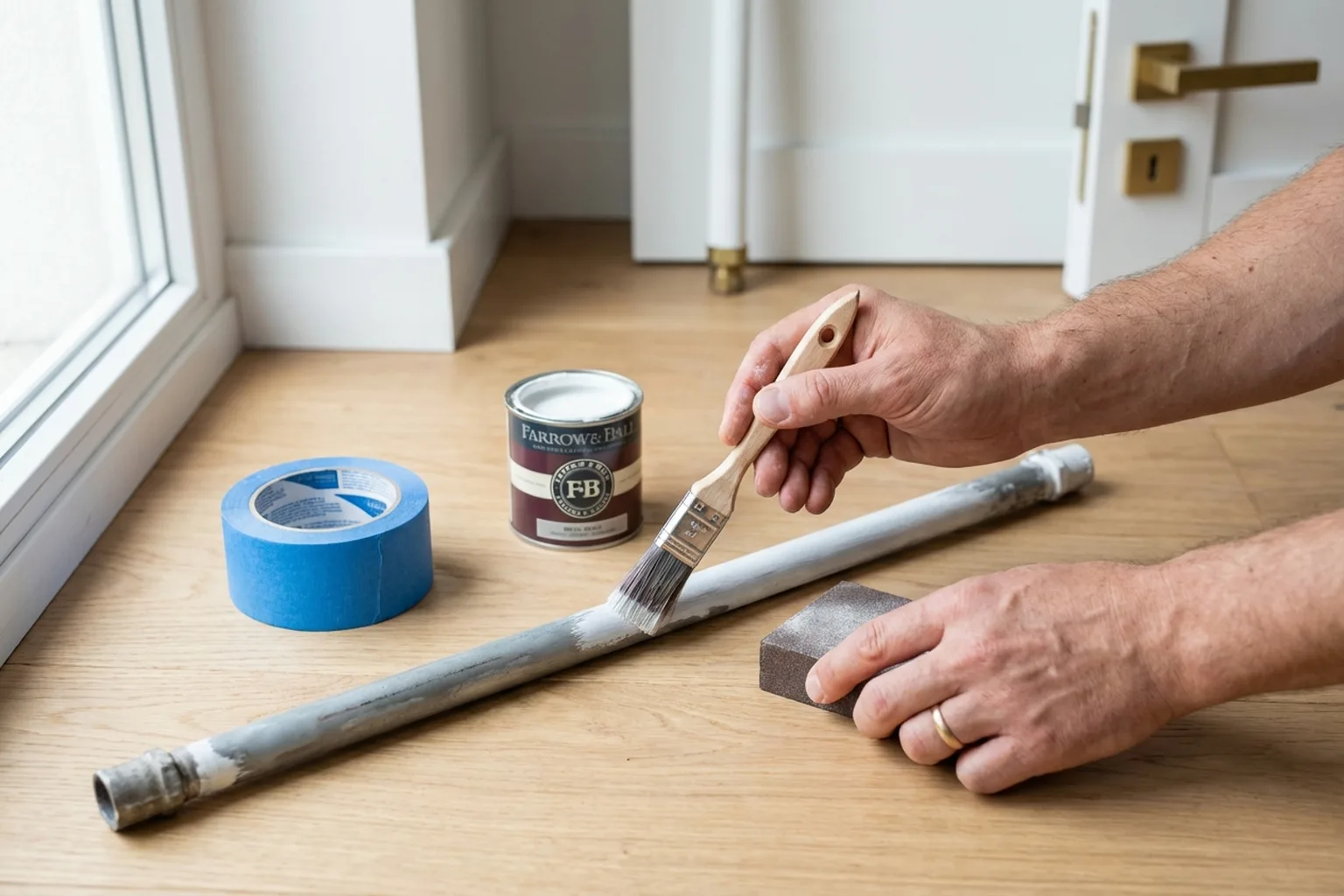
Up-to-date prices are in the table below. The final cost depends on the full pipe length, diameter, number of coats, and the kind of paint used. Heating pipes are coated with heat-resistant enamel: it costs more than regular paint. Rusted pipes need stripping and primer: that is billed as separate work. Paint and primer are consumables, charged separately. Tools are included in the price.
| Service | Price |
|---|---|
| Covering furniture, doors, windows and floors | 20–25 zł/m² |
| Wall cleaning before painting | 15–25 zł/m² |
| Filling holes and damage | 20–35 zł/m² |
| Wall levelling after tile removal | 60–90 zł/m² |
| Ceiling levelling | 45–80 zł/m² |
| Priming before painting | 8–14 zł/m² |
| Gypsum skim coating | 55–90 zł/m² |
| Walls and ceilings, one colour (2 coats) | 30–50 zł/m² |
| Walls in different colours | 40–60 zł/m² |
| Oil paint painting | 70–150 zł/m² |
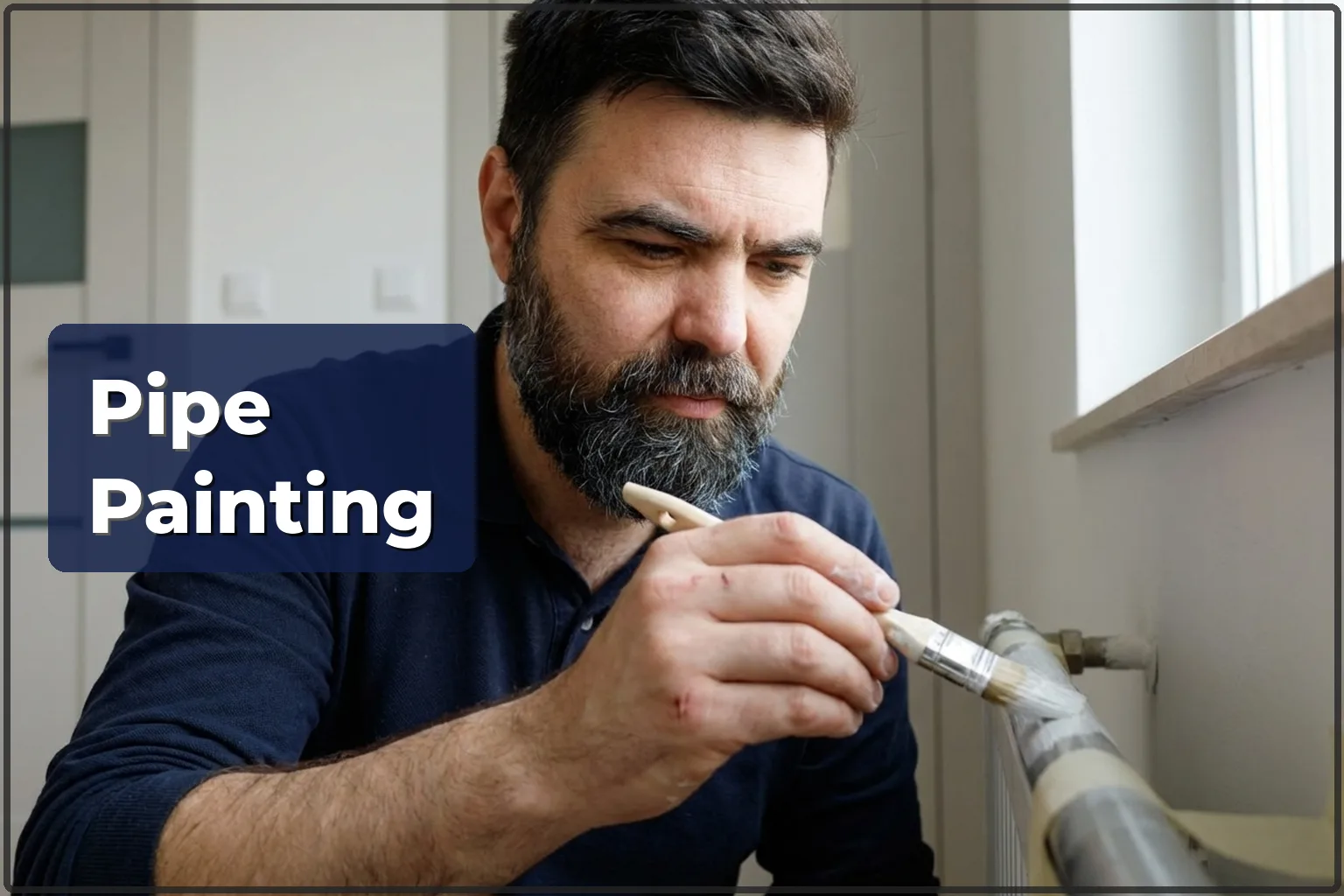
| Pipe painting (water, heating, gas) | 20–35 zł/mb |
| Radiator painting | 150–400 zł/szt |
| Window painting | 150–300 zł/szt |
| Old paint removal from wood | 30–70 zł/m² |
| Wood impregnation | 30–45 zł/m² |
| Old wallpaper removal | 20–35 zł/m² |
| Ceiling cornice installation | 40–75 zł/mb |
Indicative prices. Ranges for a typical scope. Fixings included, materials separate. Minimum order 300 zł.
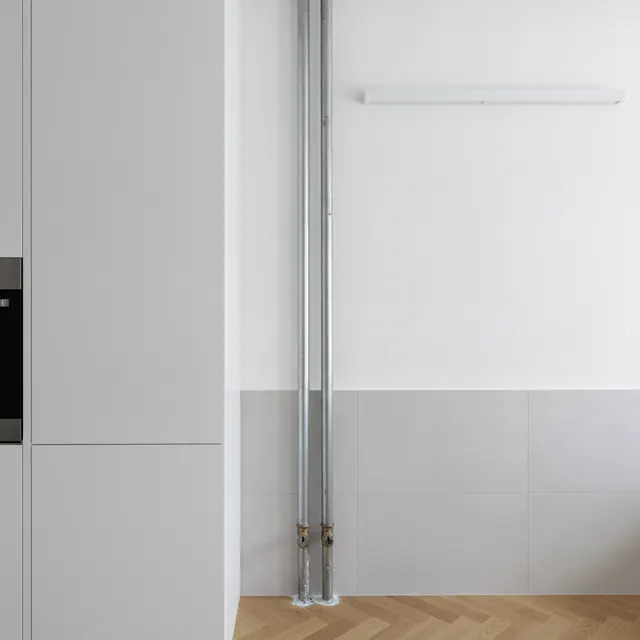
Price ranges and offers from tradespeople: handyman in Warsaw.
Pipe painting: how the work goes
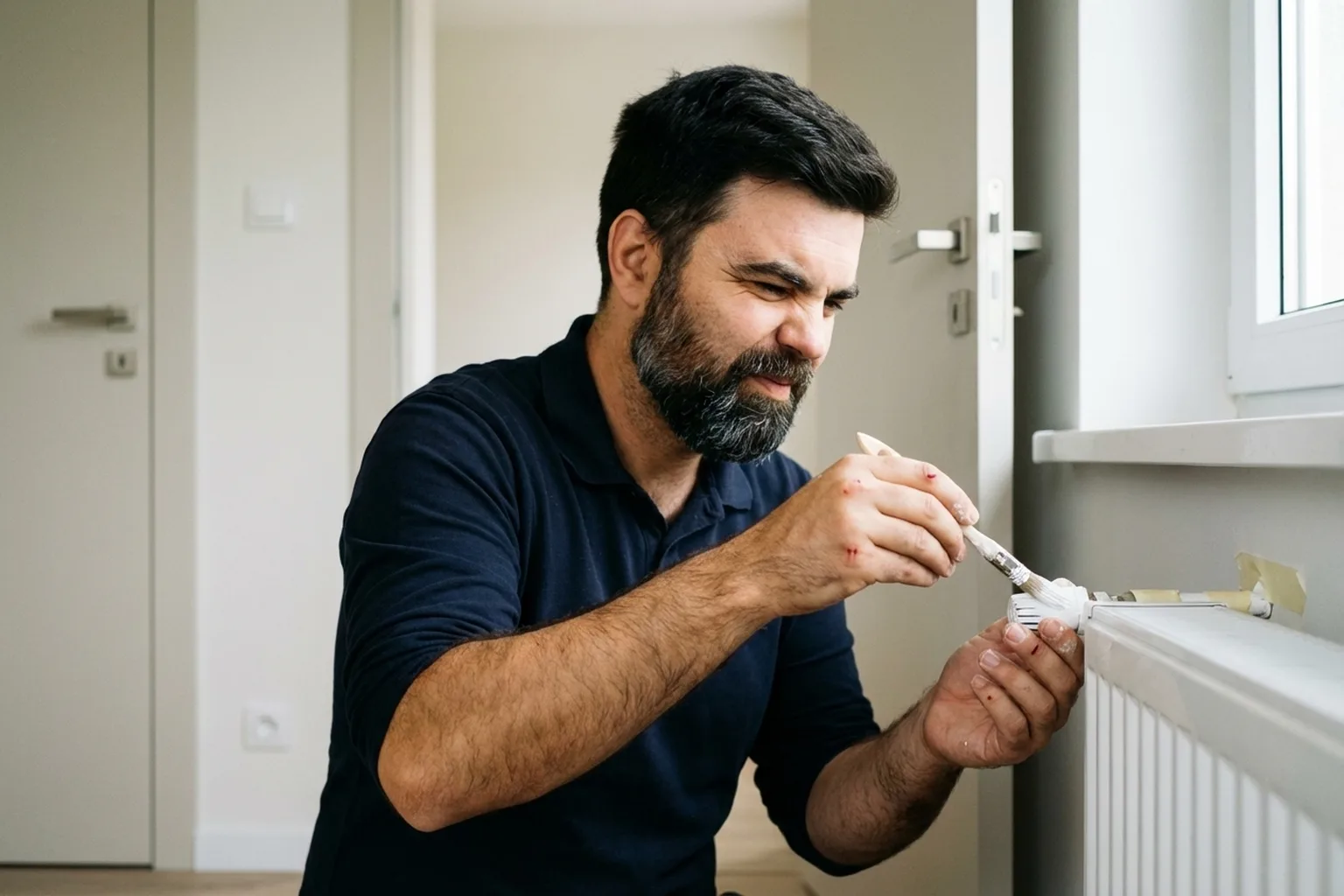
- The technician checks the pipes: material (steel, copper, galvanised), the state of the old coating, and how much rust is present.
- Old paint is taken off — mechanically (sandpaper, wire brush) or with chemical stripper when there are many layers.
- Rust is cleaned back to bare metal. Copper pipes are degreased instead.
- A metal primer is put on: anti-corrosion for steel, adhesion primer for copper and galvanised pipes.
- First coat of paint, a thin layer, applied with a brush or mini roller. Behind radiators: an angled brush.
- After drying (4–6 hours) — second coat. For heating pipes: heat-resistant enamel rated to +120°C.
- Final check: even finish, no drips, area left clean.
Common mistakes when painting pipes (and how to avoid them)
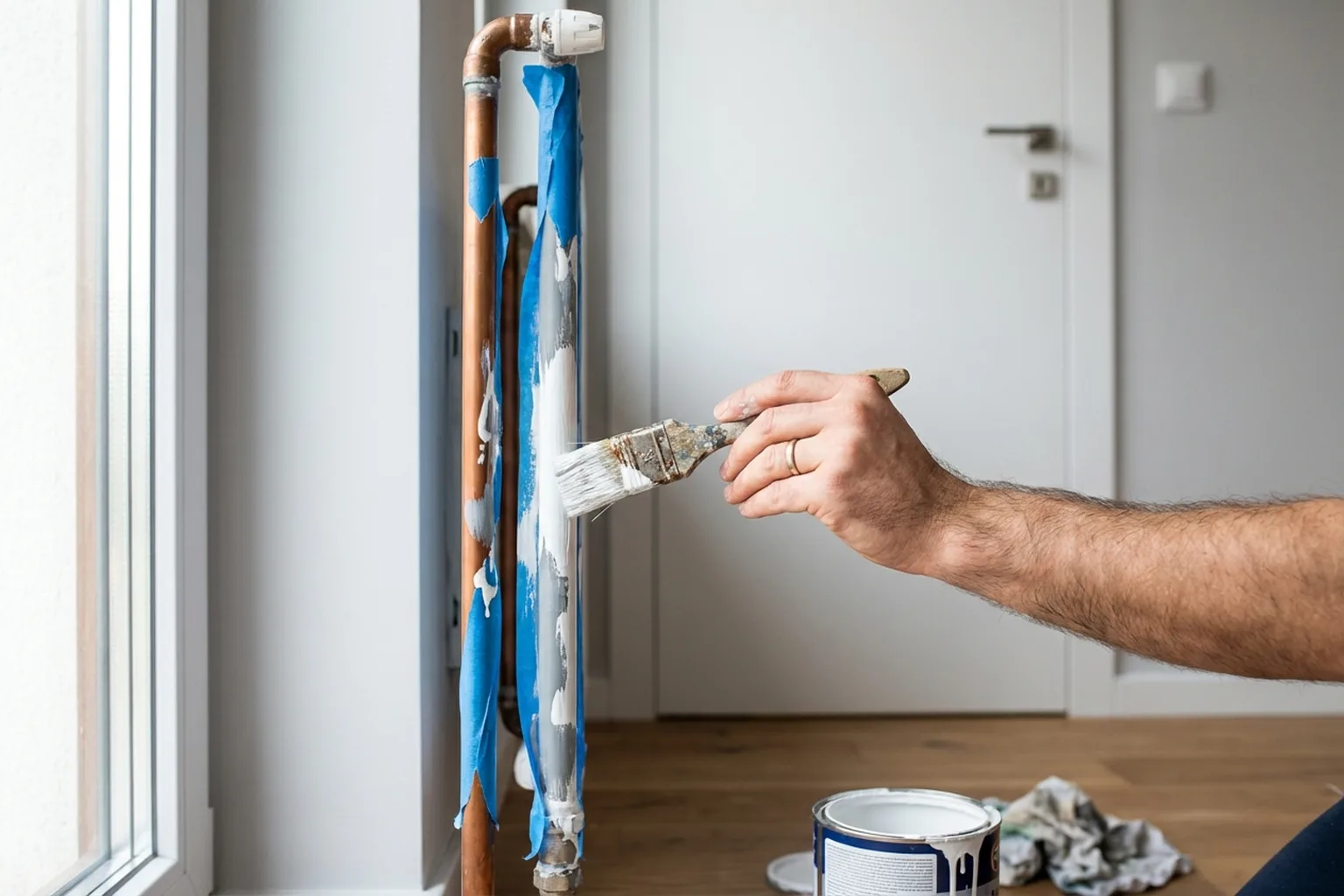
- Painting over rust: the coating starts peeling within months, and the rust scale comes away with it.
- Using ordinary paint on hot pipes — it turns yellow and cracks from the heat.
- Skipping primer on galvanised pipes: the paint slips off the smooth zinc surface.
- Painting heating pipes in winter while they are hot, the paint dries too fast and ends up patchy.
- Putting on one thick coat — this causes drips and slow drying. Two thin coats work much better.
- Not covering the walls and floor: paint specks on tiles or wallpaper are difficult to clean off later.
- Ignoring gas pipe rules: painting over joints with regular paint without checking for leaks first.
What to prepare before the technician arrives
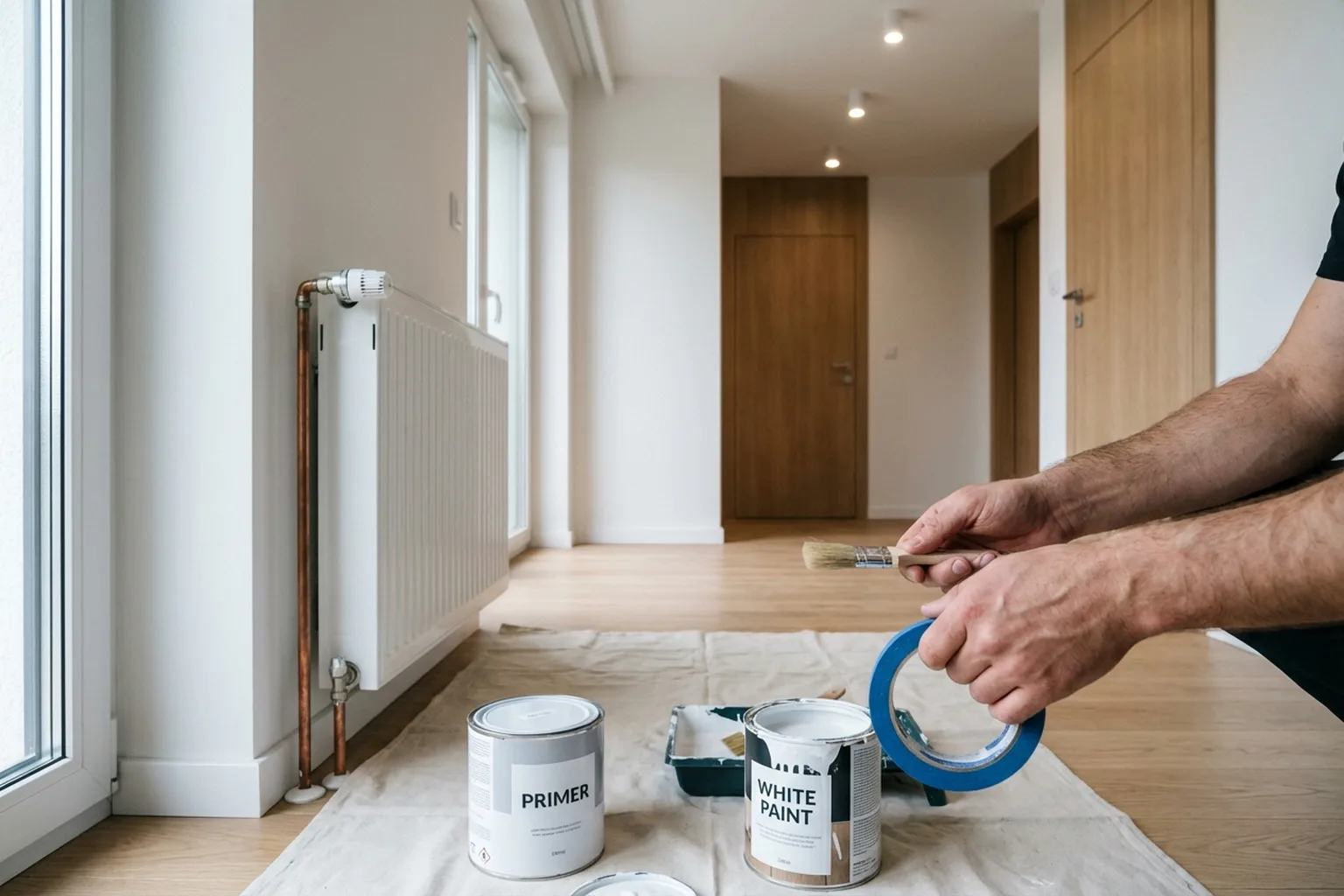
- Make sure there is clear access to the pipes: move furniture aside, remove radiator covers.
- Take things out of the work area — sanding dust and paint drops will land on anything nearby.
- Choose a colour: white is standard, but you can match the wall colour or pick a contrast.
- If the pipes are hot (heating season), tell the technician so he can plan the job properly.
- Air out the room: paint gives off fumes, especially alkyd-based paint.
- If gas pipes need painting — make sure there are no leaks. At the slightest doubt: call the gas service first.
- Say which pipes need painting: risers, distribution pipes, connections to radiators.
- Provide access details: intercom, parking.
Pipe painting in practice: a Warsaw case
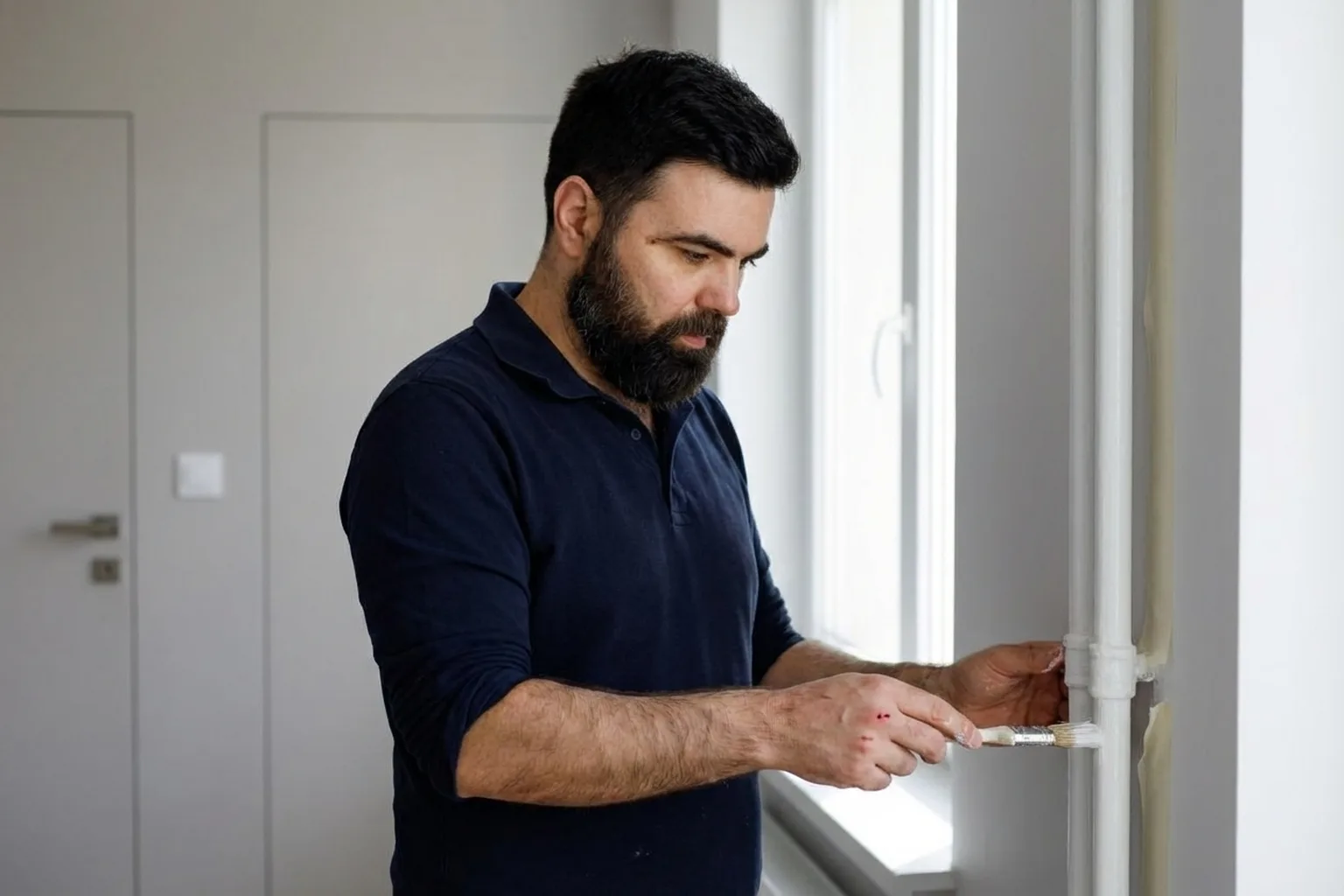
A flat in Śródmieście, in a pre-war tenement house. The owners had done a beautiful renovation of the living room and bedroom, but the exposed heating risers from floor to ceiling stood out for the wrong reason, layers of old paint, chipped in places, with rust showing through. The technician stripped the risers down to bare steel — seven layers of paint in total, each in a different shade of white and cream. He sanded away the rust spots, applied anti-corrosion primer, and then two coats of heat-resistant enamel in anthracite grey to suit the modern interior. The gas pipe in the kitchen was cleaned carefully, joints checked with soapy water, and painted regulation yellow. The whole job took two days. The owners said the painted pipes actually turned into a design feature, the dark grey against white walls looked deliberate and stylish, not like something left over.
Frequently asked questions
Can you paint pipes while the heating is on?
In theory yes, but it is better not to. On a hot surface the paint dries too fast, goes on unevenly, and may leave streaks. It is better to paint outside the heating season or when the radiators are switched off.
What paint works for heating pipes?
Heat-resistant alkyd enamel (rated to +120°C) or heat-resistant acrylic. Ordinary emulsion paint will yellow and crack.
Does the old paint need stripping?
If the existing coating is sound and not flaking, sanding it for adhesion is enough. If it is bubbling or peeling — it has to be removed down to bare metal.
Can gas pipes be painted?
Yes, but with restrictions. You must not paint over joints in a way that hides leaks. A specific yellow paint or one approved by the gas service is used. Always check for leaks before painting.
How do you paint copper pipes?
Copper does not rust, but it does oxidise (turns green). You need an adhesion primer followed by alkyd or epoxy enamel.
How long does pipe paint take to dry?
First coat: 4–6 hours. Full cure: 24 hours. It is best to wait a full day before turning the heating back on.
Who does the work
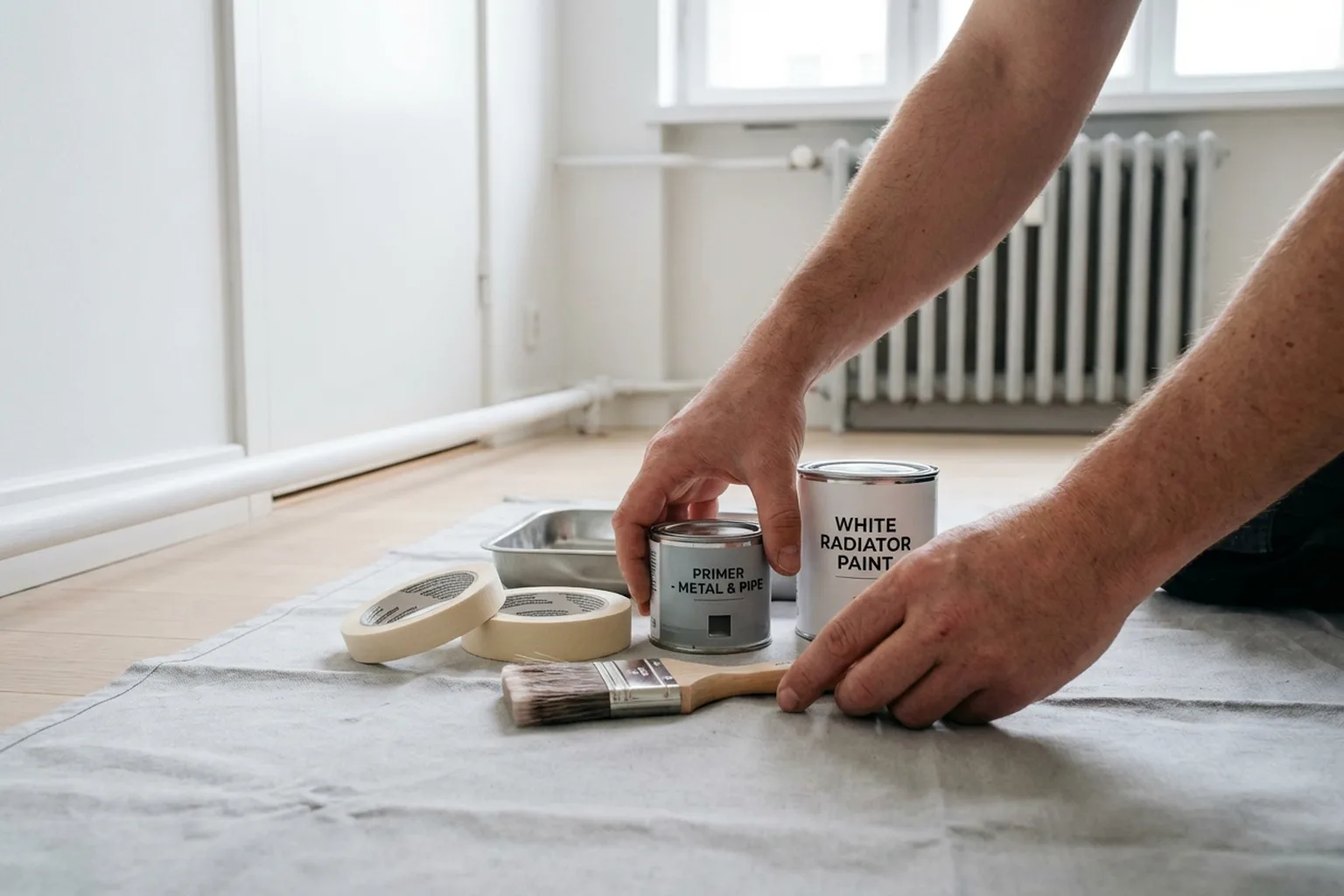
Pipe painting is done by painters who know how to work with metal surfaces and which primers and paints suit each kind of pipe. Post a request in the HandyMan24 app with a few photos: tradespeople will assess the scope and send their offers.
Order in the app
Describe the job, add photos and the address. Tradespeople send their own prices and dates, and you pick one of the offers.
Open the app