
Protection with film: cost and what affects it
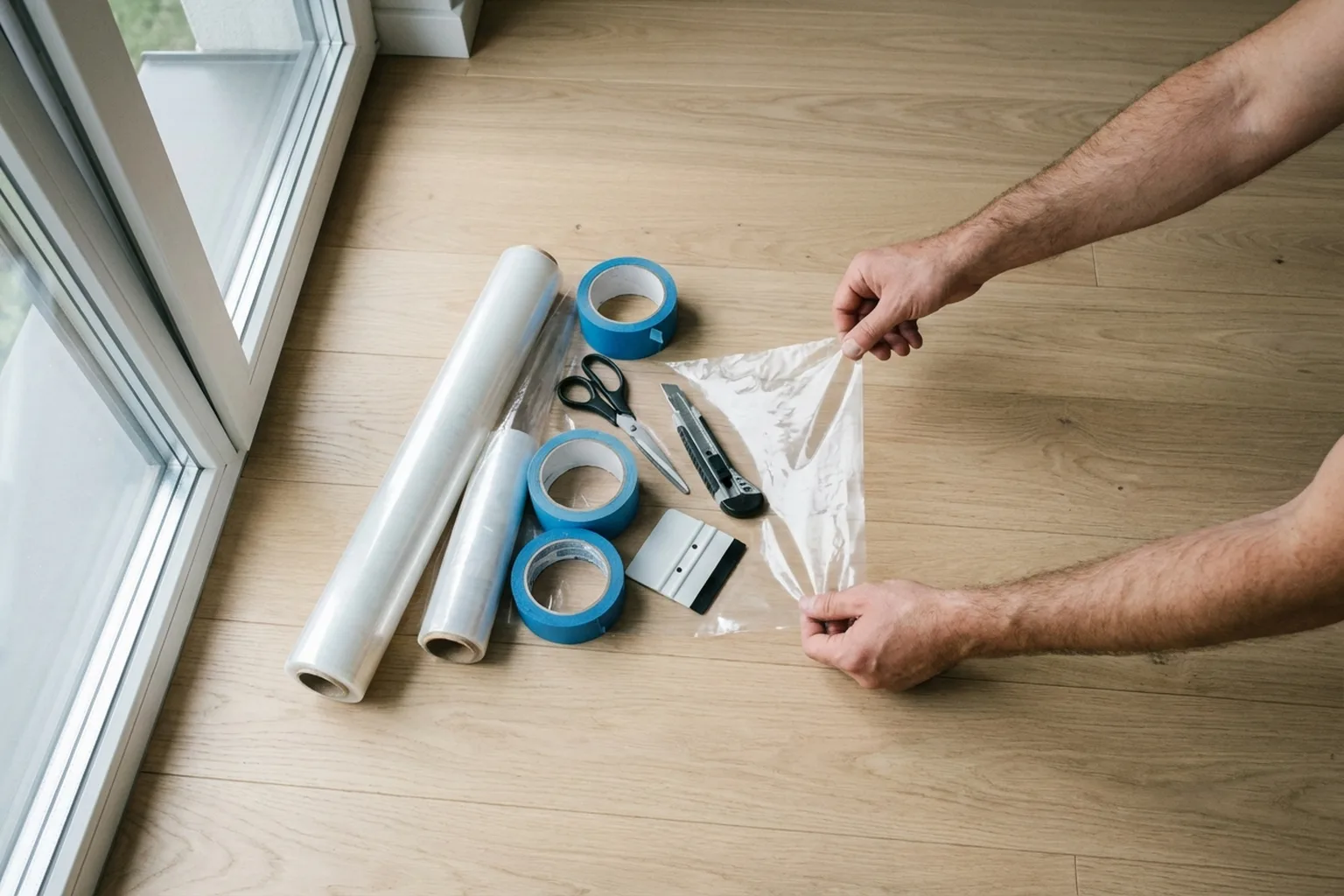
You’ll find the current prices in the table below. The final cost is affected by the size of the area, the kind of protection used (painter’s film, cardboard for floors, masking tape), and how many items need covering. If protection is included in a full painting package, the price usually comes out lower than booking it on its own. Tape and fixings are included. Film and cardboard are consumables, charged additionally.
| Service | Price |
|---|---|
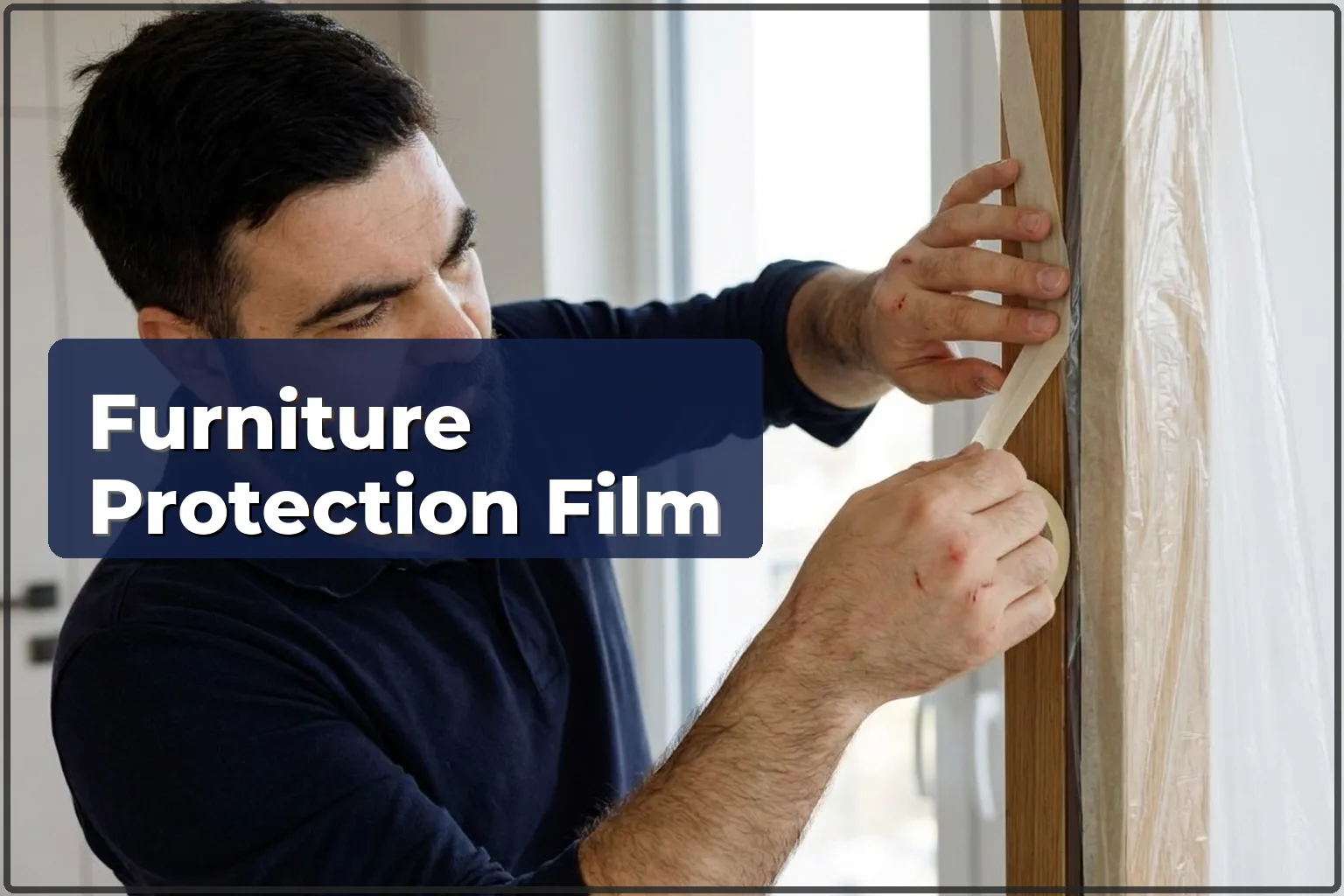
| Covering furniture, doors, windows and floors | 20–25 zł/m² |
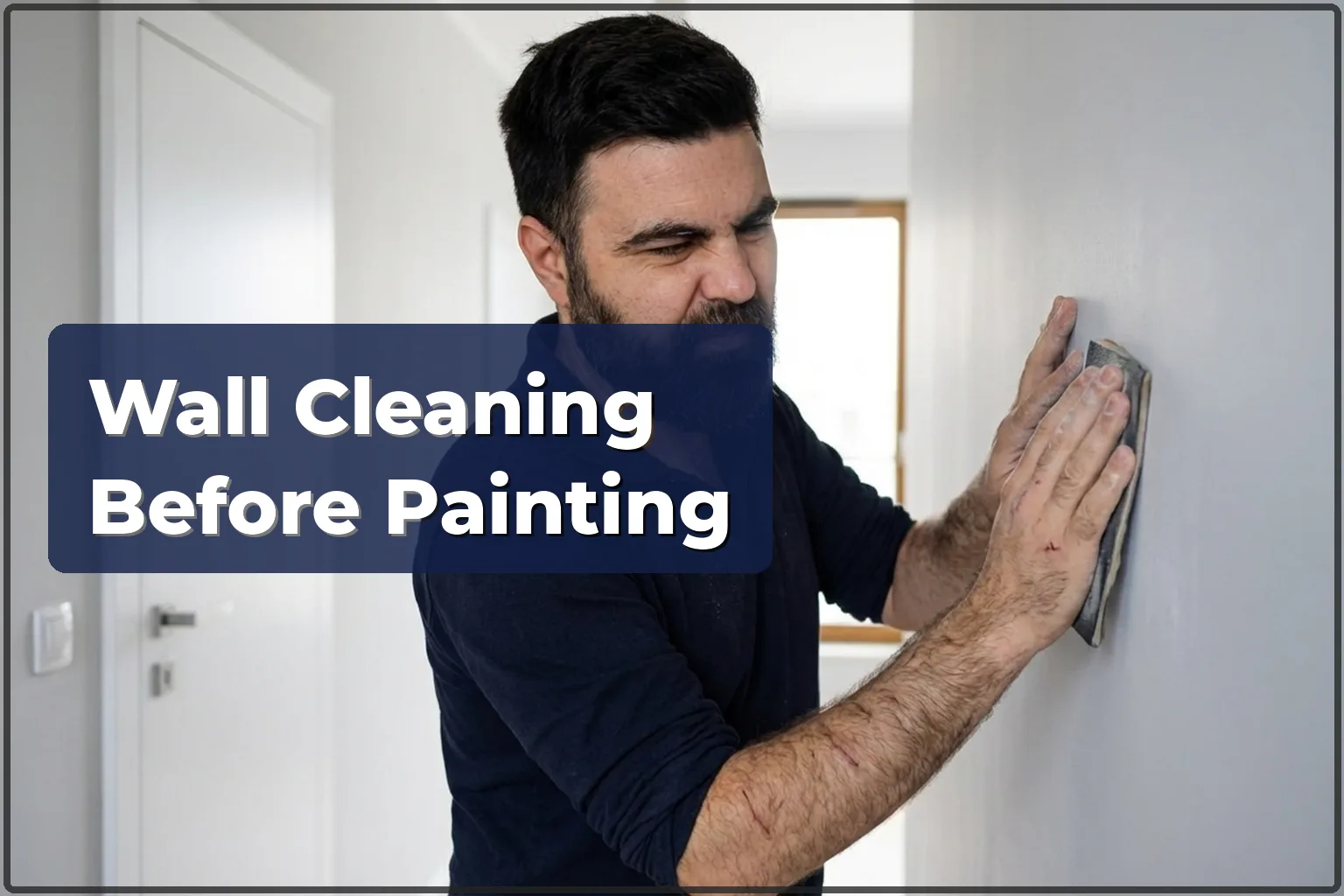
| Wall cleaning before painting | 15–25 zł/m² |
| Filling holes and damage | 20–35 zł/m² |
| Wall levelling after tile removal | 60–90 zł/m² |
| Ceiling levelling | 45–80 zł/m² |
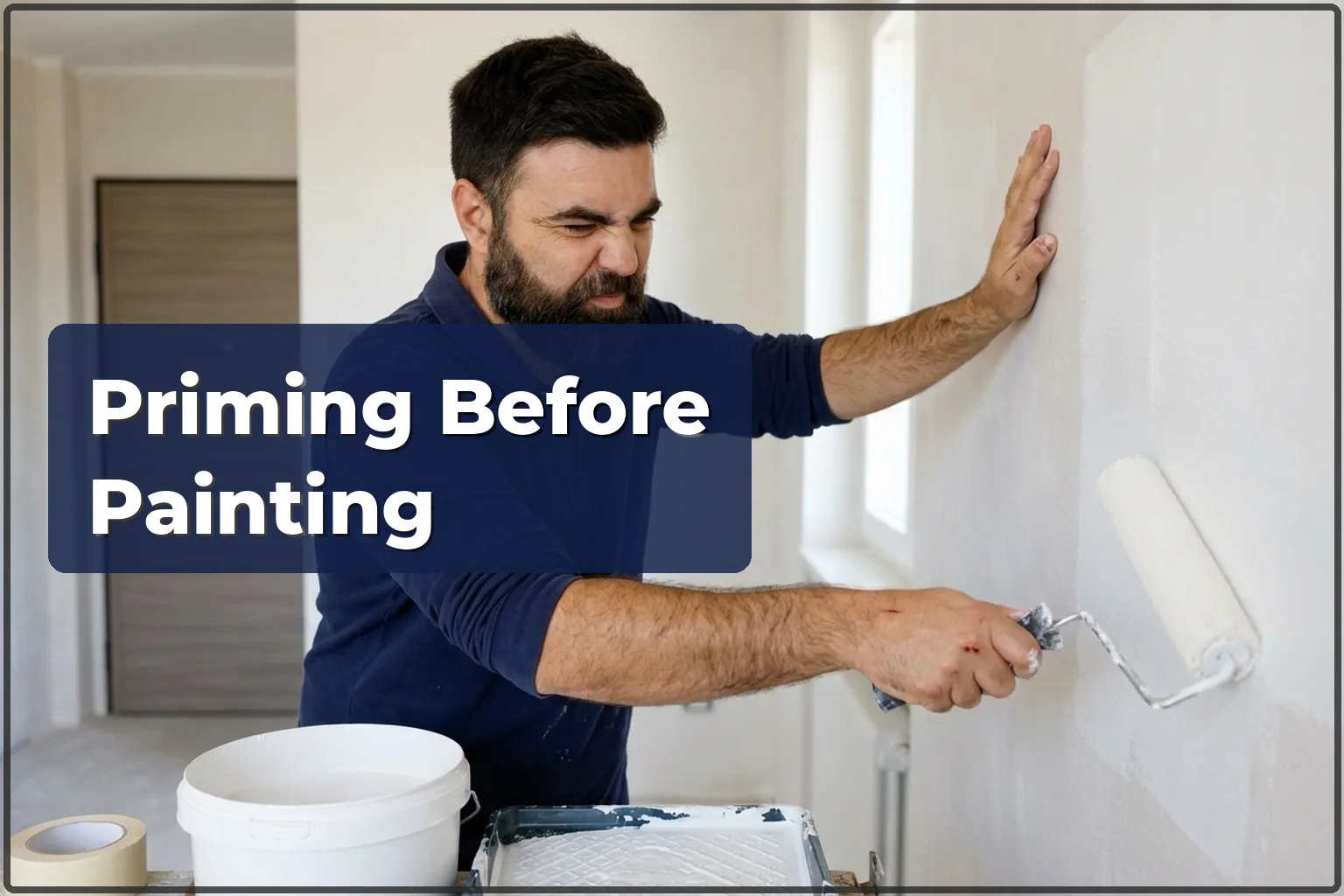
| Priming before painting | 8–14 zł/m² |
| Gypsum skim coating | 55–90 zł/m² |
| Walls and ceilings, one colour (2 coats) | 30–50 zł/m² |
| Walls in different colours | 40–60 zł/m² |
| Oil paint painting | 70–150 zł/m² |
| Pipe painting (water, heating, gas) | 20–35 zł/mb |
| Radiator painting | 150–400 zł/szt |
| Window painting | 150–300 zł/szt |
| Old paint removal from wood | 30–70 zł/m² |
| Wood impregnation | 30–45 zł/m² |
| Old wallpaper removal | 20–35 zł/m² |
| Ceiling cornice installation | 40–75 zł/mb |
Indicative prices. Ranges for a typical scope. Fixings included, materials separate. Minimum order 300 zł.
What it costs and how to book: furniture assembly in Warsaw.
Protection with film: how the job goes
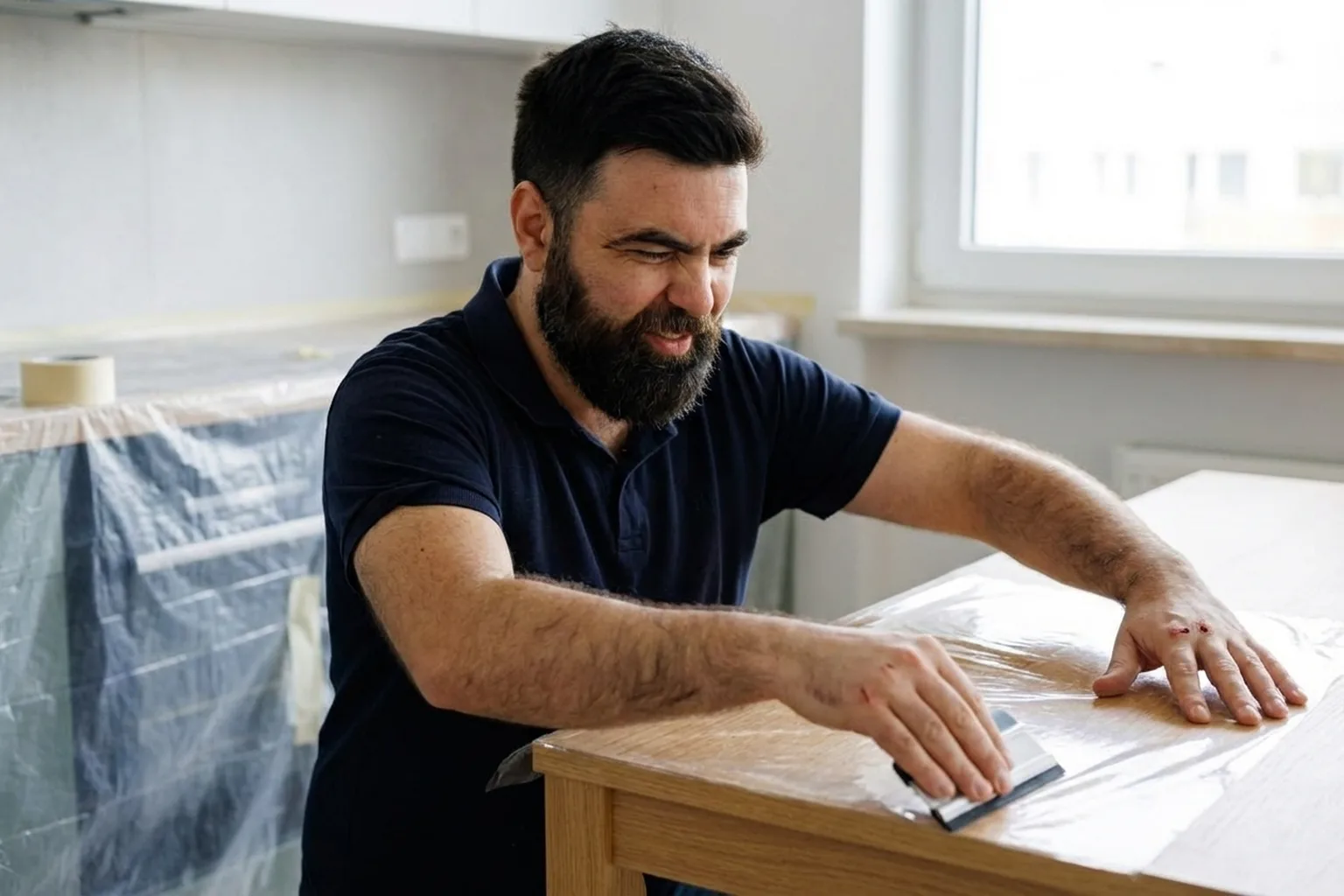
- The technician checks the room and identifies what needs protection: floors, furniture, windows, doors, skirting boards, sockets.
- Smaller furniture is taken out, and larger pieces are moved to the middle and covered.
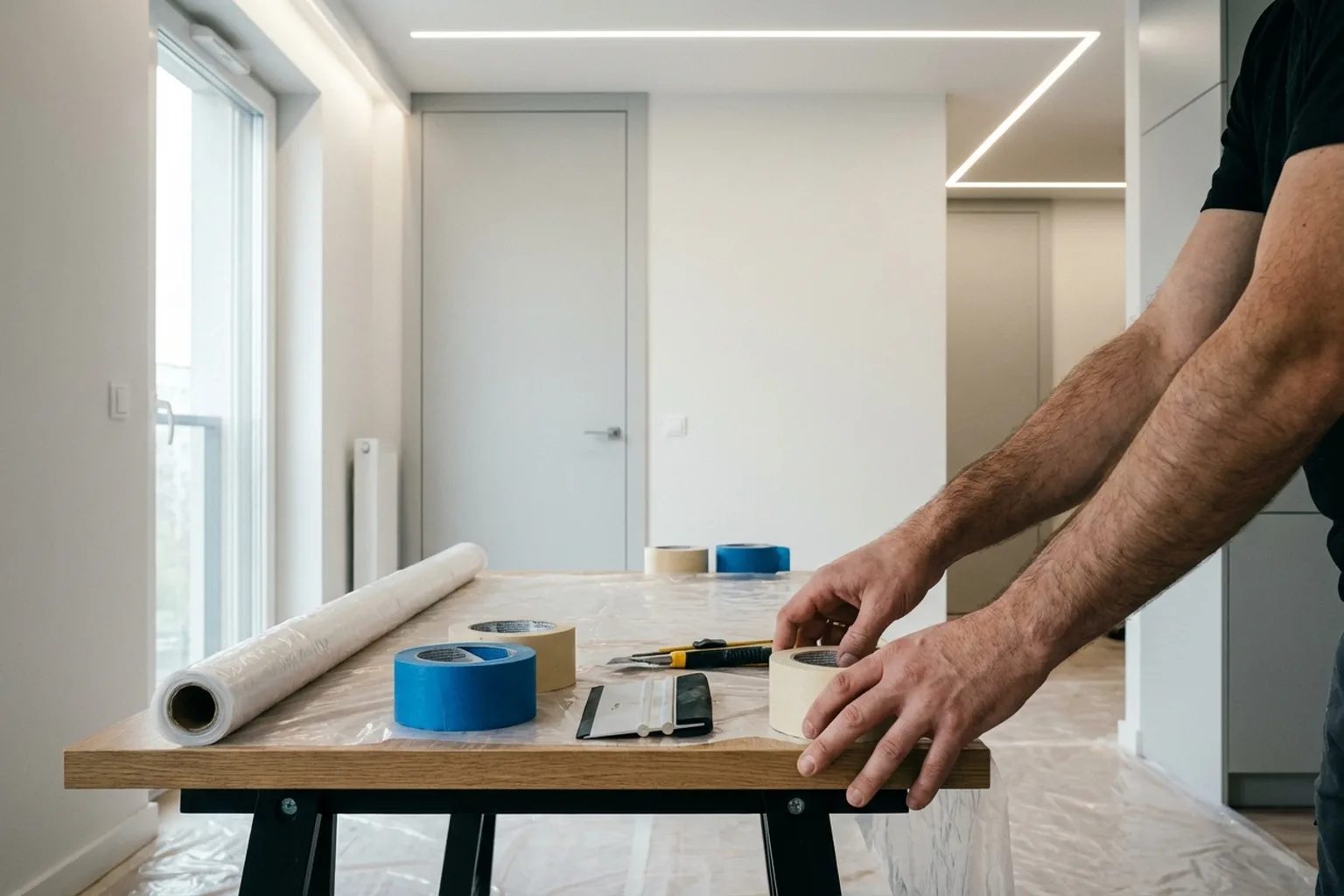
- Floors are protected with film or cardboard, then fixed with masking tape around the edges.
- Door and window frames are covered with film — this keeps off splashes and drips.
- Sockets, switches, and skirting boards are masked separately.
- Every joint is inspected: there should be no gaps between the film and the wall.
- Once painting is finished, the protection is removed carefully and all waste is taken away.
Common customer mistakes (and how to avoid them)
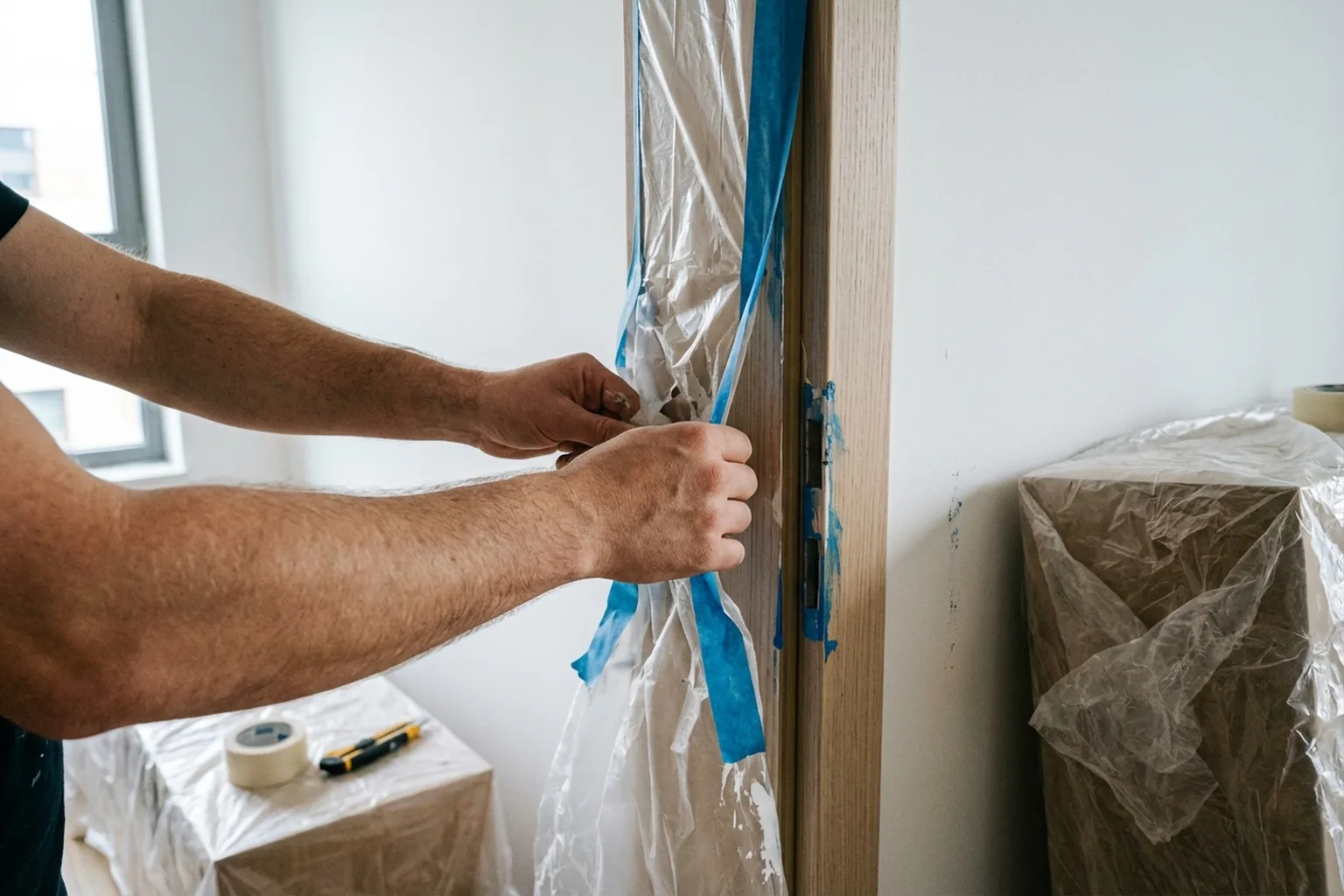
- Putting newspapers on the floor: paint goes straight through, and the paper ends up stuck to the surface.
- Using ordinary tape instead of masking tape — it leaves adhesive marks on frames and windowsills.
- Protecting only the middle of the floor: splashes still travel to the walls, so the corners stay exposed.
- Leaving socket face plates on: paint gets underneath, and later they can’t be removed cleanly.
- Skipping protection for ceiling lights — when the ceiling is painted, the chandelier catches the lot.
- Leaving film in place for several days: moisture underneath can damage parquet flooring.
What to prepare before the technician arrives
- Take all small items out of the room: vases, frames, electronics, decorations.
- Remove curtains and curtain rods if they’ll get in the way.
- Empty the windowsills completely.
- If you have parquet or an expensive floor covering — tell the technician beforehand so they use cardboard instead of only film.
- Make sure there are enough power sockets for lighting (windows will be taped, so there will be less natural light).
- Agree the scope of work in advance: floors only or full protection.
- If more than one room is being painted, say so in the order straight away, because protection is done one room at a time.
- Send access details: intercom code, parking, floor number.
A real case from Warsaw
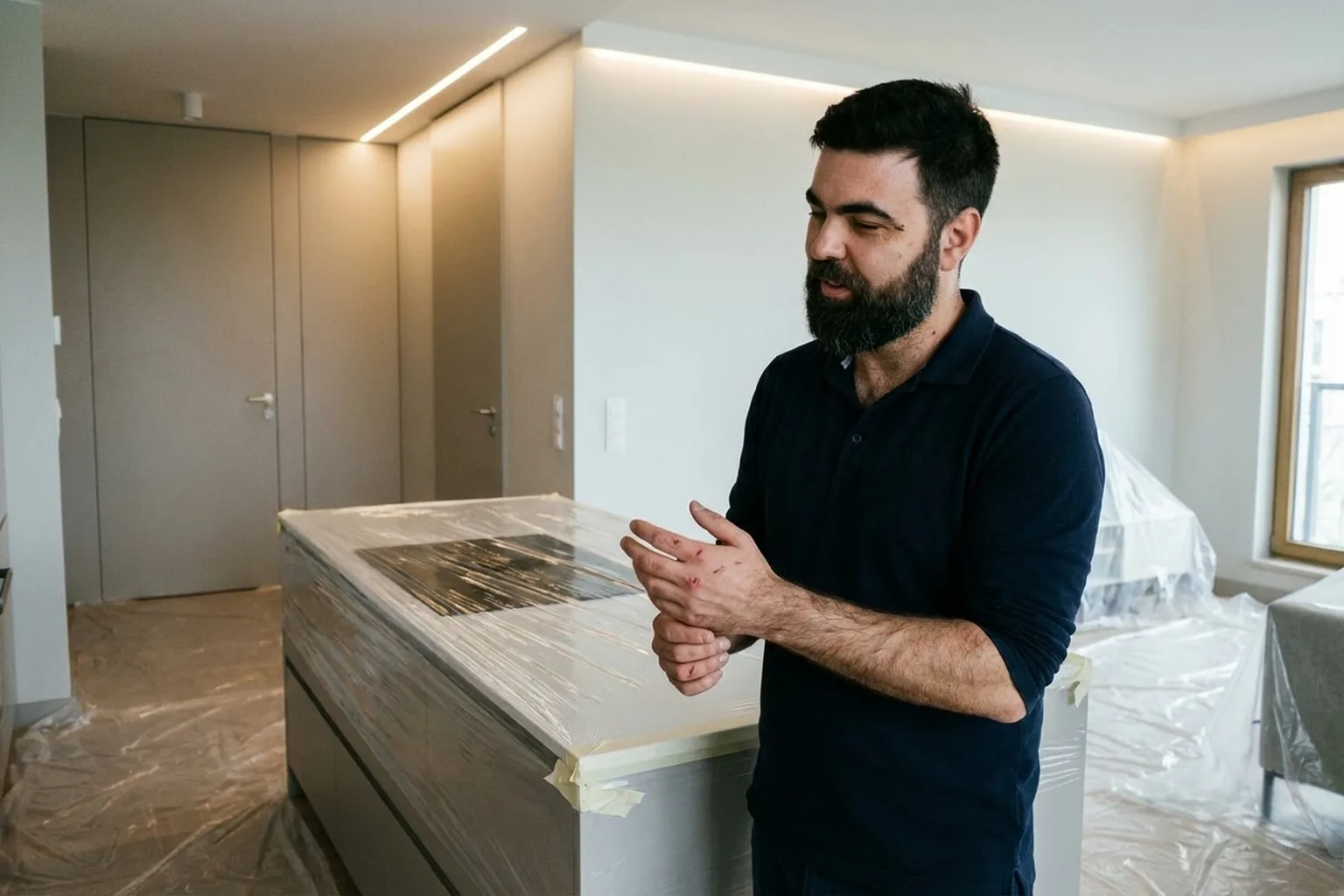
A client in Wola booked painting for two rooms and a hallway. To save money, they covered the floors with old bed sheets. After the ceiling was painted, emulsion drops fell onto the laminate: the fabric let it through right away. The painter then protected everything properly with film and cardboard and repainted the ceiling from the beginning. The laminate was saved, but only because the paint was still wet. If it had dried, the marks would have stayed for good. The takeaway is simple: protection is not the place to save money.
Frequently asked questions
Do I need to protect furniture if we’re only painting the ceiling?
Yes. A roller throws paint within a 1–2 metre radius. Even with careful painting, drops still land on furniture and the floor.
What type of film is best?
For floors — thick builder’s film or cardboard. For furniture: thin painter’s film. Newspapers and bed sheets are not suitable.
Is protection included in the painting price?
It depends on the agreement. Protection is often listed as a separate item, but when you order the full package: the total usually comes out lower.
Can we just cover the furniture instead of moving it out?
Yes, large furniture is moved to the centre and covered. Smaller items are better taken out — it’s quicker and cleaner.
How long does it take to protect one room?
30–60 minutes depending on how much furniture is inside and the floor area.
Do tradespeople remove the film after the job?
Yes, the protection is removed carefully and the waste is collected. That’s included in the service.
Who does the work
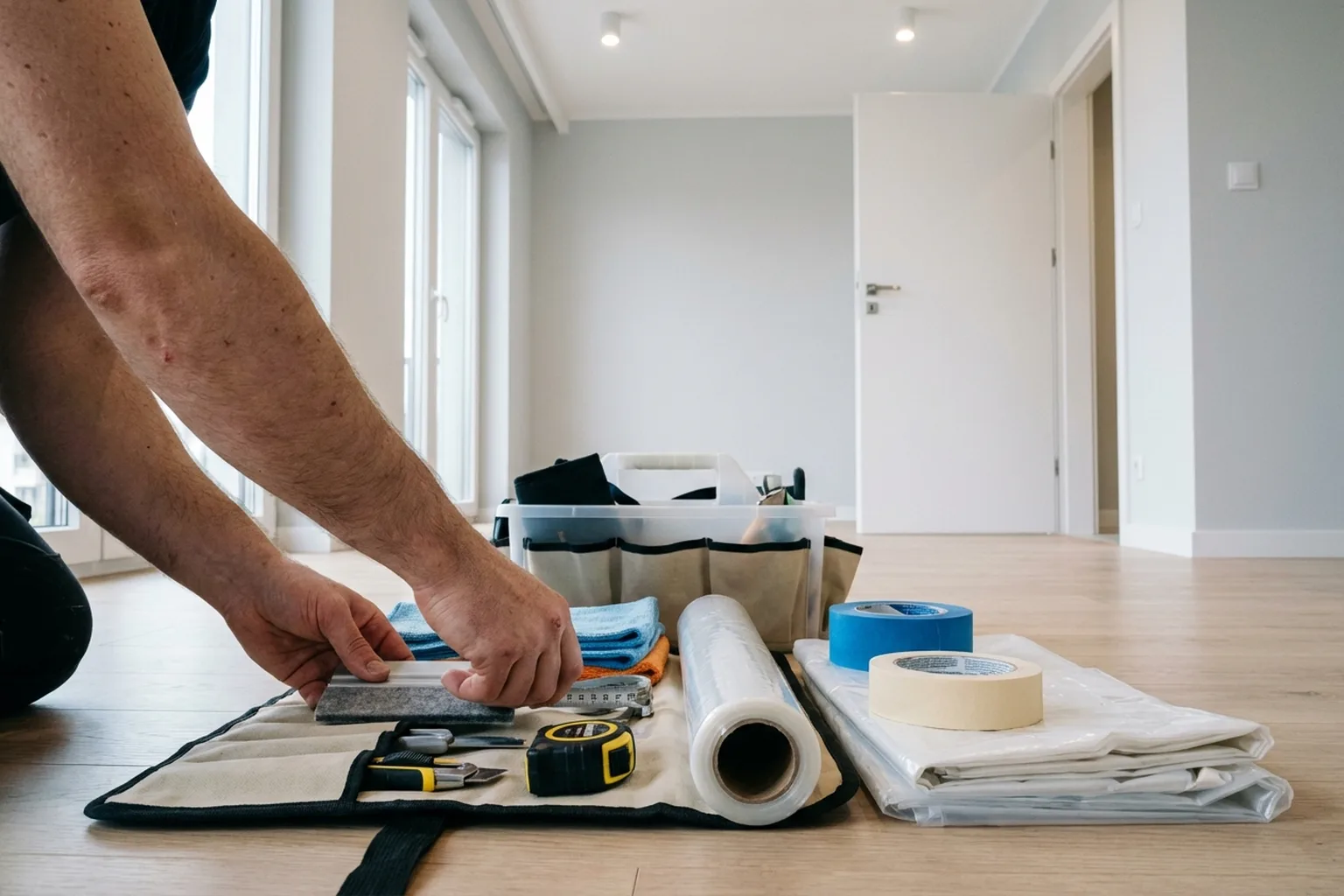
This protective work is done by experienced painters who focus on proper room preparation. Tradespeople work across all of Warsaw.
Order in the app
Describe the job, add photos and the address. Tradespeople send their own prices and dates, and you pick one of the offers.
Open the app