How much does radiator painting cost in Warsaw?
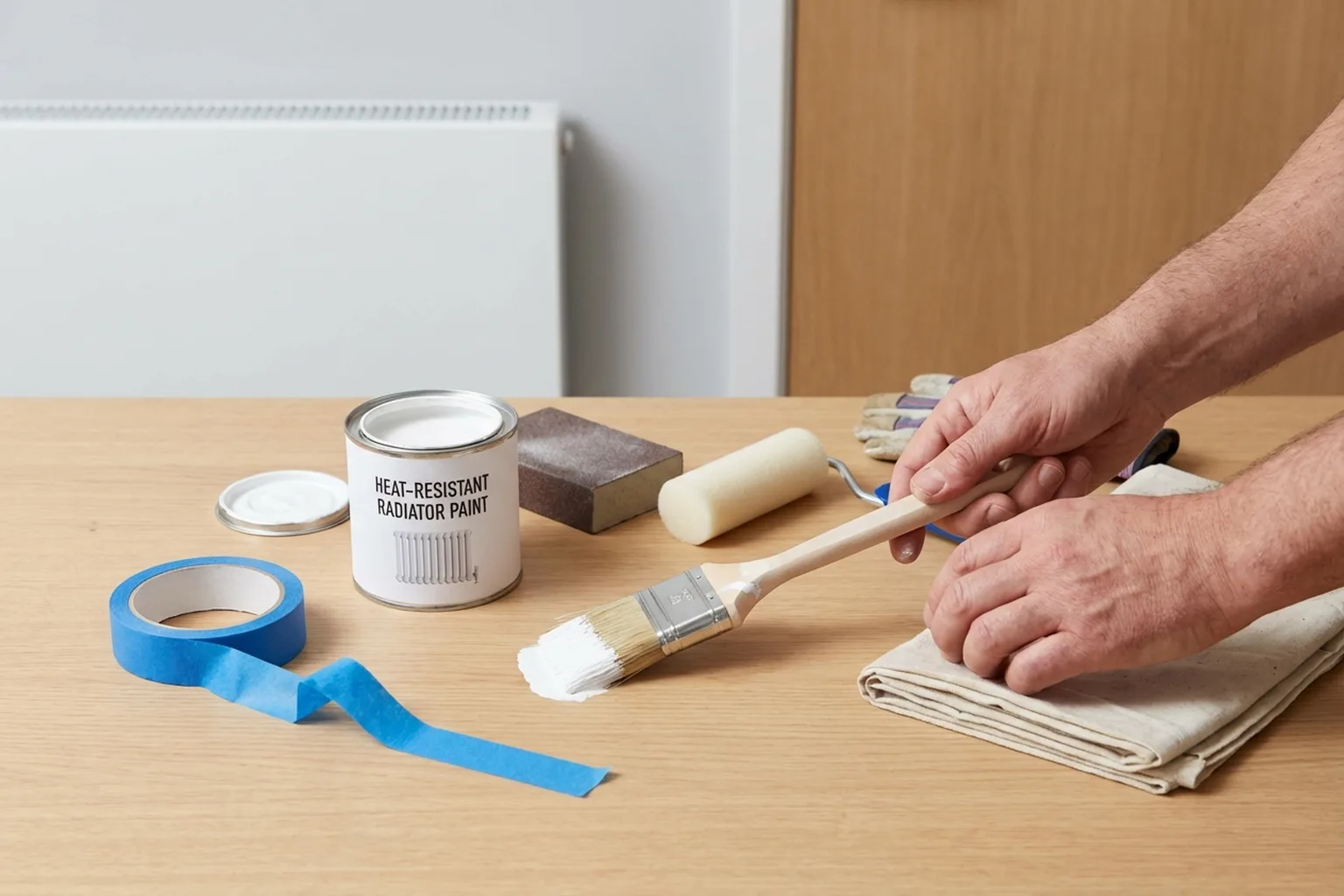
Up-to-date prices are listed in the table below. The final amount depends on the radiator type (cast iron sectional needs more time than steel panel), how many sections there are, and the state of the old coating. If the radiator has several old paint layers that need to be removed, that is charged as separate work. Paint and primer are billed separately; tools are included.
| Service | Price |
|---|---|
| Covering furniture, doors, windows and floors | 20–25 zł/m² |
| Wall cleaning before painting | 15–25 zł/m² |
| Filling holes and damage | 20–35 zł/m² |
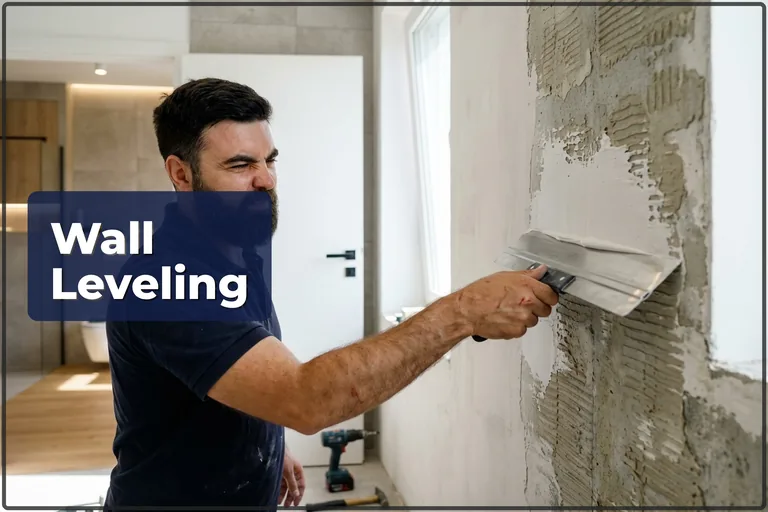
| Wall levelling after tile removal | 60–90 zł/m² |
| Ceiling levelling | 45–80 zł/m² |
| Priming before painting | 8–14 zł/m² |
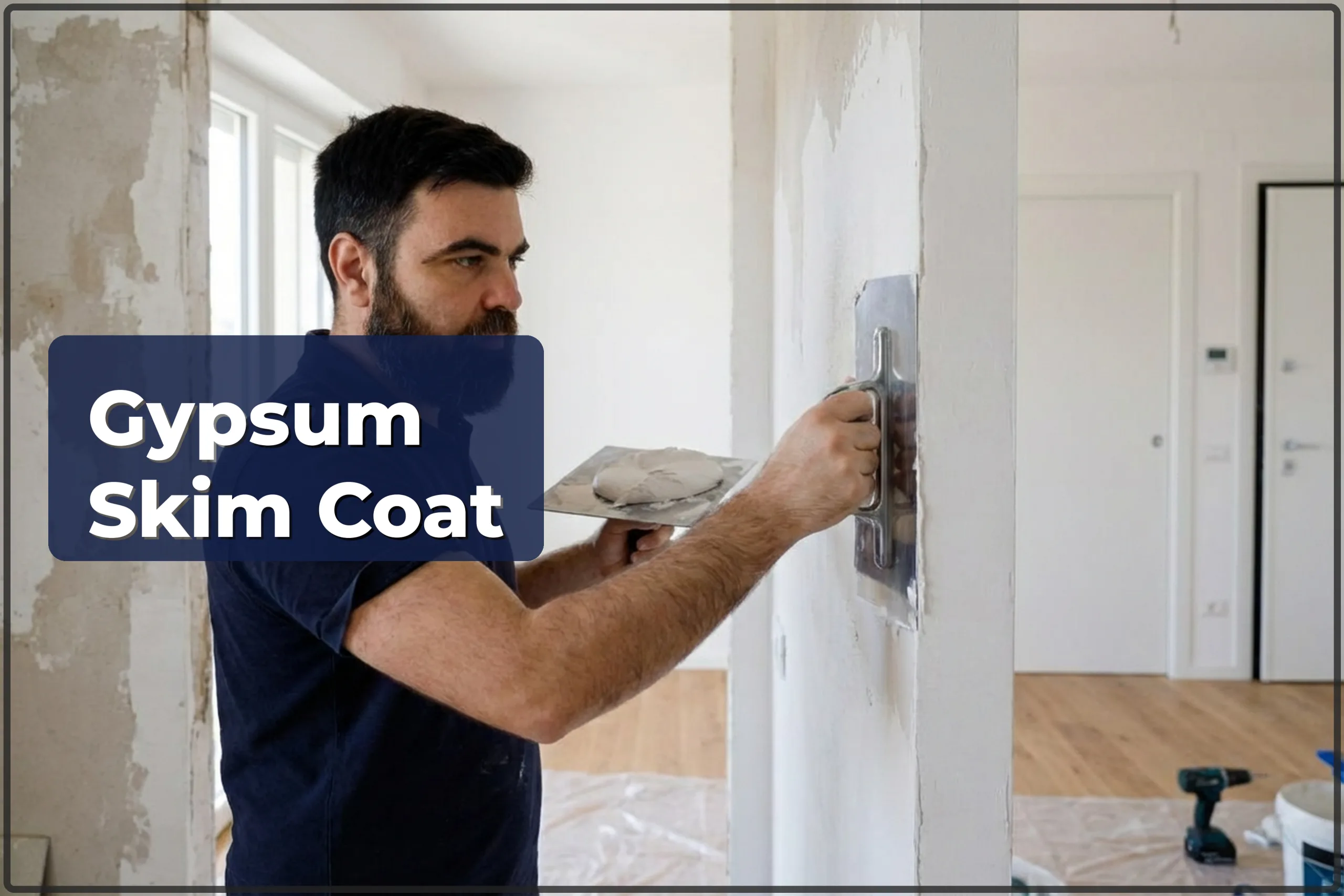
| Gypsum skim coating | 55–90 zł/m² |
| Walls and ceilings, one colour (2 coats) | 30–50 zł/m² |
| Walls in different colours | 40–60 zł/m² |
| Oil paint painting | 70–150 zł/m² |
| Pipe painting (water, heating, gas) | 20–35 zł/mb |
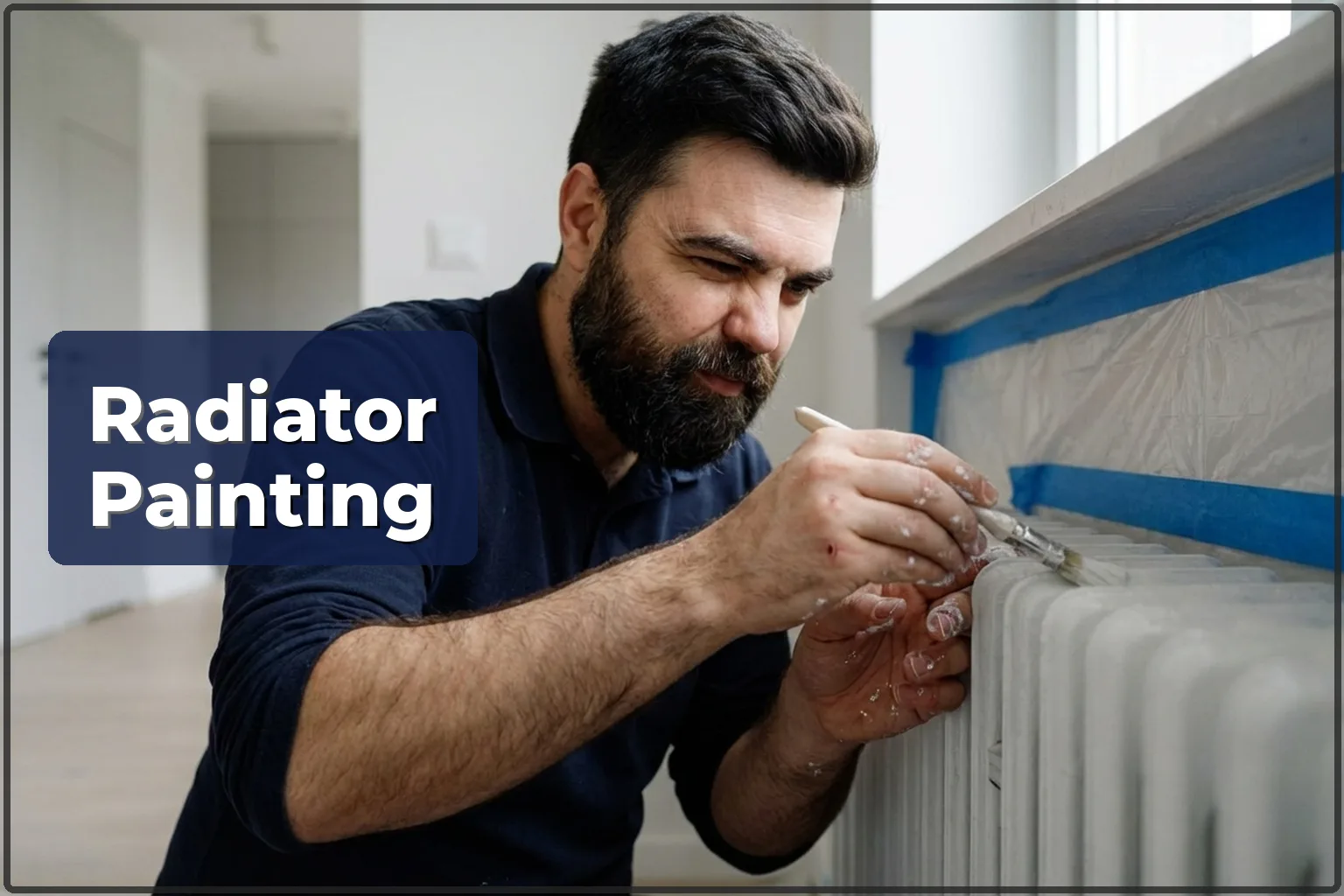
| Radiator painting | 150–400 zł/szt |
| Window painting | 150–300 zł/szt |
| Old paint removal from wood | 30–70 zł/m² |
| Wood impregnation | 30–45 zł/m² |
| Old wallpaper removal | 20–35 zł/m² |
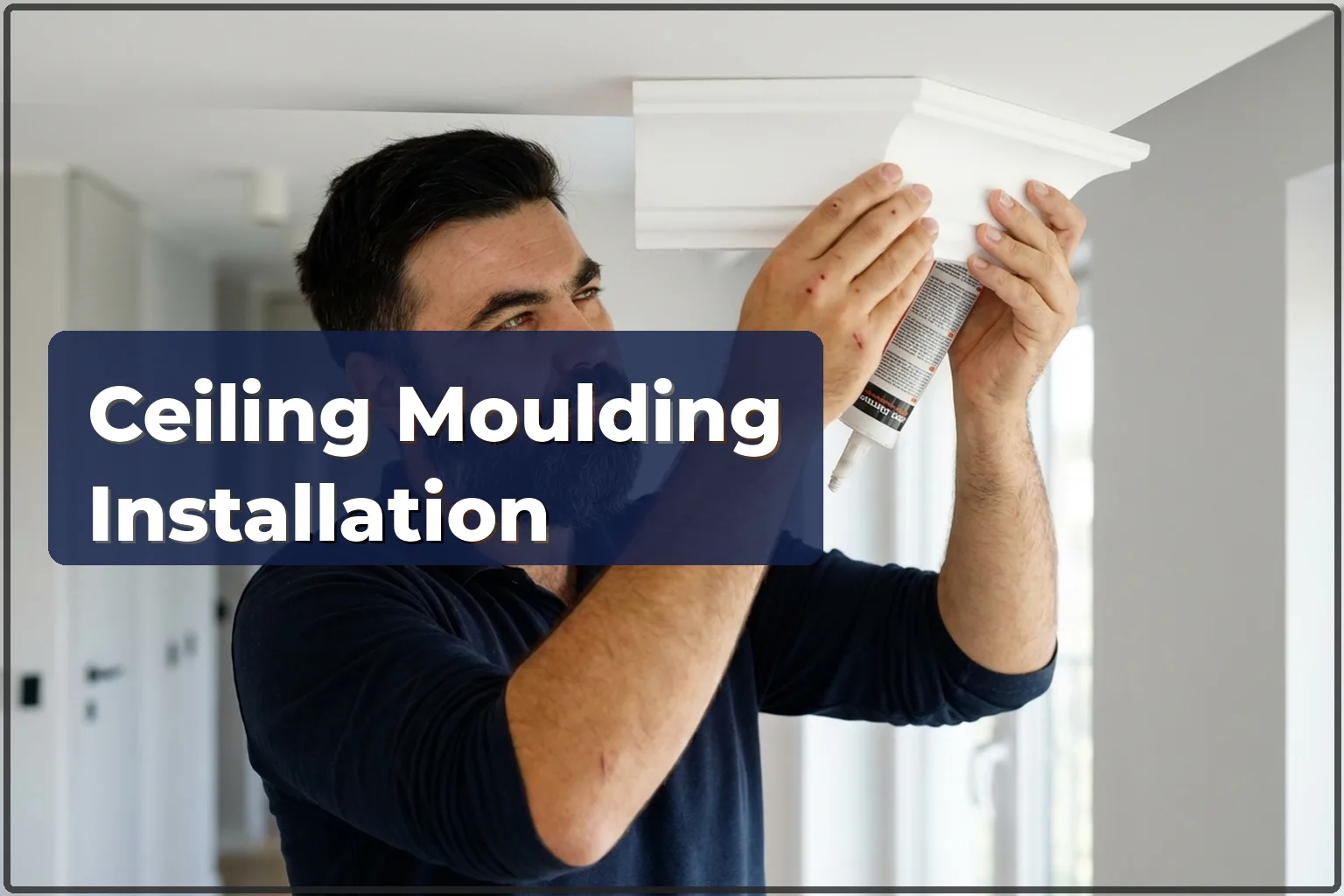
| Ceiling cornice installation | 40–75 zł/mb |
Indicative prices. Ranges for a typical scope. Fixings included, materials separate. Minimum order 300 zł.
What it costs and how to book: flat painting in Warsaw.
How radiator painting is done
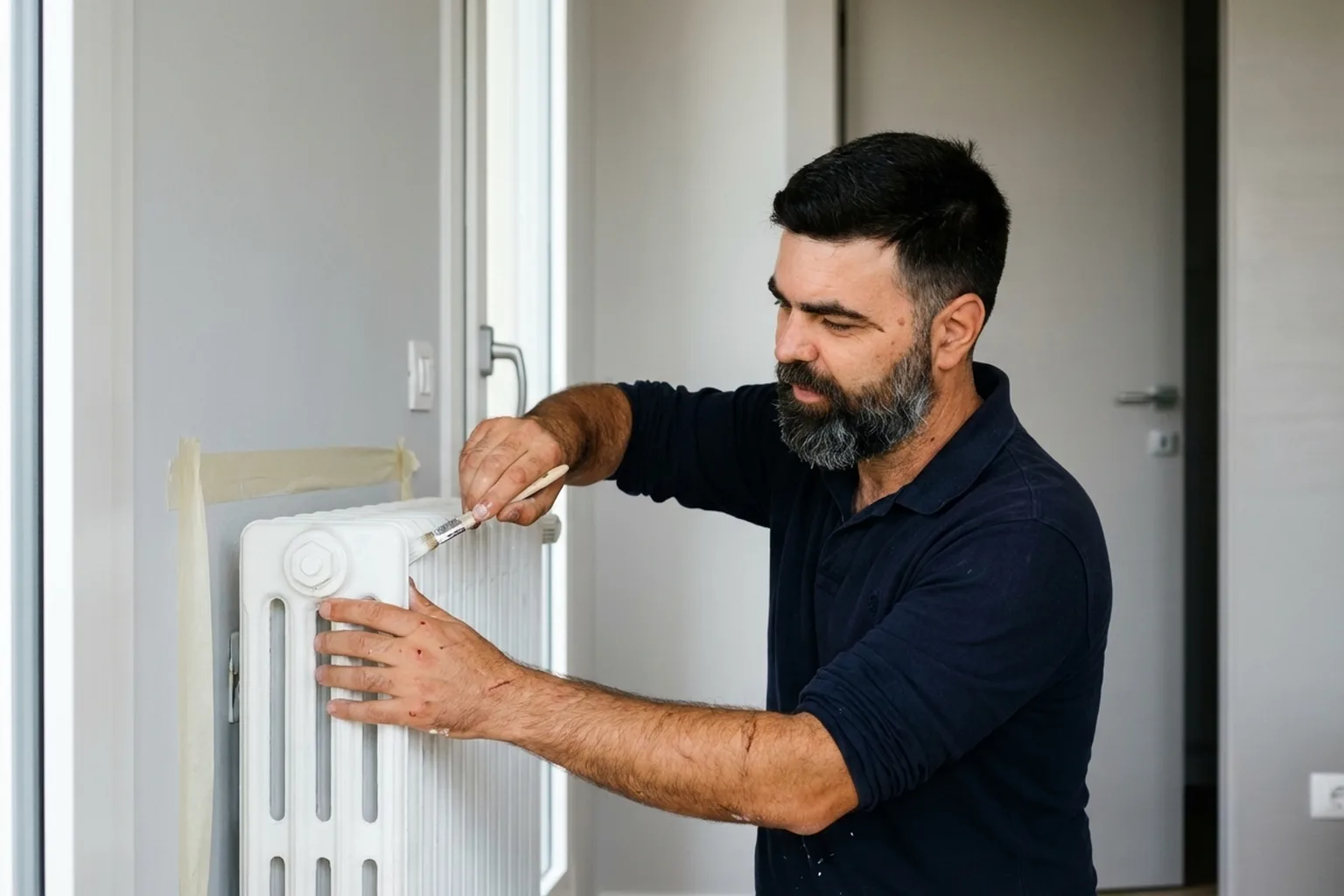
- The technician checks the radiator: type (cast iron, steel, aluminium, bimetal), condition of the coating, and how much rust is present.
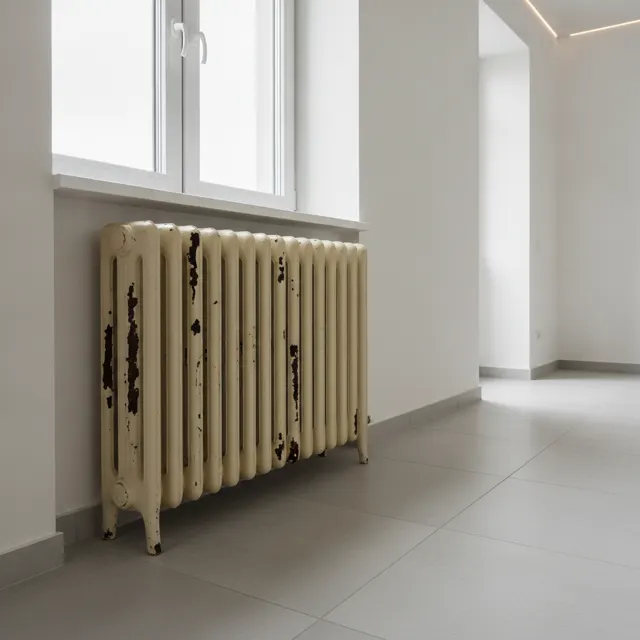
- Old paint is removed: using a wire brush, sandpaper, or chemical remover. All blistered and flaking spots are cleaned off completely.
- Rust is taken back to bare metal. Any pitting is patched with metal filler.
- The radiator and nearby area are covered — the wall behind it, the floor, and the connecting pipes.
- An anti-corrosion primer for metal is applied.
- The first coat of heat-resistant enamel goes on: with a brush or mini roller. Between sections: with an angled brush.
- After drying (4–6 hours) — the second coat. Then a side-light check for drips.
Common mistakes when painting radiators (and how to avoid them)
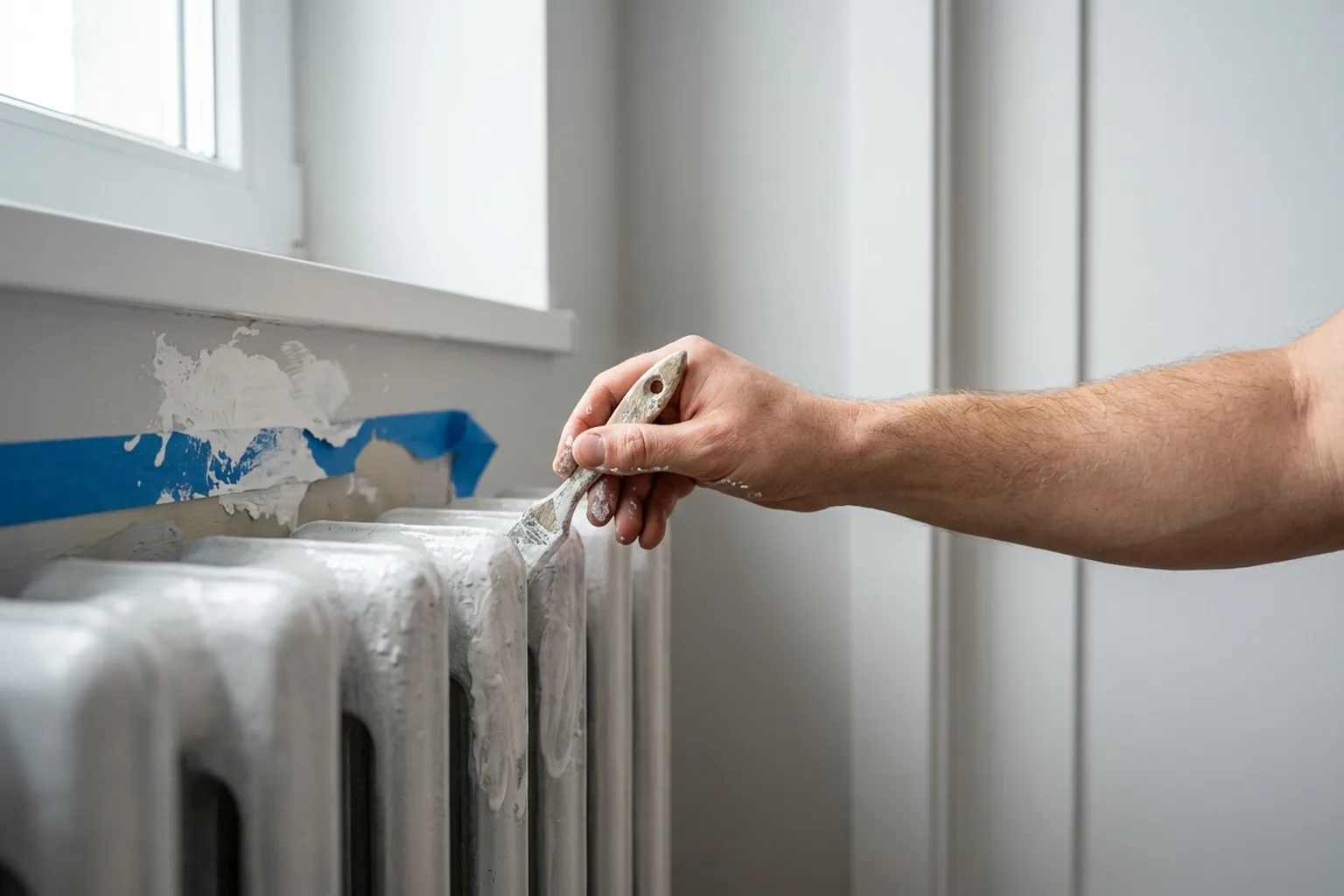
- Painting a radiator while it’s hot: the paint dries at once, leaves streaks, and the smell spreads through the whole flat.
- Using ordinary emulsion paint — after a month it turns yellow and starts coming away from the heat.
- Skipping removal of old paint: the new layer over bubbles will peel off together with them.
- Spray-painting without prep: aerosol lands on walls, furniture, and floors. Without proper preparation it will not hold up.
- Putting on one heavy coat — drips on the sections, long drying time, patchy colour.
- Ignoring the back side: you can see it from an angle, and it is often the roughest-looking part.
What to prepare before the technician arrives
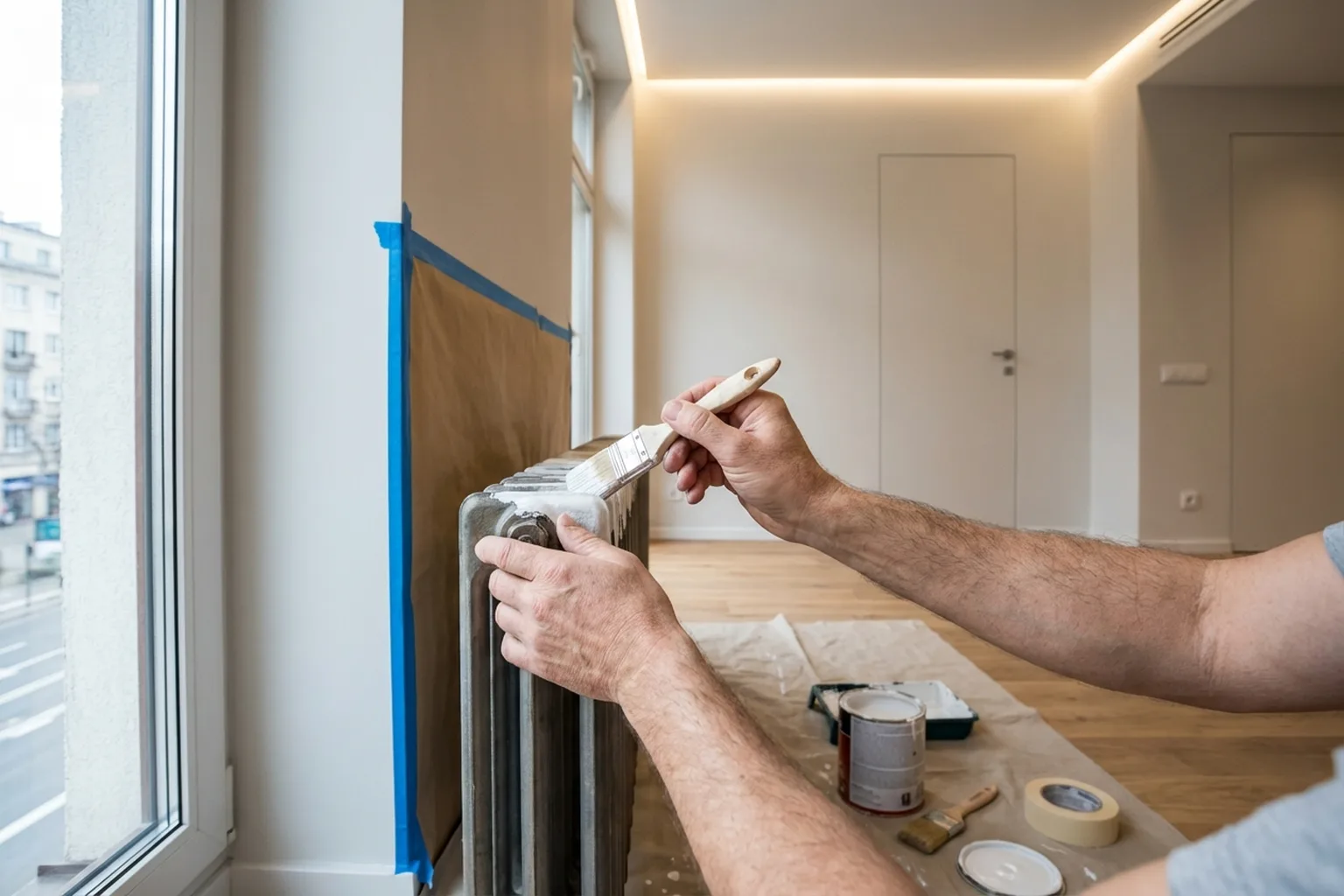
- Switch off the heating or wait until the season ends: the radiator has to be cold.
- Move furniture at least a metre away from the radiator.
- Take down curtains and the curtain rod if they get in the way.
- Empty the windowsill.
- Pick a colour: white is the classic choice, but you can match the wall or choose a contrast.
- For cast iron sectional radiators — decide whether the spaces between sections should also be painted (this is the hardest part).
- Make sure there is ventilation: open a window.
- Keep pets out of the room while the work is being done.
- Share access details: intercom, parking.
A real case from Warsaw: radiator painting
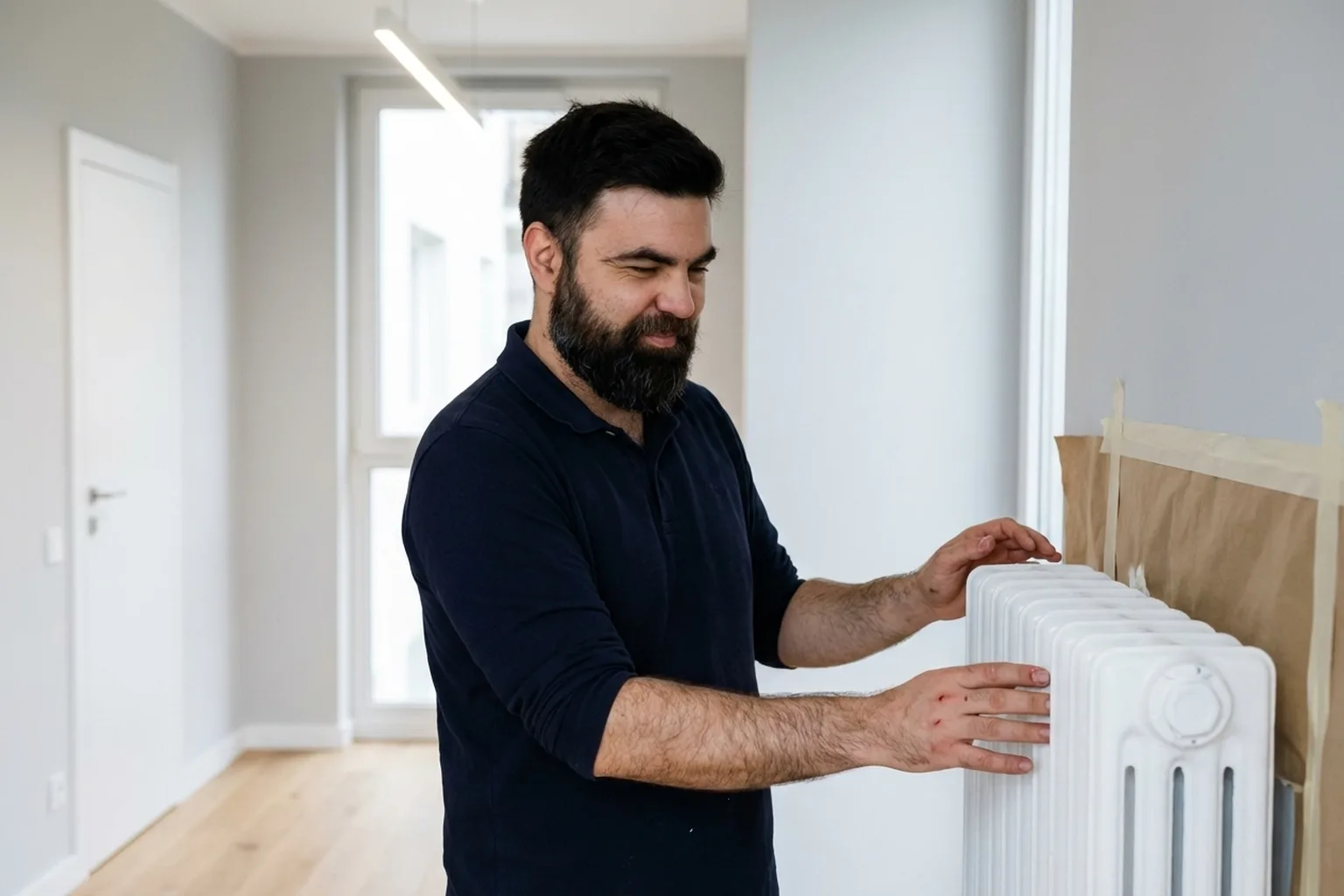
A flat in Wilanów, in a building from the early 2000s: two steel panel radiators in the living room. The paint had gone yellow and started peeling along the edges, with small rust spots showing underneath. The technician sanded both radiators, treated the rusty areas with a converter, and put on an anti-corrosion primer. After that came two coats of anthracite-grey heat-resistant enamel — the owners wanted the radiators to fit their modern interior instead of staying standard white. The whole job took half a day. The finish came out clean and even, turning the radiators from something ugly into a deliberate part of the design. The owners said the dark grey looked so good that guests thought the radiators were new designer units.
Frequently asked questions
Can you paint a hot radiator?
Better not. On a hot surface the paint dries too quickly, goes on unevenly, and the smell is far stronger. The best time to paint is outside the heating season.
What paint is suitable for radiators?
Heat-resistant alkyd or acrylic enamel (rated to +120°C). Regular paint will turn yellow and crack.
Does the radiator need to be removed for painting?
In most cases, no. The technician paints it where it is, including the back and the gaps between sections. Removal is only necessary if the radiator is badly corroded on all sides.
How long does radiator paint take to dry?
First coat: 4–6 hours. Full cure: 24 hours. It is best to wait a full day before turning the heating back on.
Cast iron or steel — is there a difference?
Cast iron sectional radiators take more time because of the relief and the gaps. Steel panel radiators are faster and easier.
Can I paint a radiator black or another dark colour?
Yes, dark radiators are very popular right now. A dark surface also gives off heat slightly better.
Who does the work
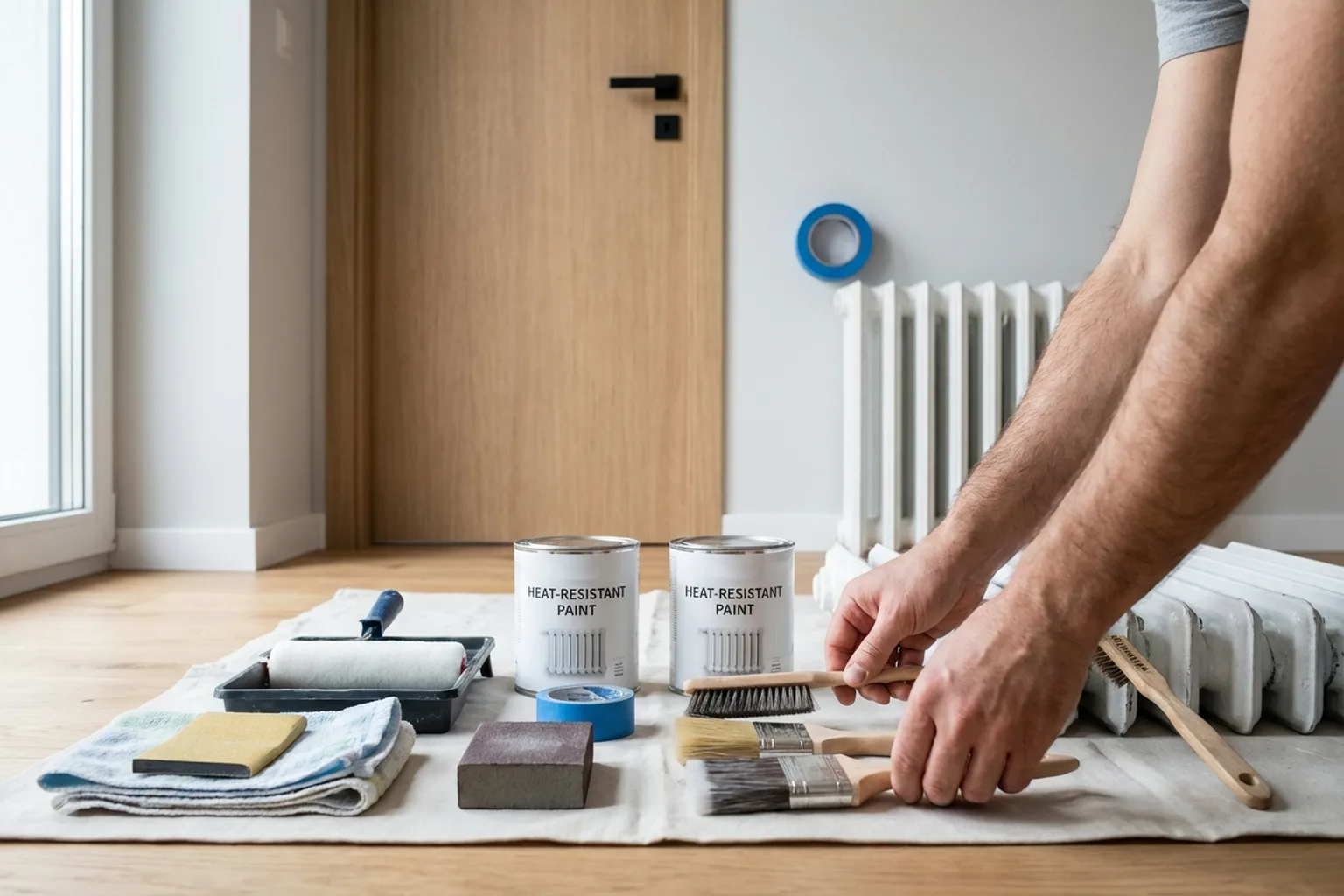
Radiator painting is done by painters with hands-on experience in metalwork. Tradespeople know how each radiator type needs to be handled.
Order in the app
Describe the job, add photos and the address. Tradespeople send their own prices and dates, and you pick one of the offers.
Open the app