
Oil-based painting: cost and what affects it
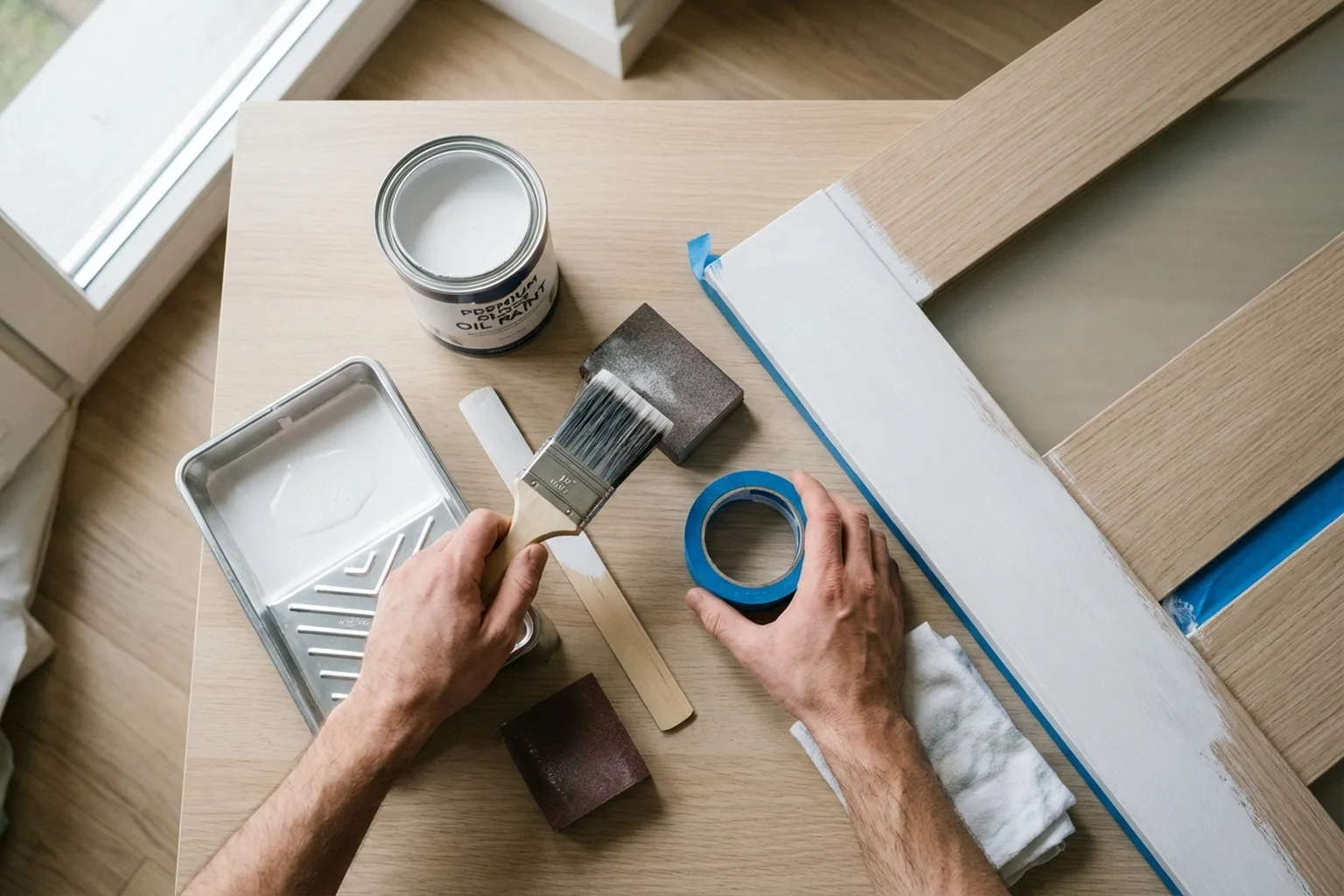
Up-to-date rates for painting work are listed in the table below. The final amount depends on the kind of surface, its condition, and how many coats are needed. Painting one radiator is not the same job as painting a whole room. Tools and consumables (brushes, rollers, masking tape) are included in the labour cost. The paint itself is treated as material and billed separately. If the old coating has to be removed or sanded, that is preparation work and is also included in the price list.
| Service | Price |
|---|---|
| Covering furniture, doors, windows and floors | 20–25 zł/m² |
| Wall cleaning before painting | 15–25 zł/m² |
| Filling holes and damage | 20–35 zł/m² |
| Wall levelling after tile removal | 60–90 zł/m² |
| Ceiling levelling | 45–80 zł/m² |
| Priming before painting | 8–14 zł/m² |
| Gypsum skim coating | 55–90 zł/m² |
| Walls and ceilings, one colour (2 coats) | 30–50 zł/m² |
| Walls in different colours | 40–60 zł/m² |
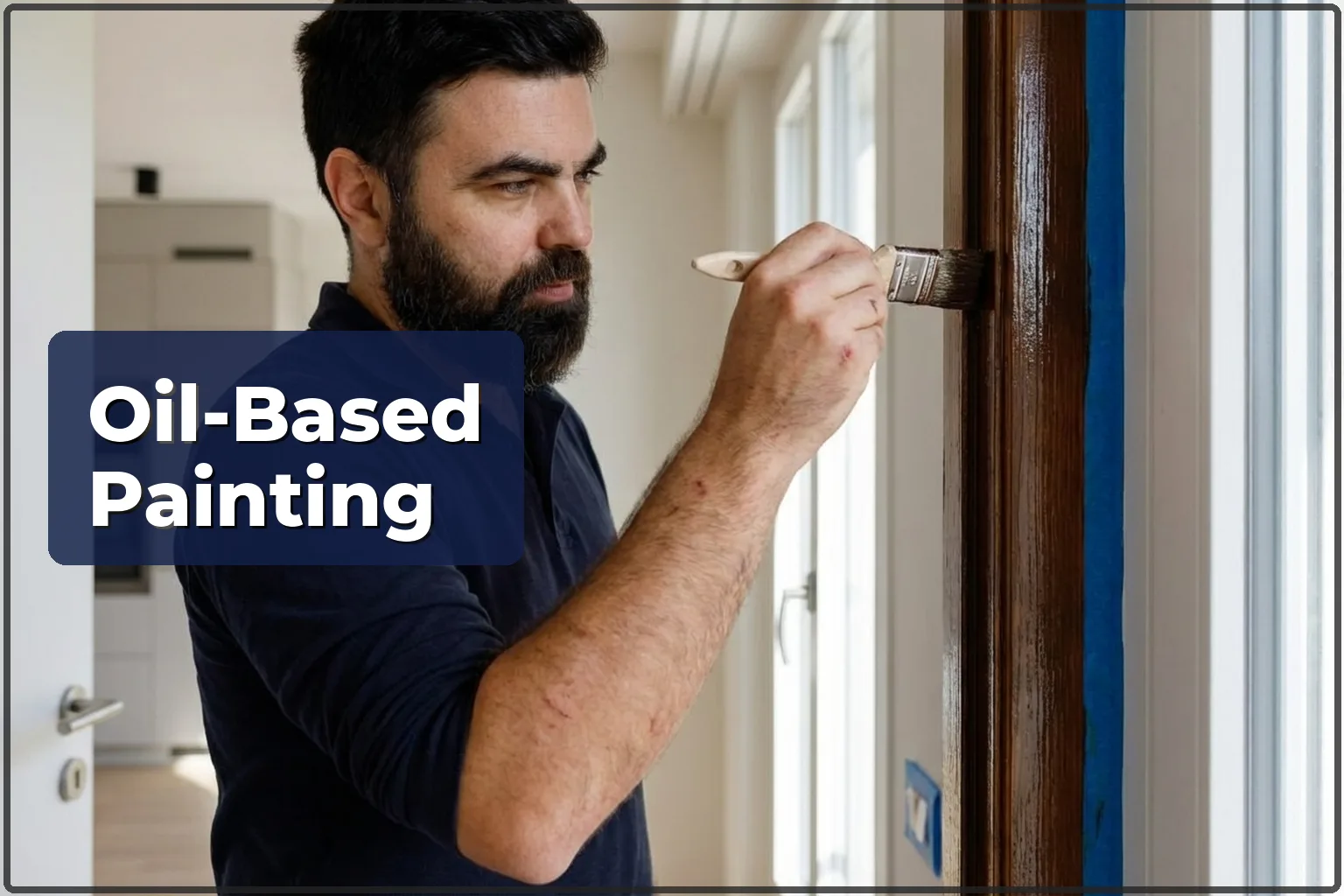
| Oil paint painting | 70–150 zł/m² |
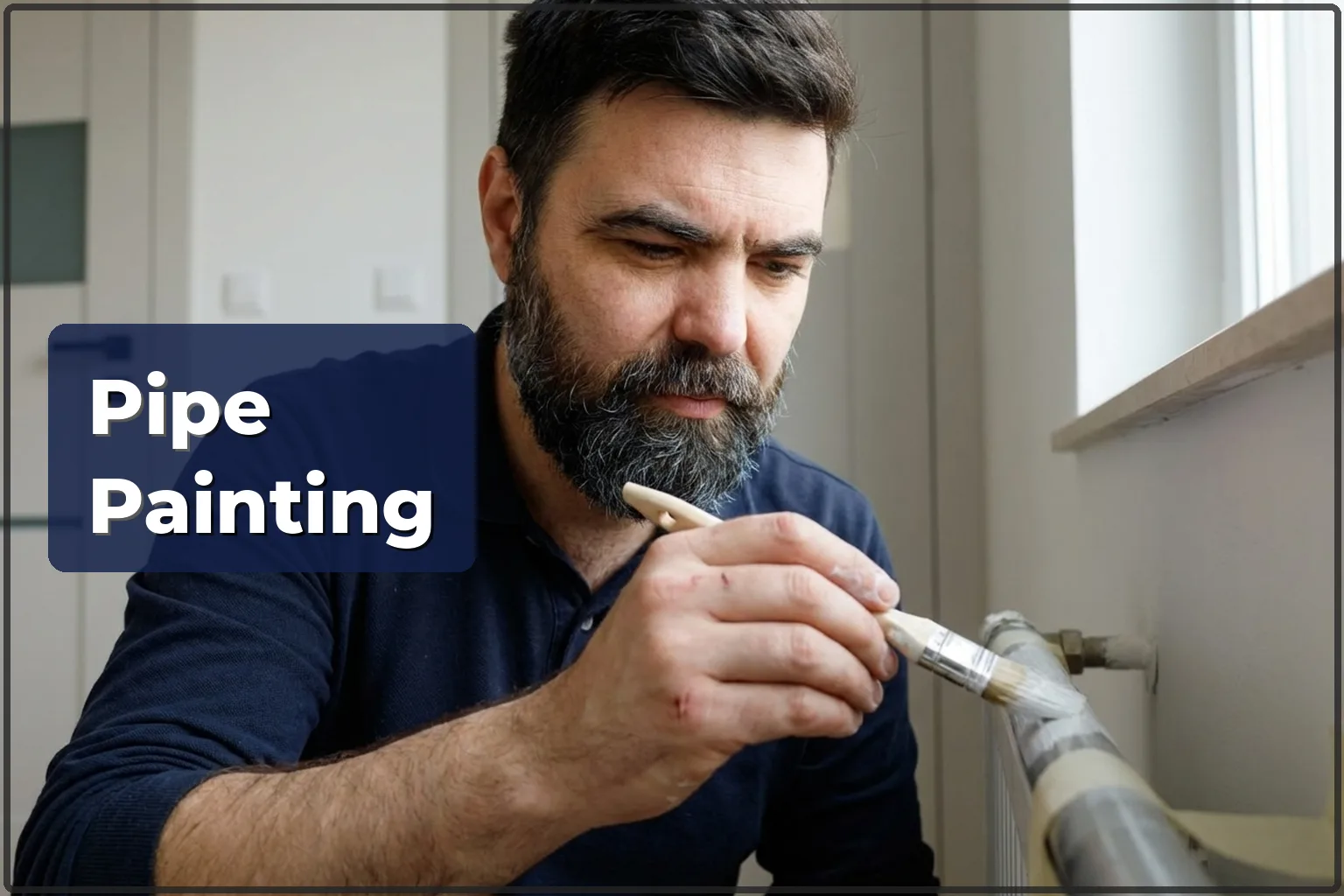
| Pipe painting (water, heating, gas) | 20–35 zł/mb |
| Radiator painting | 150–400 zł/szt |
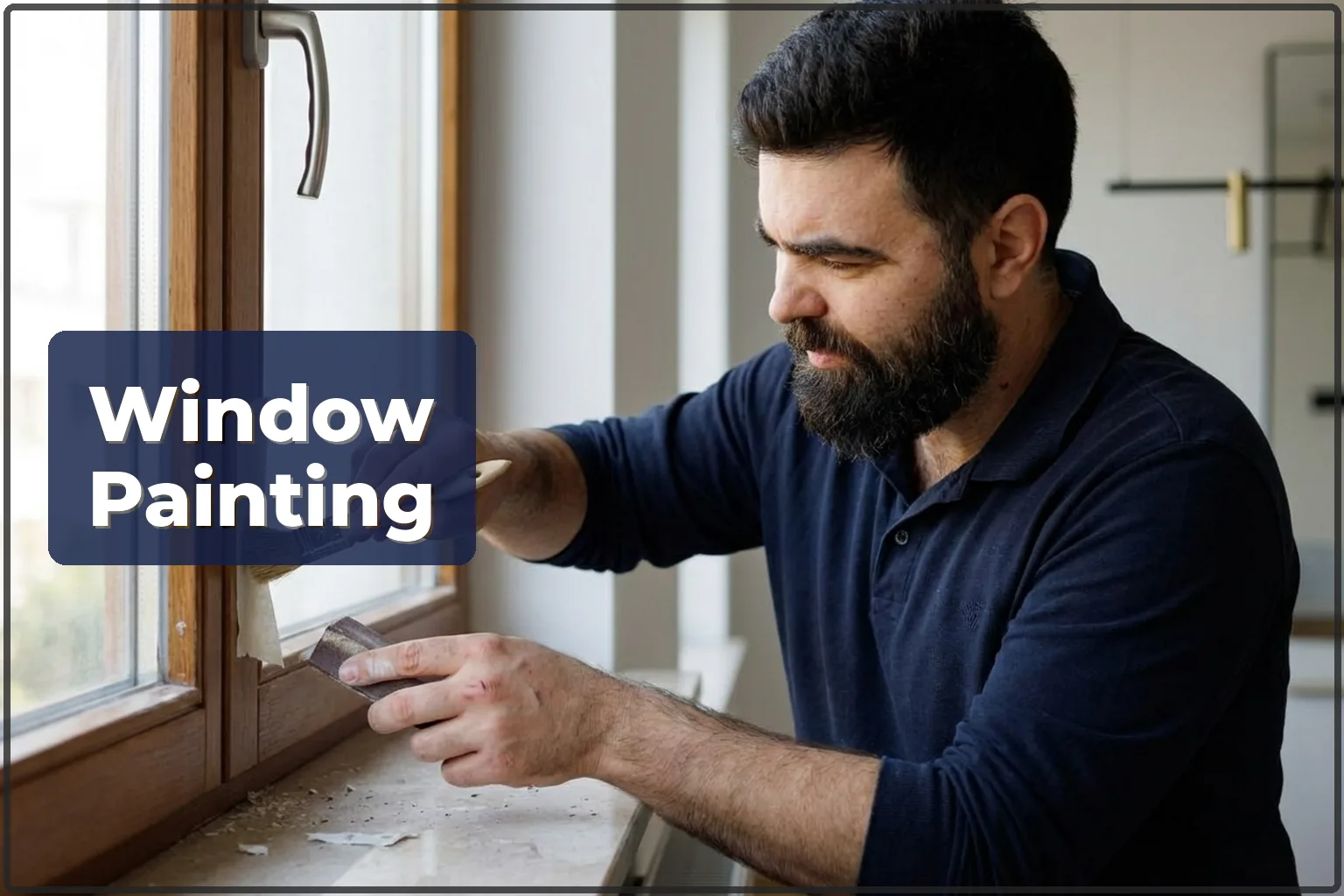
| Window painting | 150–300 zł/szt |
| Old paint removal from wood | 30–70 zł/m² |
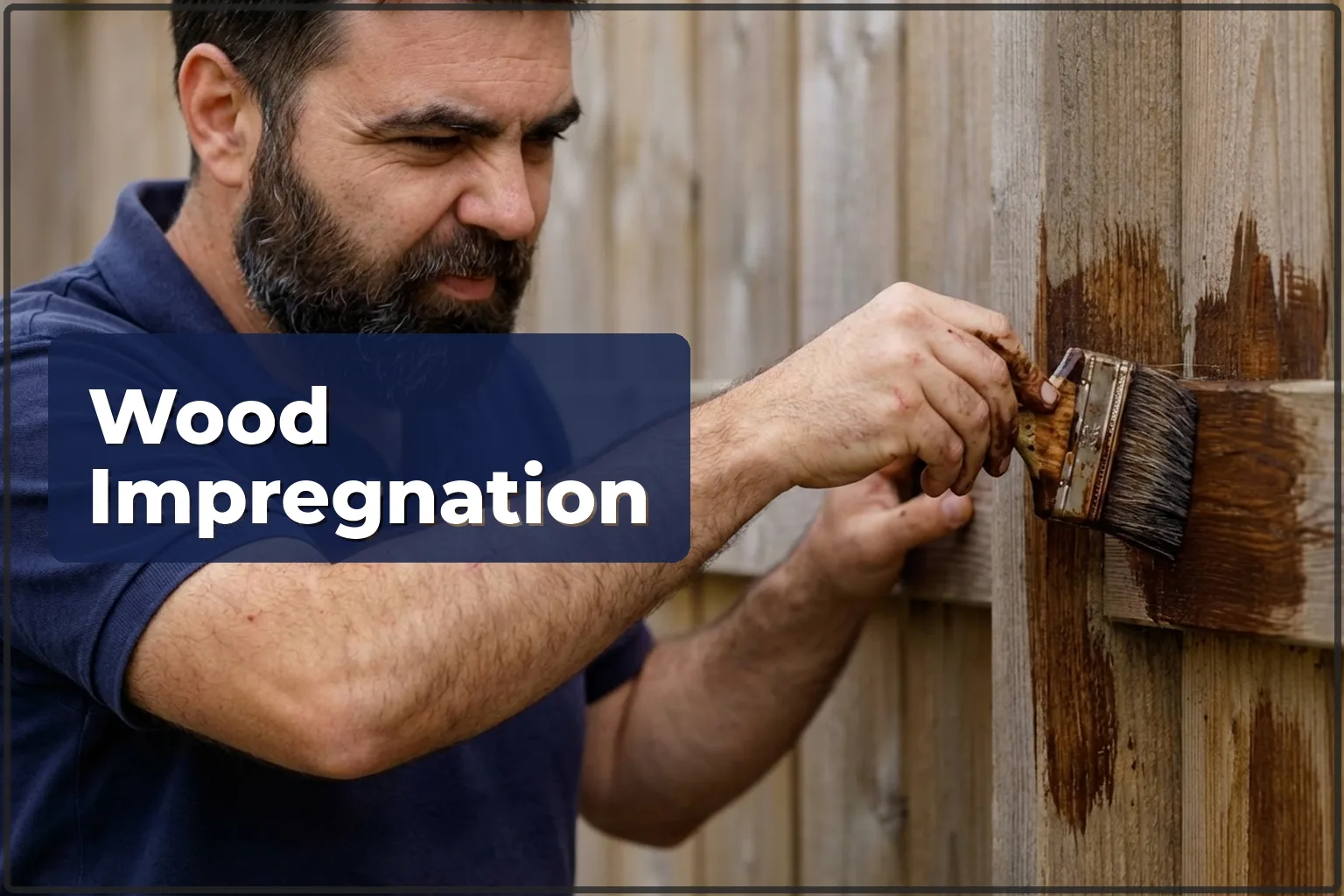
| Wood impregnation | 30–45 zł/m² |
| Old wallpaper removal | 20–35 zł/m² |
| Ceiling cornice installation | 40–75 zł/mb |
Indicative prices. Ranges for a typical scope. Fixings included, materials separate. Minimum order 300 zł.
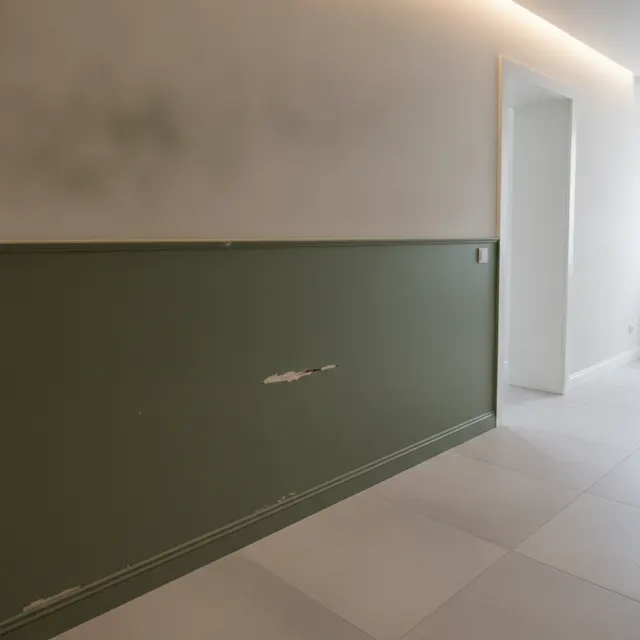
Rather hand the job over? More here: painter and decorator in Warsaw.
Oil-based painting: how the work goes
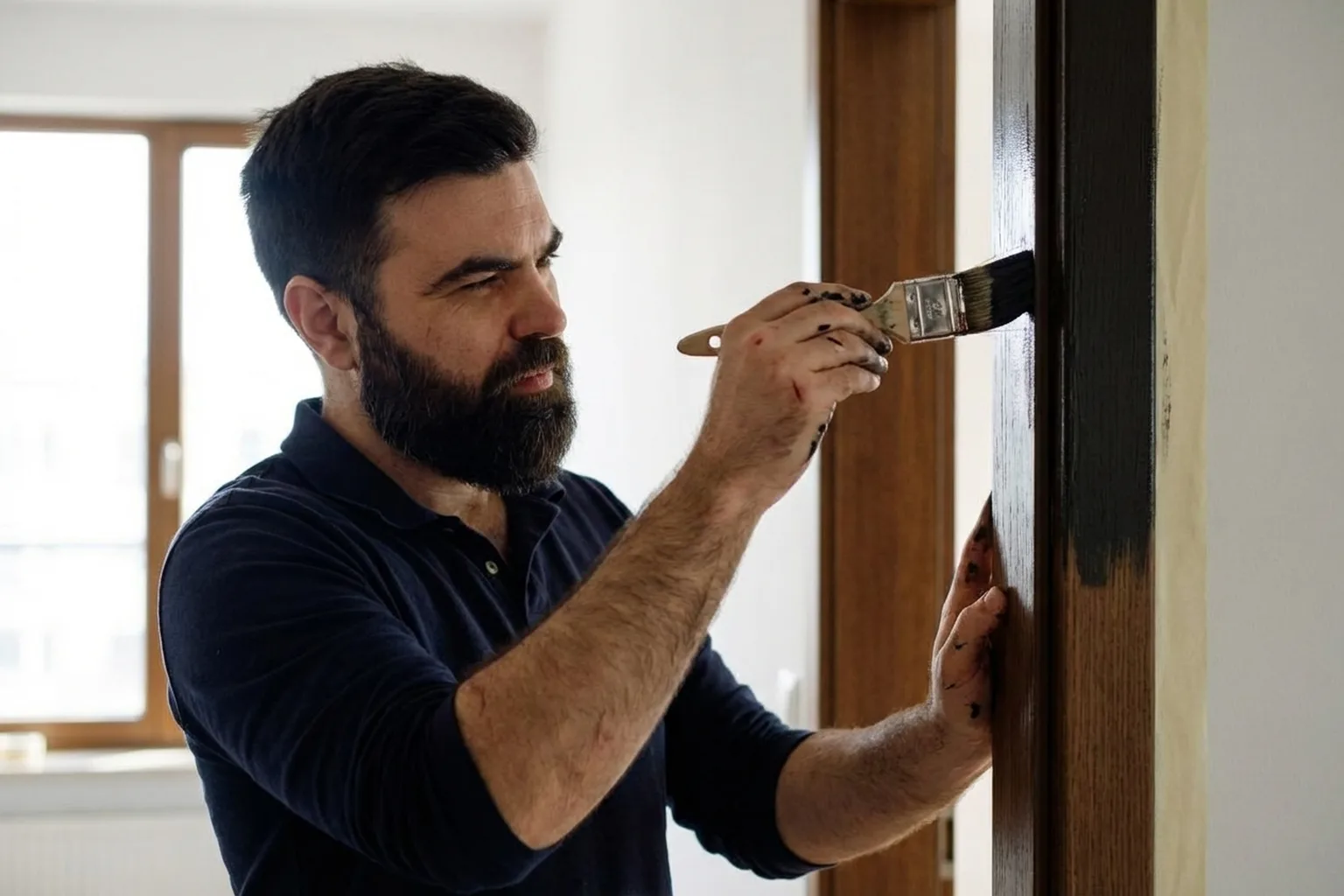
- The technician checks the surface: the state of the old paint, the condition of the wood or metal, and whether stripping is required.
- Removal of old coating or sanding — if the surface is flaking, there is no point painting over it.
- Priming: with a dedicated primer for oil-based paint. Without primer, the paint will not grip well.
- First coat of oil-based paint: applied with a brush or mini-roller, depending on the surface.
- Drying for 12–24 hours. Oil-based paint dries slower than acrylic — this is normal.
- Second coat: the final layer. It hides brush traces and gives the full depth of colour.
- Cleaning the work area. Oil paint on floors or frames has to be wiped off straight away, once it dries, removing it is very difficult.
Common customer mistakes (and how to avoid them)
- Putting latex over old oil-based paint — latex does not stick to an oil base and starts to peel.
- Skipping sanding on old oil-based paint: the fresh coat lands on a glossy layer and cannot bite in.
- Applying one heavy coat: oil paint runs into drips, dries for ages, and can wrinkle.
- Not airing out the room — oil-based paint contains solvents; without airflow the smell hangs around for weeks and the fumes are unhealthy.
- Painting below +10°C: the paint gets thick, goes on unevenly, and dries very slowly.
- Choosing the cheapest paint: saving on paint often means repainting within a year.
- Leaving out primer on bare metal — oil paint on metal without primer will begin to rust.
What to prepare before the technician arrives
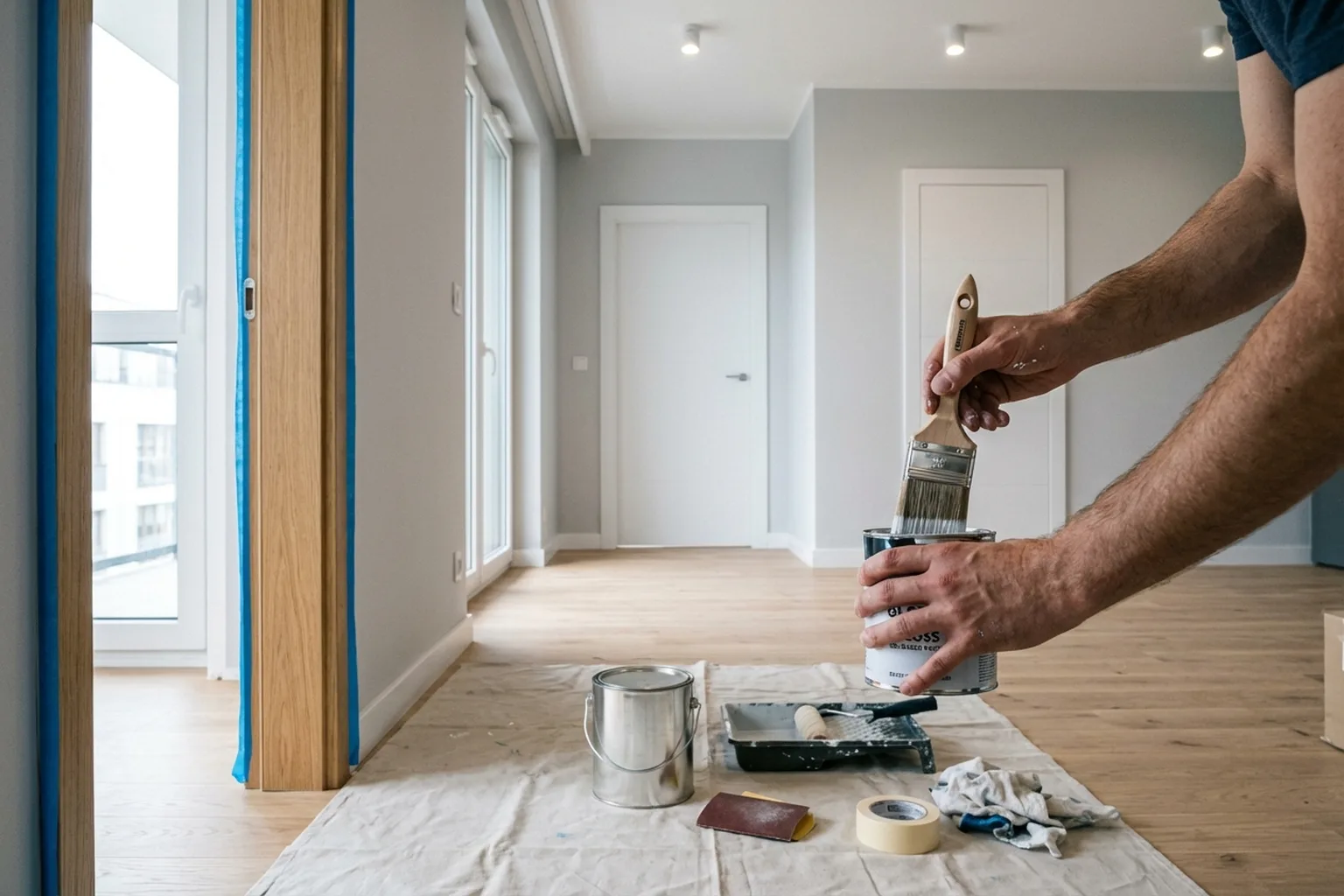
- Make sure there is ventilation: open windows or switch on an extractor fan. Oil paint has a strong smell; this is not acrylic.
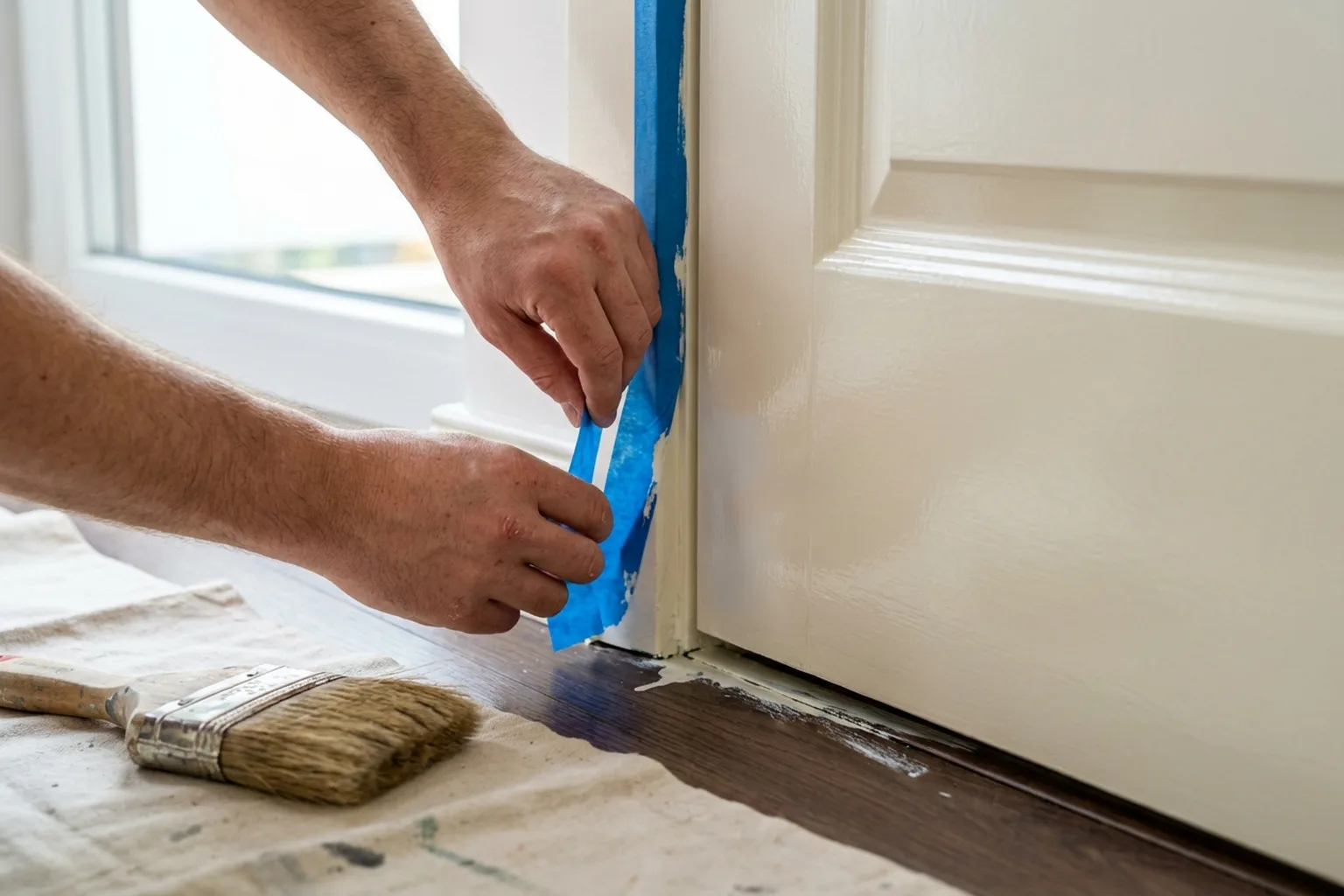
- Move furniture away or cover the furniture and floor with sheeting, once oil paint dries, cleaning it off is almost impossible.
- If they are painting radiators — switch off the heating or wait for the off-season. Paint on a hot radiator does not level properly.
- Choose the finish you want: gloss, semi-matt, or matt. Oil paint is available in all three.
- If they are painting doors, remove handles and hinges (or the technician can do that for an extra charge).
- Make sure there is access to a power socket, a sander might be needed.
- Cover ventilation grilles: sanding dust spreads through the flat.
- Let your neighbours know about the smell — it helps keep good relations.
- Confirm the number of doors, radiators, or elements: this affects the timeline.
- Provide access details: intercom code, parking.
Oil-based painting in practice: a Warsaw case
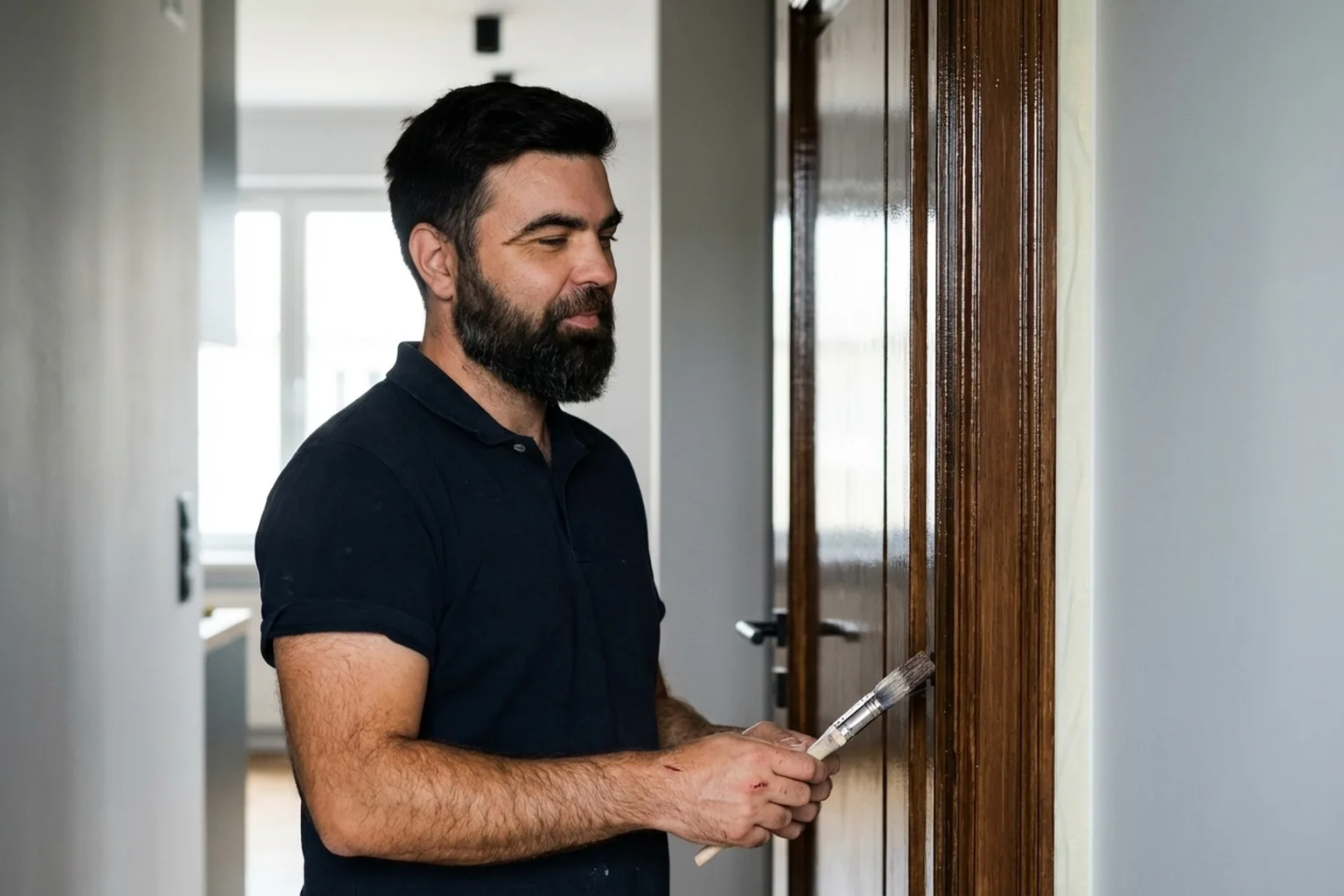
A ground-floor flat in Wola, in a 1950s tenement house. The owner had four solid wooden doors: original ones, with raised panels, painted over countless times through the years. The last layer was cracked and coming away in sheets. At some point someone had tried putting latex over oil — the result was a sticky mess that peeled off in strips. The painter stripped all four doors back to bare wood with a heat gun and scraper, filled small cracks with wood filler, primed them with alkyd primer, and applied two coats of alkyd enamel in a warm white shade. The work took four days: one day for stripping and prep, then three more for two coats with drying overnight. The doors now look like new from the factory: smooth, even, with a slight sheen that wipes clean with a damp cloth. The owner said he had thought about replacing them, but after painting they look better than any new door from the shop.
Frequently asked questions
Why is oil-based paint better than latex for some surfaces?
Oil-based paint gives a harder, smoother finish. It works better on surfaces that are washed, touched, or heated: doors, trim, radiators, window sills.
How long does oil-based paint take to dry?
Touch-dry in 6–8 hours. Between coats — 12–24 hours. Full cure: 5–7 days. Do not wash the surface during that time.
Is it true that oil-based paint yellows over time?
White oil paint made with linseed oil can yellow, especially in dark areas. Alkyd enamels yellow less. On well-lit surfaces the effect is almost impossible to notice.
Can you use oil-based paint on walls?
Technically, yes. But on walls, latex or acrylic works better: it dries faster, has no smell, and is easier to repaint later. Oil on walls only really makes sense in damp rooms.
How do you get rid of the smell after painting?
Ventilation is the main answer. Open windows to create a cross-draught for 2–3 days. Bowls of water or activated charcoal help a little, but airflow does the real job.
Can you apply latex paint over an oil-based coat?
Only after thorough sanding and the use of a specialist adhesion primer. Without that prep: the latex will peel off.
Who does the work
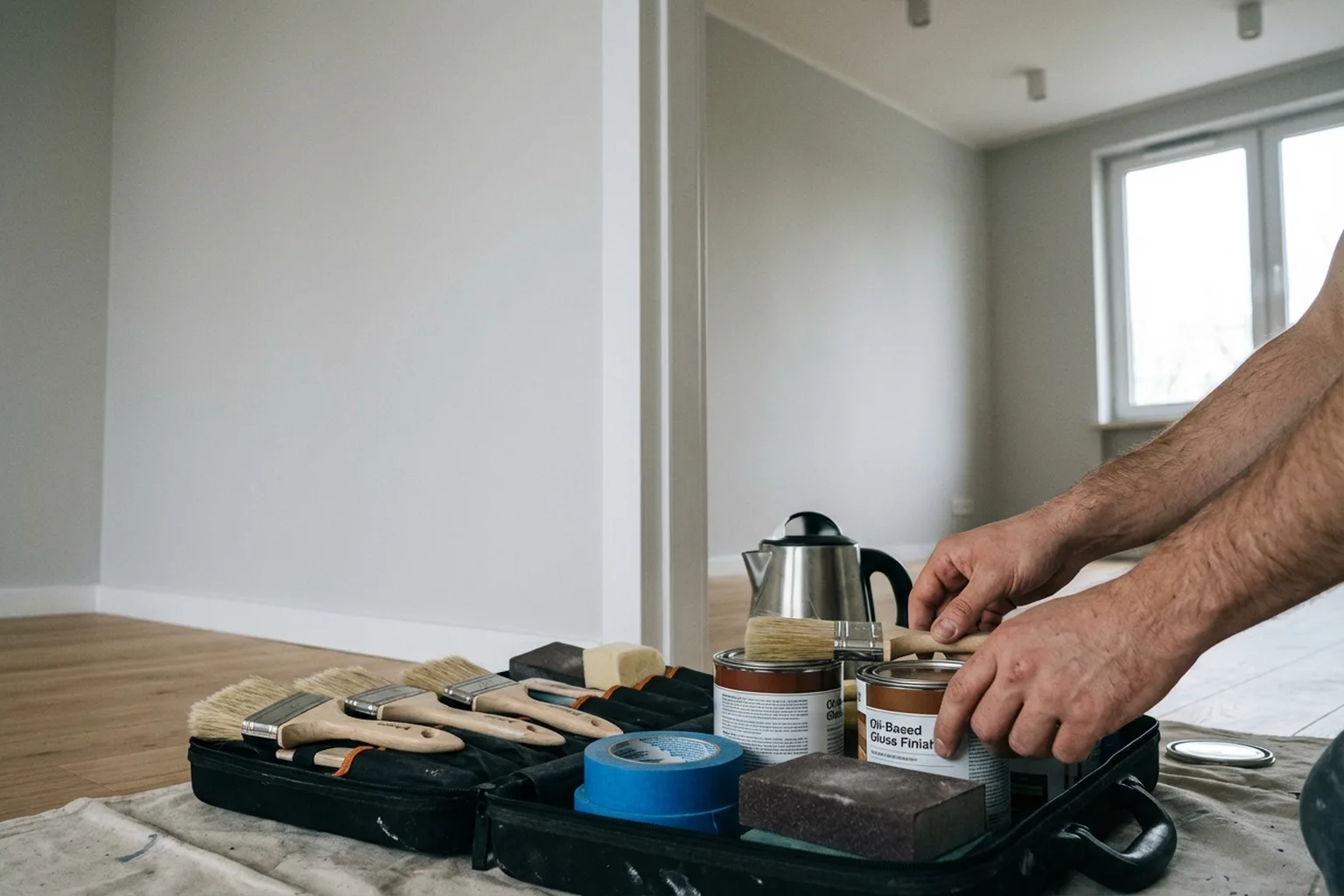
Oil-based painting is done by experienced painters who focus on wood and metal surfaces. Tradespeople work across all of Warsaw — they can come out for an estimate, choose the right paint, and fix a convenient date.
Order in the app
Describe the job, add photos and the address. Tradespeople send their own prices and dates, and you pick one of the offers.
Open the app