How much does wallpaper removal cost in Warsaw?
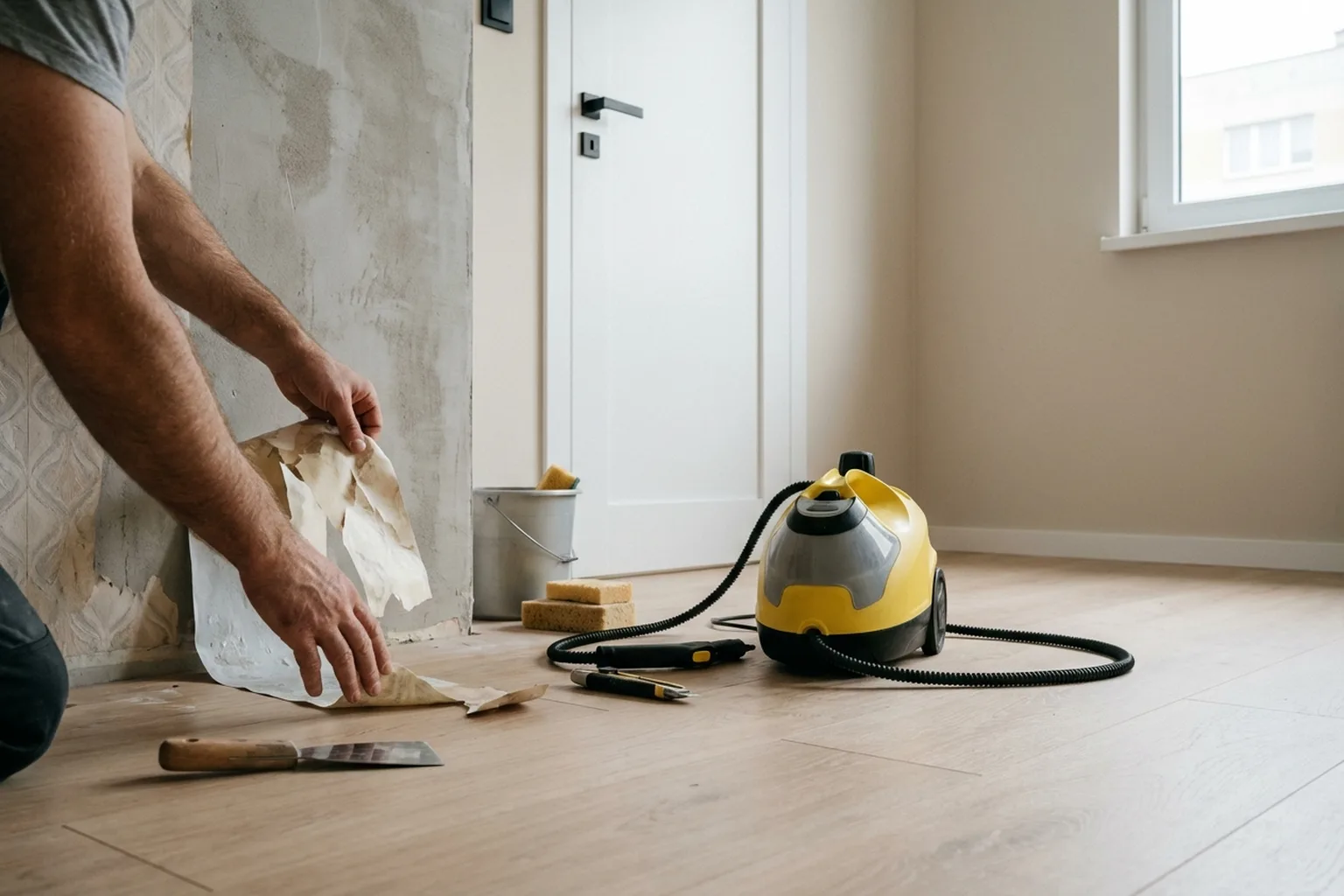
Up-to-date prices are listed in the table below. The final cost is shaped by the wallpaper type (paper, vinyl, non-woven), how many layers are on the wall, the kind of adhesive used, and the total wall surface. One layer of paper wallpaper strips much quicker than three vinyl layers fixed with PVA. The tradesperson’s tools are part of the price. Consumables (solvents, protective sheeting) are billed separately. Waste disposal can be arranged for an extra fee.
| Service | Price |
|---|---|
| Covering furniture, doors, windows and floors | 20–25 zł/m² |
| Wall cleaning before painting | 15–25 zł/m² |
| Filling holes and damage | 20–35 zł/m² |
| Wall levelling after tile removal | 60–90 zł/m² |
| Ceiling levelling | 45–80 zł/m² |
| Priming before painting | 8–14 zł/m² |
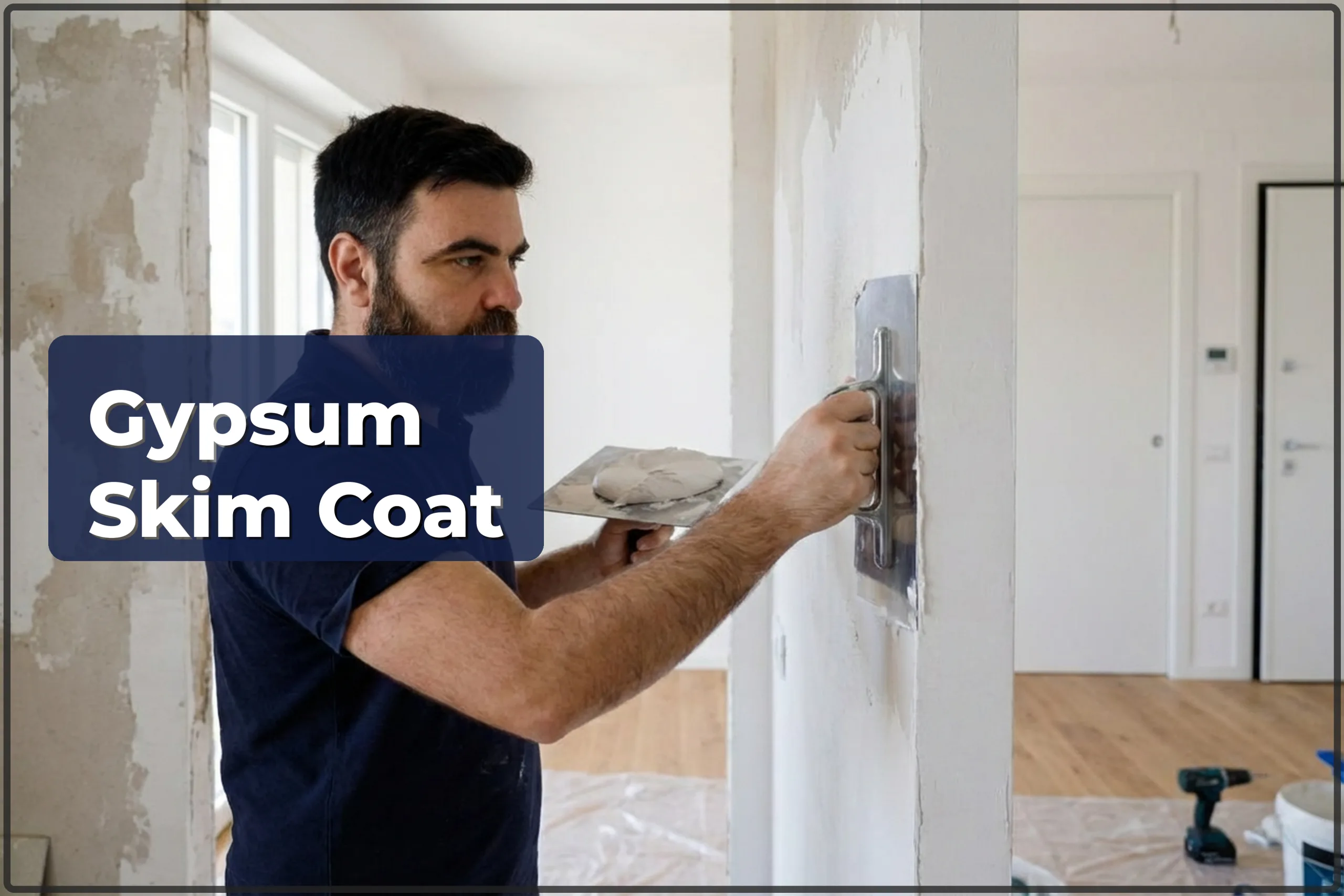
| Gypsum skim coating | 55–90 zł/m² |
| Walls and ceilings, one colour (2 coats) | 30–50 zł/m² |
| Walls in different colours | 40–60 zł/m² |
| Oil paint painting | 70–150 zł/m² |
| Pipe painting (water, heating, gas) | 20–35 zł/mb |
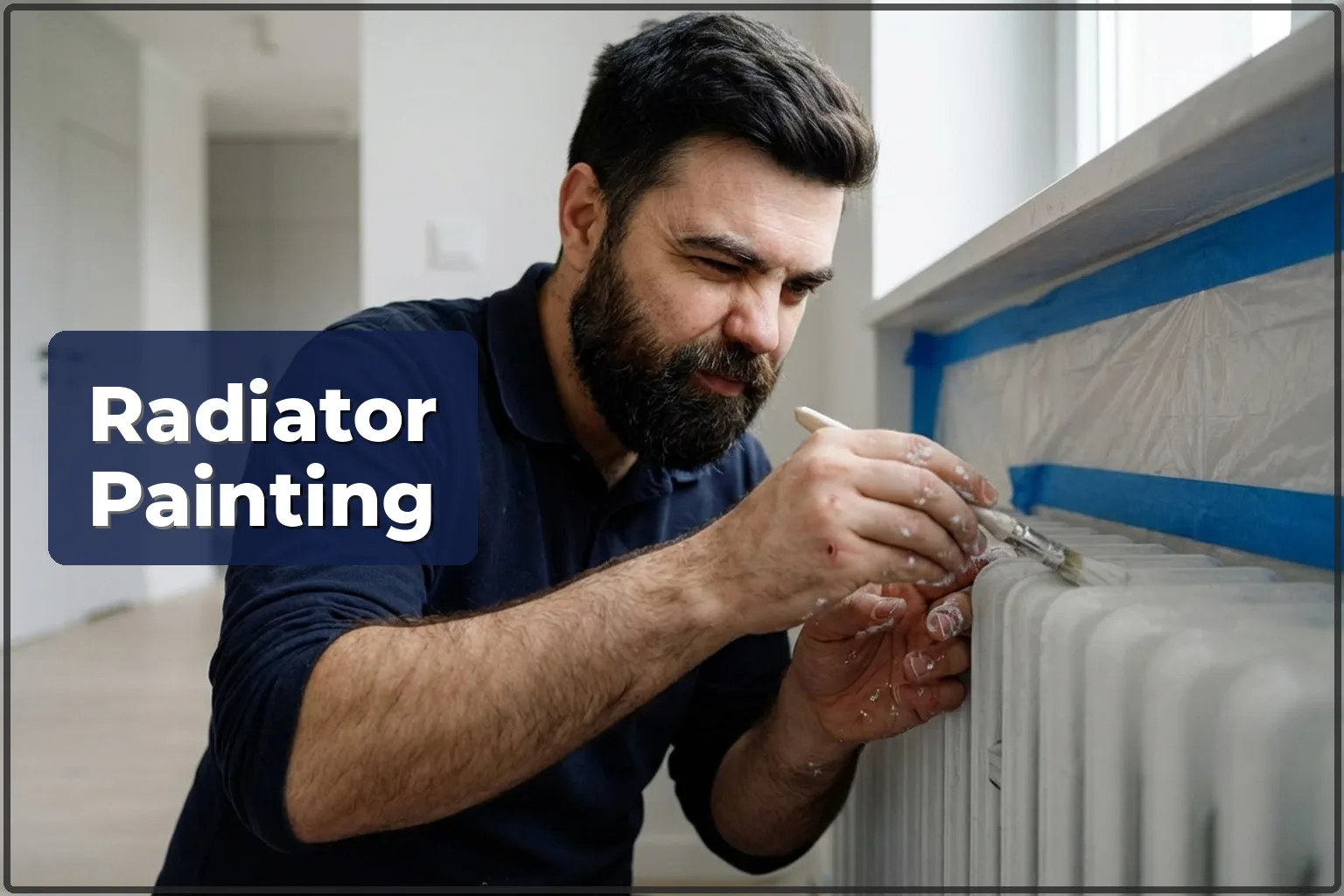
| Radiator painting | 150–400 zł/szt |
| Window painting | 150–300 zł/szt |
| Old paint removal from wood | 30–70 zł/m² |
| Wood impregnation | 30–45 zł/m² |
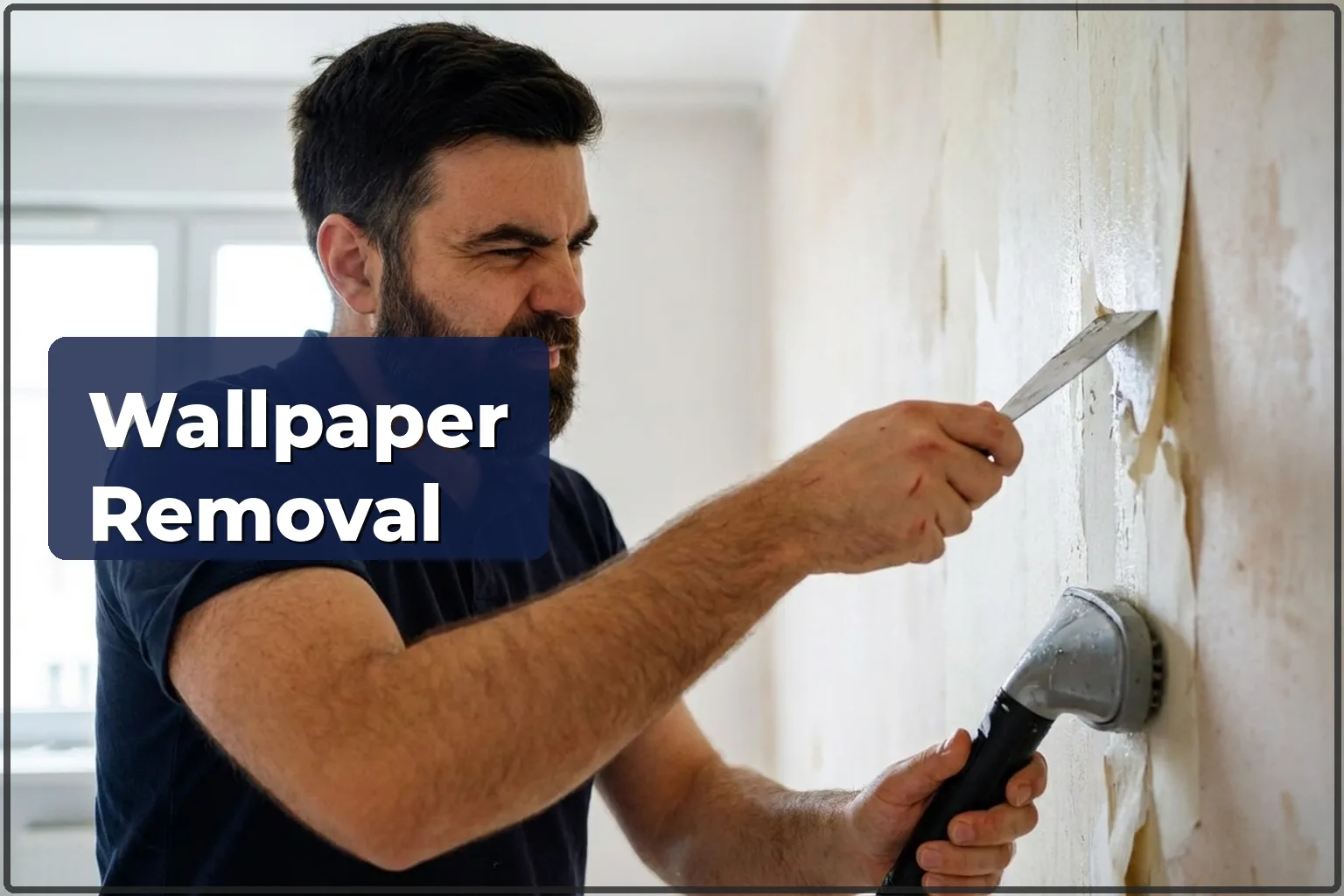
| Old wallpaper removal | 20–35 zł/m² |
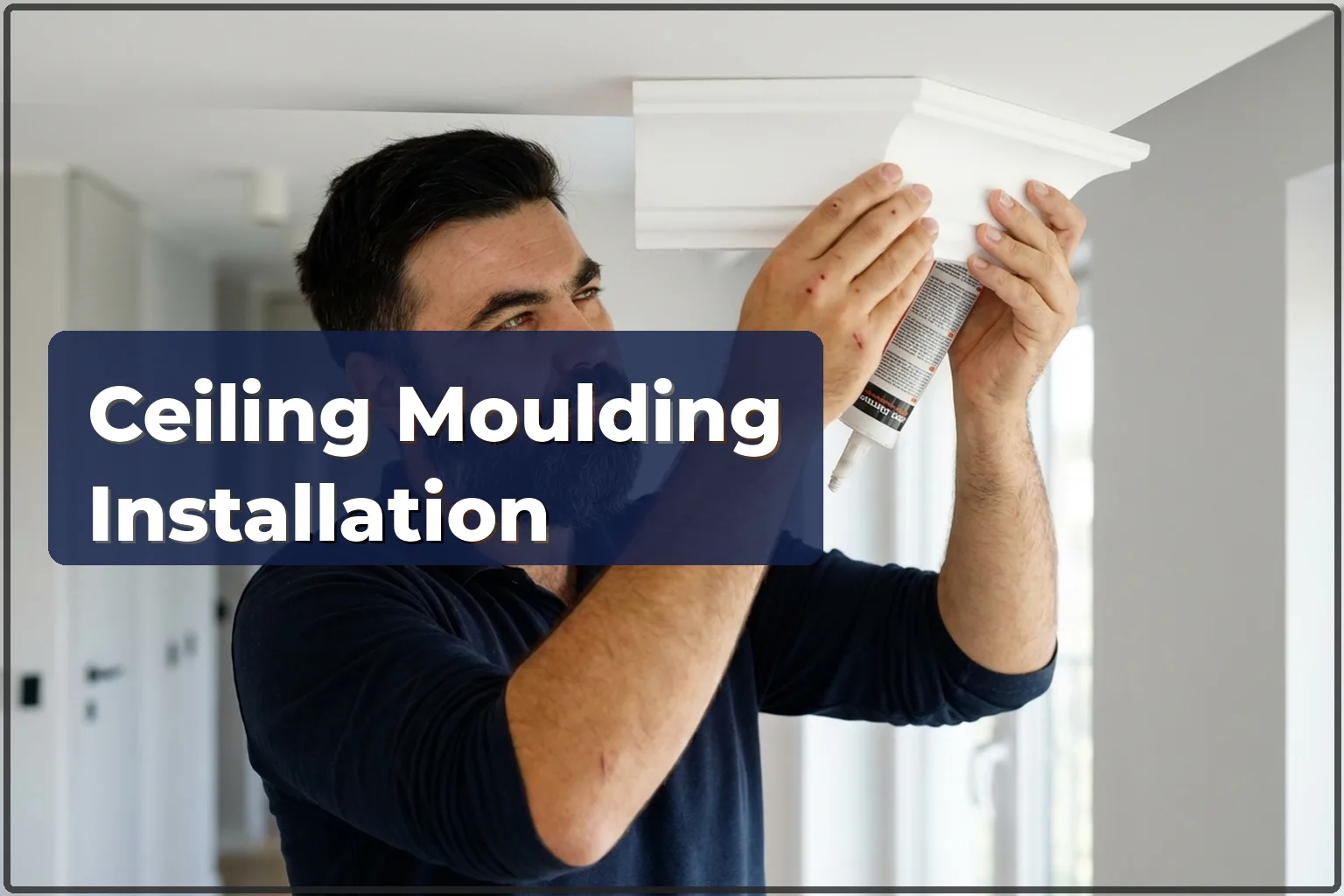
| Ceiling cornice installation | 40–75 zł/mb |
Indicative prices. Ranges for a typical scope. Fixings included, materials separate. Minimum order 300 zł.
Rather hand the job over? More here: painter and decorator in Warsaw.
How wallpaper removal is done
- The technician checks the walls: works out the wallpaper type, number of layers, glue type, and the condition of the surface underneath.
- Floors and furniture are covered with protective sheeting — water, glue, and bits of wallpaper get everywhere.
- Sockets and switches are disconnected from the mains and sealed with masking tape (water and live electrics are a bad mix).
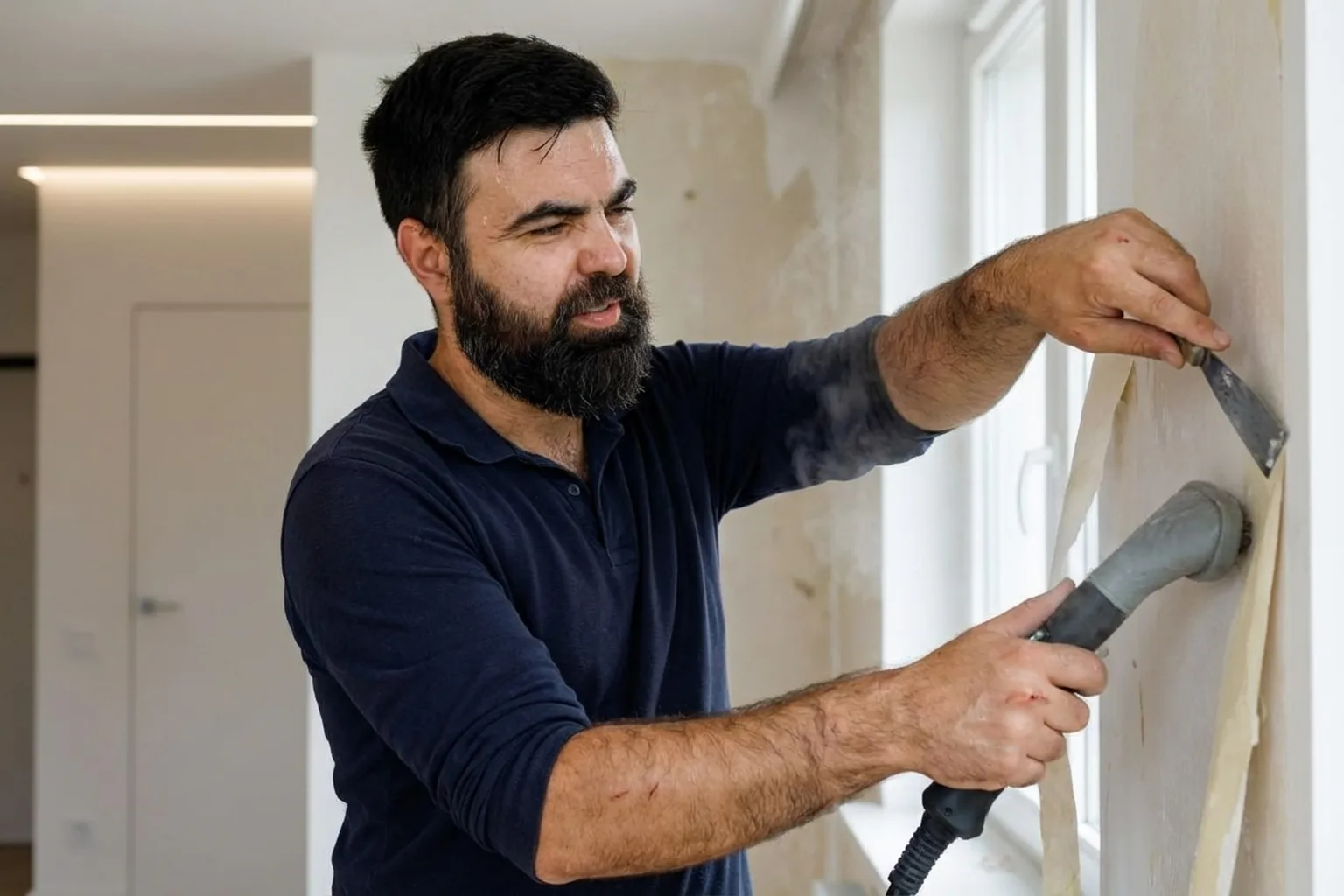
- The wallpaper is wetted with warm water from a spray bottle, or a specialist adhesive remover is used. With vinyl wallpaper, the surface is first perforated with a spiked roller so moisture can get through to the glue.
- After 10–15 minutes, the softened wallpaper is scraped off with a wide scraper, starting at the seams. On stubborn spots, a steam stripper is brought in.
- Glue residue is washed off or scraped away. The wall is then checked for level and plaster condition.
- If the base is loose or damaged, the technician advises on the next stage: priming, filling, or patch-plastering.
Common customer mistakes (and how to avoid them)
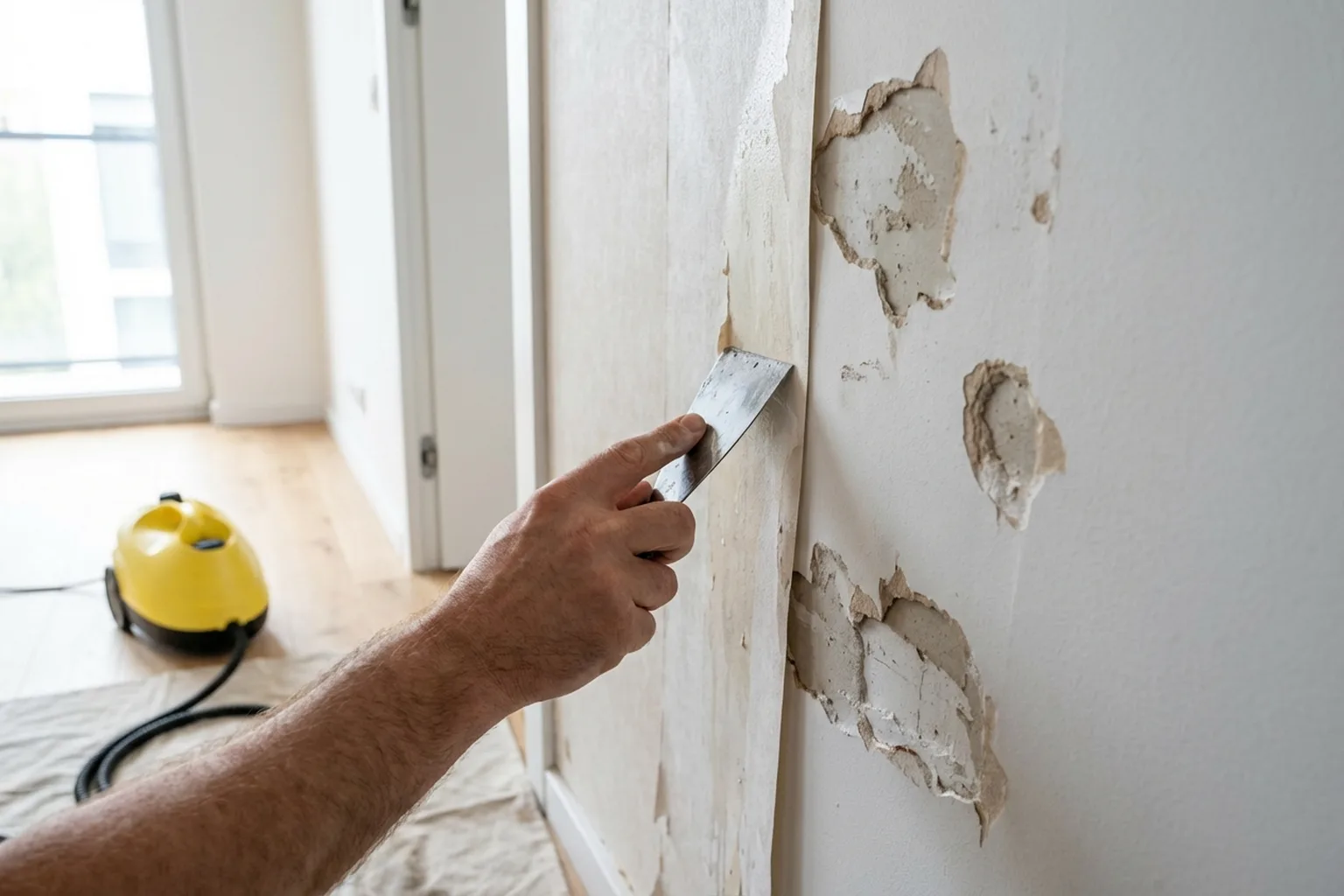
- Pulling wallpaper off dry: the paper breaks into tiny bits, the glue stays on the wall, and the work takes three times as long.
- Soaking the wall with water without any prep — water runs onto the floor, gets into sockets, and ruins laminate flooring.
- Not checking the number of layers: you begin removing the top one and then find two more below, which throws the whole time estimate off.
- Putting new wallpaper over old: “to save time”. Six months later the new layer blisters and peels away together with the old one.
- Leaving sockets live, a wet scraper touches a terminal and trips the breaker (if you’re lucky).
- Using a solvent that is too aggressive without testing a small area first — it damages the plaster or plasterboard behind the wallpaper.
- Skipping floor protection: wet wallpaper scraps covered in glue dry onto laminate and leave marks behind.
What to prepare before the technician arrives
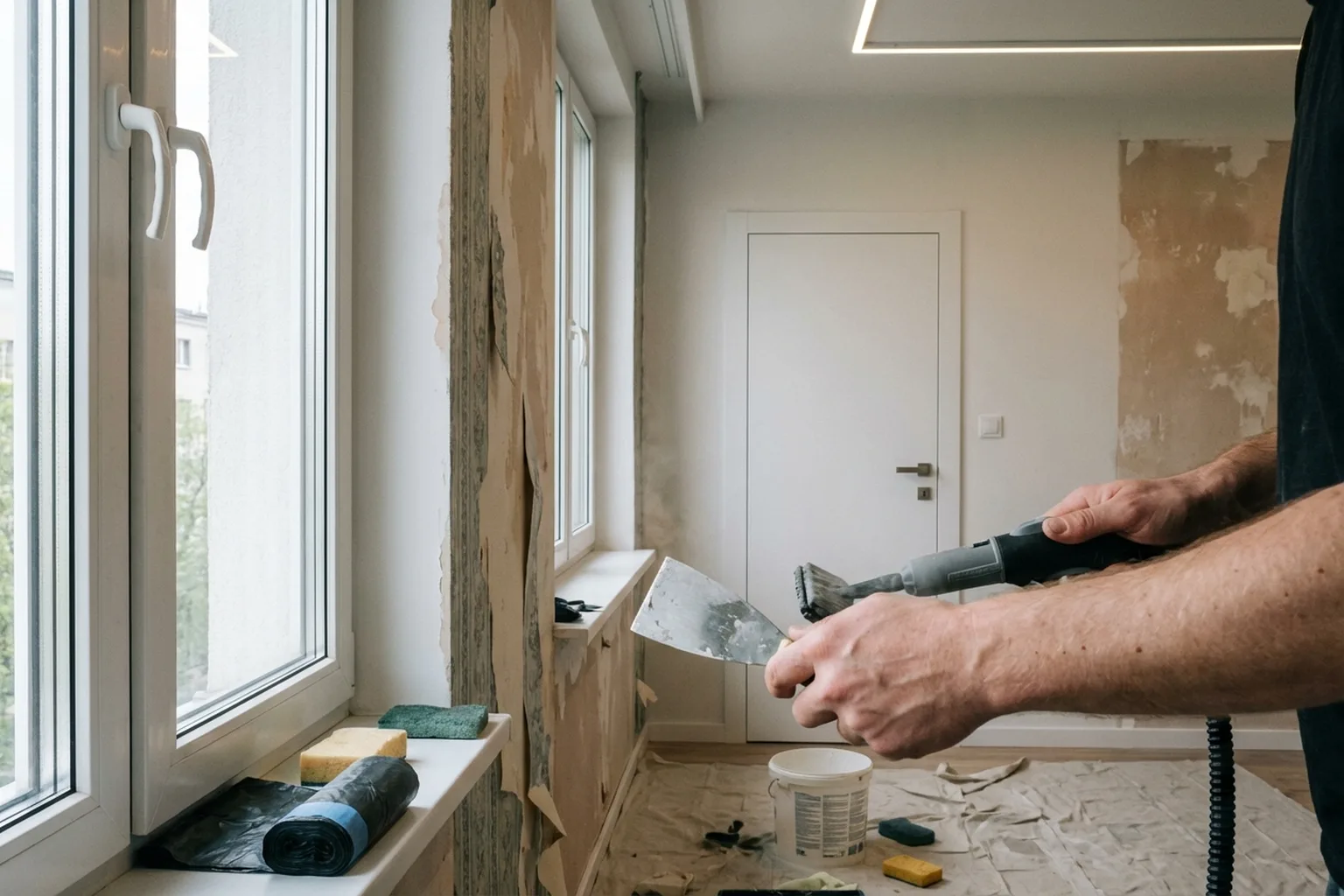
- Move furniture at least one metre away from the walls, or empty the room completely.
- Take down pictures, shelves, curtain rails — anything fixed to the walls.
- Make sure there is access to the consumer unit, the technician will switch off the circuit for that room.
- Prepare large rubble sacks: there will be plenty of waste.
- If you have hardwood or laminate flooring, tell the technician so extra floor protection can be put down.
- Make sure hot water is available — warm water softens glue much faster than cold.
- Open a window for ventilation, especially if a chemical remover is going to be used.
- Tell the technician what comes after removal: painting, new wallpaper, decorative plaster, the level of wall prep needed depends on that.
- Give building access details: intercom code, parking.
A real case from Warsaw: wallpaper removal
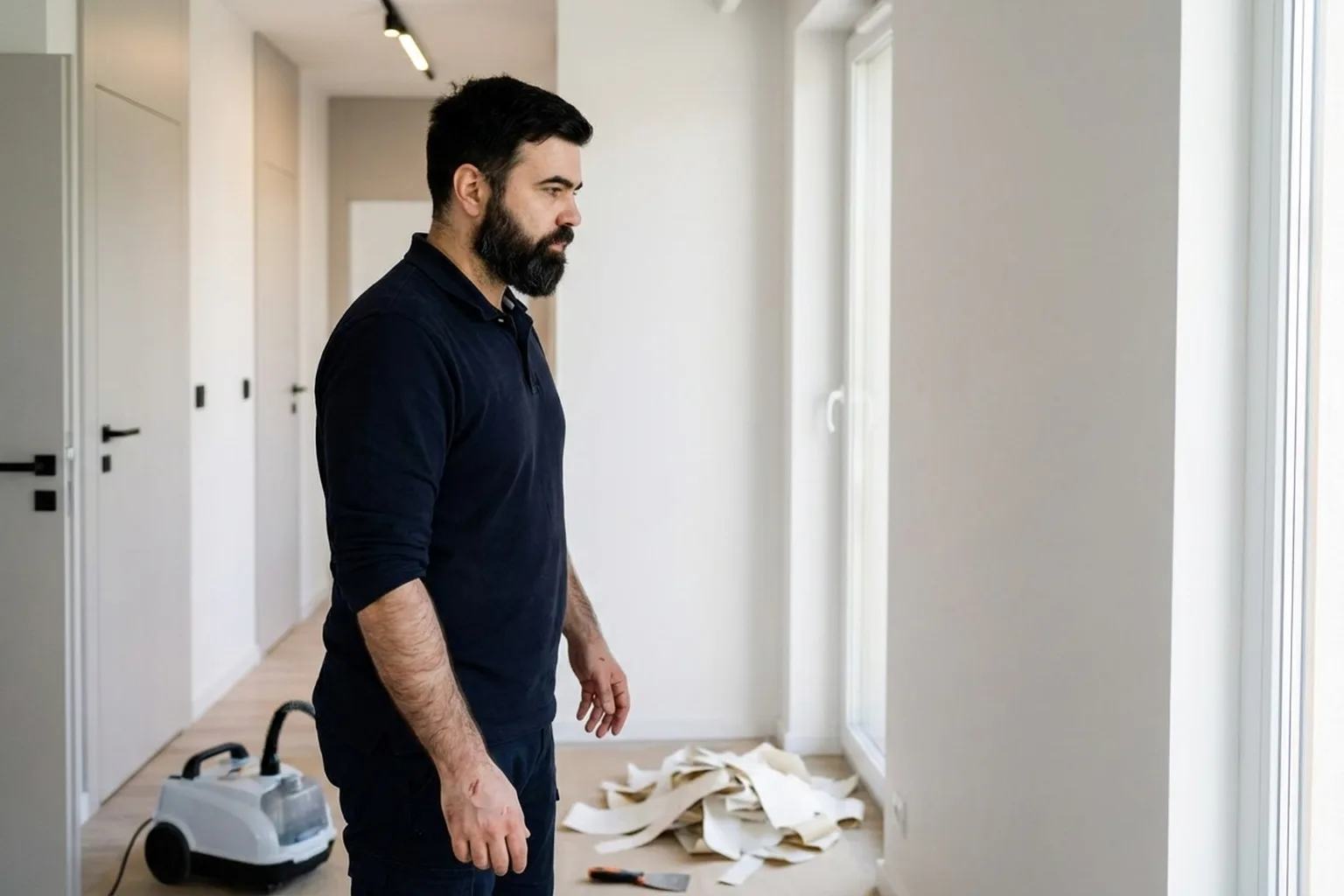
A one-bedroom flat in Zoliborz, a 1972 concrete-panel block, with roughly 35 m² of wall area. The new owner wanted everything painted white to get a fresh, modern finish. The existing wallpaper was textured vinyl: it looked like a single layer, but after scoring and soaking, a second paper layer showed up underneath, stuck on with what turned out to be casein adhesive. The vinyl top layer came away in large sheets once the spiked roller and warm water had done their work — around two hours for the whole flat. The paper layer below was another matter. After more than forty years, the casein glue had basically turned to stone. The technician changed over to a steam stripper and worked in half-metre sections: steam, wait ten minutes, scrape. The lower layer took a full day. Once every last bit was gone, the walls were in decent condition, a few hairline cracks and one loose plaster patch near the window. The technician cleaned off the glue residue, stabilised the loose area, primed everything, and left the walls ready for paint. The owner was happy: the final painted finish was clean, smooth, and completely free of the bumps and seams that had spoiled the old wallpaper.
Frequently asked questions
Can I paint over old wallpaper without removing it?
You can, in theory, but the finish will be poor. Paint shows every seam, bubble, and bit of wallpaper texture. If the wallpaper is loose anywhere, the paint will come away with it.
What’s the difference between removing vinyl and paper wallpaper?
Vinyl is waterproof: first you need to score the surface with a spiked roller or a “wallpaper tiger” so water can get to the adhesive. Paper wallpaper takes in water straight away.
Steam stripper or chemical remover — which is better?
A steam stripper is great for big areas and several layers, and it does the job without chemicals. A chemical remover works better on smaller patches with especially stubborn glue. On many jobs, they use both methods together.
How long does wallpaper removal take in one room?
One layer of paper wallpaper in a 15 m² room: 3 to 4 hours. Several layers of vinyl on PVA: it may take a full day.
Will the plaster be damaged during removal?
That depends on the wall condition and the adhesive used. If strong glue (like PVA) was used and the plaster is old, local damage can happen. The technician will check this and recommend a repair plan.
Do I need to strip old wallpaper before hanging new wallpaper?
Yes. New wallpaper over old does not hold well — with time it will start lifting together with the old layer. The only exception is when the existing wallpaper is perfectly flat and firmly stuck, but that does not happen often.
Who does the work
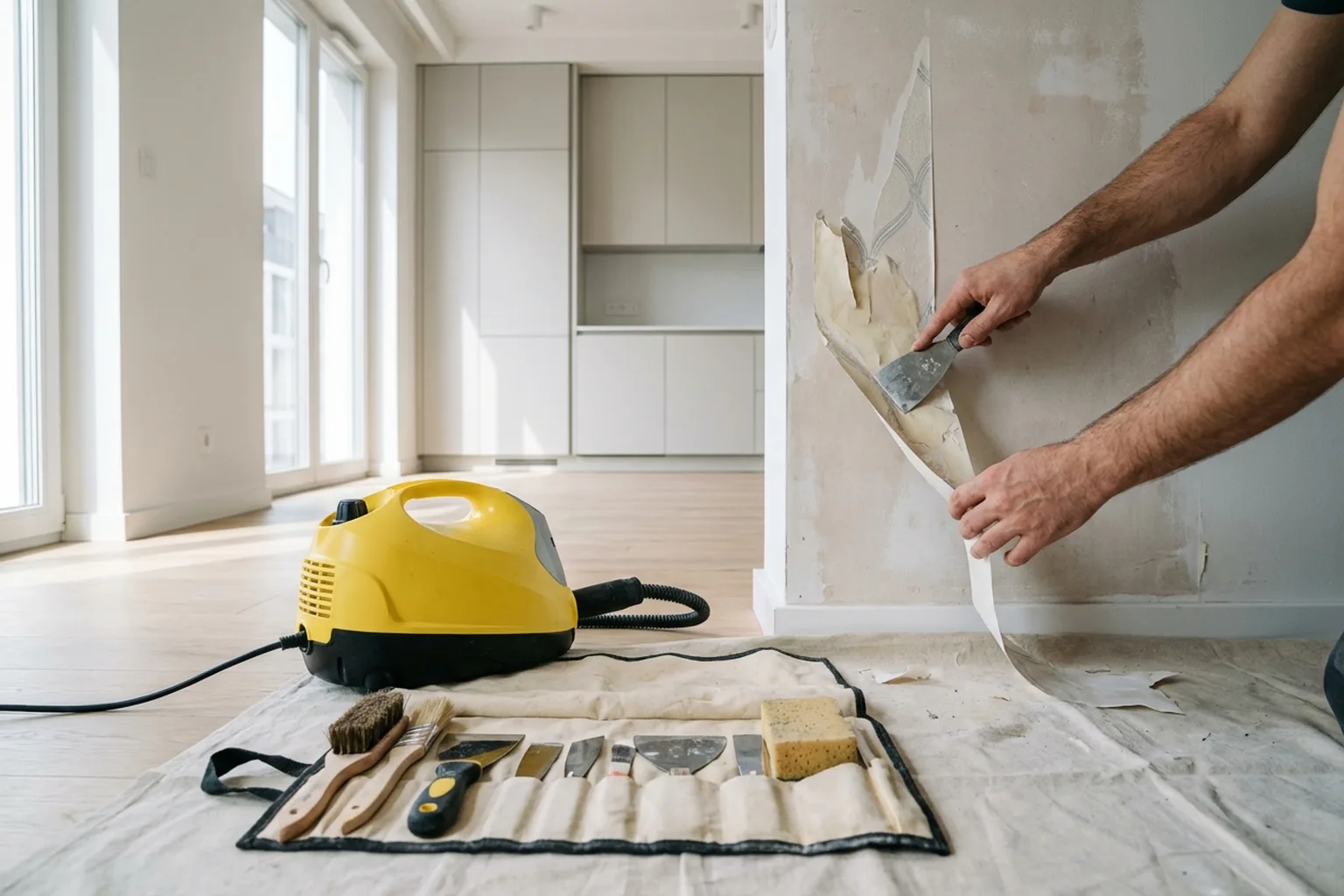
Wallpaper stripping and wall preparation is done by experienced decorators who know the odd details of Warsaw buildings from every period.
Order in the app
Describe the job, add photos and the address. Tradespeople send their own prices and dates, and you pick one of the offers.
Open the app