
Wall and ceiling priming before painting: cost and what affects it
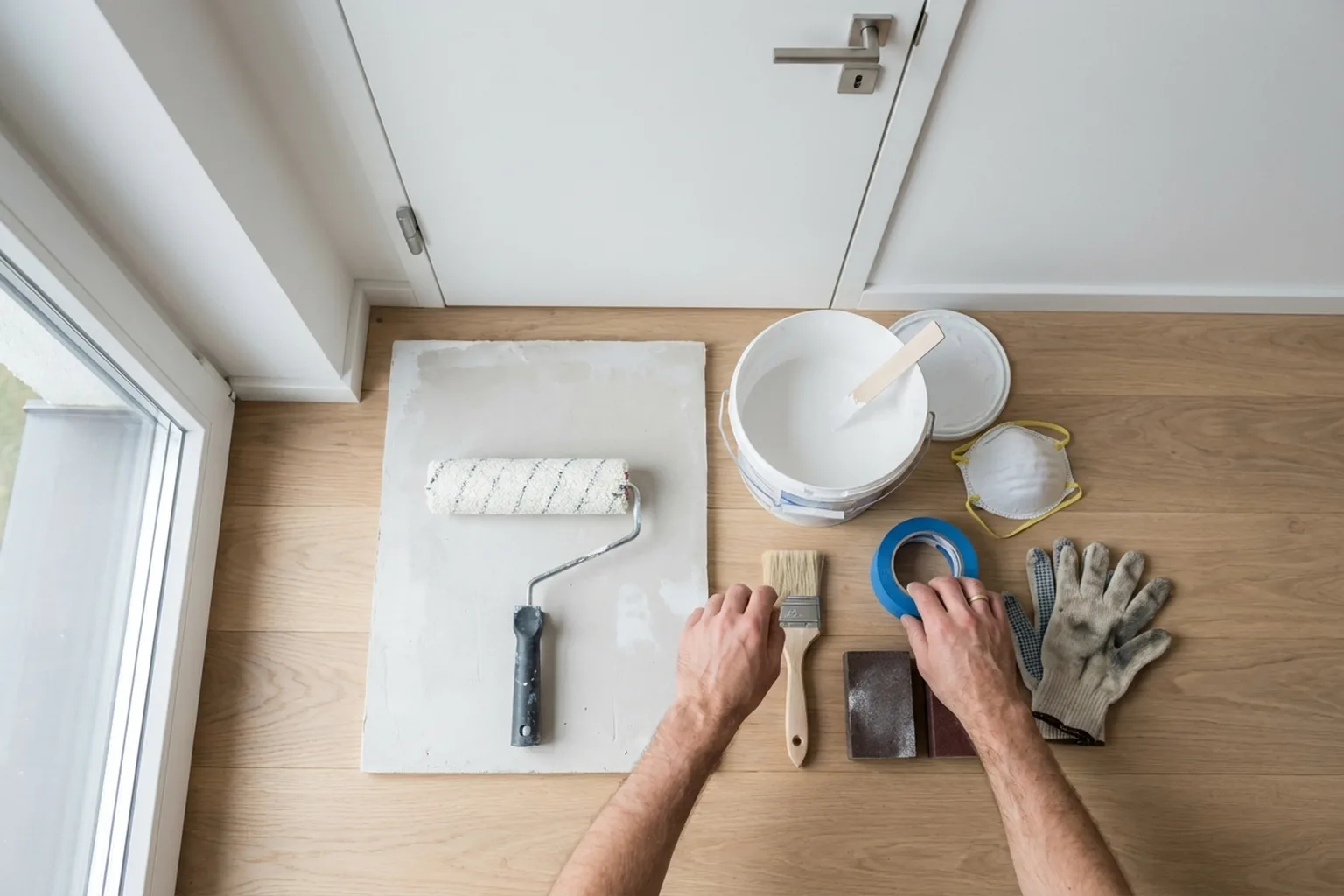
Up-to-date prices are in the table below. The final cost depends on the size, the kind of surface, and the primer needed. Fresh filler takes a standard acrylic primer. Old paint calls for a contact primer with quartz sand to improve grip. Water marks need a stain-blocking primer. Rollers and brushes are included. Primer is treated as a consumable and billed separately.
| Service | Price |
|---|---|
| Covering furniture, doors, windows and floors | 20–25 zł/m² |
| Wall cleaning before painting | 15–25 zł/m² |
| Filling holes and damage | 20–35 zł/m² |
| Wall levelling after tile removal | 60–90 zł/m² |
| Ceiling levelling | 45–80 zł/m² |
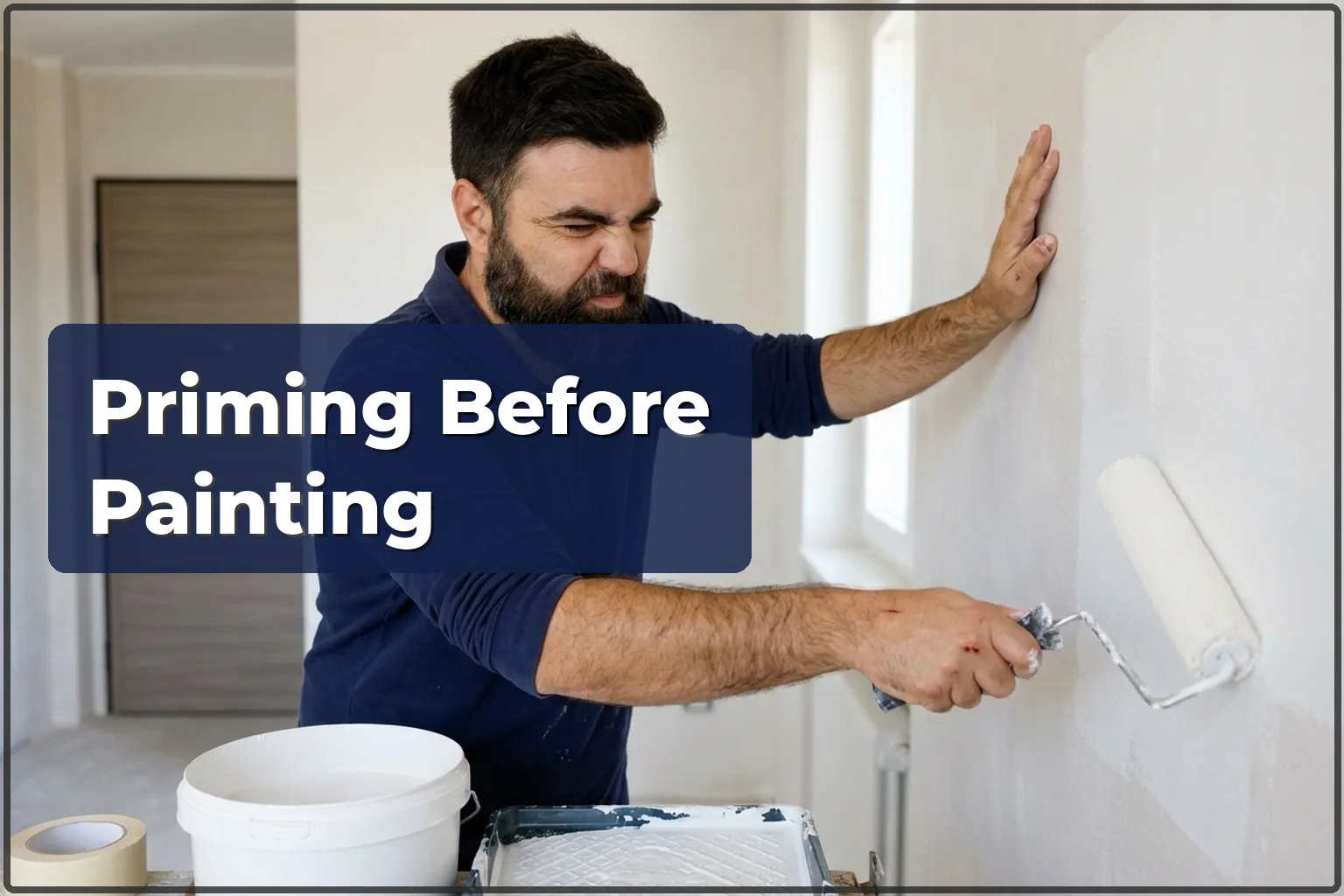
| Priming before painting | 8–14 zł/m² |
| Gypsum skim coating | 55–90 zł/m² |
| Walls and ceilings, one colour (2 coats) | 30–50 zł/m² |
| Walls in different colours | 40–60 zł/m² |
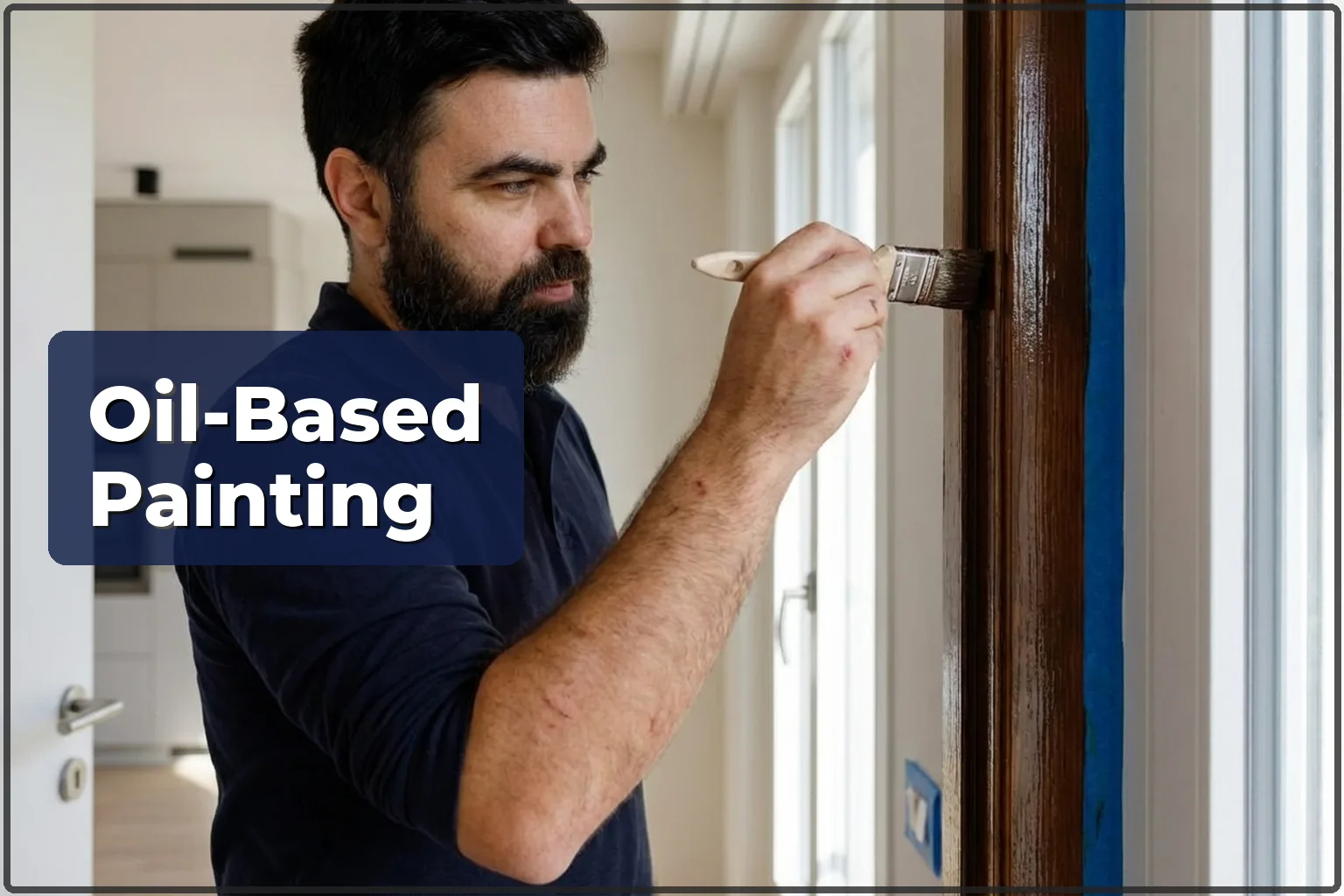
| Oil paint painting | 70–150 zł/m² |
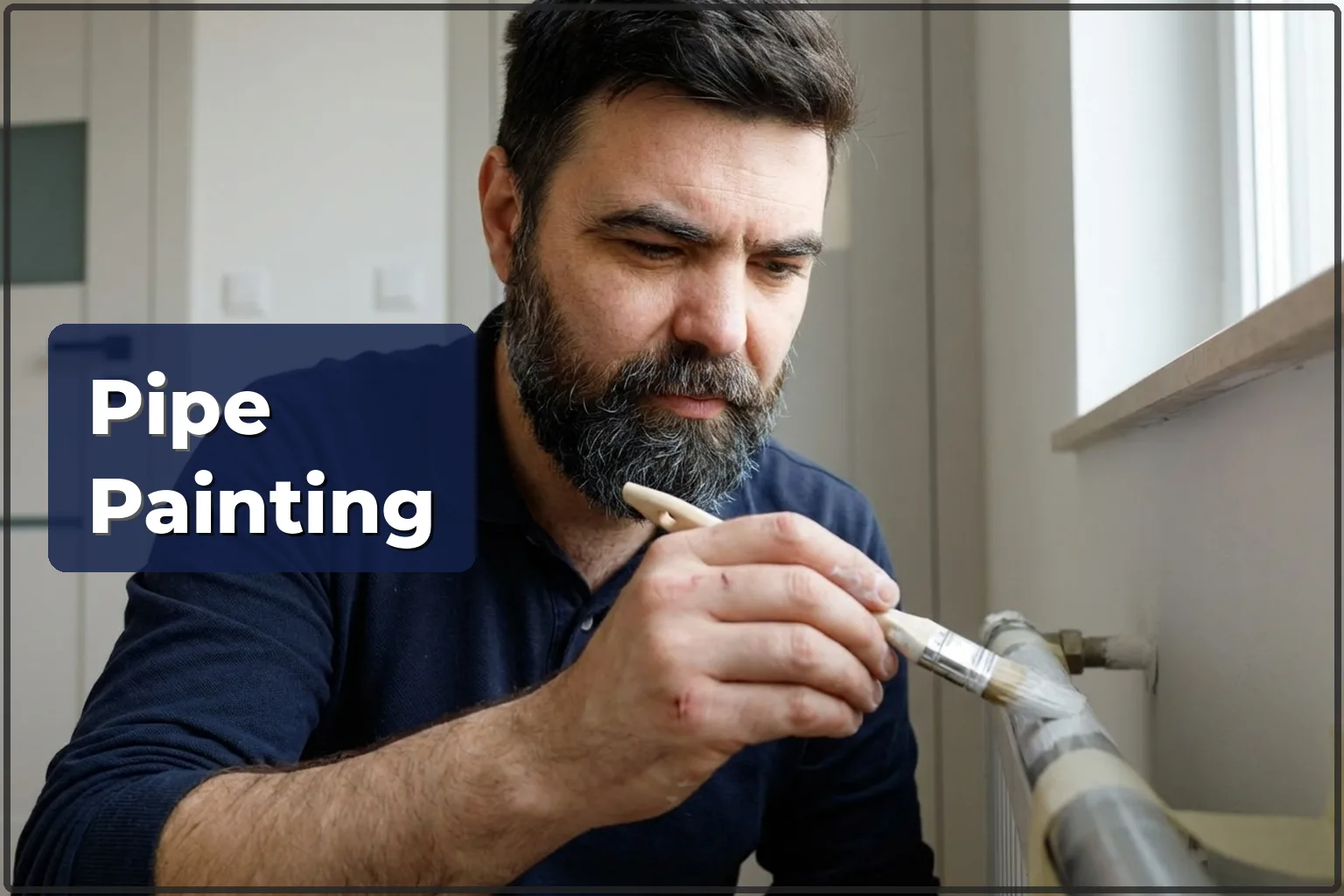
| Pipe painting (water, heating, gas) | 20–35 zł/mb |
| Radiator painting | 150–400 zł/szt |
| Window painting | 150–300 zł/szt |
| Old paint removal from wood | 30–70 zł/m² |
| Wood impregnation | 30–45 zł/m² |
| Old wallpaper removal | 20–35 zł/m² |
| Ceiling cornice installation | 40–75 zł/mb |
Indicative prices. Ranges for a typical scope. Fixings included, materials separate. Minimum order 300 zł.
Rather hand the job over? More here: painter and decorator in Warsaw.
Wall and ceiling priming before painting: how the work goes
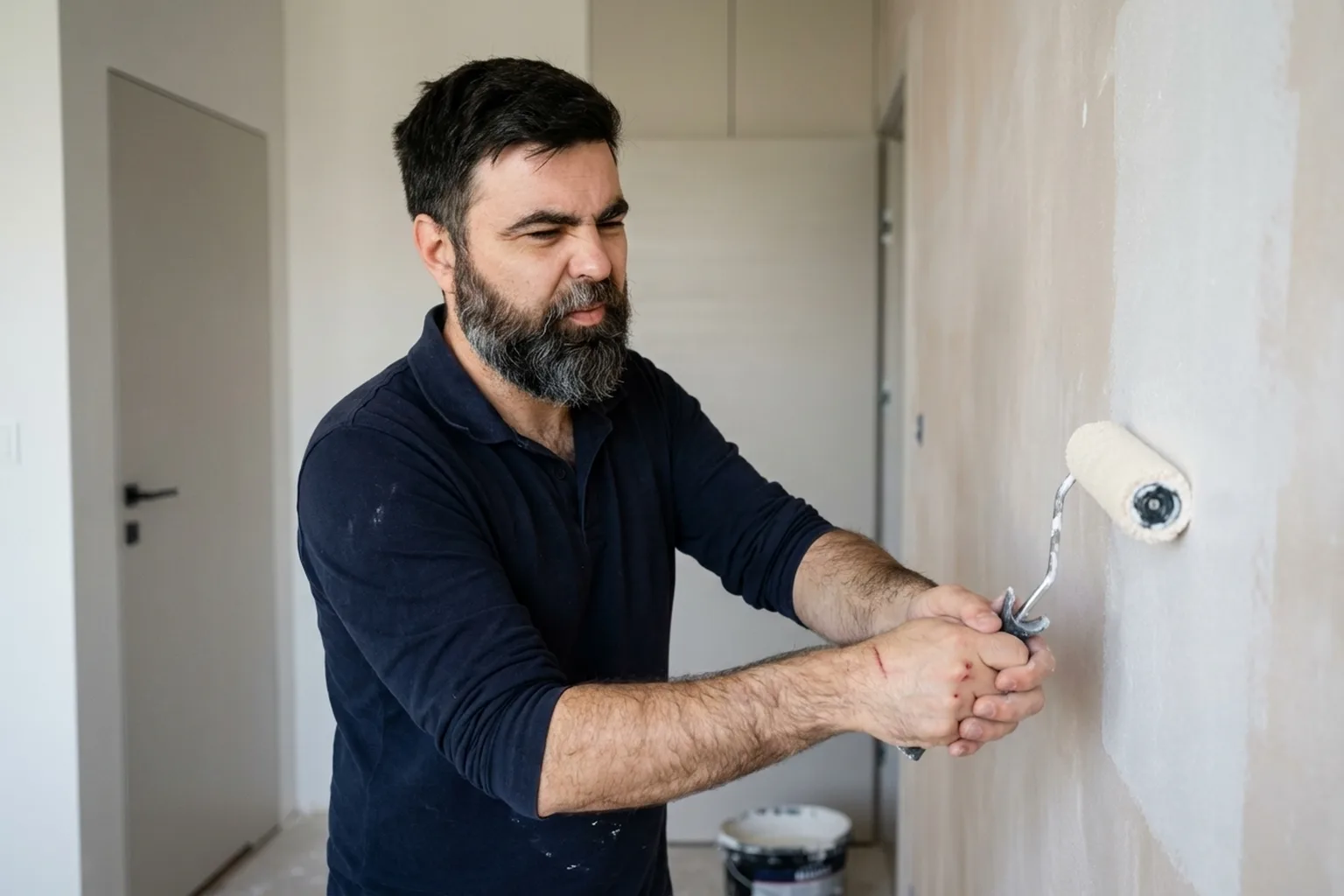
- The technician checks what surface is there: filler, concrete, old paint, plasterboard.
- Chooses the right primer: universal acrylic, deep-penetrating, contact, or stain-blocking.
- Covers floors, sockets, and skirting to protect them from splashes.
- Applies the primer with a roller on open areas, and a brush in corners and other awkward spots.
- Inspects the surface for even coverage: no missed patches or runs.
- Leaves the primer to dry (1–4 hours depending on type). Once it dries, the wall is ready for painting.
Common customer mistakes (and how to avoid them)
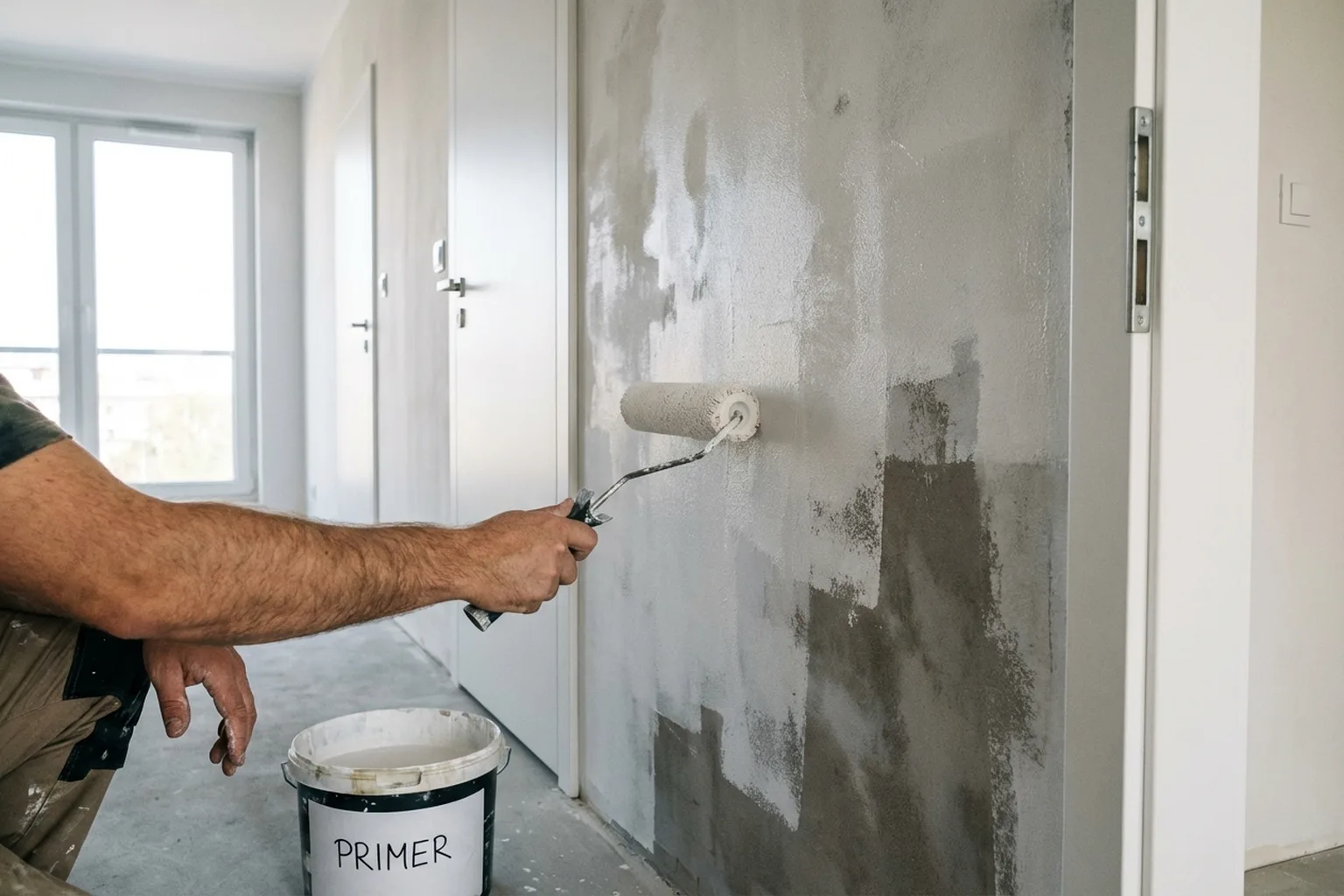
- Skipping primer to cut costs — then ending up with 3–4 coats instead of two, and wasting extra paint and time.
- Using thinned paint as primer: this is not a replacement; the adhesion is worse.
- Not waiting for the primer to dry: painting over a damp surface leads to bubbling.
- Using one primer everywhere — smooth old paint needs a contact primer, not a standard one.
- Priming the walls but leaving out the ceiling: ceilings soak up paint even more than walls.
What to prepare before the technician arrives
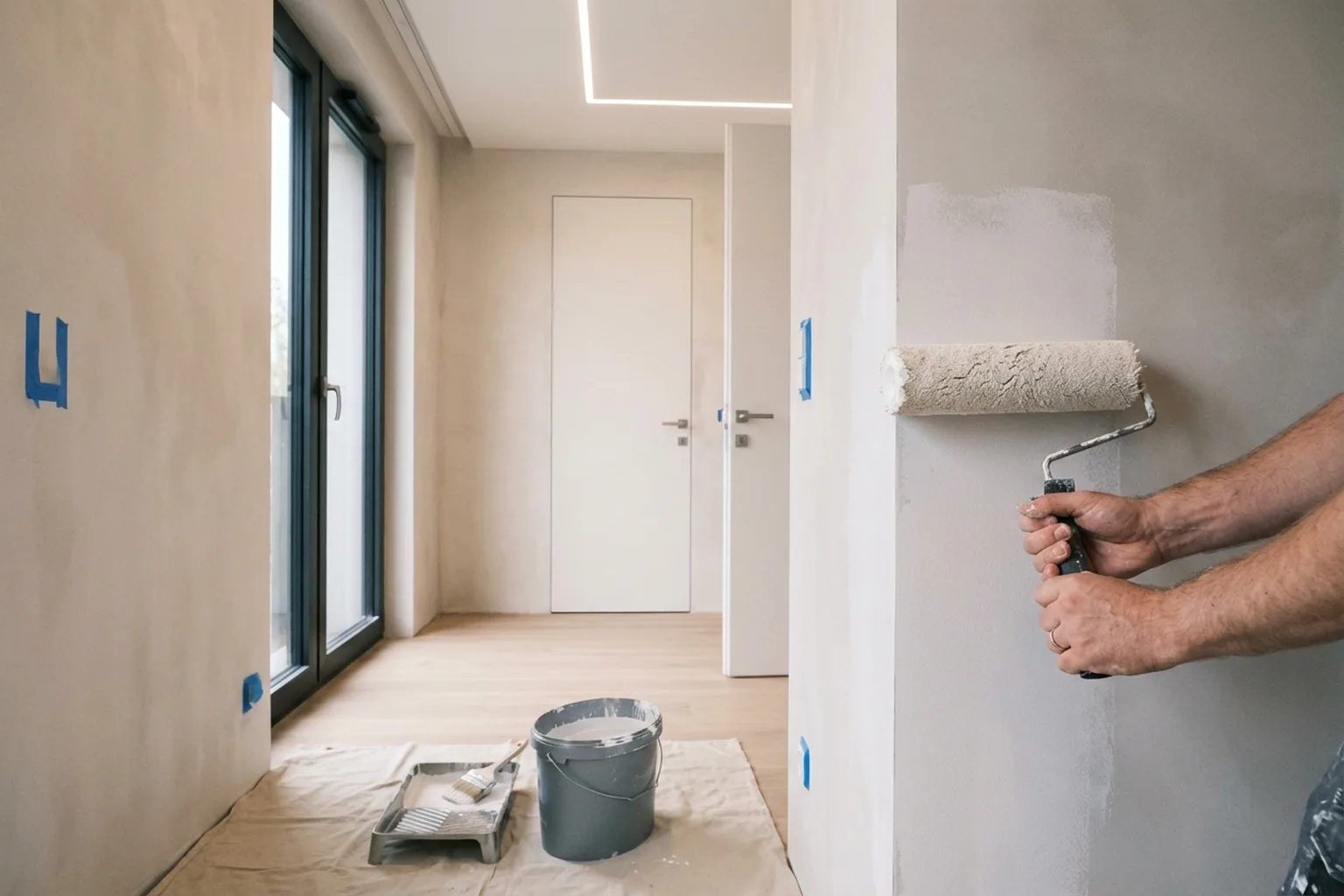
- Walls need to be clean and dry — if they were washed or filled, give them time to dry first.
- Pull furniture away from the walls or cover it with sheeting.
- Take off socket and switch face plates.
- Make sure there is ventilation: primer has an odour, especially the stain-blocking type.
- If you want to paint the same day, ask the technician how long the primer needs to dry.
- Keep a power socket free for a work light — catching missed spots matters during priming.
- Tell the technician which paint you’ll be using: that affects the primer choice.
- Share access details: intercom, parking.
Wall and ceiling priming before painting in practice: a Warsaw case
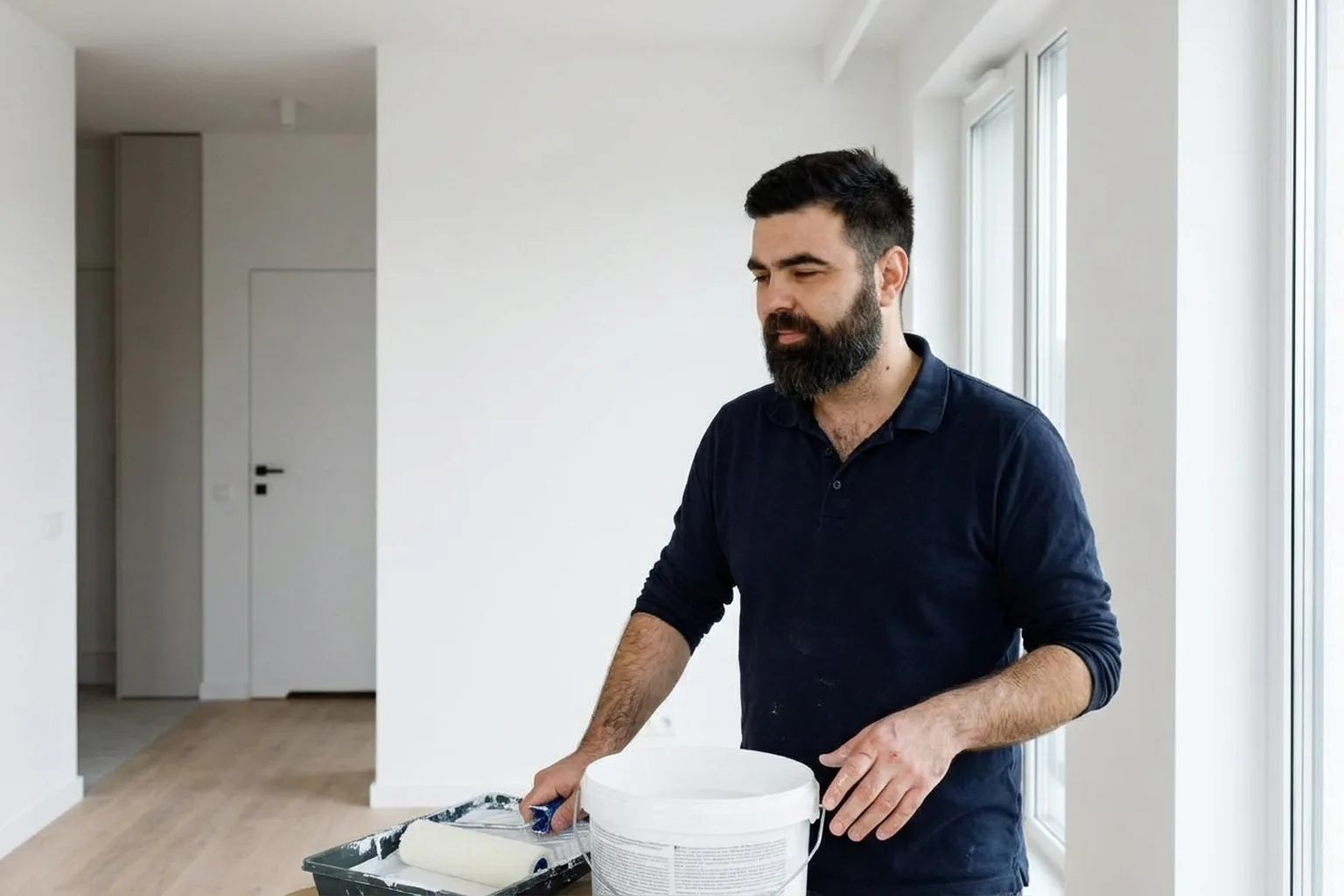
A studio flat in Bemowo, 28 m². The owner had the walls skimmed and chose to paint on her own, bought premium latex paint and put on two coats. The finish came out patchy: matte over the filler, glossy where the original concrete showed through. She had skipped primer. Tradespeople gave the walls a light sand, applied deep-penetrating acrylic primer, waited two hours, and painted again with the same paint — two coats. Smooth, even colour on every wall. The primer cost less than one tin of the paint she had already wasted on the first try.
Frequently asked questions
Is priming before painting really necessary?
Yes, every time. Primer evens out absorption, improves adhesion, and reduces paint use.
Can I use diluted paint instead of primer?
No. Diluted paint does not soak into pores or balance absorption. Use a proper primer.
How long does primer take to dry?
Acrylic: 1–2 hours. Contact: 4–6 hours. Stain-blocking — per the manufacturer, usually 12–24 hours.
Do ceilings need priming?
Yes: ceilings take in paint even more than walls. Without primer you will get patches and uneven sheen.
Which primer should I choose?
That depends on the surface. The technician chooses it on site: it’s included in the service.
Can I prime and paint on the same day?
Yes, if you’re using acrylic primer that dries in 2 hours. Stain-blocking primer needs more time.
Who does the work
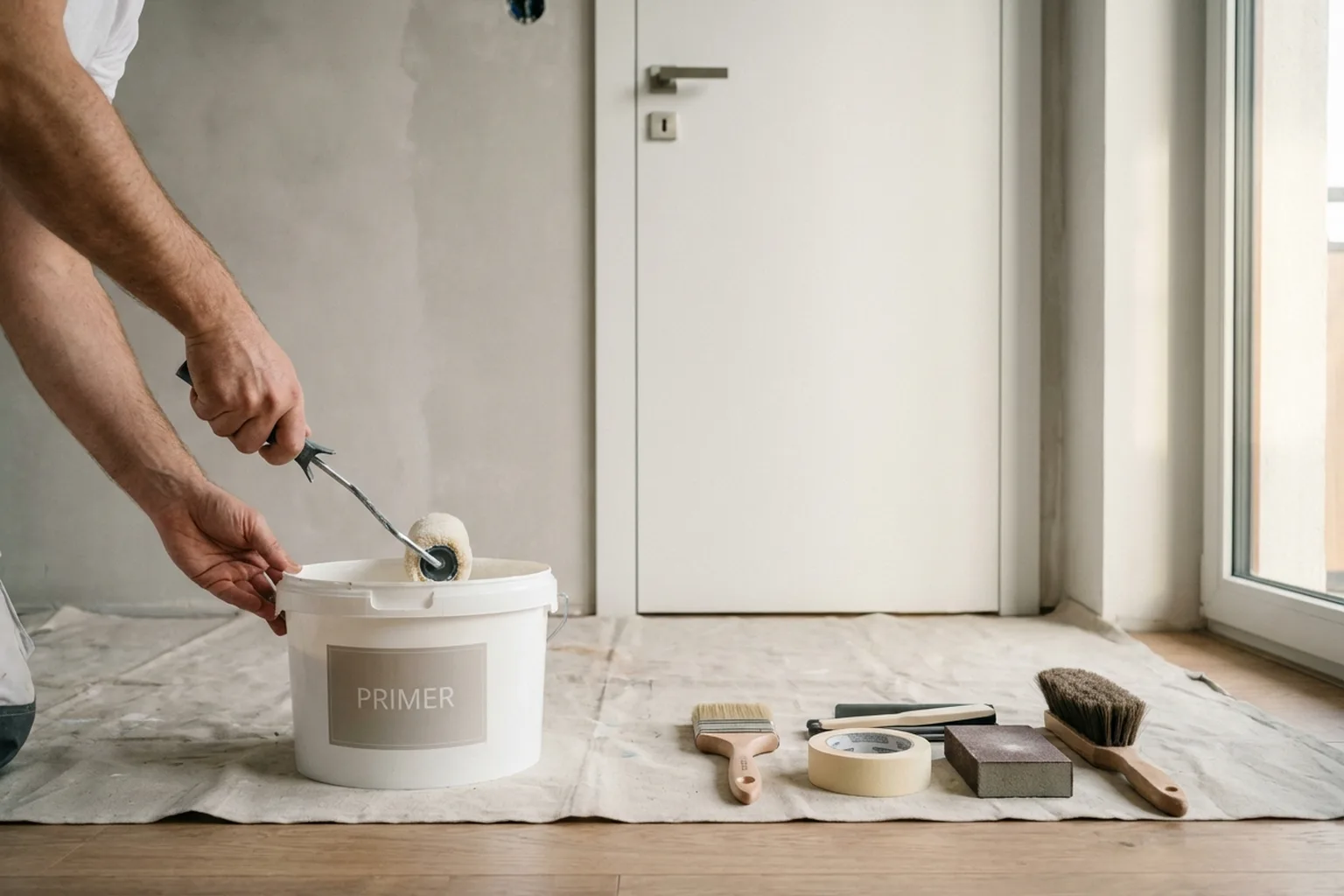
Priming is carried out by painters with hands-on experience in surface prep. Tradespeople work across all of Warsaw. Send a message or call — they’ll choose the right primer for your surface and tell you how much time the job will take.
Order in the app
Describe the job, add photos and the address. Tradespeople send their own prices and dates, and you pick one of the offers.
Open the app