Wood impregnation: cost and what affects it
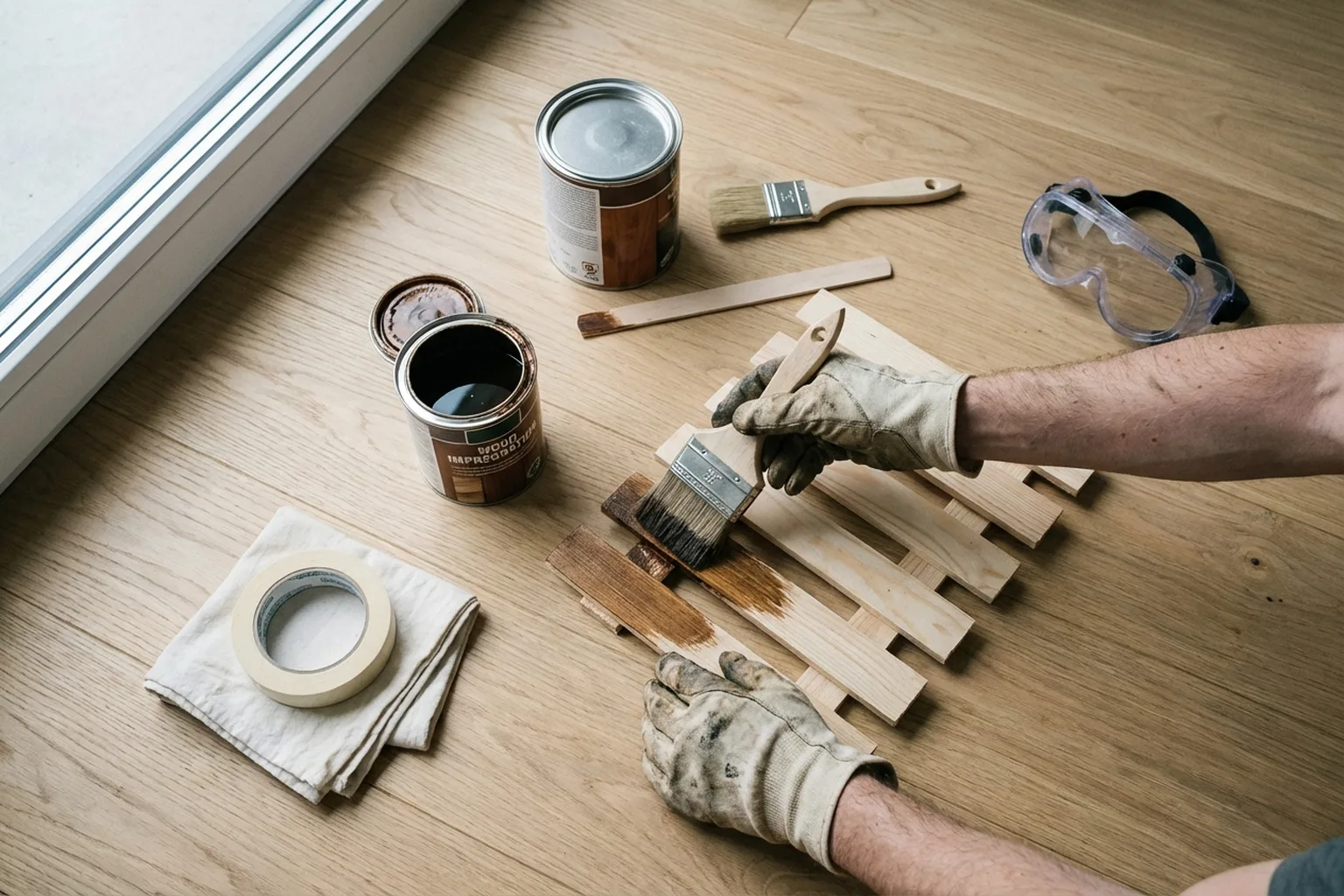
Current rates are shown in the table below. The final price depends on the size of the area, the product used (oil, wax, lacquer, antiseptic), the state of the wood, and how many coats are needed. If the surface is old, it has to be sanded first — that is billed as separate work. Tools are included. The impregnation product itself is a consumable and is charged separately.
| Service | Price |
|---|---|
| Covering furniture, doors, windows and floors | 20–25 zł/m² |
| Wall cleaning before painting | 15–25 zł/m² |
| Filling holes and damage | 20–35 zł/m² |
| Wall levelling after tile removal | 60–90 zł/m² |
| Ceiling levelling | 45–80 zł/m² |
| Priming before painting | 8–14 zł/m² |
| Gypsum skim coating | 55–90 zł/m² |
| Walls and ceilings, one colour (2 coats) | 30–50 zł/m² |
| Walls in different colours | 40–60 zł/m² |
| Oil paint painting | 70–150 zł/m² |
| Pipe painting (water, heating, gas) | 20–35 zł/mb |
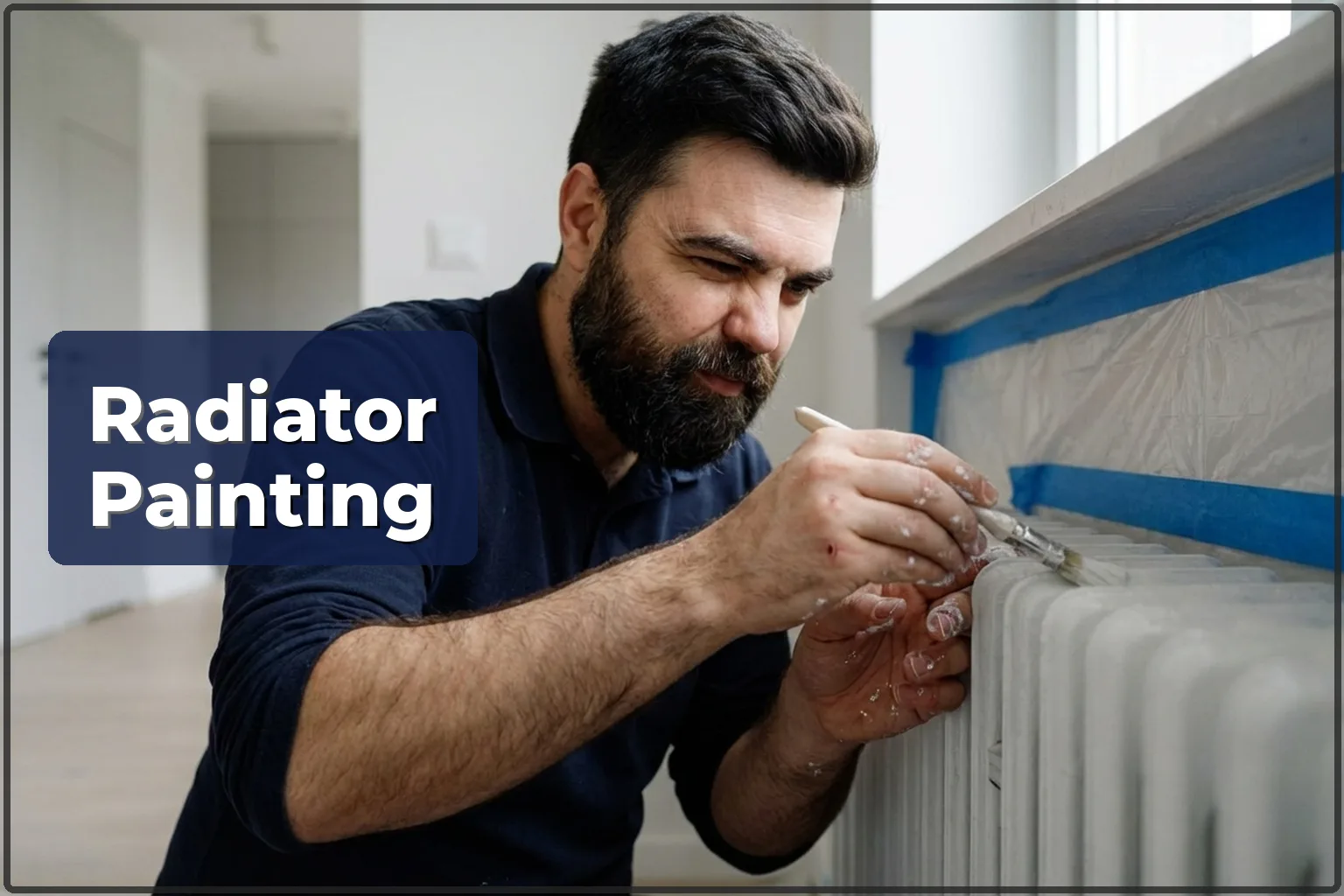
| Radiator painting | 150–400 zł/szt |
| Window painting | 150–300 zł/szt |
| Old paint removal from wood | 30–70 zł/m² |
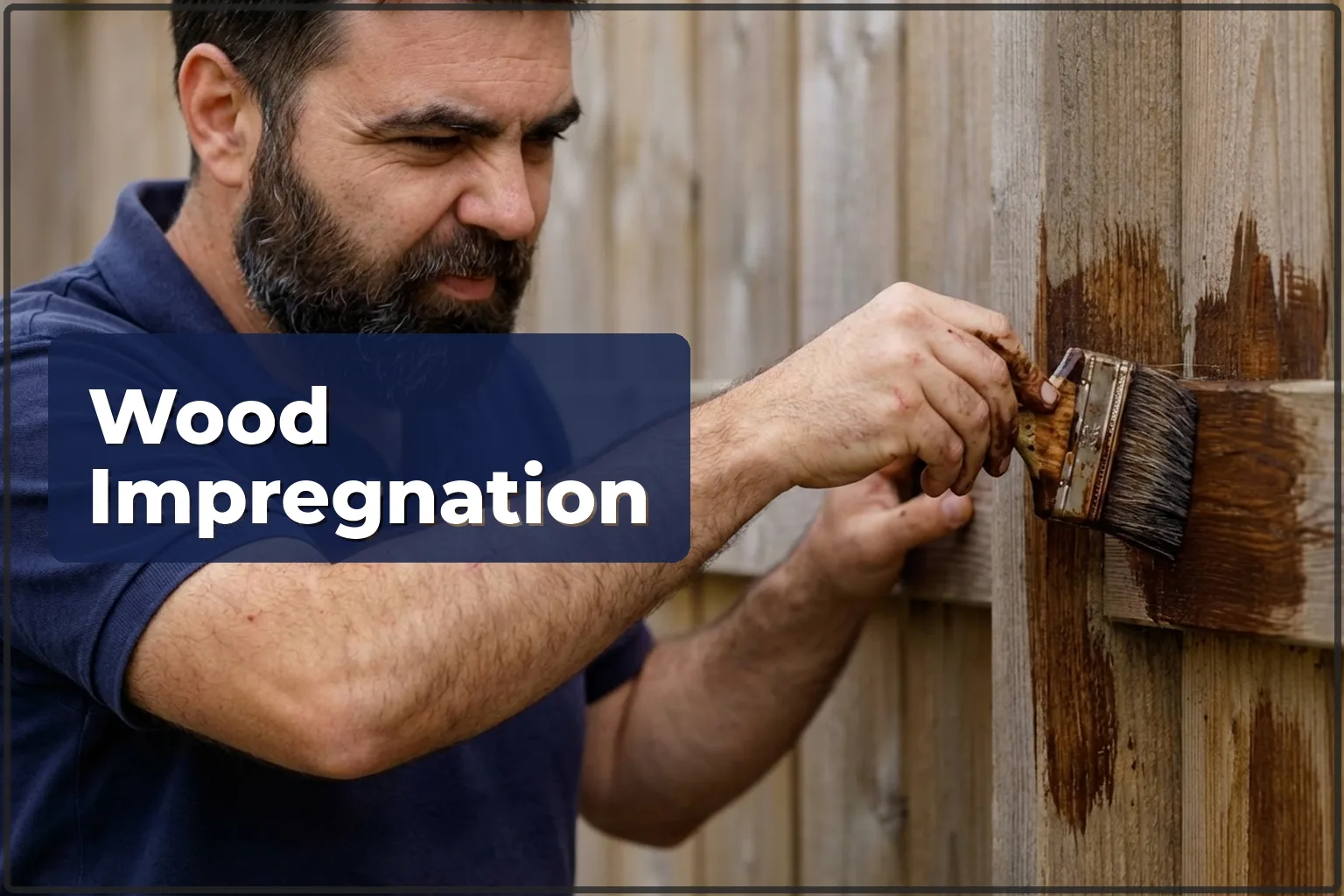
| Wood impregnation | 30–45 zł/m² |
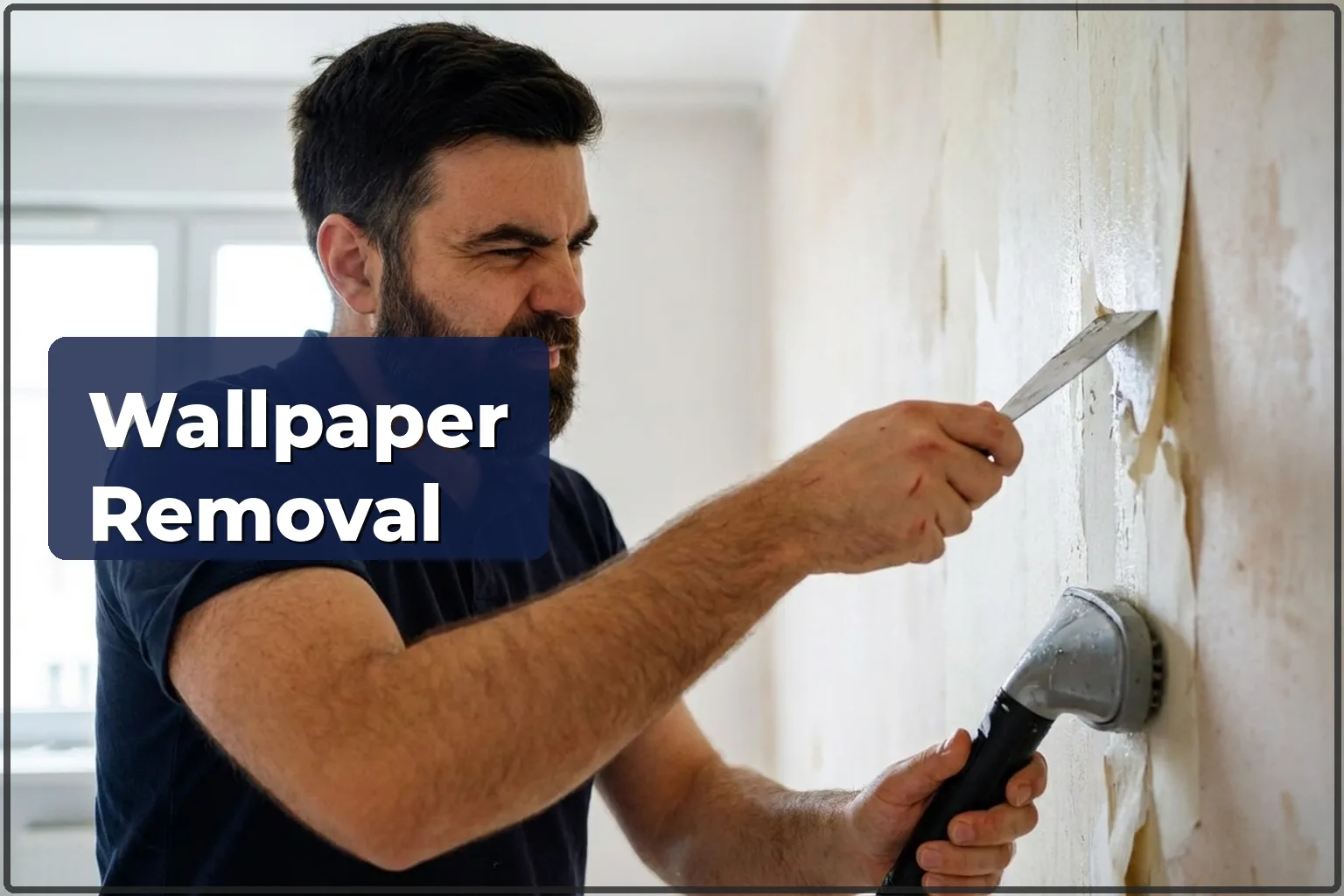
| Old wallpaper removal | 20–35 zł/m² |
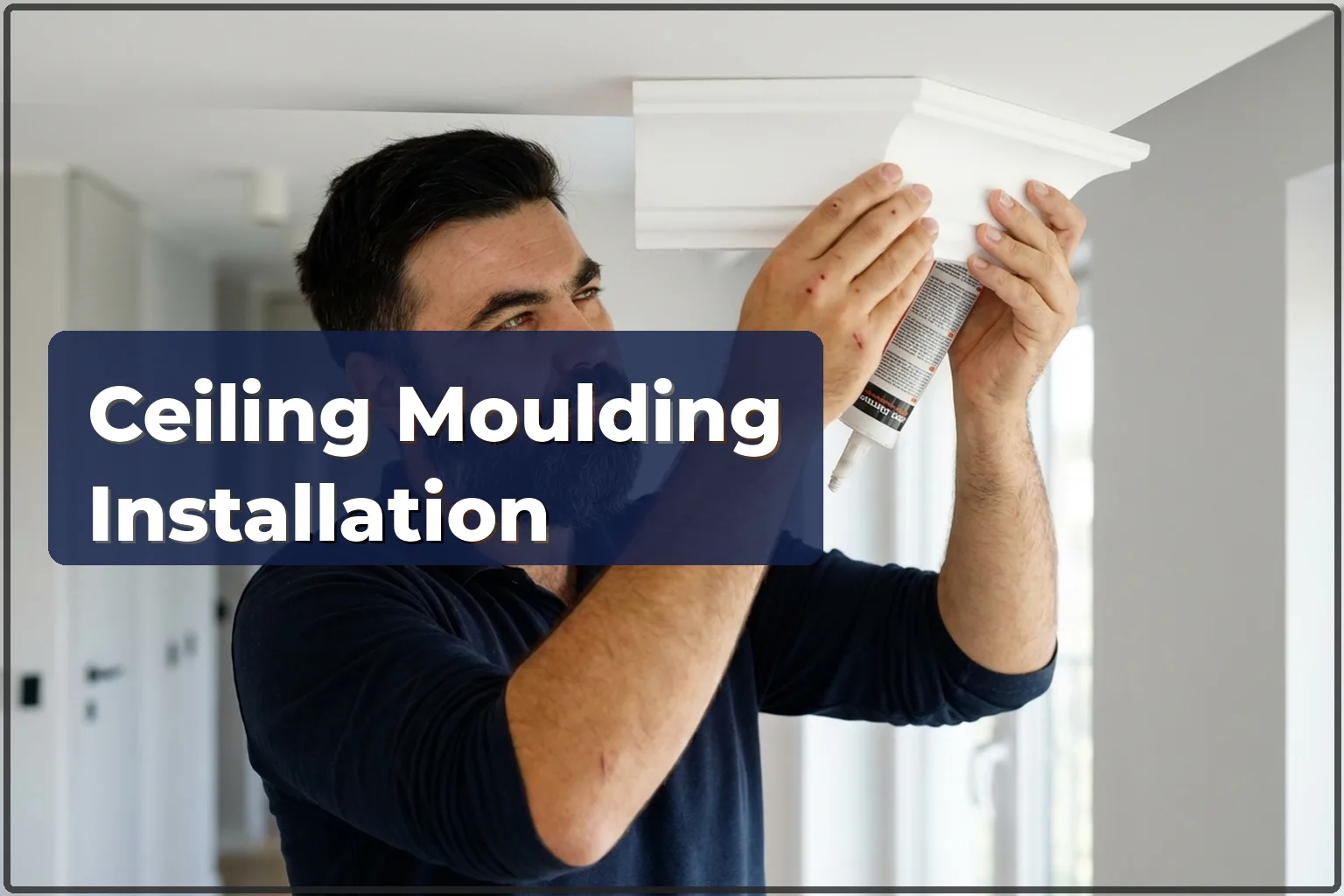
| Ceiling cornice installation | 40–75 zł/mb |
Indicative prices. Ranges for a typical scope. Fixings included, materials separate. Minimum order 300 zł.
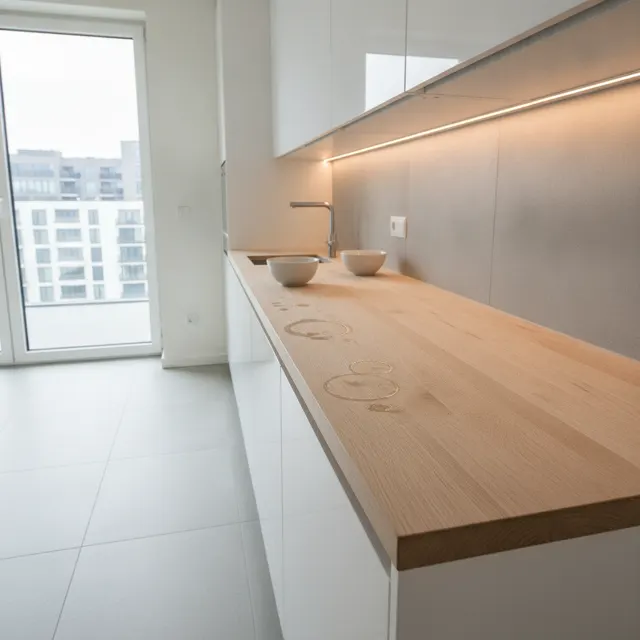
Price ranges and offers from tradespeople: odd job man in Warsaw.
Wood impregnation: how the job goes
- The technician checks the wood: species, present condition, any old finish, and whether there are signs of fungus or greying.
- The old coating is taken off with a sander or by hand. If the wood is unfinished, this step is omitted.
- The surface is cleared of dust and degreased.
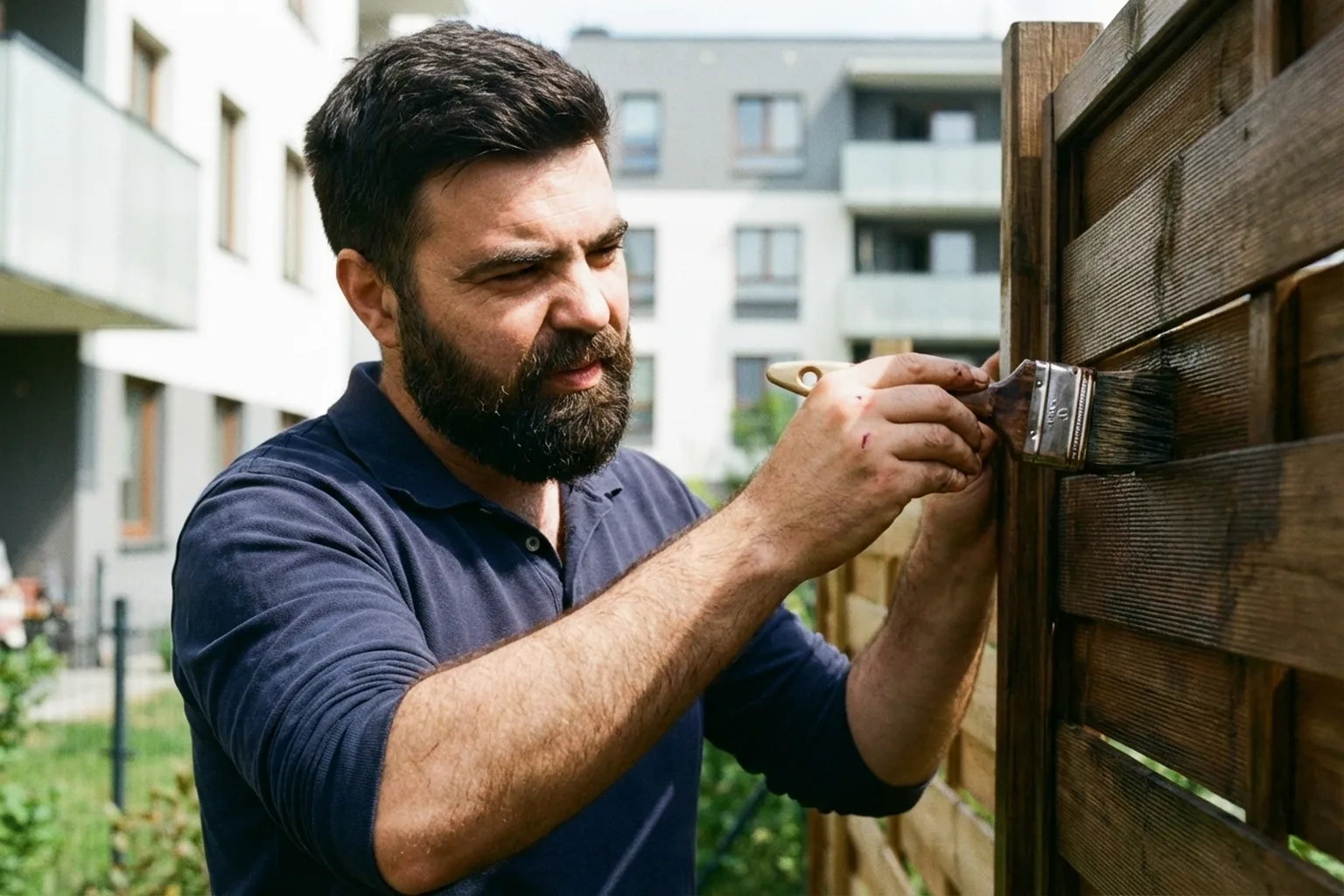
- The first coat of impregnation is put on with a brush or roller following the grain. Oil is worked into the wood; lacquer is laid on in a thin, even coat.
- Drying time: oil: 6–12 hours, lacquer — 4–6 hours, wax: 2–4 hours. The technician keeps an eye on conditions (temperature, humidity).
- Light sanding with fine grit removes fibres that have lifted from the grain.
- The second coat of impregnation is applied. Outdoor surfaces may sometimes need a third.
Common customer mistakes (and how to avoid them)
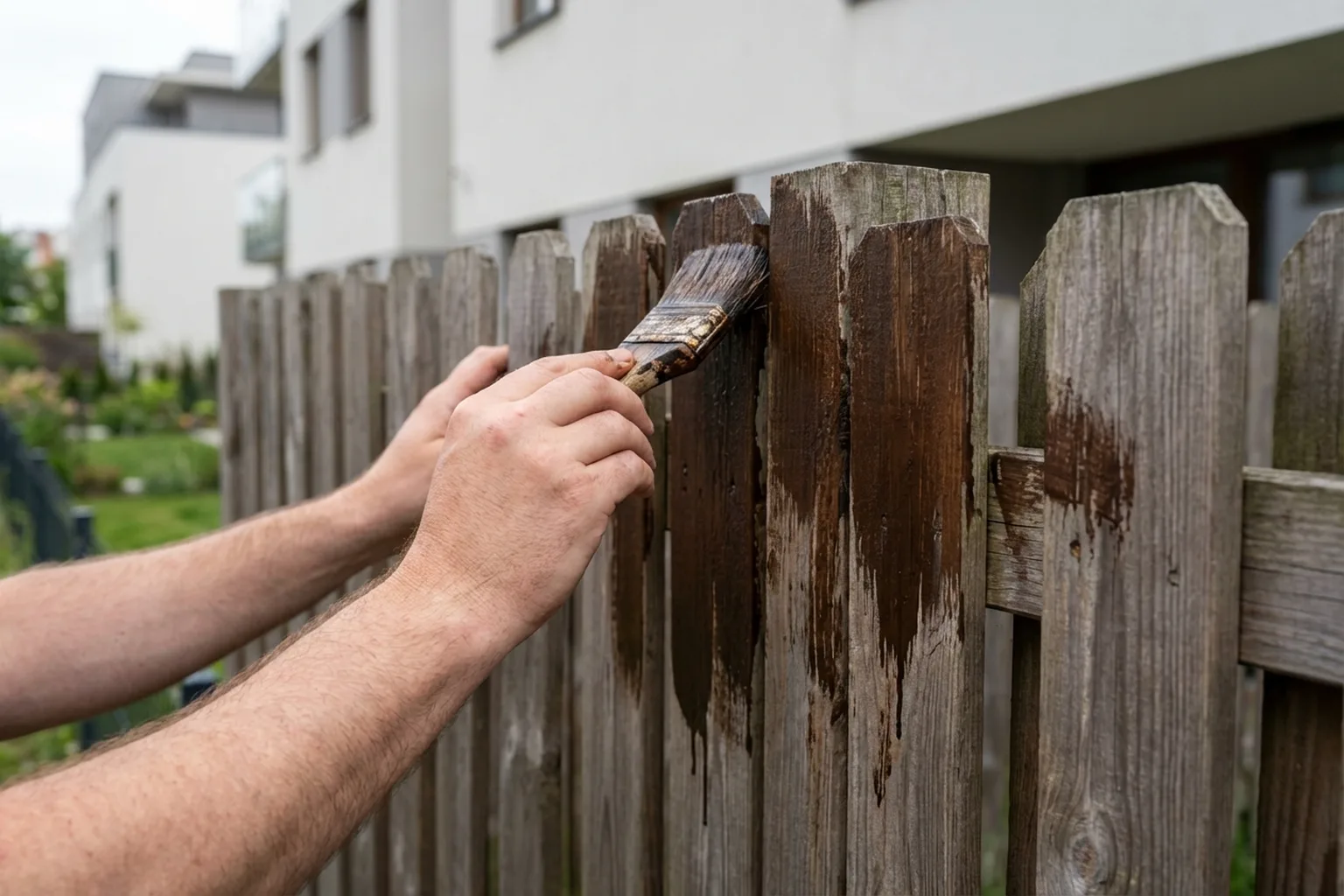
- Treating wet wood: moisture gets trapped inside and mould shows up under the finish within a month.
- Putting oil over lacquer (or the other way round) — the products do not work together, and the finish starts peeling.
- Missing the sanding between coats: the second coat sits on lifted fibres and the surface stays rough.
- Applying one heavy coat instead of two thin ones, oil will not soak in, lacquer starts bubbling.
- Working in full sun — the product dries too quickly and does not sink in evenly.
- Using an indoor product outside: the finish starts flaking within a season, with no UV protection.
- Leaving the end grain of boards untreated: moisture gets in through the ends, which leads to swelling and splits.
What to prepare before the technician arrives
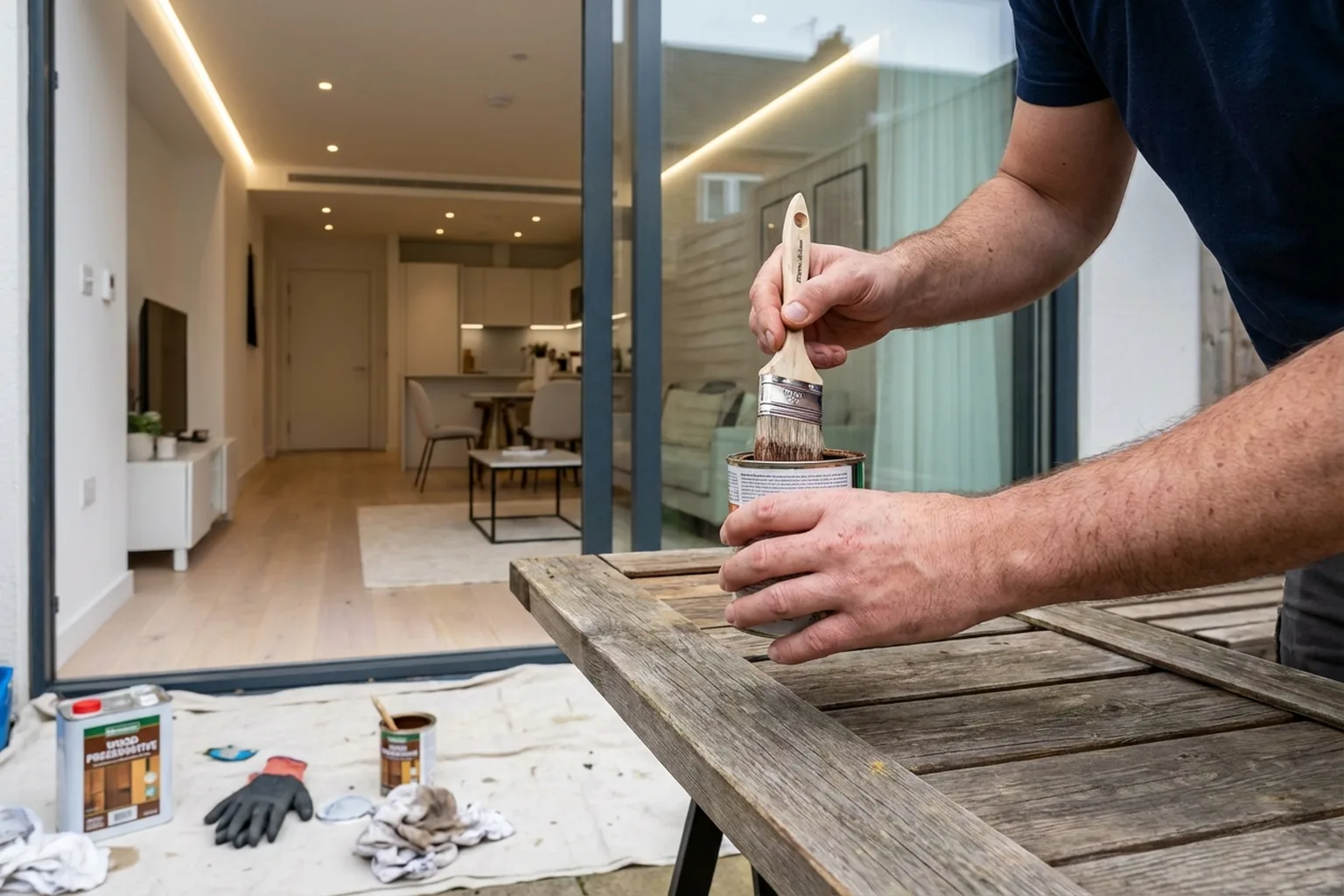
- The surface has to be dry — if the wood is wet after rain, wait 2–3 days.
- Remove furniture, planters, and anything else standing on the wooden surface.
- For a balcony: free up the work area, remove the drying rack and mats.
- Make sure there is access to power for the sander.
- Choose the finish type: oil (natural look), wax (soft sheen), lacquer (gloss and maximum protection).
- For a terrace: check that drainage works; no impregnation will protect wood sitting in standing water.
- If there is an old finish, mention in the request what was used before (oil, lacquer, stain).
- Make sure there is ventilation if the job is indoors, impregnation products have a strong smell.
- Plan your time: the surface cannot be walked on for 12–24 hours after treatment.
- Provide access details: intercom, parking.
A real case from Warsaw
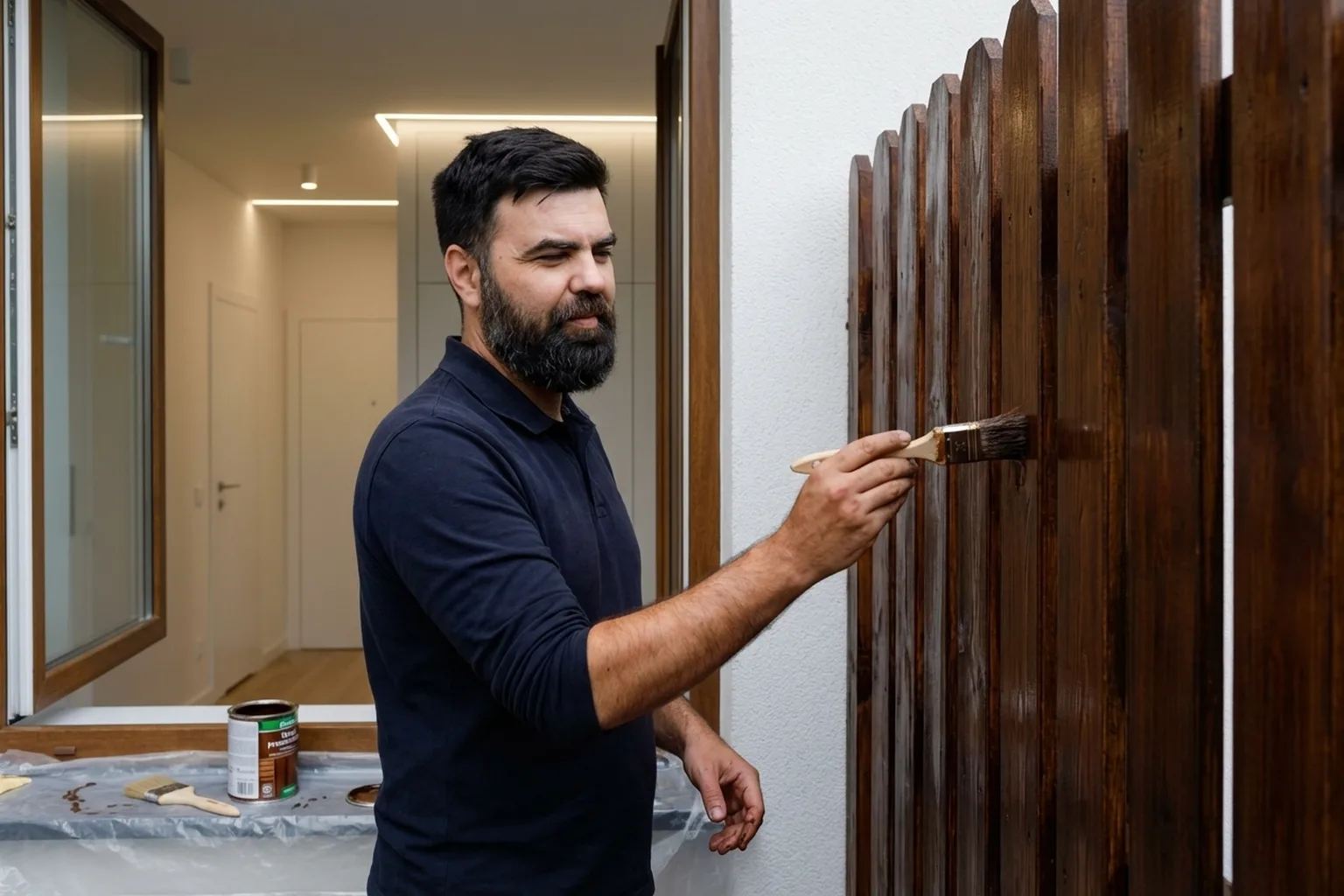
A rooftop terrace in Żoliborz, 22 m² of thermally modified ash decking, the owners had not treated it at all since installation two years earlier. The wood had gone fully grey and picked up fine surface cracks. Dirt had worked its way into the grain, making the whole terrace look worn and neglected. The tradesperson first power-washed the decking, then left it to dry for 48 hours. After that came full sanding with 80-grit and then 120-grit. Two coats of tinted decking oil were applied with a 24-hour gap between them. The end grain of every board got an extra coat because that is where moisture gets in fastest. The whole job took three days including drying time. The result — the terrace looked almost new again, with a deep warm tone and a surface that beads water instead of soaking it up. The owners now keep a recurring reminder in their calendar to re-oil every spring. They said it was the best maintenance money they had spent on the flat.
Frequently asked questions
Which is better: oil, wax, or lacquer?
Oil soaks into the wood and keeps the natural texture visible. Wax gives a gentle sheen and a smooth touch. Lacquer creates a film on the surface: the highest protection, but with a less ‘natural’ look. Outdoors — oil or stain; furniture: wax; floors: lacquer.
How often does impregnation need to be renewed?
Terraces and balconies — every 1–2 years. Indoor furniture: every 3–5 years. It depends on use and how much sun and rain the surface gets.
Can you do this in winter?
Most products need temperatures above +10°C. In winter, they can only do the work inside heated spaces.
How long does the product take to dry?
Oil: 12–24 hours before the next coat, full cure — up to 7 days. Lacquer: 4–6 hours between coats. Wax: 2–4 hours.
Is sanding necessary before impregnation?
If the wood is new and smooth, a light sanding with 120–150 grit is enough. If there is an old finish, full sanding is necessary.
Does impregnation protect against fungus?
Oil and wax products: to a degree. For full protection, an antiseptic treatment is used as a base layer, with a decorative impregnation applied on top.
Who does the work
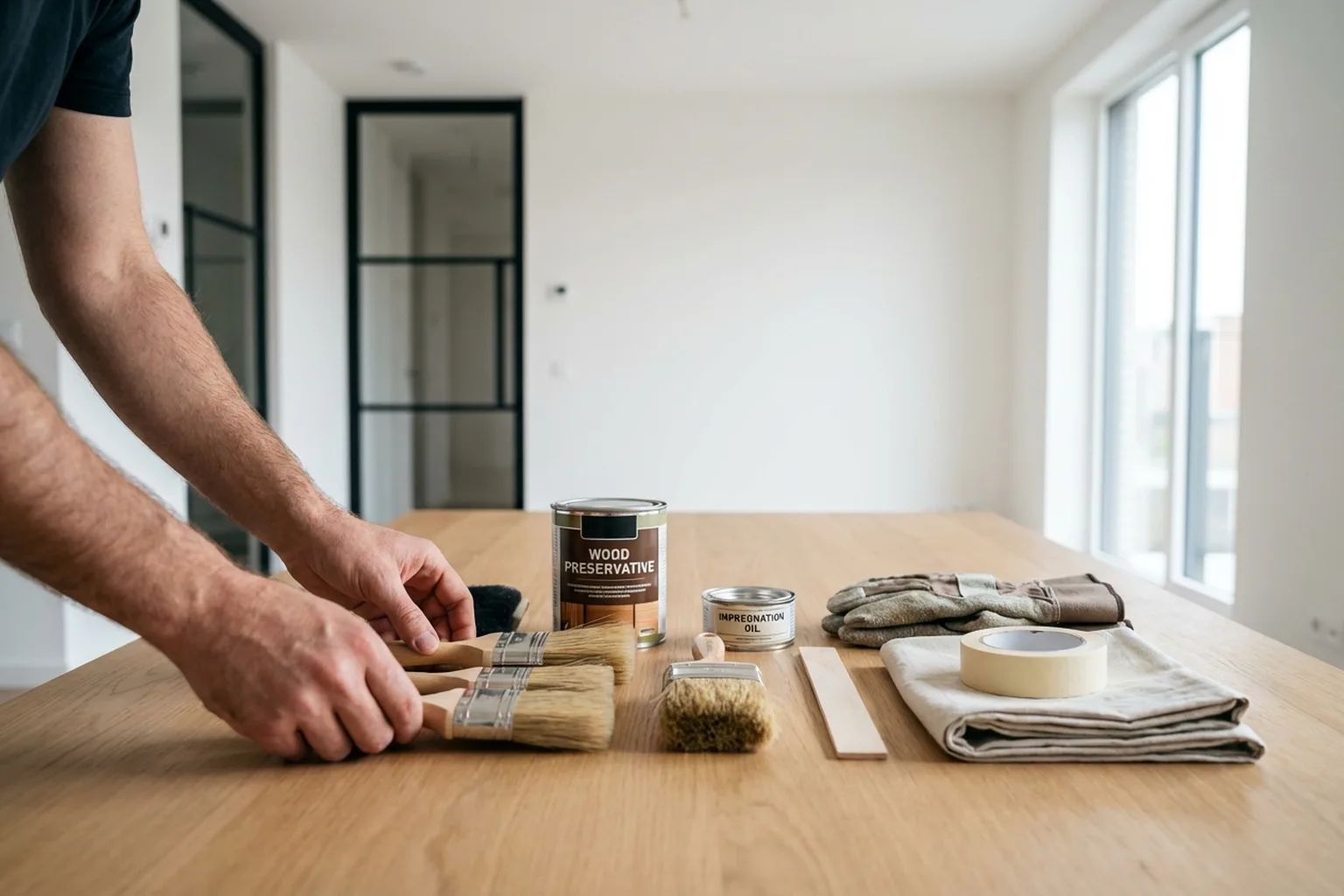
Wood impregnation is done by experienced painters who work with timber every day. Tradespeople know which product suits a terrace, what works best for furniture, and what should go on a facade. Tradespeople cover all of Warsaw.
Order in the app
Describe the job, add photos and the address. Tradespeople send their own prices and dates, and you pick one of the offers.
Open the app