Handyman24 B2B
Handyman service for stores and showrooms in Warsaw
A dark window is one customer fewer at the door. Lighting, the fitting room, door hardware: the tradesperson comes before opening or after closing, and trade does not stop.
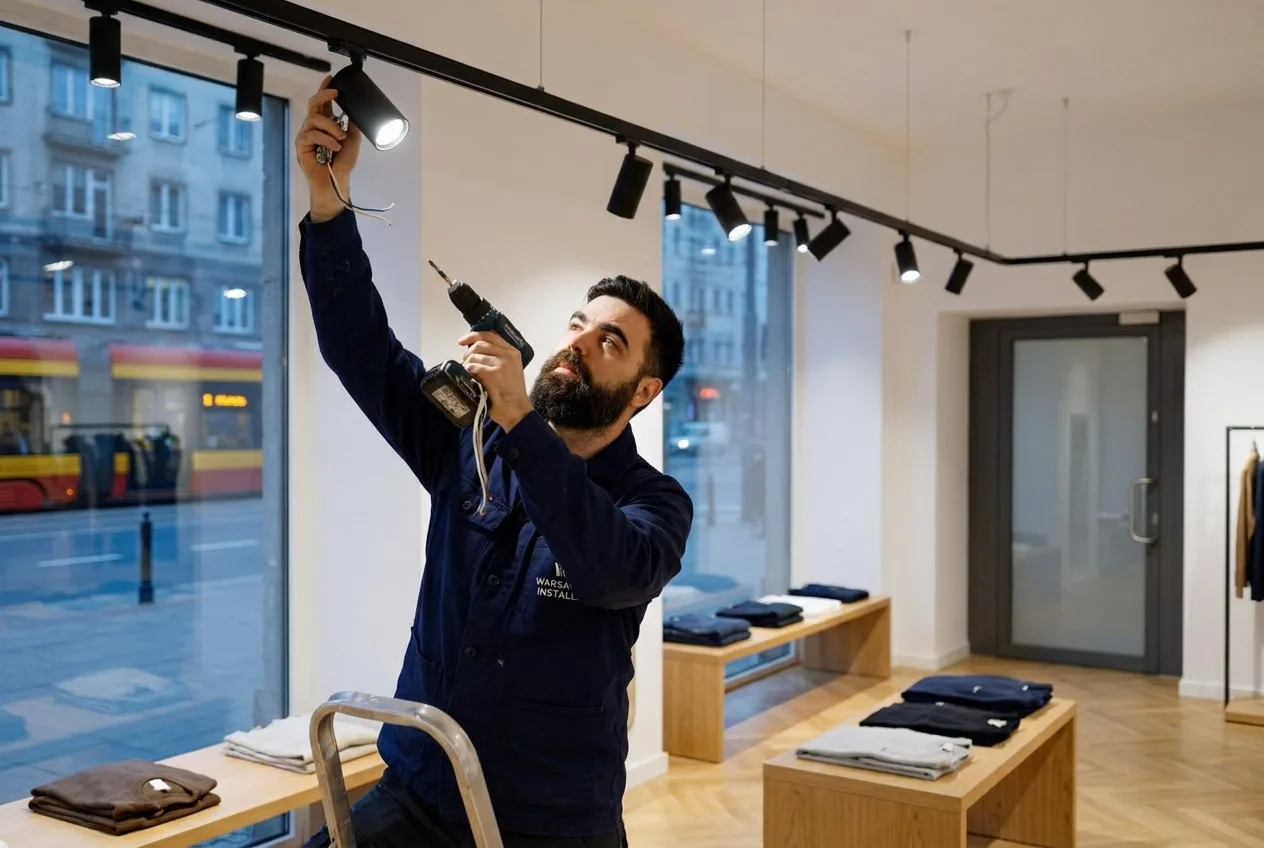
What is different here
In a shop the lighting is half the window. A dead spot over a mannequin or a flickering strip in the fitting room shows from the street, and the customer draws conclusions before stepping in. Things like that do not wait for a planned repair: they are closed the next morning before opening.
The second thing: trade does not stop. A ladder in the middle of the floor on Saturday is lost sales, so we work in a closed shop. If you have several locations, collect the list in one request: the tradesperson will say what really closes in a single call-out and what should be spread over days.
The third thing is the season. The floor layout changes with the collections, and the lighting, shelves and mirrors move with it. Work like that is planned ahead: the closer the date, the fewer free slots.
What it looks like
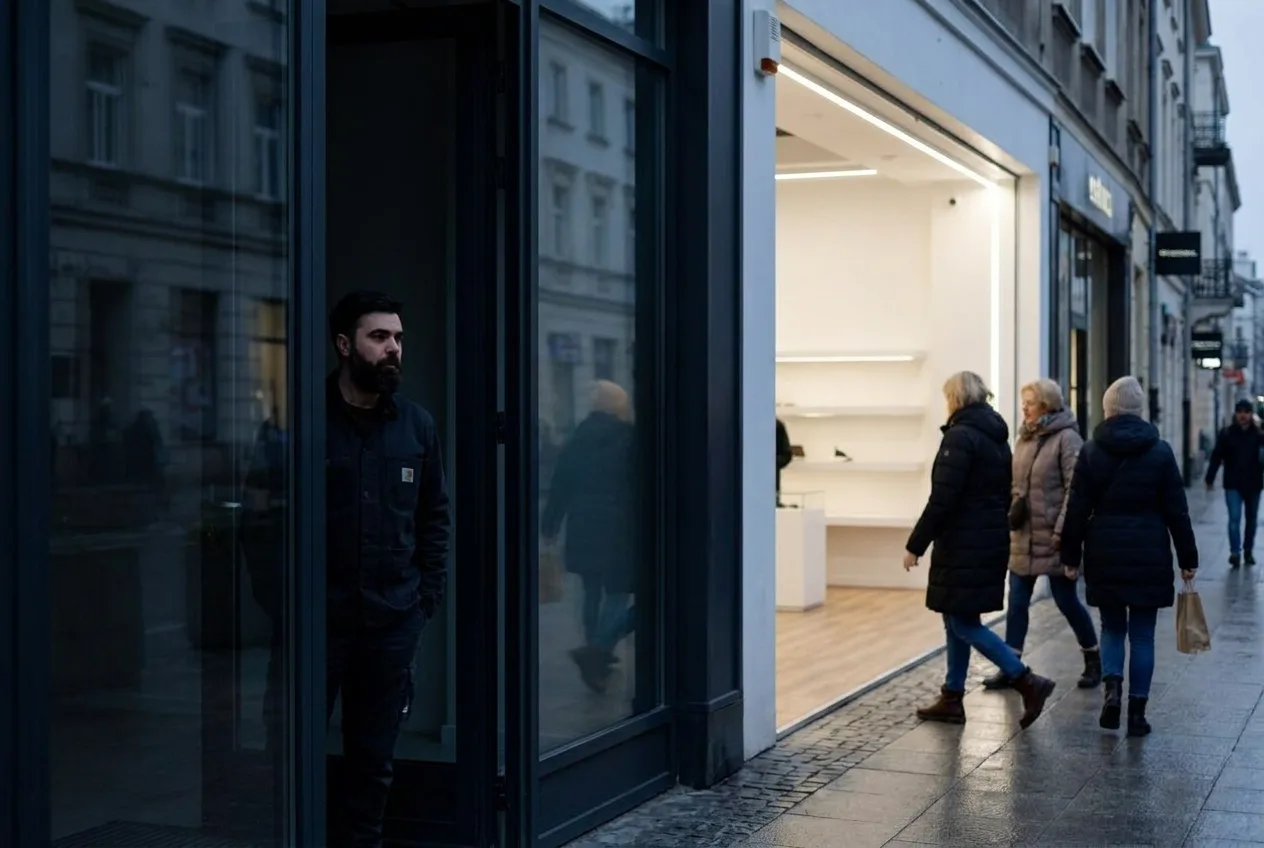
The window from the street: the first thing seen 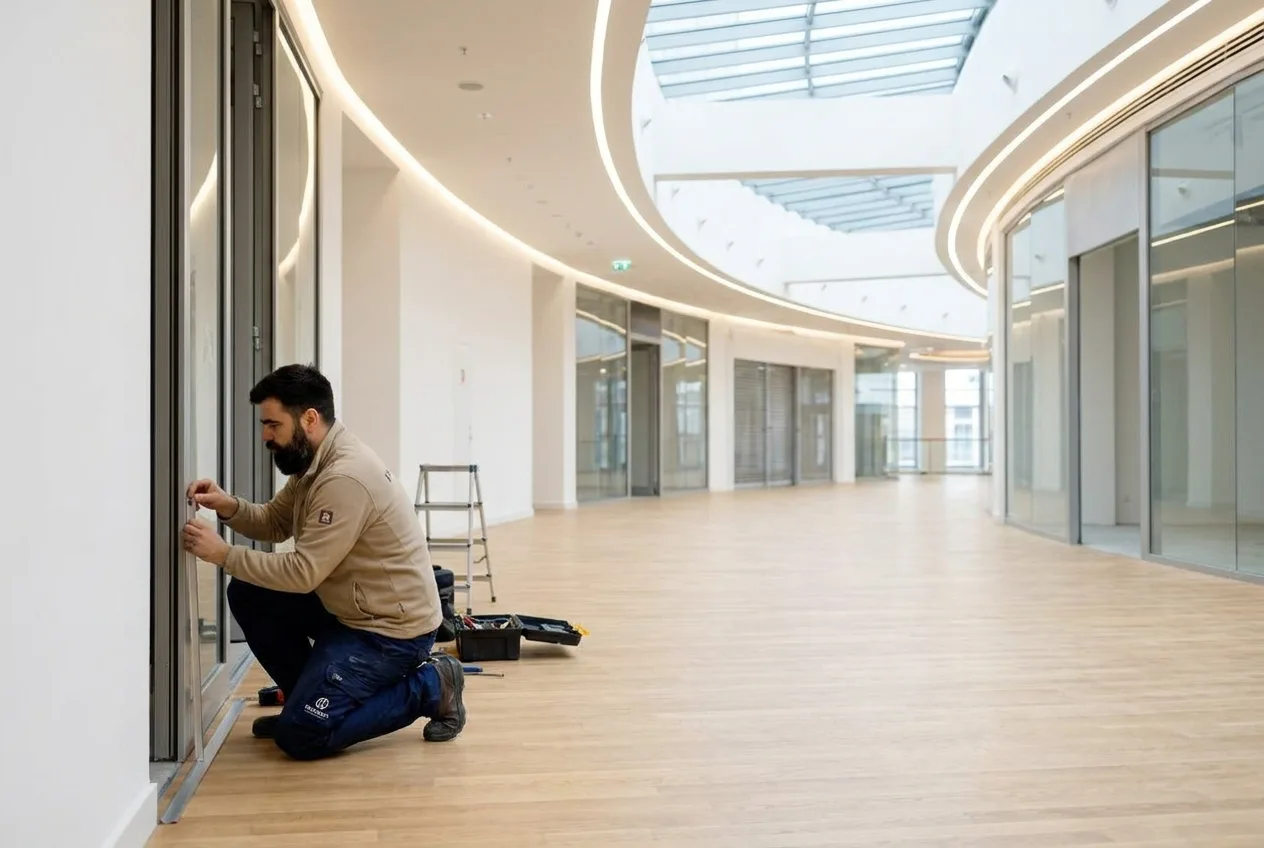
The gallery before opening 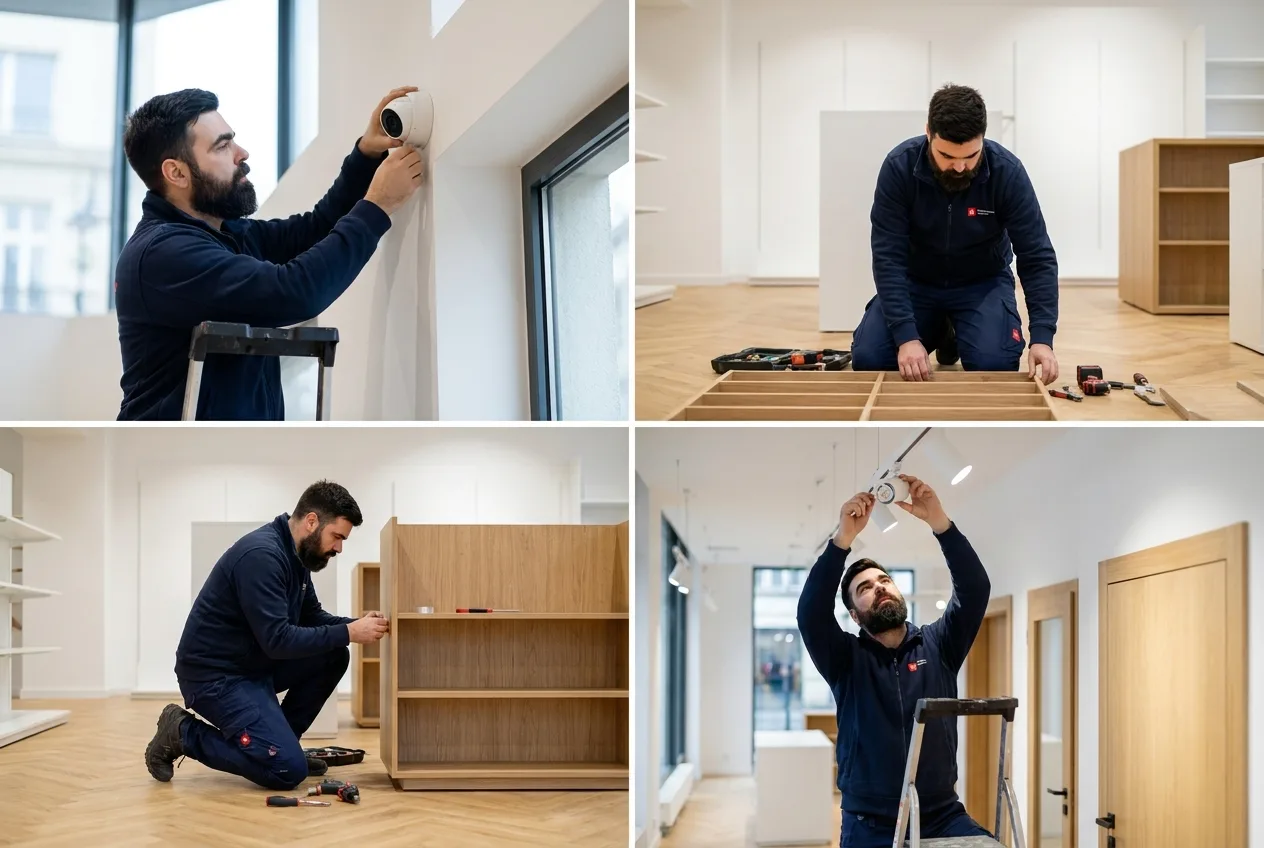
Lighting, shelves, fitting room
What breaks most often
Six things that come back on these premises month after month.
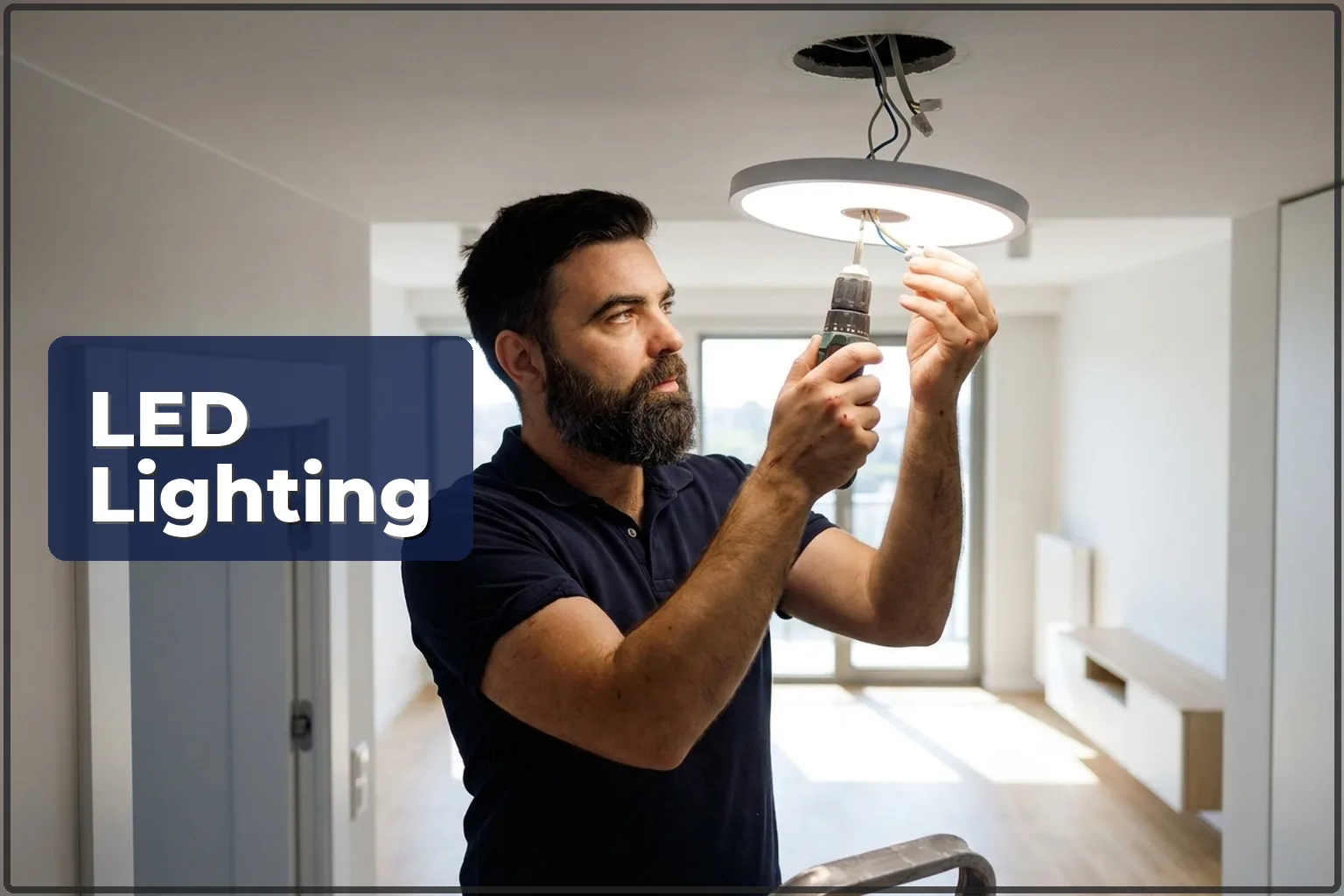
- Window and floor lighting Spots over the window, light above the till, a dark corner on the floor.
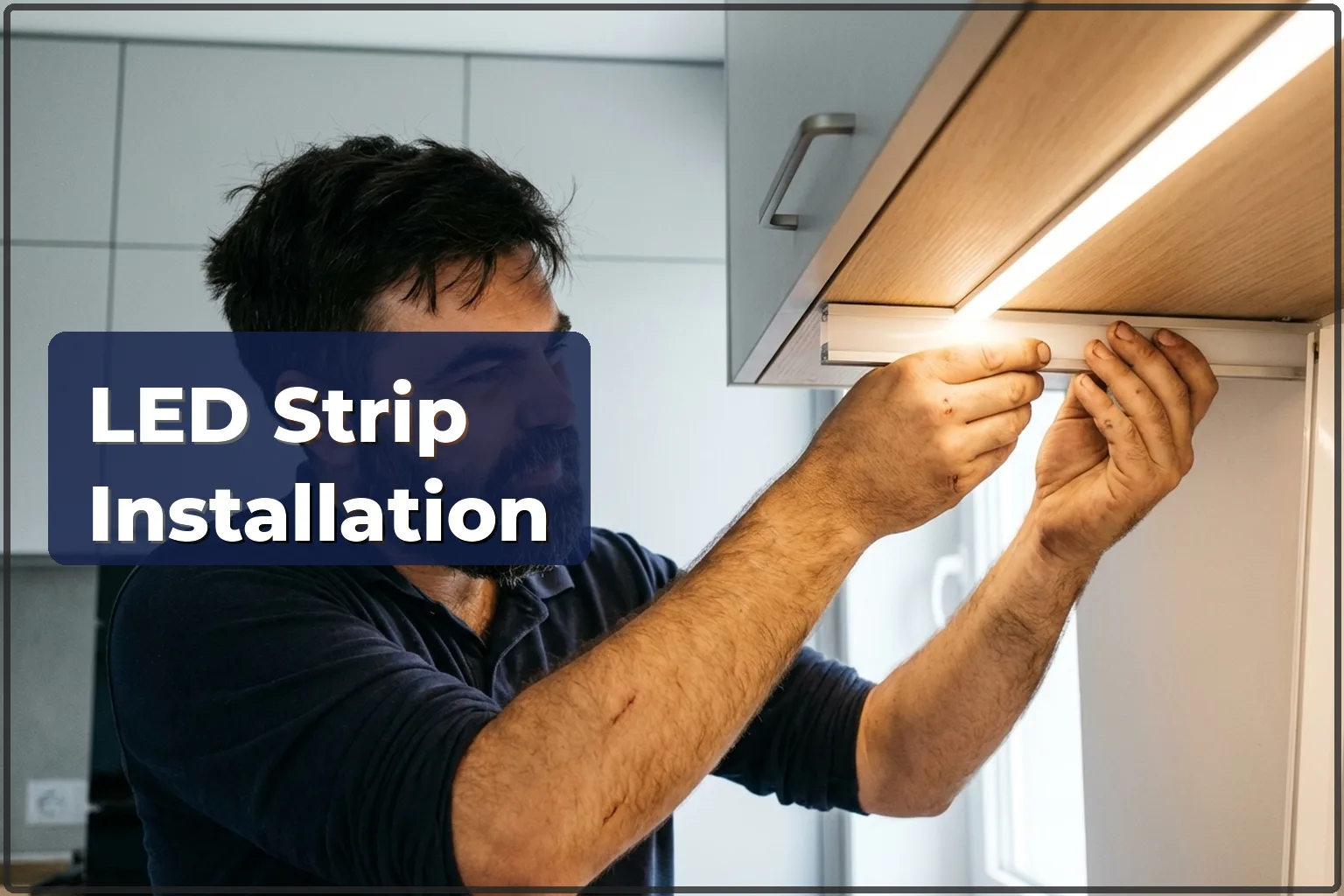
- LED strip and track lights Strip under the shelves and track lights moved to a new layout.
- Changing bulbs All of them at once while the ladder is already up.
- Mirrors in fitting rooms A heavy mirror on the wall or in a recess, fixed for the weight.
- Shelves and racks Assemble, move, and reinforce a shelf that has sagged under stock.
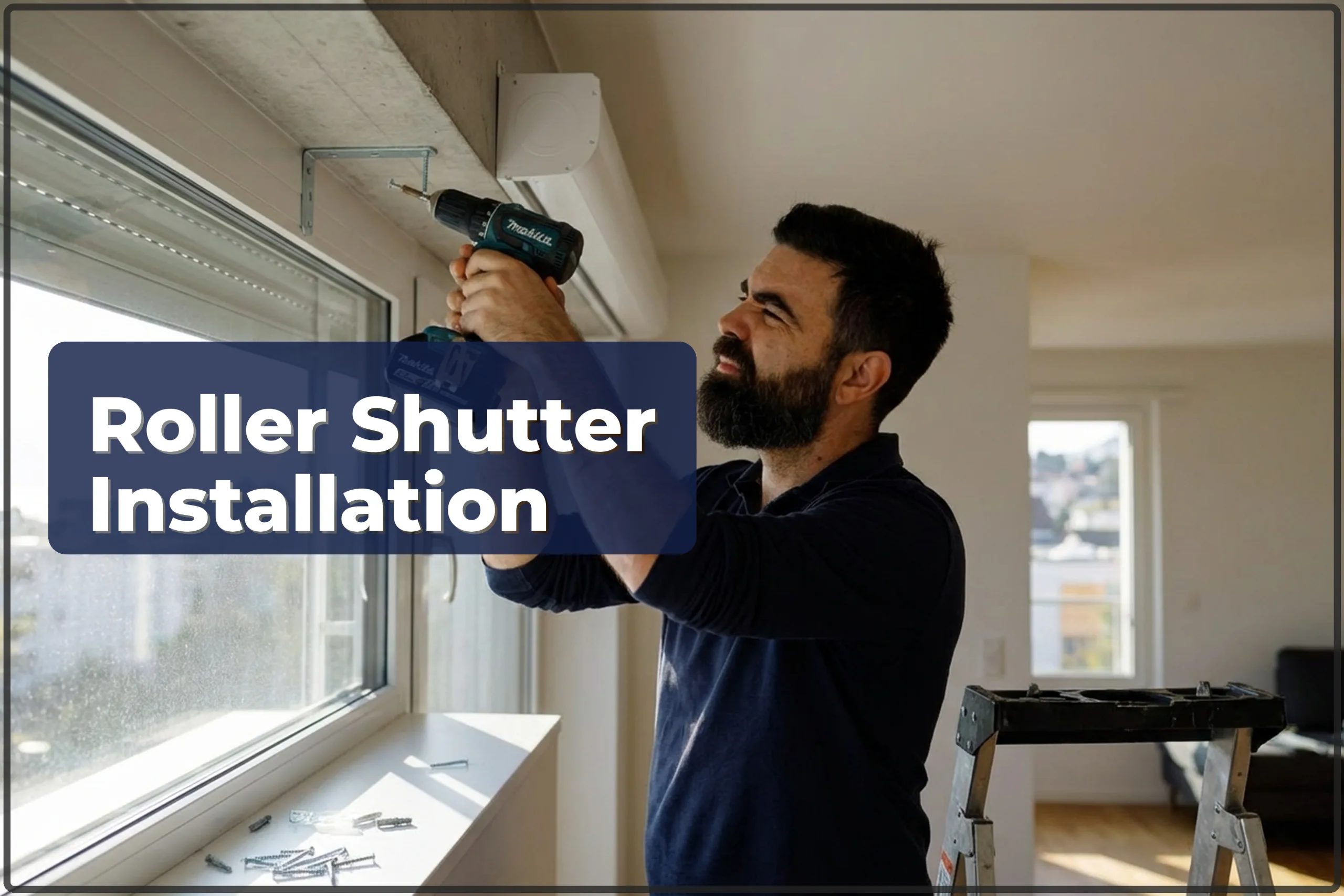
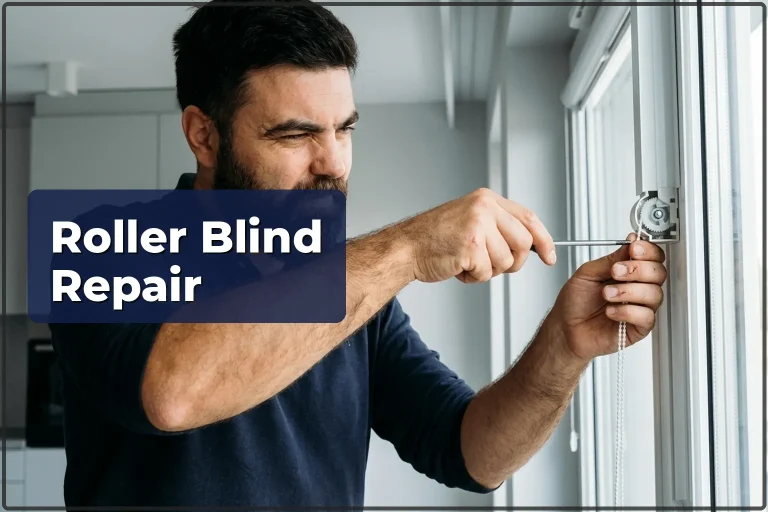
- Blinds and roller shades A mechanism that stopped winding and a snapped cord.
Before opening and after closing
Working around customers is awkward for both sides, so we come into a closed shop: early morning, late evening or at the weekend. Those hours carry a surcharge in the price list and you see it before ordering.
How it gets done in a hurry
Four mistakes that come back most often on premises like these.
-
A spot replaced with whatever was at hand
A different beam angle and colour temperature, and the window starts to look patchy.
-
Shelves fixed into plasterboard
Under stock the board gives way: the shelf slides down along with its fixing. It needs backing or an anchor.
-
A fitting room mirror on double-sided tape
First a corner lifts, then the whole thing comes down. In a fitting room that is a safety matter.
-
Repairs during trading hours
A ladder in the aisle turns a customer back at the door. Coming in before opening costs a surcharge, not the takings.
BEFORE 10:00
A customer should not have to walk around a ladder. Anything noisy or in the way is done in a closed shop.
How it runs
Four steps. The third one belongs to the tradesperson rather than to us, and that is the difference that matters here.
-
The request
Describe what is not working and attach a photo of the window. The shot shows the type of fitting and the height it hangs at.
-
The range
We answer with a range from the price list. Materials, carrying them in and taking the rubbish out count separately, and we say so up front.
-
A tradesperson takes it
The job shows up in the app and the tradesperson confirms the hour. If the slot does not work, you hear it early rather than an hour before the visit.
-
Settlement
The invoice comes from the tradesperson who did the work: they sell the service, we do not. Need paperwork for the company, say so in the request.
What to have ready
Four things that keep the visit to one trip instead of two.
- A photo of the window and what is not lit
- Ceiling height and the type of fitting
- Who opens the floor and until when
- The gallery rules, if you are in a centre
The same price list as for flats
Items from the general catalogue: there is no separate business tariff. You see the range before ordering, and the app shows the same one.
| Service | Range |
|---|---|
| Lighting installation (lamp, chandelier) | 80–150 zł/szt |
| LED strip installation | 60–90 zł/mb |
| Light bulb / halogen replacement | 30–50 zł/szt |
| Picture / mirror mounting | 200–350 zł |
| Wall shelf mounting | 80–150 zł |
| Door adjustment | 30–60 zł |
| Roller blind / venetian blind repair | 150–350 zł |
| CCTV camera installation (1 pc.) | 250–500 zł |
The work
From price list items. The range is visible before ordering and the exact amount is quoted before the start.
The call-out
Within Warsaw it is included. Outside the city it is a separate item, up to 30 km from the limits.
Materials
Small fixings come with the tradesperson. Everything else is separate, along with carrying in and rubbish removal.
The hour
Night and weekend hours, and an urgent call-out, carry a surcharge from the price list.
Six bulbs and a track move are two items from the table above times the quantity, one call-out and the early-morning surcharge.
Full price listWhat nobody here will promise
We do not refuse on principle. Some jobs need paperwork, and some dates we simply cannot keep, so it is better said before than after.
-
LICENCE NEEDED
Gas line
We take it, but only through a tradesperson with a current gas licence. Without the paperwork nobody touches it.
Load-bearing walls and risers
Those too, when there is a design and the building manager agrees. Cutting into structure by eye is out.
-
NOT PROMISED
Bespoke display equipment
Branded racks and plinths from the maker are installed by their own crew: they have their own fixings and rules.
Work during trading hours
A ladder in the aisle with customers around is a risk and lost sales. We come into a closed shop.
We check tradespeople before letting them into the app and hold them to the amount they quoted. Whoever did the installation answers for it. Write to us if something went wrong: that is how we learn who stays in the app.
Before you order
The window is high and needs a ladder.
Write the height and what exactly hangs there: the tradesperson brings their own ladder. Work at ceiling height is counted from a price list item, not by eye.
We have several locations in the city.
List the addresses in one request. The tradesperson looks at the list and says what closes in a single call-out and what needs a separate visit.
We are in a shopping centre with its own rules.
Say in the request how entry works and whether the centre sets conditions for work in the gallery: some let contractors in only when the floor is closed. The tradesperson arrives at the agreed hour and with ID.
We are changing the layout for the new season.
Moving lights, shelves and mirrors is ordinary work from price list items. Send the new layout with the request and the tradesperson will say how long it takes and what comes first.
Everything has to be ready before we open at 10:00.
Then we set an early visit and say plainly what fits in that window and what does not. Morning hours before the working day carry a surcharge in the price list.
How fast will someone arrive?
The slot depends on who is free. We name it before you order and confirm it. An urgent call-out exists in the price list and costs more.
We need a VAT invoice for the company.
The invoice comes from the tradesperson who did the job: they sell the service. Say in the request that you need company paperwork and we will pick someone who issues it.
Who is answerable for the work?
The person who did it: the tradesperson is the contractor. We vet them before they get into the app and read every complaint, which is how we know who stays.
Worth reading
The same jobs written out step by step, with ranges and the usual mistakes.
One sentence
is enough.
Describe the fault in your own words and add a photo. We answer with a range from the price list, and you finish the order in the app.
No phone calls. It all runs in writing, so the order keeps a history.