Three layouts, three sets of traps
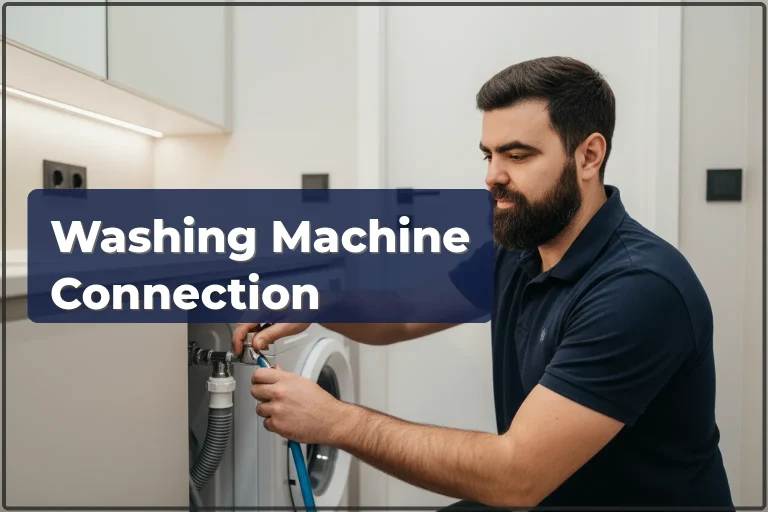
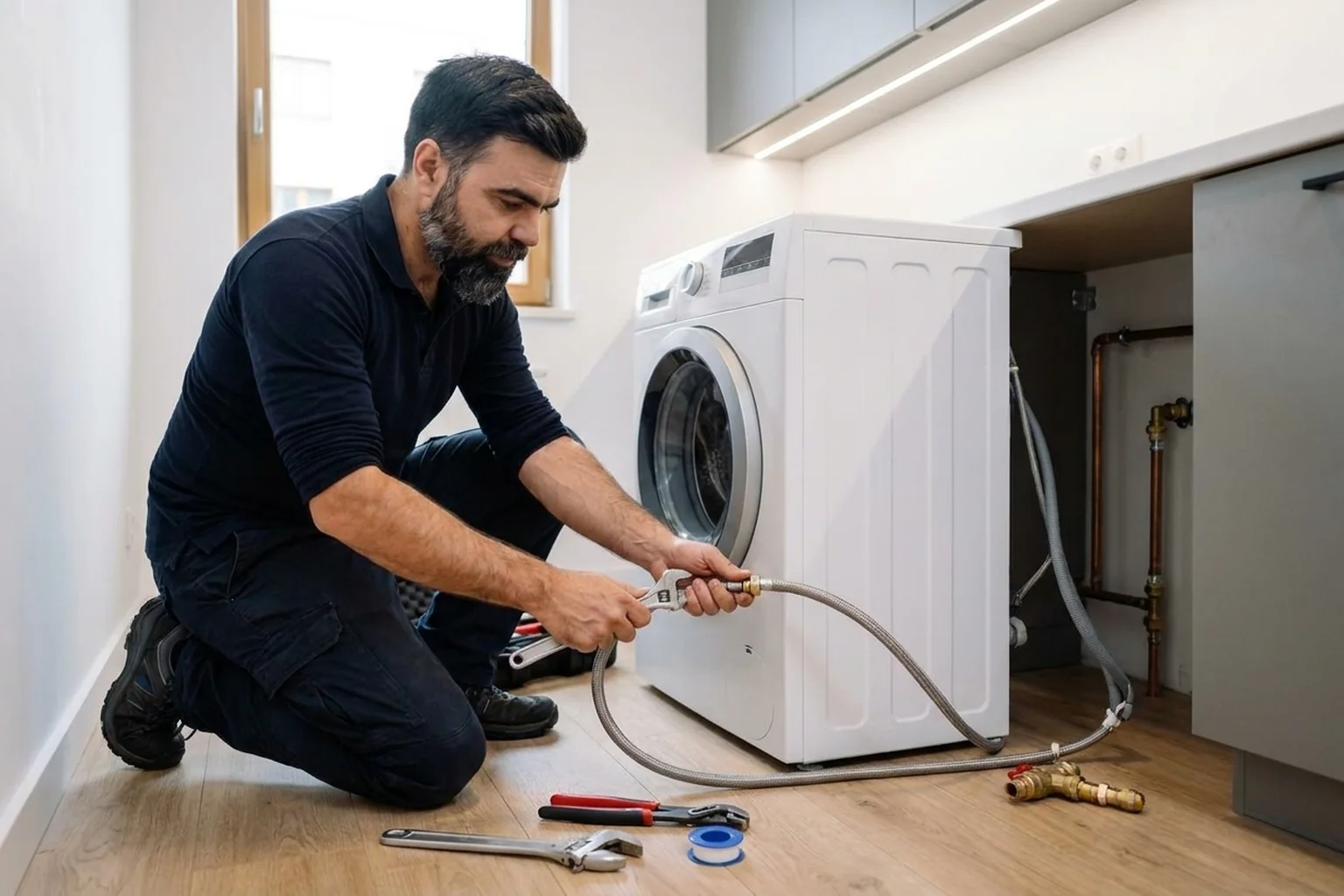
A front loader is the classic. Transit bolts come out before the first wash, the feet are set with a spirit level, the inlet hose goes onto a threaded valve and the drain into a trap with a spigot or the waste pipe. Leave room for the open door, which is easy to forget when there’s a cabinet next to it.
A top loader is narrower and fits where a front loader won’t. But the lid has to open all the way, so there can’t be a shelf or cabinet above it. It has transit locking as well, just in a different place, which is why the tradesperson checks the manual for that particular model.
A dryer on top of a washer needs a stacking kit that suits both machines. Without one, the top machine creeps off during the spin. A dryer with a water tank doesn’t need a drain, but if it pumps water out through a hose, that goes into the same trap. And two machines means two separate sockets, not an adapter.
It always finishes with a short cycle and no laundry, then a look under the machine and around the trap.
Water and power: breaker off before touching the socket, valve closed before undoing a hose.
How it looks in the appConnect washing machine: a request without phone callsDescribing the job is quick: the service, a photo of the washing machine connections and an estimate on screen. Next come the address and a convenient time. Handymen who work for themselves see the job. You end up with a few offers and decide yourself who to go with.Service and a photoAddress and a day that suits youOffers from handymen, you choosePost a request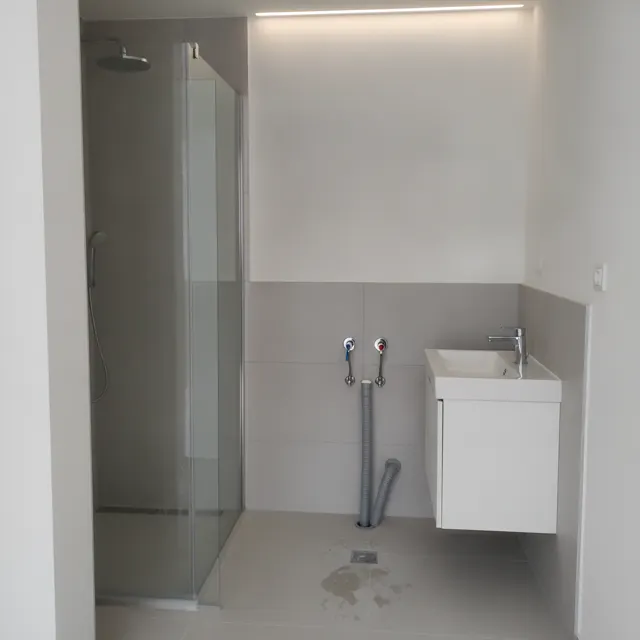
Price ranges and offers from tradespeople: plumber in Warsaw.
Whirlpool washer connection: common mistakes
- A dryer set on the washer “on its rubber feet”. A few washes later it’s at the edge.
- A top loader under a shelf. The lid opens halfway and loading laundry turns into gymnastics.
- A drain hose extended with whatever was lying around. Every extra joint is a possible leak.
- Both machines on one socket through an adapter.
Whirlpool washer connection: getting ready
- Measure the height of the space, especially if you’re planning a stack.
- Buy the stacking kit at the same time as the appliances.
- Take photos of the valve, the drain and the sockets.
- Say whether the appliances need carrying in and the old ones taking away. Both are priced separately.
Placing the order
Describe what’s going where: front or top loader, with or without a dryer. Add photos. Tradespeople who connect household appliances send bids at their own price. You pick by price, ratings and reviews, and only then do you see his phone number and he sees your address.
You pay him directly and he issues the invoice. Washers and small fittings are usually part of the labour; the stacking kit, a new trap or hose count as materials. He’ll redo his own connection if it leaks. The old riser and wiring in the wall are not his responsibility.
Order in the app
Describe the job, add photos and the address. Tradespeople send their own prices and dates, and you pick one of the offers.
Open the app