
How much heat recovery ventilation costs and what drives the price
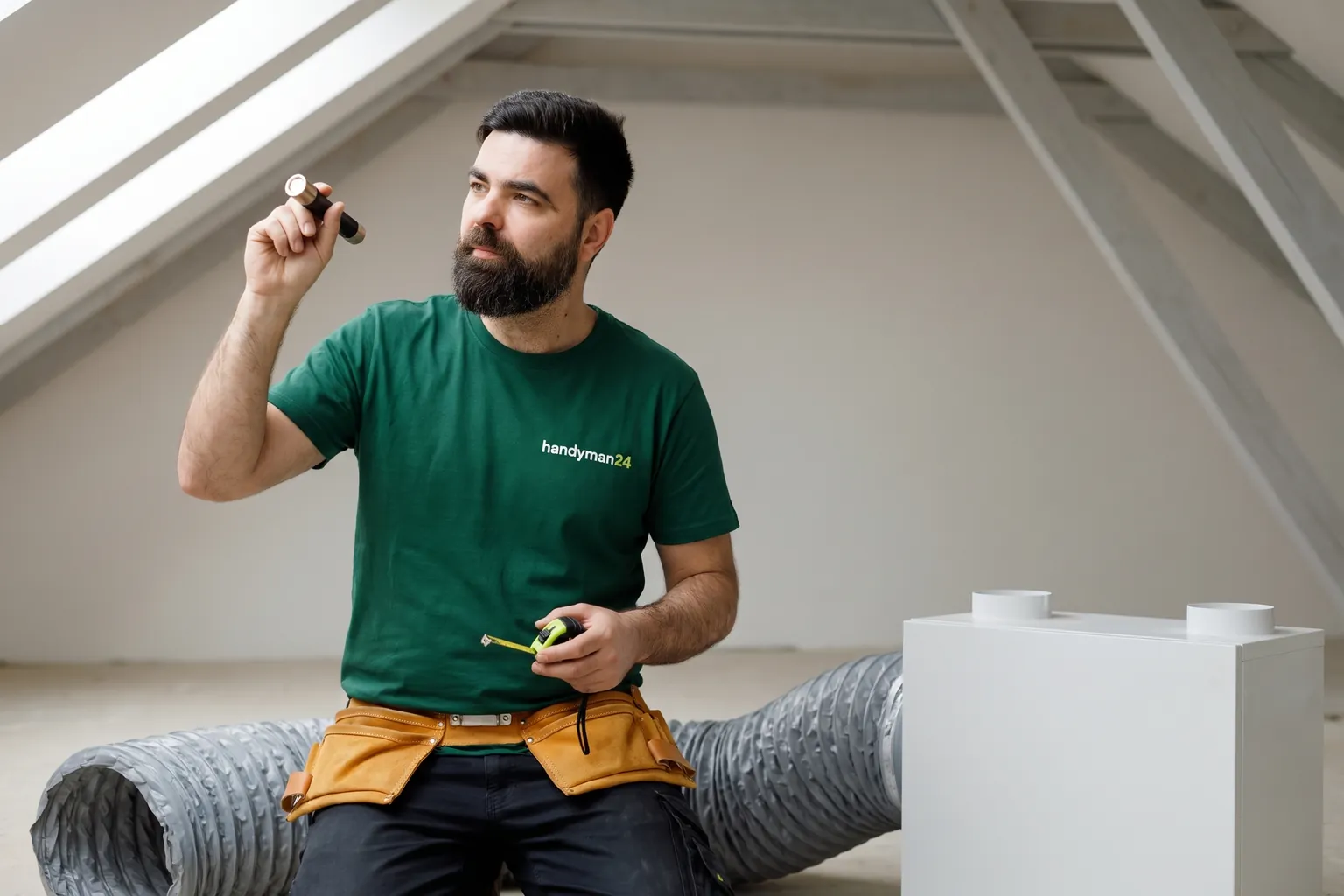
Fitting the heat recovery unit itself costs 3000–7000 zł/szt on the price list. The building stage matters most. During construction, ducts run through the floor or under the screed and nobody touches finished walls. If you already live there, the route has to be found through the loft, cupboards and suspended ceilings, and that takes hours. Floor area, the number of air valves and the choice between a full system and one or two wall units count too. Current rates are in the table.
| Service | Price |
|---|---|
| Install heat recovery unit (recuperator) | 3000–7000 zł/szt |
| Wall-mounted heat recovery unit (single room) | 980–1200 zł |
Indicative prices. Ranges for a typical scope. Fixings included, materials separate. Minimum order 300 zł.
Small fixings are normally part of the labour. You pay separately for the unit itself, ducts, valves, silencers and the design. Boxing-in, carrying materials in and clearing rubble after chasing come on top. Before you accept an offer, ask for a plain list of what the price covers and what you buy yourself.
Price ranges and offers from tradespeople: handyman in Warsaw.
How heat recovery works and what is inside a recuperator
A recuperator is a box holding two fans, a heat exchanger and filters. In winter, warm air leaving the house gives up energy to the exchanger walls, and cold outside air picks it up on the way to the room. In a standard cross-flow or counter-flow exchanger the two streams do not mix, so bathroom smells will not end up in the bedroom.
Fresh air goes to the living room and bedrooms; stale air leaves from the kitchen, bathroom and toilet. Filters catch dust, pollen and some smog. In summer a bypass sends air around the exchanger, so cool night air is not warmed by the air going out.
Still hunting for the cause of damp corners? Start with where mould and damp come from. Simpler fixes are collected in the guide on improving ventilation in your flat.
Central or wall-mounted heat recovery unit: which to choose
Central system
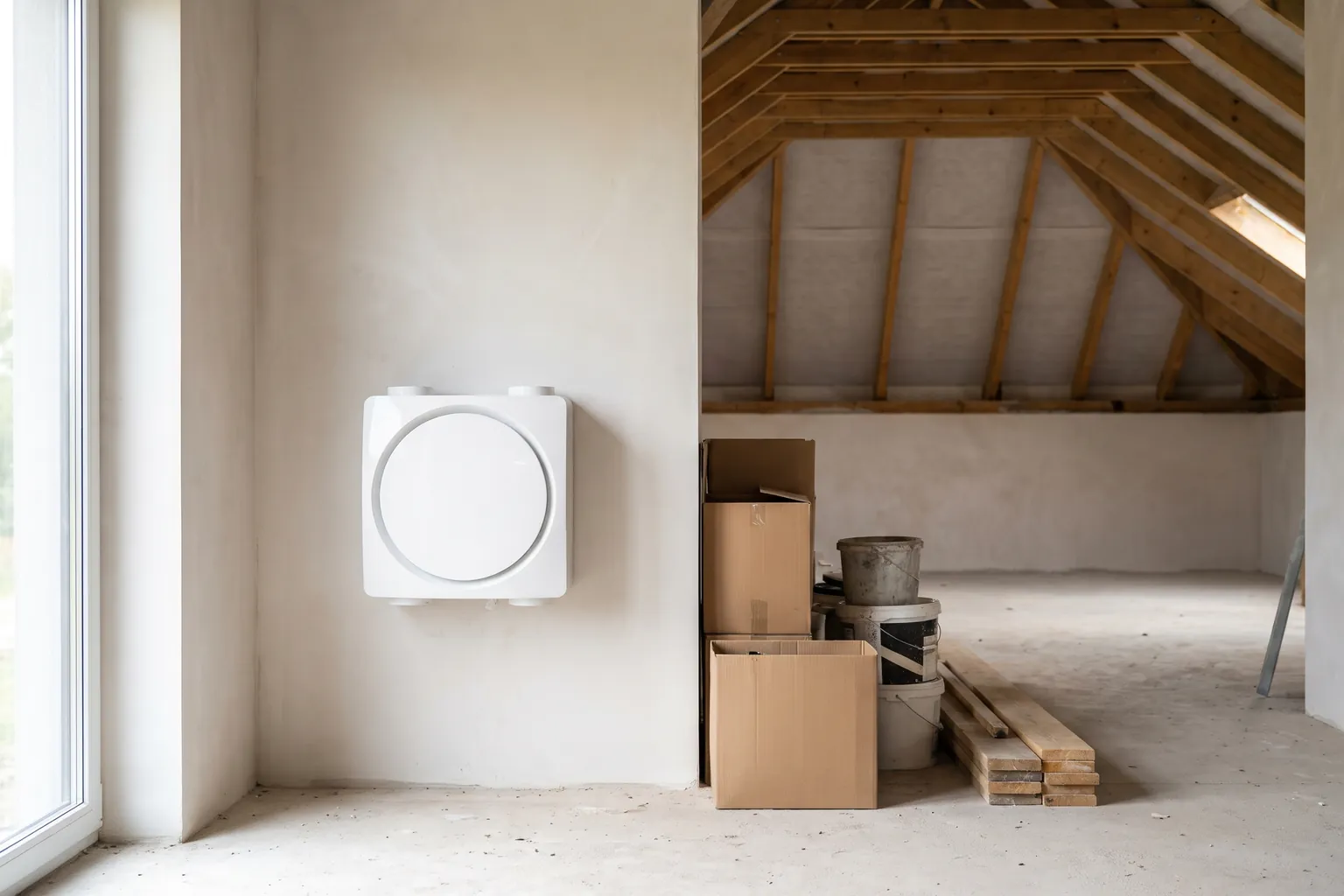
One unit in a boiler room, utility room or insulated loft, with a network of ducts to every room. Air changes throughout the house and the machine is not sitting in a bedroom making noise. It needs a design, room for ducts and adjustment at every valve, so the easiest time to fit one is in a new build or a major renovation.
Wall-mounted recuperator for a flat or single room
A pipe through the outside wall, a small fan and a heat-storing core, usually ceramic. A typical unit reverses direction every few dozen seconds: it pulls air out and warms the core, then brings fresh air in and takes the heat back. They normally work in pairs. With no ducts, they are a common choice for a flat or one problem room.
Reviews of wall-mounted units tend to split over noise in the bedroom and over expectations. One pair will not ventilate several rooms well, and output can fall in strong wind. In a block of flats, ask the building manager or owners’ association about the hole through the facade before you buy. Not sure which type fits? Describe your layout in an order and tradespeople will reply with offers and their view of it.
Heat recovery ventilation in an older house: when it makes sense
An old house often ventilates itself through gaps in windows, floors and the roof. Air keeps travelling through those gaps and misses the exchanger, so very little heat comes back. The sensible order is airtightness and insulation first, ventilation second.
Things change once the windows are replaced and the walls insulated. The old passive vents do not always keep up, and that is when heat recovery pays its way, provided you can find a route. Ducts can run through the loft, in boxing along a corridor or above a lowered ceiling. If none of that works, use wall units in selected rooms. The designer or installer should also decide what happens to the old vent flues, because open grilles upset the system’s balance.
Is heat recovery ventilation worth it: pros and cons
Windows can stay shut, the bedroom is not stuffy in the morning, and bathroom moisture goes outside. Part of the heat stays in the house, though the saving depends on how airtight the building is and how you heat it.
The downsides are just as real. Fitting a system into a finished interior is a nuisance, ducts take up space, and filters need changing, usually every few months. Indoor air can get dry in winter. A badly designed system is noisy and draughty. I would fit one in a new or well-insulated house; in a leaky one I would try basic draught-proofing first.
Heat recovery ventilation and air conditioning: the difference
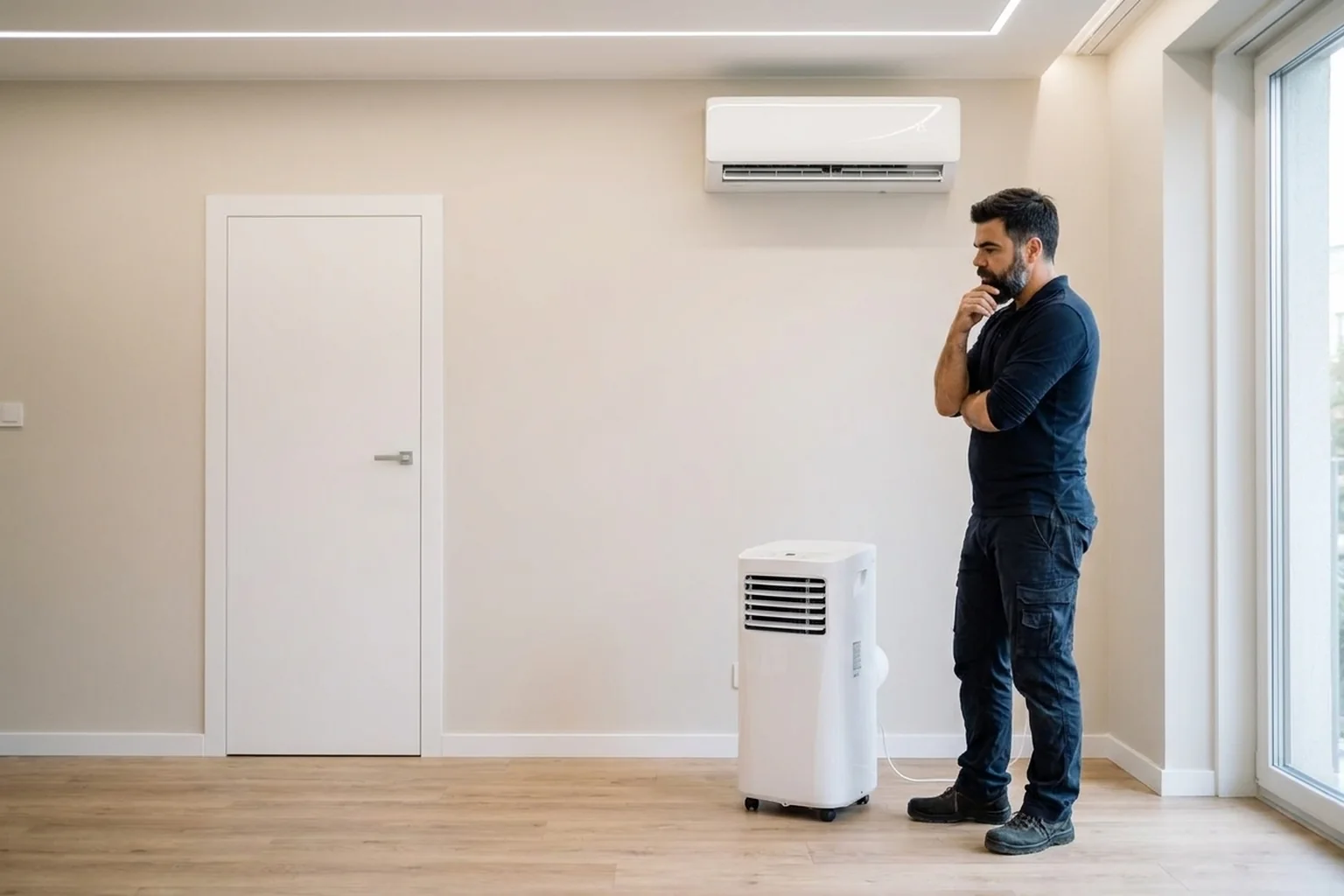
A split air conditioner cools the air already in the room and brings in none from outside. A recuperator changes the air but does not take the edge off a heatwave: the bypass helps on a cool night at best. They often work side by side. If cooling is on your mind, read about which air conditioner suits an apartment like yours.
Combined systems exist, with a cooler fitted in the duct. Ventilation airflow is small, so the effect is often modest, and cold ducts need good insulation or condensation forms on them.
Safety when fitting heat recovery ventilation
Take care with anything burning gas or wood. An open-flue boiler, a gas water heater and a fireplace all draw air from the room. Unbalanced mechanical ventilation can disturb the draught and pull combustion gases back indoors, and carbon monoxide has no smell. Before installation, ask a chimney sweep or a qualified gas fitter whether a separate air supply is needed.
Leave the mains connection to a qualified electrician. Before drilling, the tradesperson checks the wall for cables and pipes. Facade work calls for proper scaffolding or a lift; a ladder leaning on external insulation will not do.
How a heat recovery installation goes, step by step
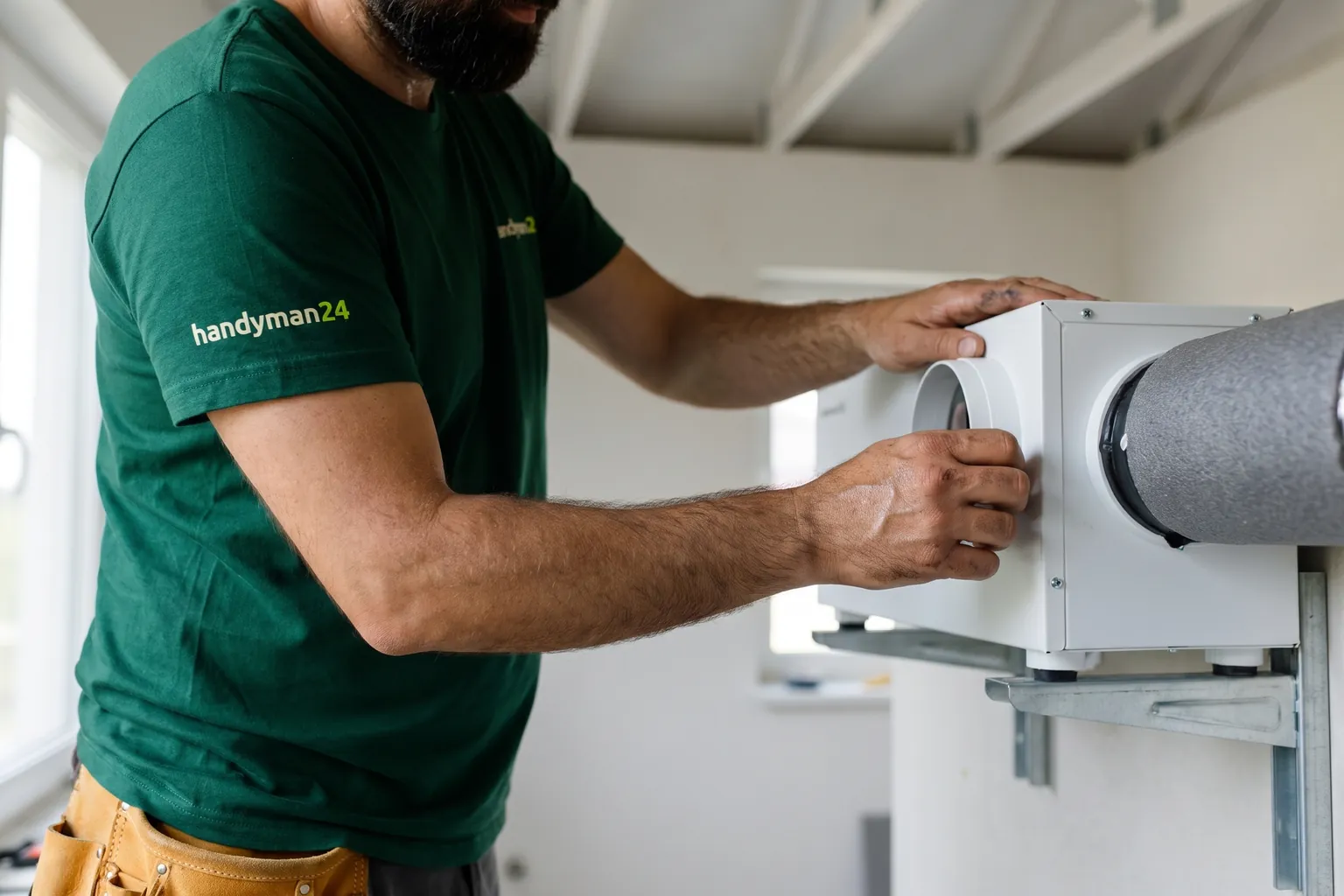
- Site visit and a talk about floor area, outside walls, the loft and any fuel-burning appliances.
- A design with an air balance: how much to supply and extract per room, and where the unit goes.
- Choosing intake and exhaust points away from the chimney, the bins and each other.
- Running ducts, insulating sections in unheated areas, fitting silencers.
- Installing the unit and draining condensate through a trap into the waste pipe.
- Power and controller connected by a qualified person.
- Balancing with an anemometer at each valve, with the readings written down.
- Handover: filters, modes, what to do if it gets noisy.
Common mistakes with heat recovery units
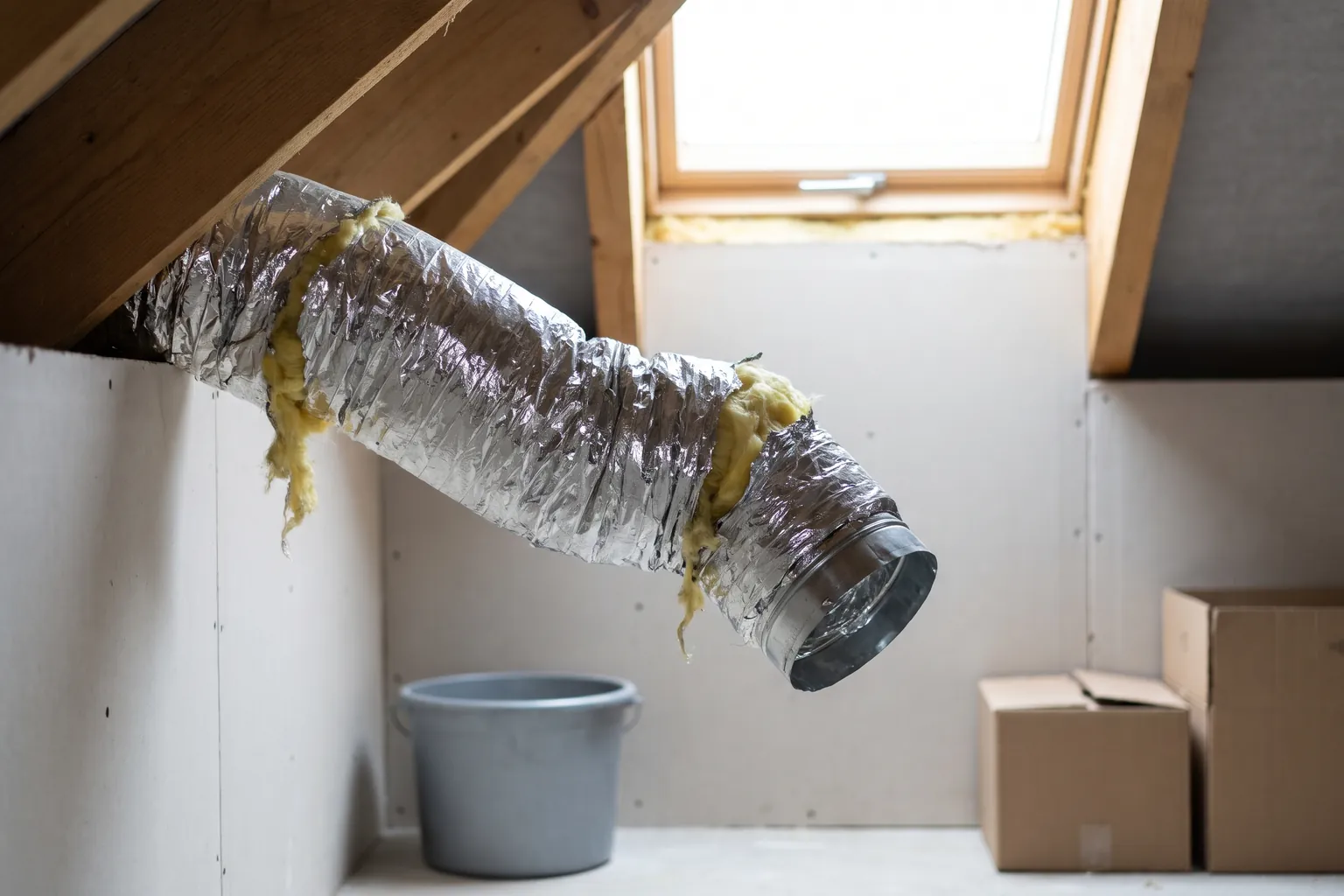
- Buying the unit before the design exists, then finding it cannot manage the airflow required.
- An intake next to the chimney or exhaust, so the house breathes in what it just breathed out.
- Uninsulated ducts in a cold loft. Condensate ends up on the ceiling.
- No balancing after installation. The bedroom is draughty while bathroom moisture hangs around.
- Filters and the unit fitted where nobody can reach them, so servicing soon stops.
What to prepare before ordering a recuperator installation
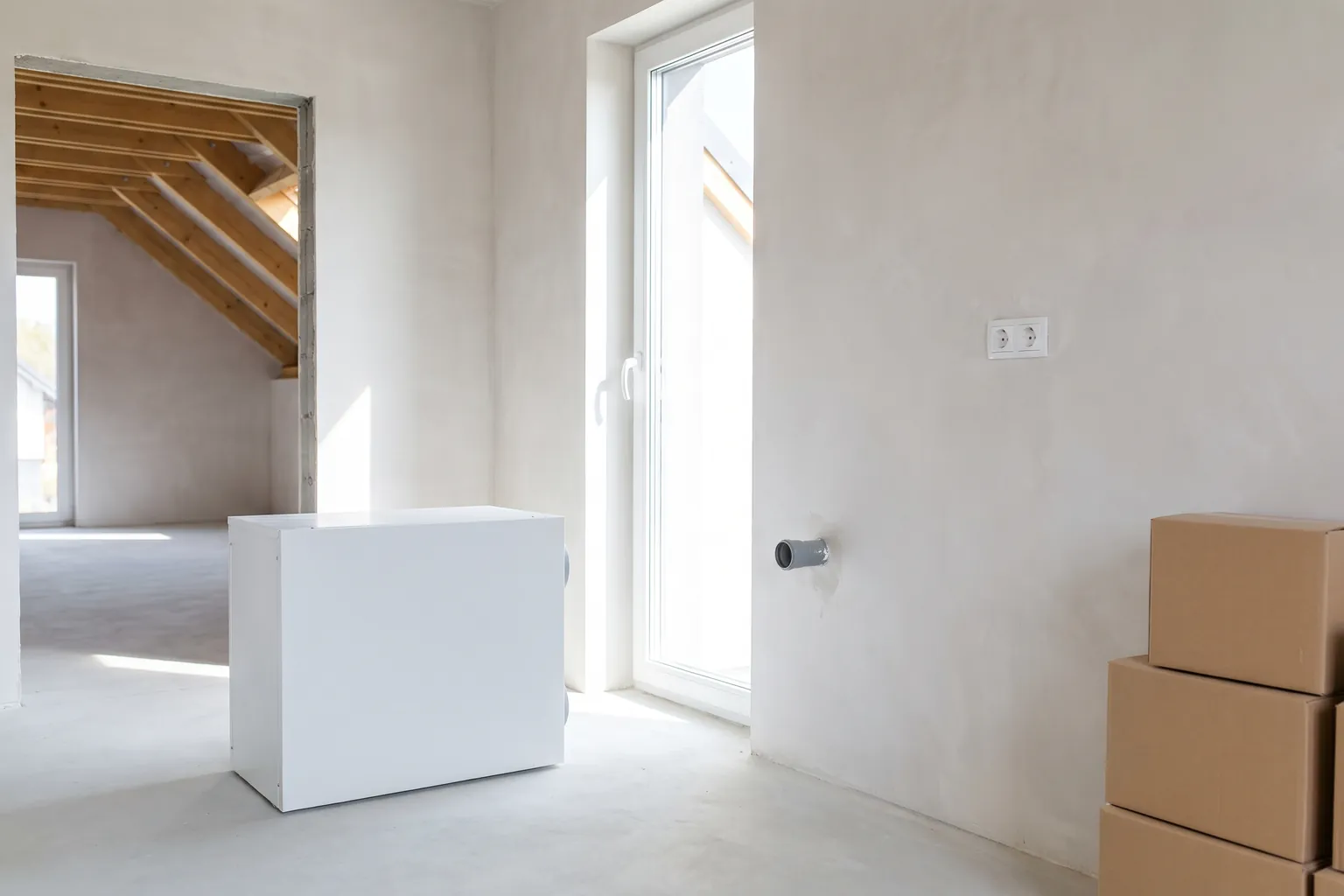
- A floor plan or sketch with dimensions and room heights.
- Photos of the loft, boiler room, ceilings and the likely spot for the unit.
- Details of your heating, fireplace and gas appliances.
- The stage of work: shell, renovation or lived-in house.
- Your equipment, if already bought, with its model and data sheet.
- Consent from the building manager if the facade of a block has to be drilled.
Questions and answers
What is heat recovery ventilation in simple terms?
Ventilation that keeps changing the air in your home and reclaims some heat from the outgoing air on the way.
How much does heat recovery ventilation cost for a house?
It depends on floor area, building stage and duct lengths. Installation rates are in the table above, while equipment and ducts are bought separately.
Does heat recovery make sense in an old house?
Yes, if the house is already airtight and insulated and the ducts have somewhere to run. Otherwise start with windows and insulation, or look at wall units.
Is a wall-mounted recuperator enough for a flat?
Usually for one or two rooms, working as a pair. For a bedroom, check the noise level on the data sheet.
Can heat recovery replace air conditioning?
No. A recuperator supplies fresh air and reclaims heat, but it barely touches summer heat. Cooling usually means a separate air conditioner.
How to order a heat recovery installation in the app
Publish an order in the app: say whether you want a central system or a wall unit, and add photos and a plan. Tradespeople near you send offers at their own prices, and you choose by reviews and by how they answer your questions. The invoice comes from the tradesperson you pick.
The tradesperson answers for their own work and puts it right if they got it wrong, but not for hidden faults in the building, other people’s mistakes or breakdowns of the equipment itself.
Do you fit ventilation or recuperators and want jobs near home? Set up a tradesperson profile. Everyone here works for themselves, and you choose your own business form and reporting.
Order in the app
Describe the job, add photos and the address. Tradespeople send their own prices and dates, and you pick one of the offers.
Open the app