
You can answer all of them calmly, without justifying yourself and without a row. Below: what a small job’s price is really made of, ready replies to the usual lines, how to handle “while you’re here” work, and when to turn a job down.
Why “5 minutes” never costs 5 minutes
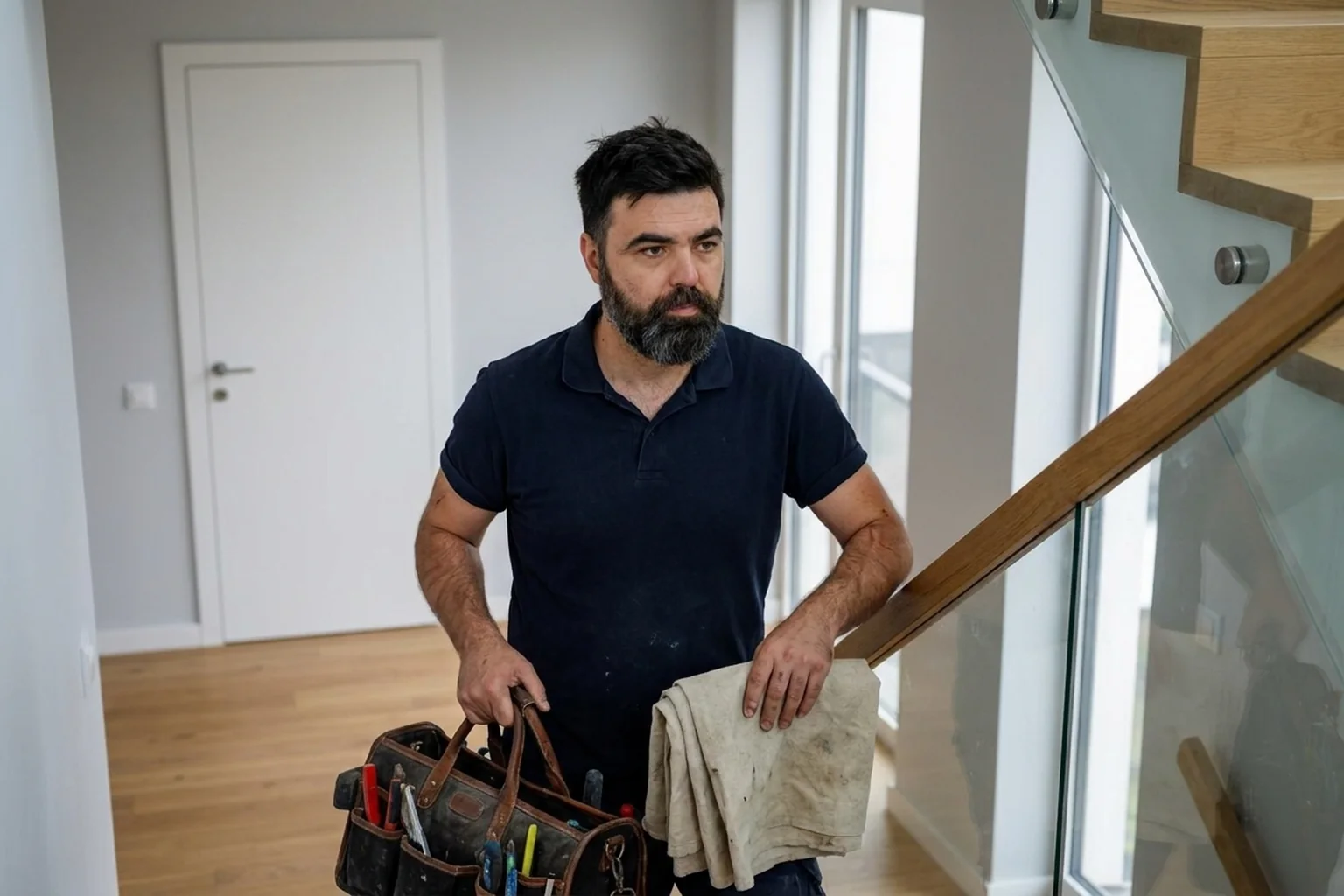
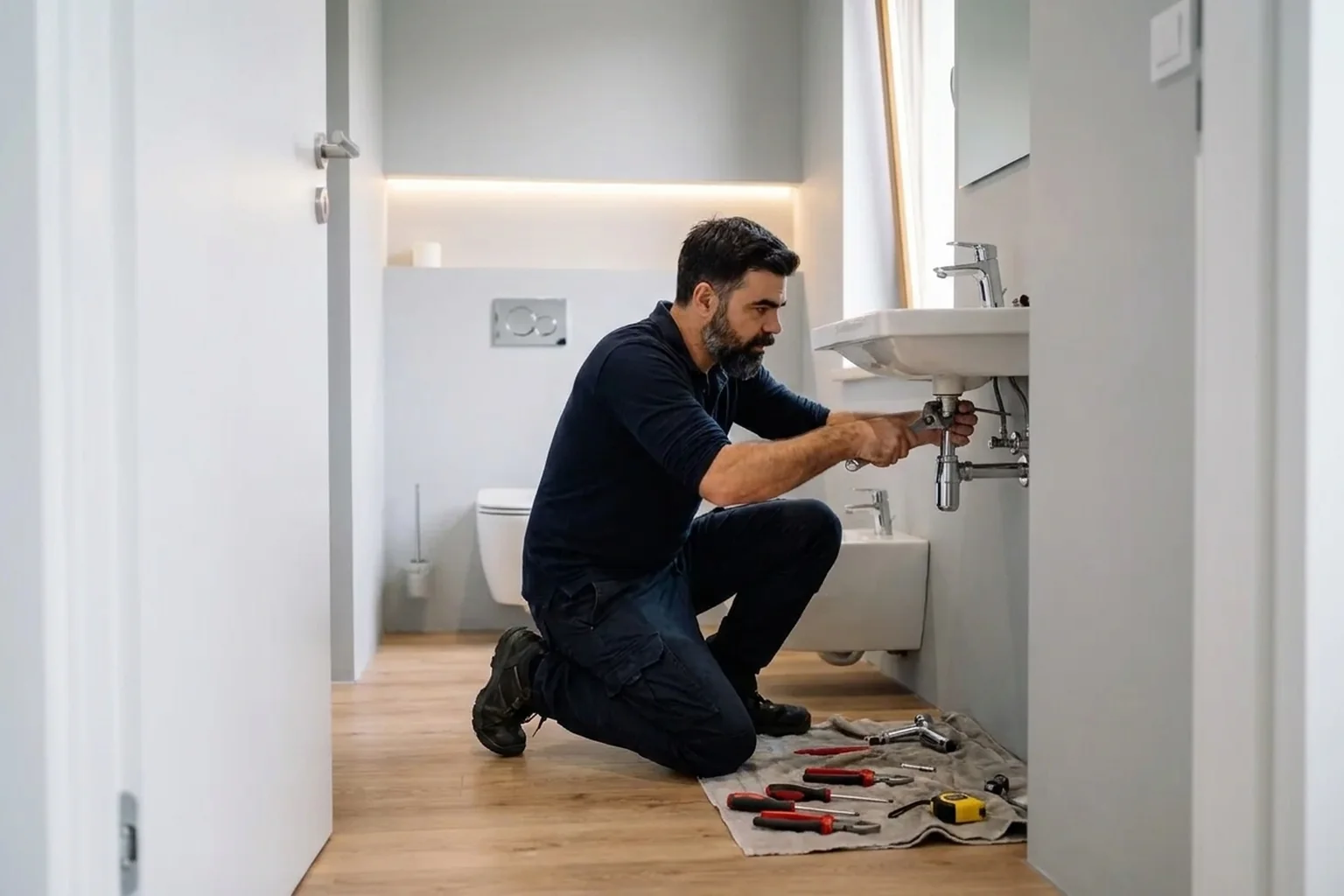
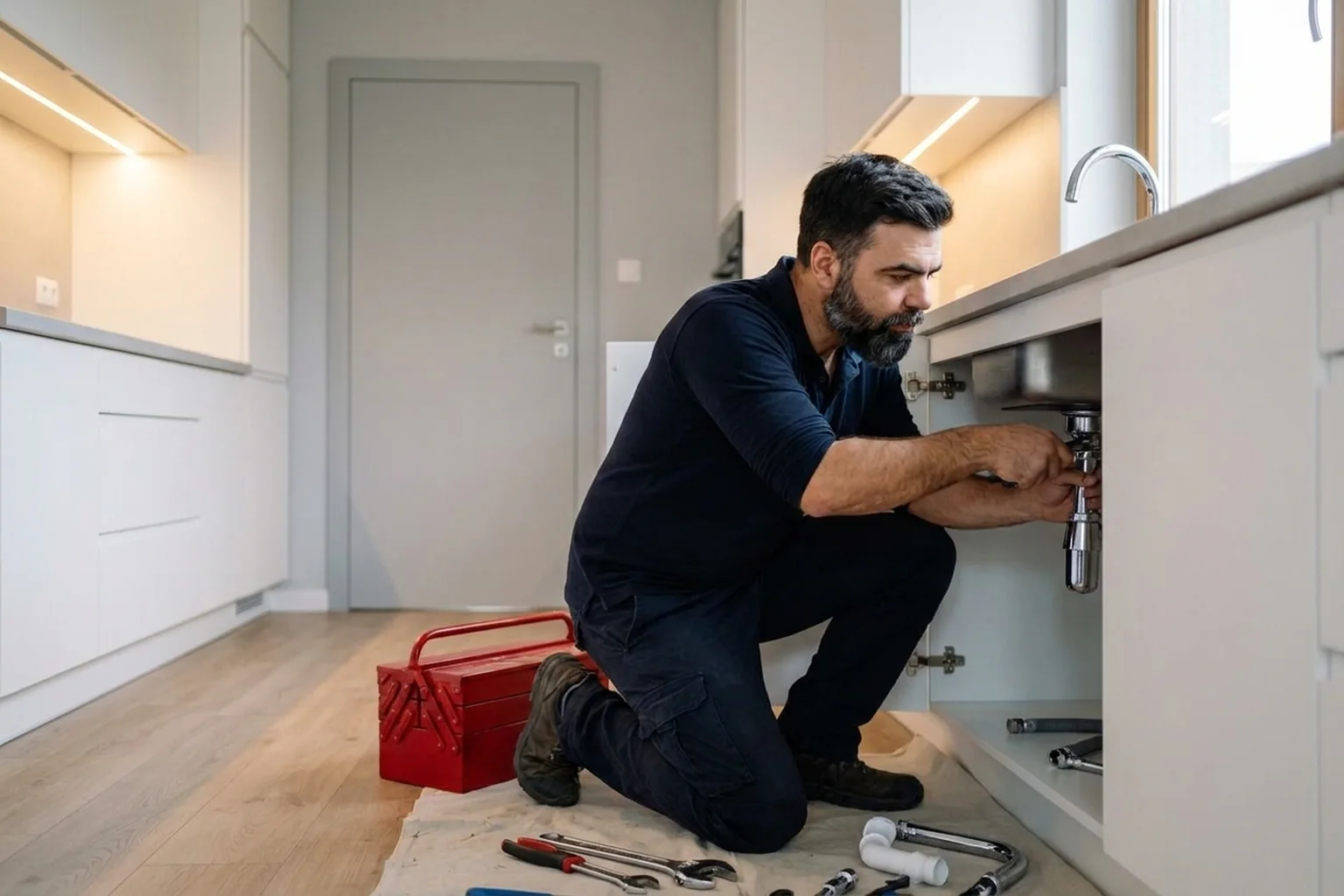
The client sees the moment you drive in a screw. They don’t see the rest: the drive across town, hunting for a parking spot, lugging the tool bag up to the fourth floor, the dust sheet, hoovering up after drilling, and the drive to the next client.
- Travel and parking, and both ways count, not just the way in.
- The gap in your day. A small job squeezed between two bigger ones often eats time that could have held something else.
- Setup and clean-up: checking the wall, picking the right plugs, covering the floor, leaving the place tidy.
- What the photo doesn’t show. A five-minute shelf on plasterboard or crumbling brick can easily turn into an hour.
That’s why many tradespeople have a minimum call-out charge. It isn’t a penalty for small jobs. It’s the cost of standing at the door with your tools at all, and everyone sets their own.
Say a client wants one mirror hung. The work takes fifteen minutes, but with travel, setting up and cleaning it takes a good hour and a half out of your day. You price the hour and a half, not the fifteen minutes.
Rather hand the job over? More here: handyman prices in Warsaw.
What to say when a client haggles
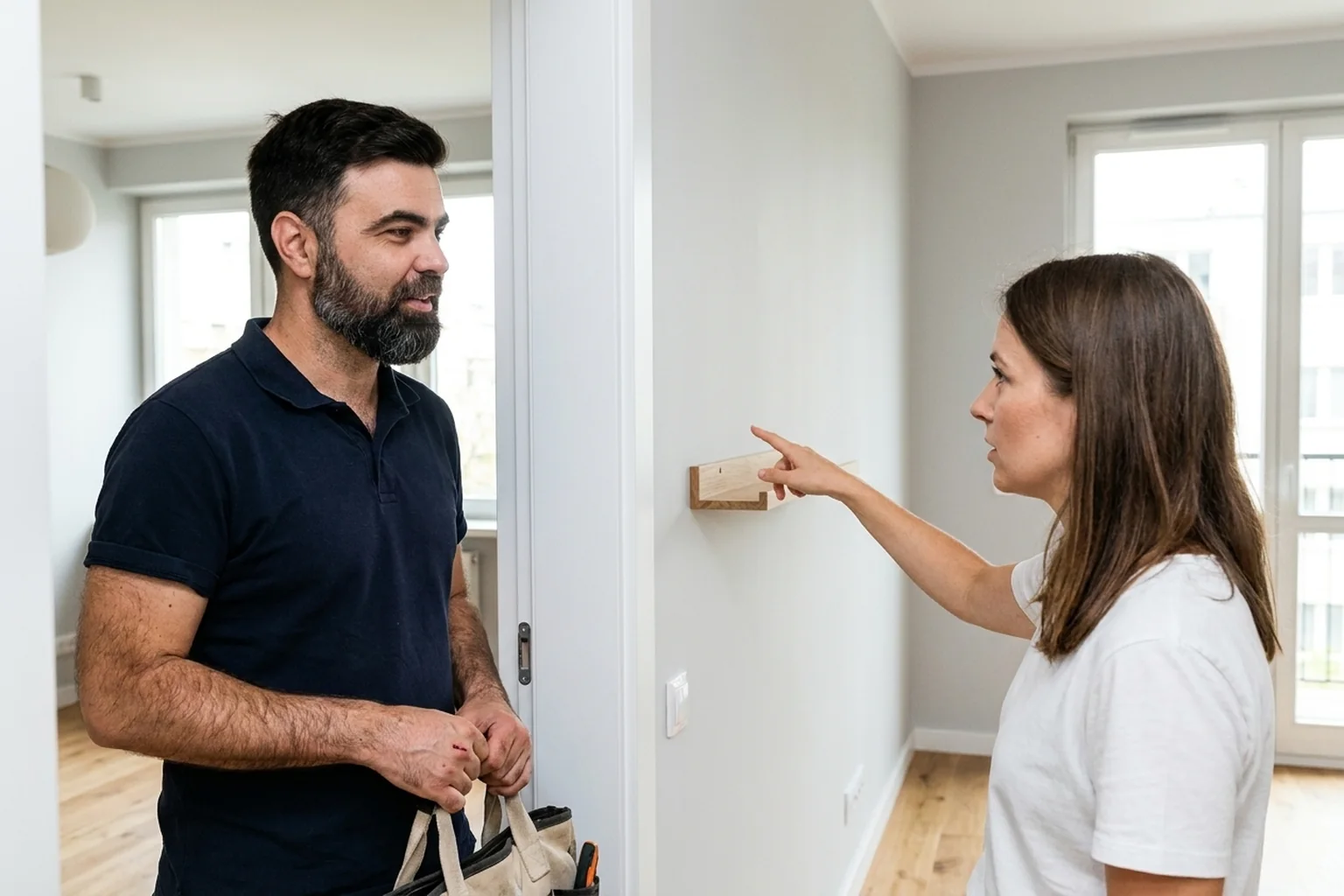
The worst move is a long explanation. The more you justify yourself, the more your price sounds like an opening bid. Keep it short and polite, then move on.
- “It’s only 5 minutes.” → “The screwing part, maybe. The price also covers travel, setup and clean-up, so I don’t go out for less than my minimum.”
- “My neighbour would do it cheaper.” → “Could be. If he’s got the time, that’s a good option. My price for this is what I quoted.”
- “Is it cheaper without an invoice?” → “No, there’s one price and I do it properly, with a receipt or invoice.” No lecture on tax. A plain no ends the topic faster than a sermon.
- “I’ll pay less but right now.” → “I can move the date, not the price. If it’s too much, no hard feelings.”
- “The last guy charged less.” → “I don’t know what was in his price. Mine covers exactly what I listed.”
None of these answers has a go at the client or the “cheap neighbour”. You don’t have to prove you’re worth the money. It’s enough that the price stays put and you stay polite.
“While you’re here…”: agreeing extra work first
Extra work on the spot is fine, often handy even: you’re already there with your tools. Trouble starts when you do it on a verbal okay and then find out at payment time that the client expected it for free.
- Stop before you pick up the drill. Say: “Let me have a look and I’ll tell you how long it takes and what it costs.”
- Look it over and describe the scope in one sentence: what you’ll do and what you won’t.
- Give a price for that specific thing. Materials extra if they need buying.
- Wait for a clear yes, ideally in writing, so you both have the same thing in front of you.
- Only then get started.
A freebie sometimes makes sense. Tightening a loose door handle on the way out won’t ruin anyone. But it’s your call, not something the client gets to assume. If it’s free, say so out loud: “I’ll do this one at no charge.” Otherwise, a month later you’ll hear “but you did it last time”.
If the “while you’re here” involves gas or electrics and you aren’t licensed for that work, say no straight away. There’s nothing to negotiate: this is about the safety of the people living there.
Pricing mistakes and when to walk away
Plenty of money disputes are visible from the first message. The usual mistakes:
- Dropping the price at the first “that’s expensive”. The client learns your price is just a suggestion.
- Quoting “roughly” and “we’ll see on site”. That answer invites haggling on its own.
- Raising the price on site when asking for a photo or measurements up front would have done.
- Extras with no figure attached because “it feels petty to charge for little things”.
- Agreements made only out loud. A week later everyone remembers them differently.
And sometimes it’s better to politely say no:
- the client wants the job done with no paperwork or keeps pushing for cash “on the side”;
- the figure they offer doesn’t even cover travel;
- every conversation starts from scratch and yesterday’s agreement no longer counts;
- the tone turns abusive.
Turning a job down isn’t losing. The time you don’t give to a client who was never going to be happy stays free for the ones who accept your price.
How it works on HandyMan24
Some of these conversations never start, because the price is on the table before anyone leaves the house. The client posts a job, you send an offer with your own price, and the client picks a tradesperson already knowing the amount. “Five minutes” doesn’t carry much weight when they chose your offer at that price themselves.
The minimum call-out is built into the rules. One contract is worth at least a set minimum amount. If the work comes to less, the client either tops up the difference or gives you another task from the same job. The top-up goes to you in full, and the client sees it as a separate line before confirming.
Extra “while you’re here” work goes into the app as a change of scope. The client accepts or rejects it, and without their agreement the price stays as offered. It’s worth asking for details before you send the offer, because repeatedly pushing prices above your offer can be treated by the platform as a violation. The “let’s sort it outside the app, it’ll be cheaper” idea gets a no as well: work from a job posted on the platform is agreed through the platform.
The client pays you directly, in cash or by card, and you issue the receipt or invoice yourself, depending on how your business is set up. Signing up and sending offers are free; you pay commission only when a client picks you. The rest of the rules, commission included, are on the jobs for professionals page.
Common questions
Can I refuse to drop my price when a client pushes?
Yes. The price is yours. The client can pick another offer, and that’s fine too.
How do I answer “can you do it without an invoice?”
Briefly: “No, there’s one price.” Which document you issue depends on your business setup, so check the details with an accountant. If it turns into a real dispute with a client, talk to a lawyer.
Should I do small extras for free?
You can if you want, but say so out loud. Anything bigger: price first, work second.
On site, the client wants more than the job described. What now?
On HandyMan24 you propose a change of scope in the app. The client accepts or rejects it, and without their agreement the offered price applies.
Doesn’t a minimum call-out put clients off?
The client sees the top-up before confirming the contract, so there are no surprises. Instead of topping up, they can give you another task from the same job.
If you’d rather the money talk started with your offer than with “it’s only 5 minutes”, sign up as a tradesperson. You choose your city when you register and see jobs from there. Right now most of them are in Warsaw and the surrounding area.