How much bio fireplace installation costs
Fitting a built-in bio fireplace costs 500–900 zł on the price list. The price of fitting a bio fireplace depends mostly on what surrounds the burner. Dropping a unit into a ready recess is one job, and building the whole housing from scratch is another. The wall material matters too, along with the mounting height and whether TV cables need hiding. Current rates are in the table below.
| Service | Price |
|---|---|
| Built-in bio fireplace installation | 500–900 zł |
Indicative prices. Ranges for a typical scope. Fixings included, materials separate. Minimum order 300 zł.
Small fixings normally come with the labour. You pay separately for the fireplace itself, the fuel and the materials for any housing, plus taking away rubbish and carrying materials in. If the wall needs chasing or the housing needs finishing, ask for that as its own line in the offer.
Price ranges and offers from tradespeople: handyman services in Warsaw.
How a bio fireplace works and whether it gives off heat
Inside there is a burner with a fuel tank. Bioethanol burns down to carbon dioxide and water vapour, with no smoke, soot or ash. There is no flue to carry anything away, so the heat and everything else stays in the room. Two things follow from this.
First, the flame uses up oxygen from the room and the vapour adds humidity. Without some fresh air the room simply gets stuffy. Second, does a bio fireplace give off heat? It does, but not a lot. You will feel it sitting nearby, and a small room may warm up slightly. It won’t heat a large lounge or replace a radiator. Output depends on the burner, and the manufacturer’s manual gives the figure. If what you need is heating, buy something else.
A traditional fireplace throws far more heat, but it needs a flue, and regular chimney cleaning stays with you for years.
Bioethanol for a bio fireplace: what to burn and what never to use
Buy only fuel labelled for bio fireplaces. Methylated spirits, pharmacy alcohol, petrol and barbecue lighter fluid are all out: they can smoke, stink or flare up. Use gel fuel only if your model is made for it. Keep fuel tightly closed, away from heat and out of children’s reach.
Types of bio fireplace and which suits your room
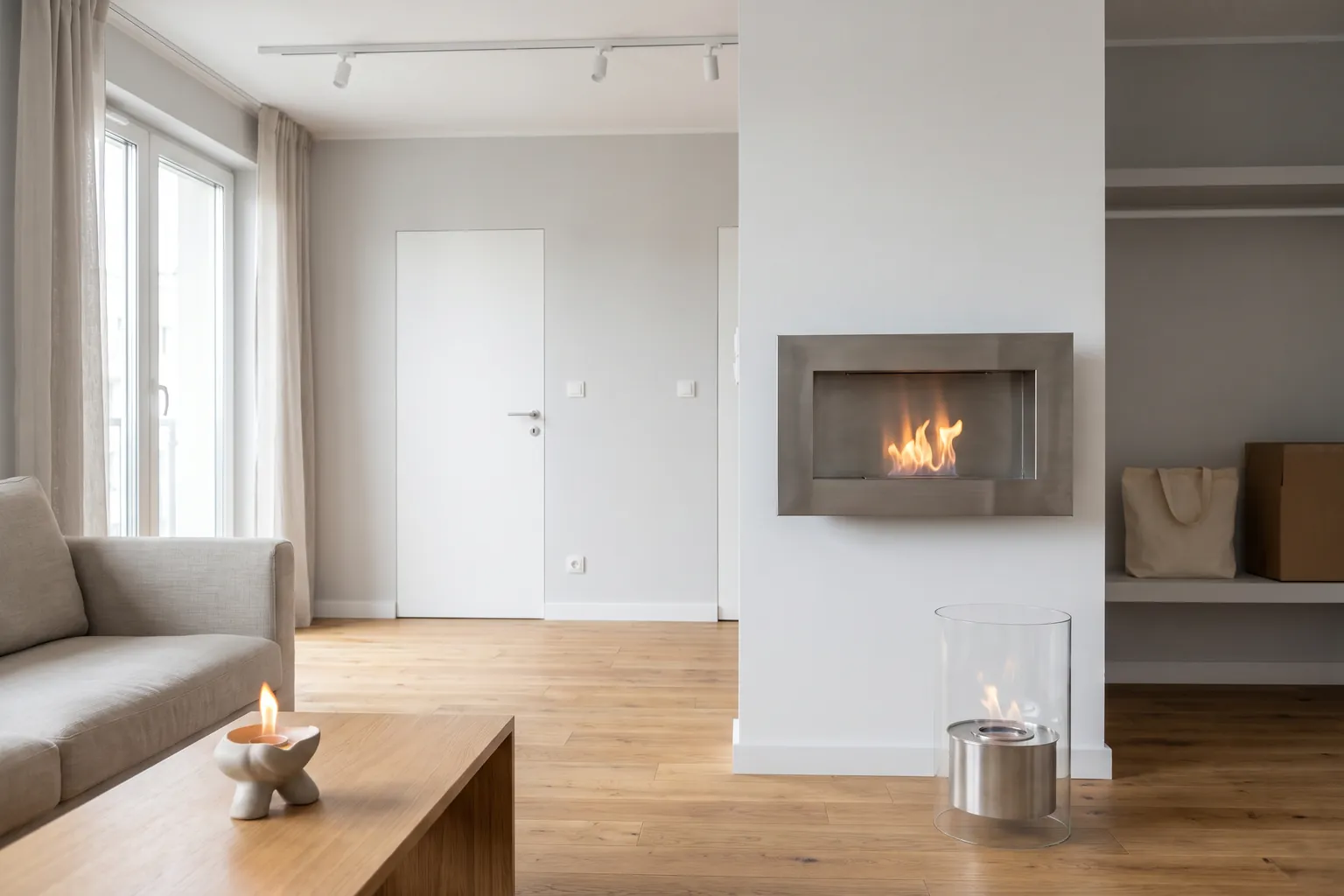
Freestanding bio fireplace
The easiest choice, often with no drilling at all. Check it stands firm and look at what’s underneath: a deep-pile rug won’t do. Think about children and dogs as well, since a knocked-over burner is the main hazard with this type.
Wall-hung bio fireplace
It frees up the floor, but the wall takes the whole weight, including a full tank. On masonry, anchors matched to the material are enough. On plasterboard you need reinforcement in the frame, because a plug alone won’t hold it.
Built-in bio fireplace
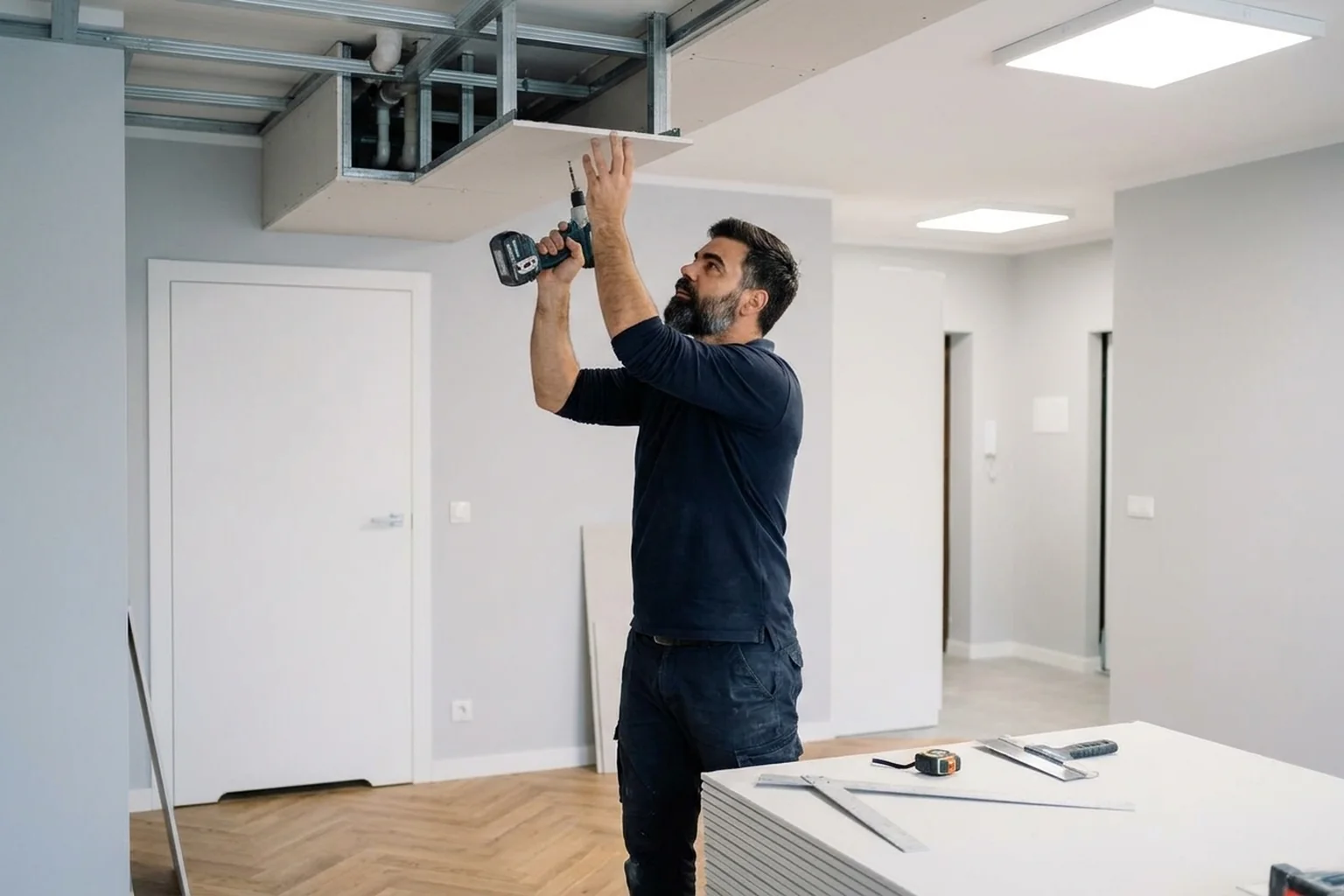
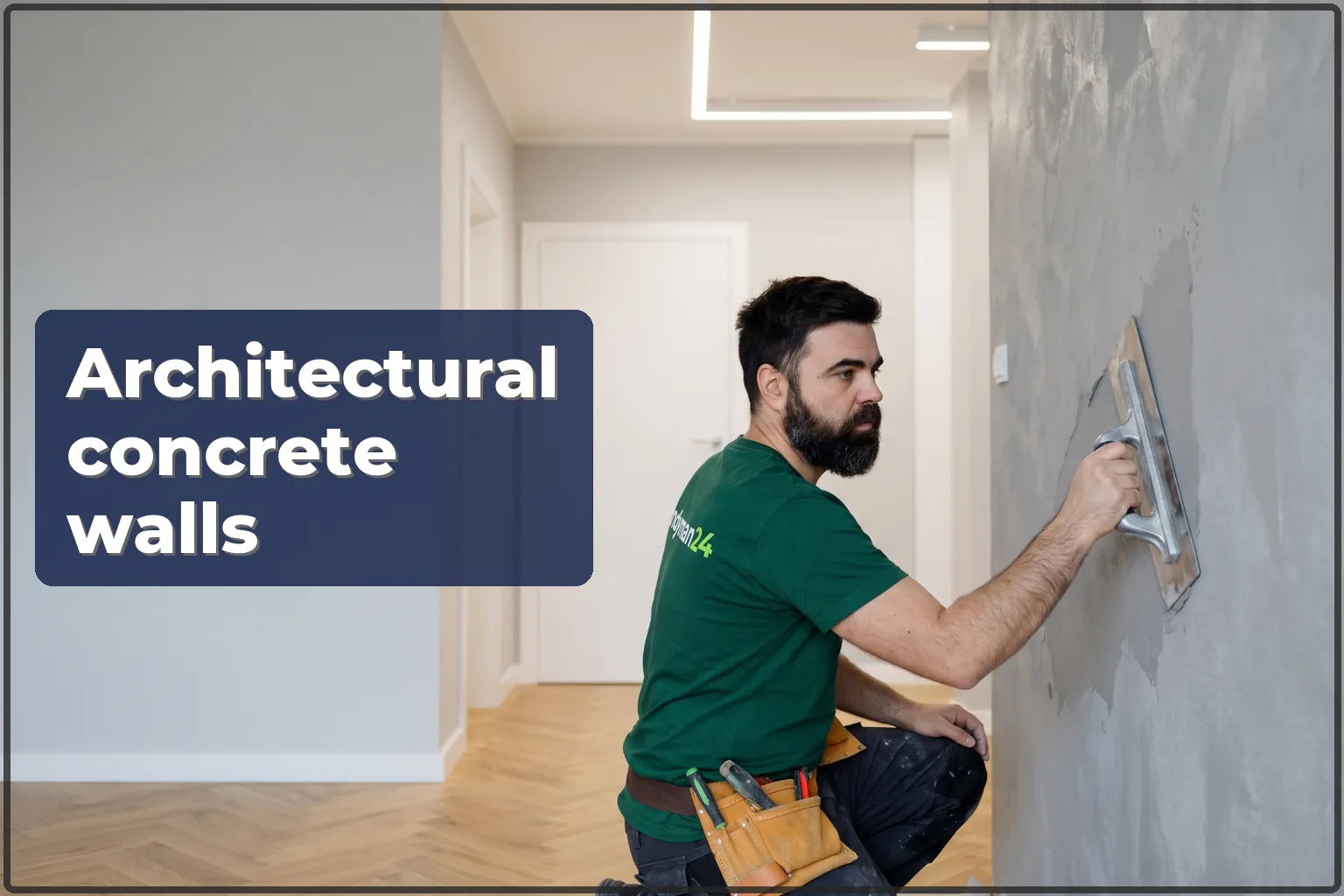
This one looks best and takes the most work. The burner unit goes into a recess or housing, usually on a frame, so it helps to hire someone who knows plasterboard installation. The unit’s manufacturer specifies the housing material, clearances and ventilation gaps. A timber frame next to a burner is a bad idea, even where nobody will ever see it. The wall behind can get a finish such as architectural concrete plaster, provided that system copes with heat.
Corner and portal bio fireplaces
A corner model saves space and shows the flame from two sides. Just check the distance to both walls and any curtains. A portal model is a burner in a ready-made surround styled like a classic fireplace. No knocking out walls, but it is bulky, so fix it to the wall if the manufacturer allows for that.
Bio fireplace for a terrace or garden
Outdoors, ventilation stops being a problem and wind takes its place. Pick a model made for outside use, with a flame guard and a stable base. A gust can push the flame sideways, so keep it well away from cushions and fabric. A low terrace roof counts as an obstacle too: the manual gives the distance from burner to roof.
A bio fireplace under the TV: possible, with some planning
Heat and vapour go straight up, and that’s where the electronics hang. Check both the fireplace manual and the TV manual, leave the stated clearance and, if you can, add a shelf or recess to deflect the heat. If the screen isn’t up yet, plan the TV wall mounting at the same time and run the cables outside the zone above the burner. Height is the other trouble: the higher the fireplace, the higher the screen, and the worse the view from the sofa. Draw it to scale first. Got your measurements? Post a bio fireplace job and fitters can judge the layout from your photos.
Bio fireplace safety: a flame in the room is still a flame
Never top up bioethanol while the burner is lit or still hot. The vapour can ignite instantly, and the flame can jump to the bottle and your hands. Put the fire out, wait until the burner has cooled completely, and only then pour. Wipe up any drips before lighting.
- Curtains, sofas, bookshelves and Christmas trees all stay beyond the distance in the manual.
- Light it with a long lighter and put it out with the lid supplied. Water on the burner is a bad idea.
- Air the room while it burns, especially a small room with tight windows.
- Don’t go out or go to sleep with the burner lit.
- The glass and casing get hot, so put up a guard if you have small children or pets.
- A carbon monoxide alarm and a fire blanket make sense in any room with an open flame.
An automatic burner with a power supply should be connected by a qualified electrician, and a fitter shouldn’t run a new circuit through the wall alone. In a block of flats, ask the building manager about any restrictions and read your home insurance.
How a bio fireplace gets installed
- The fitter looks at the wall and the spot, and checks the unit’s manual against your measurements.
- For a built-in unit, the frame and housing go up in materials the manufacturer allows.
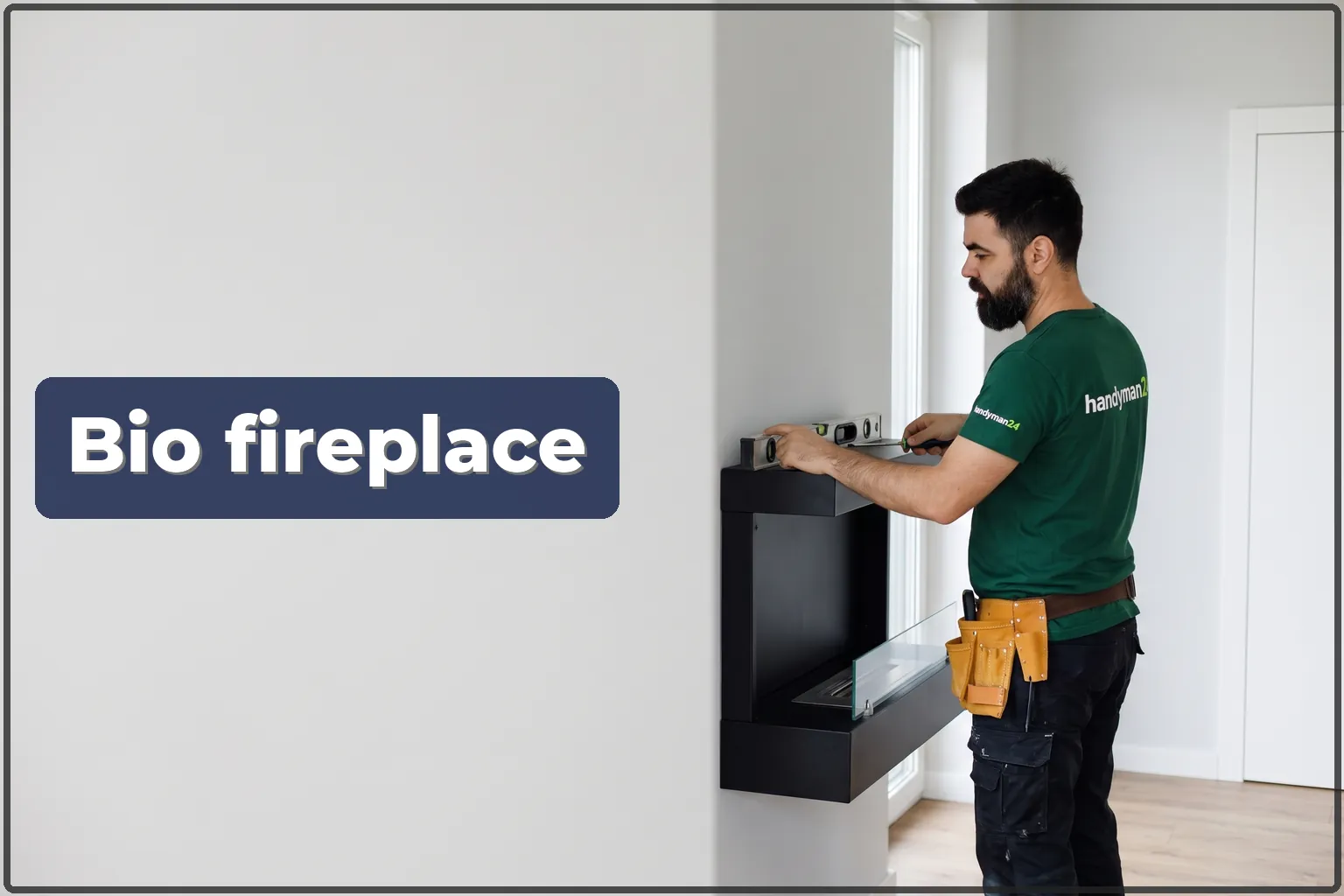
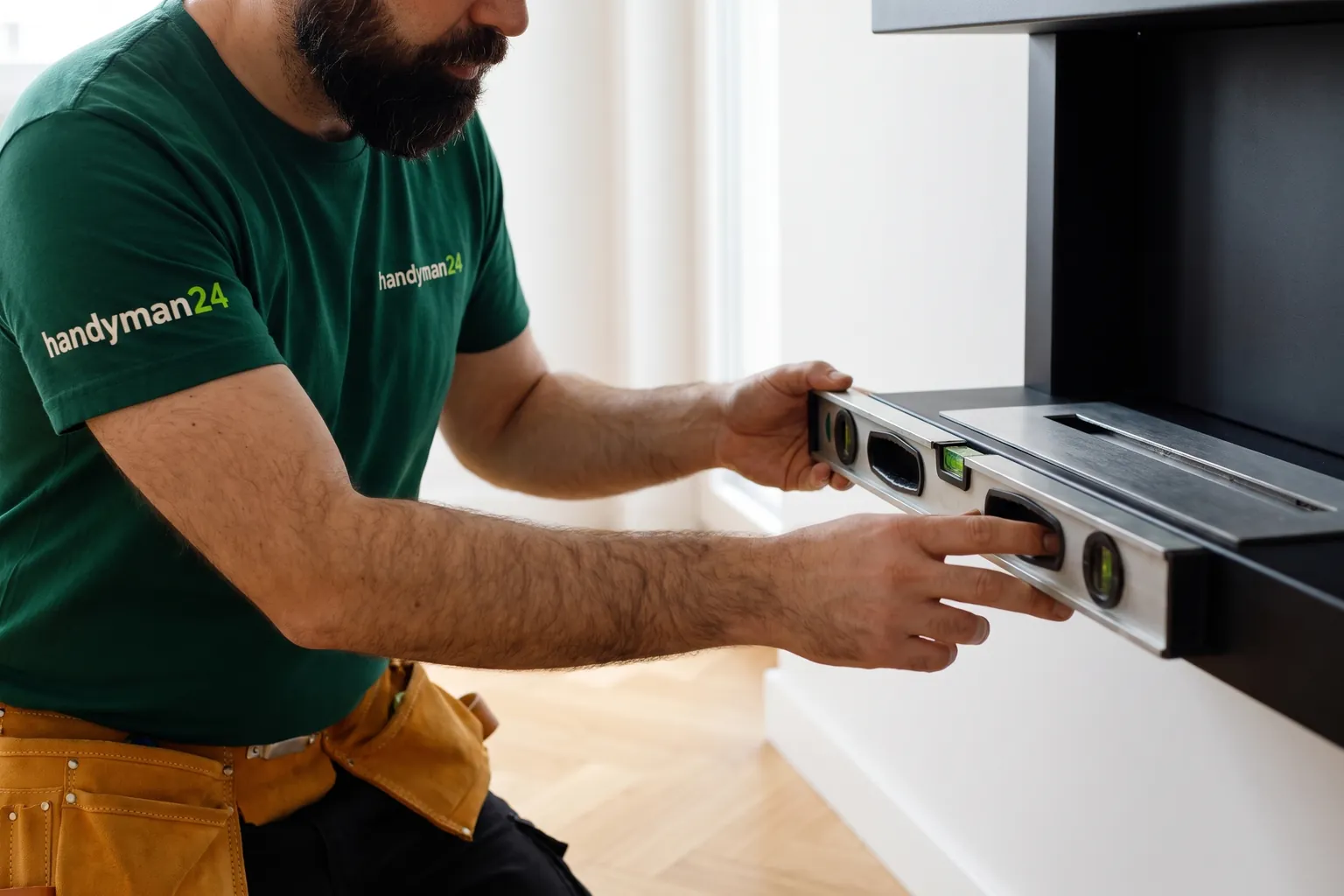
- The unit or wall-hung model is set in place, levelled and fixed.
- Cables get hidden outside the heat zone and the housing is finished off.
- A test burn follows the manual, with a window open.
- You get shown how to fill and extinguish it, and the fitter clears up.
Common mistakes when choosing and fitting a bio fireplace
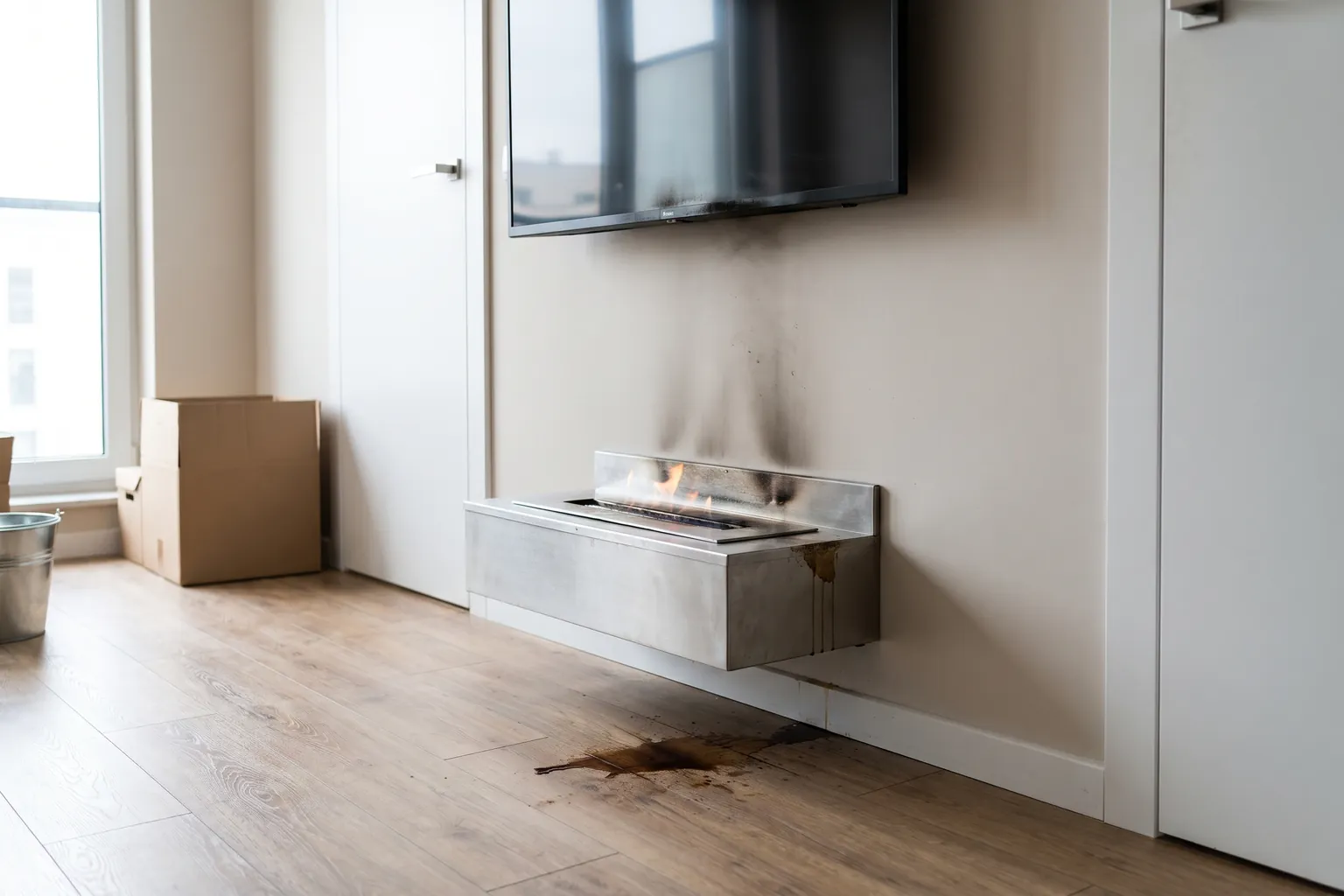
- Topping up a warm burner because you are about to relight it anyway.
- Hanging the TV right above the flame without checking what the screen’s manufacturer says.
- Building the housing before buying the unit, then finding it a few millimetres out.
- Fixing a heavy wall-hung model to bare plasterboard.
- Putting an indoor model on the terrace, where the first gust flattens the flame.
What to prepare before ordering bio fireplace installation
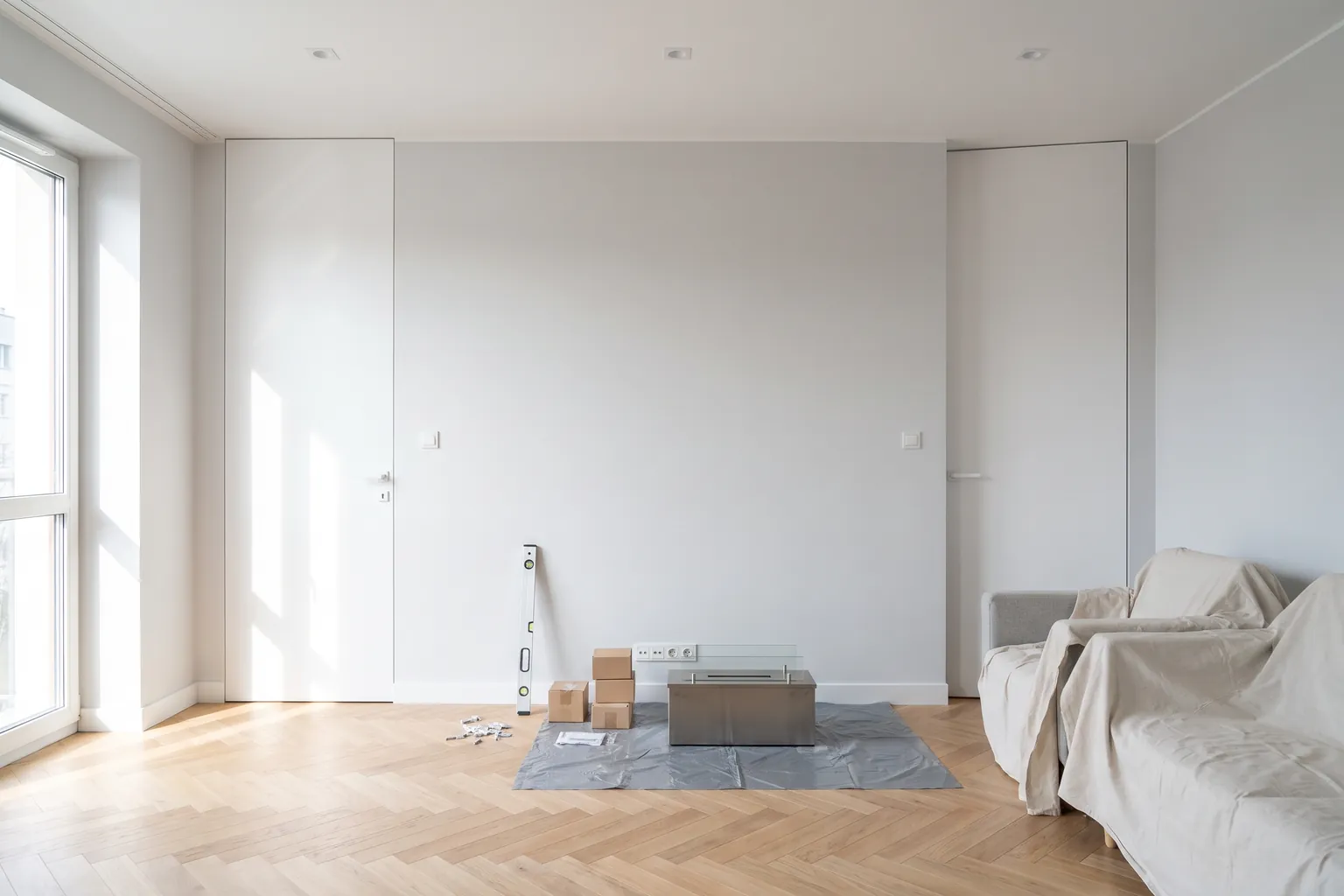
- Photos of the wall and its surroundings from several angles, furniture and curtains included.
- Measurements of the space and, for a built-in model, of the unit.
- The manual or a link to the product page, if you’ve chosen a model.
- What the wall is made of. If you don’t know, say so in the job.
- Whether a TV goes above the fireplace, and where the cables run.
- Your idea for finishing the housing, and who buys the materials.
Questions and answers
Does a bio fireplace give off heat?
Yes, but not much. You feel it close to the flame and a small room may warm slightly. It won’t replace a radiator.
Does a bio fireplace need a chimney?
No, bioethanol burns without a flue. You do need to air the room, because the flame uses oxygen and releases water vapour.
Can a bio fireplace go under a TV?
Yes, if you keep the clearances from both manuals. Heat rises, so a deflecting shelf or separate recess often saves the layout.
Is a bio fireplace safe in a flat?
With the rules followed, yes: no topping up a hot burner, no fabric nearby, and fresh air. Check building rules and insurance terms with the manager and your insurer.
Do I need a special bio fireplace for a terrace?
Ideally, yes. Look for a flame guard, a stable base and a manufacturer that explicitly allows outdoor use.
How to order bio fireplace installation
Describe what you have in the app: the model, the wall, whether there’s a housing to build. Add photos and publish your job in the app. Tradespeople near you send offers with their own price, and you choose based on reviews and scope.
The fitter answers for their own work and puts it right if something is off, but not for hidden defects in the wall, other people’s mistakes or the fireplace itself. Faults in the unit go to the seller. The invoice comes from the fitter.
Do you build plasterboard housings and fit burner units? Set up a tradesperson profile and answer jobs near you. Everyone here works for themselves, and you choose your own business form and bookkeeping.
Order in the app
Describe the job, add photos and the address. Tradespeople send their own prices and dates, and you pick one of the offers.
Open the app