Itron and radio reading in practice
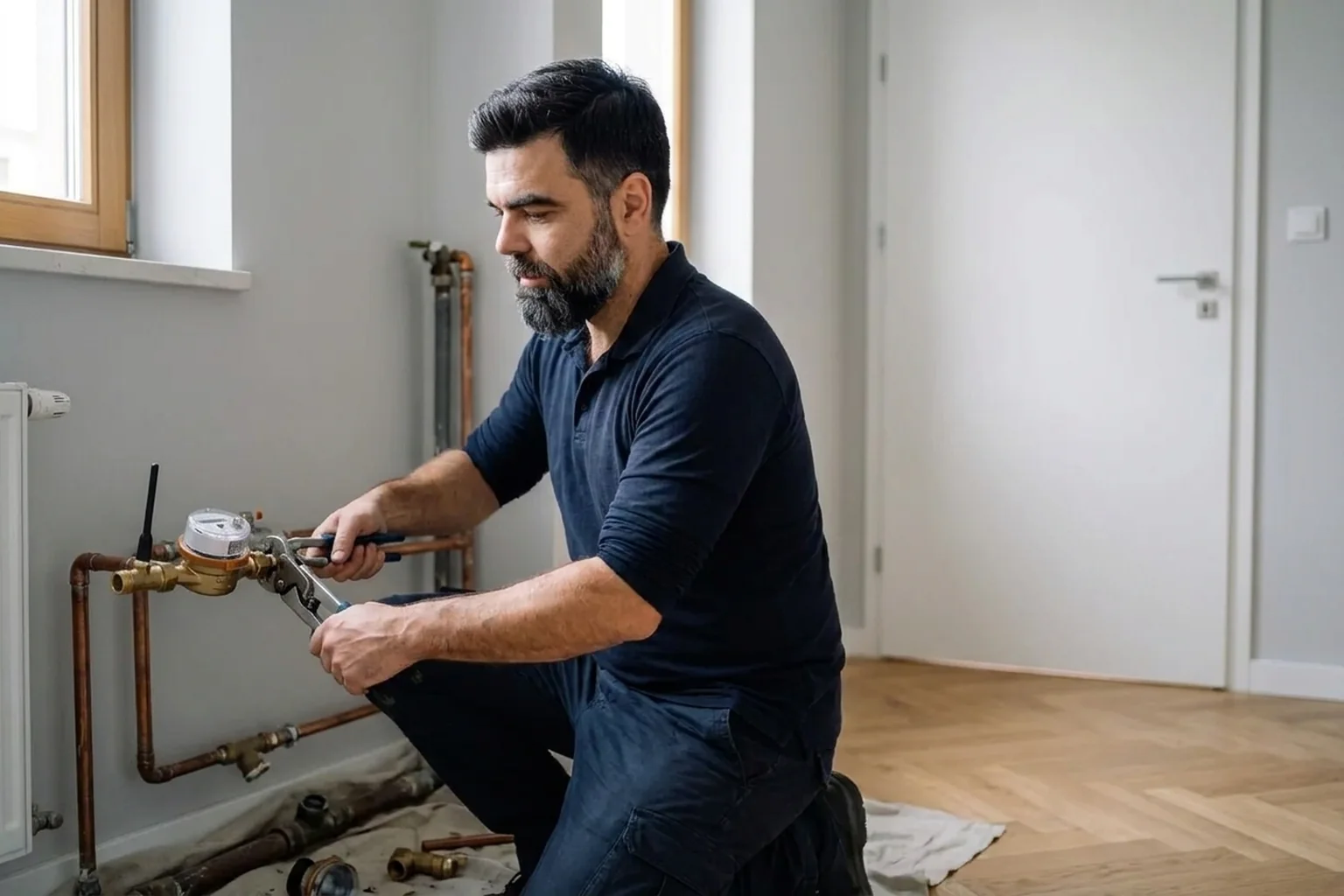
Itron makes meters for water, electricity and gas. In flats you find its mechanical water meters fitted with a radio module, and in buildings also large meters on the incoming supply. That big meter where water enters the building belongs to the waterworks and the building office, not the tenant.
The key question is whether the module talks to the system the association collects readings through. Different makers use different protocols. So get the meter and module model from the office in writing before you buy anything. Sometimes the office buys the modules itself and only orders the fitting.
A radio module has a battery. One day it runs flat, and then the module is replaced, not the whole meter. Worth knowing who pays for that in your building.
So there are two routes. A clip-on module makes sense if the current meter is fairly new and the maker offers a module for it. With an old meter it is simpler to replace the lot: one visit, one seal, and a fresh legalisation for years ahead.
Price ranges and offers from tradespeople: a good plumber in Warsaw.
Traps when switching to radio
- A clip-on module bought online as “fits Itron” that doesn’t fit your particular dial.
- An old meter whose legalisation is about to run out. Adding a module to it is money thrown away for a few months of use.
- A meter behind a metal cover. Metal can block the signal so readings never arrive.
- No seal on the module after fitting. To the office that is an unregistered device.
- Booking the fitting without asking the office. The plumber finishes, and the sealing waits another week.
Preparing for the visit
- Ask the office for the meter and module model they accept.
- Check the legalisation date on your current meter.
- Photograph the dial showing the number and reading.
- Clear access to the meter and remove any metal door in front of it.
Finding a plumber
In the app you describe the job: a new meter with radio, or just the module, plus photos and whatever the office told you. Plumbers send their bids with a price, and details get settled in the chat. You choose on price, rating and reviews, and the phone number and address appear only after that.
Payment goes straight to the plumber, and he issues the invoice. The meter, module and washers are bought separately from the labour. He answers for his own joints and will redo them if they leak. Radio coverage in the building and the office’s reading system are not his responsibility.
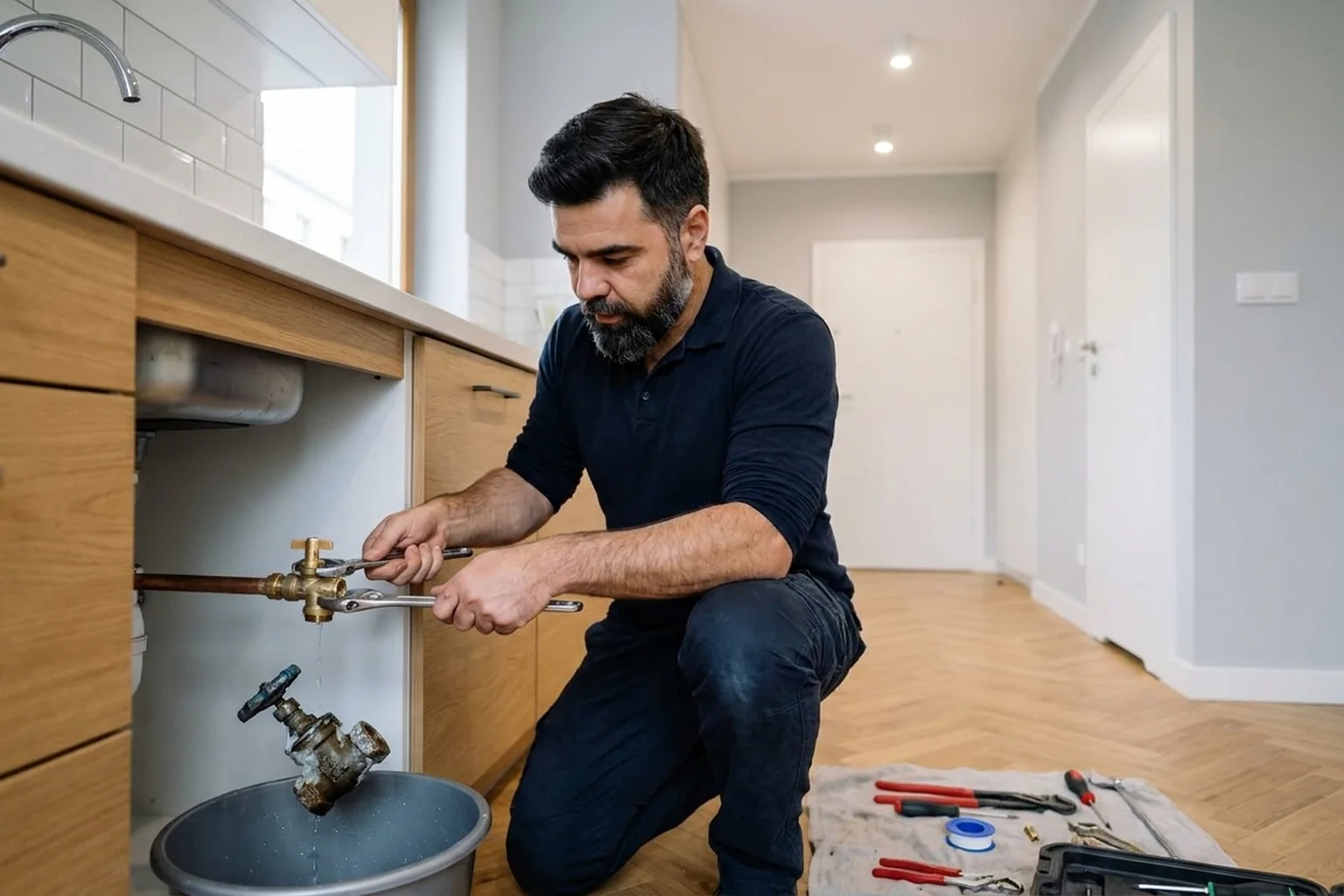
When a meter is swapped the water is shut at the valve in front of it; if that valve doesn’t hold, the riser is closed through the building office.
Order in the app
Describe the job, add photos and the address. Tradespeople send their own prices and dates, and you pick one of the offers.
Open the app