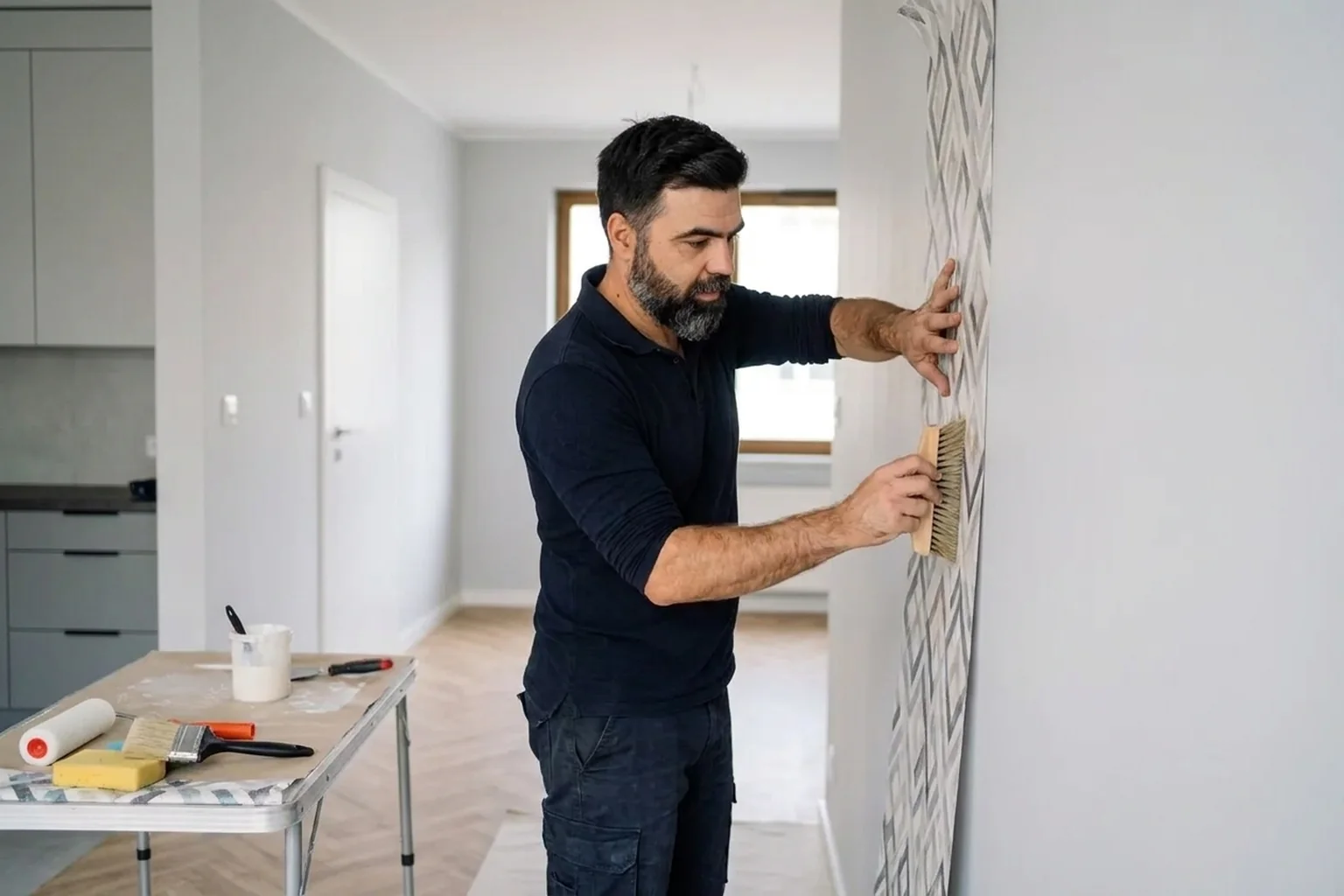
What to know about Rasch wallpaper
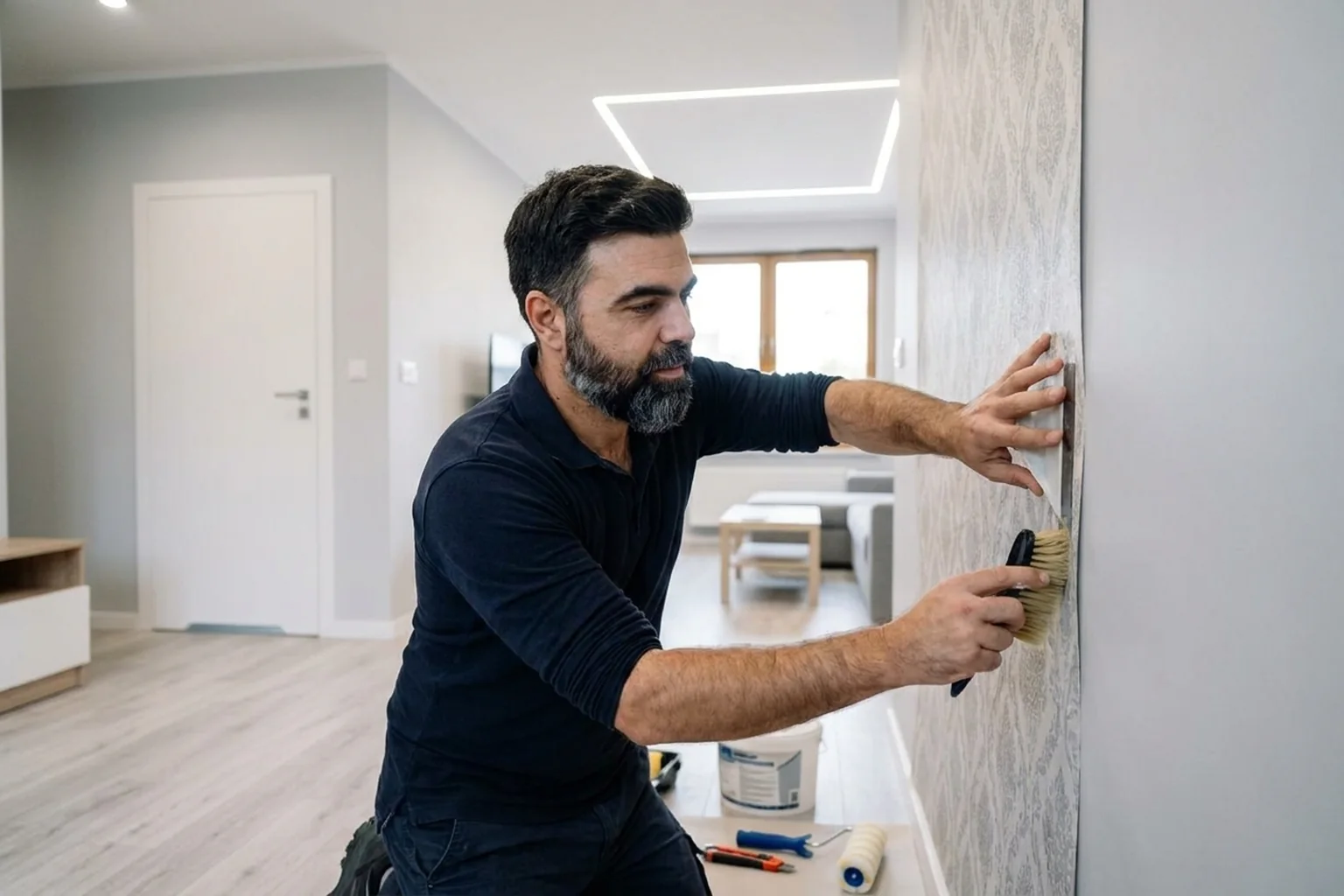
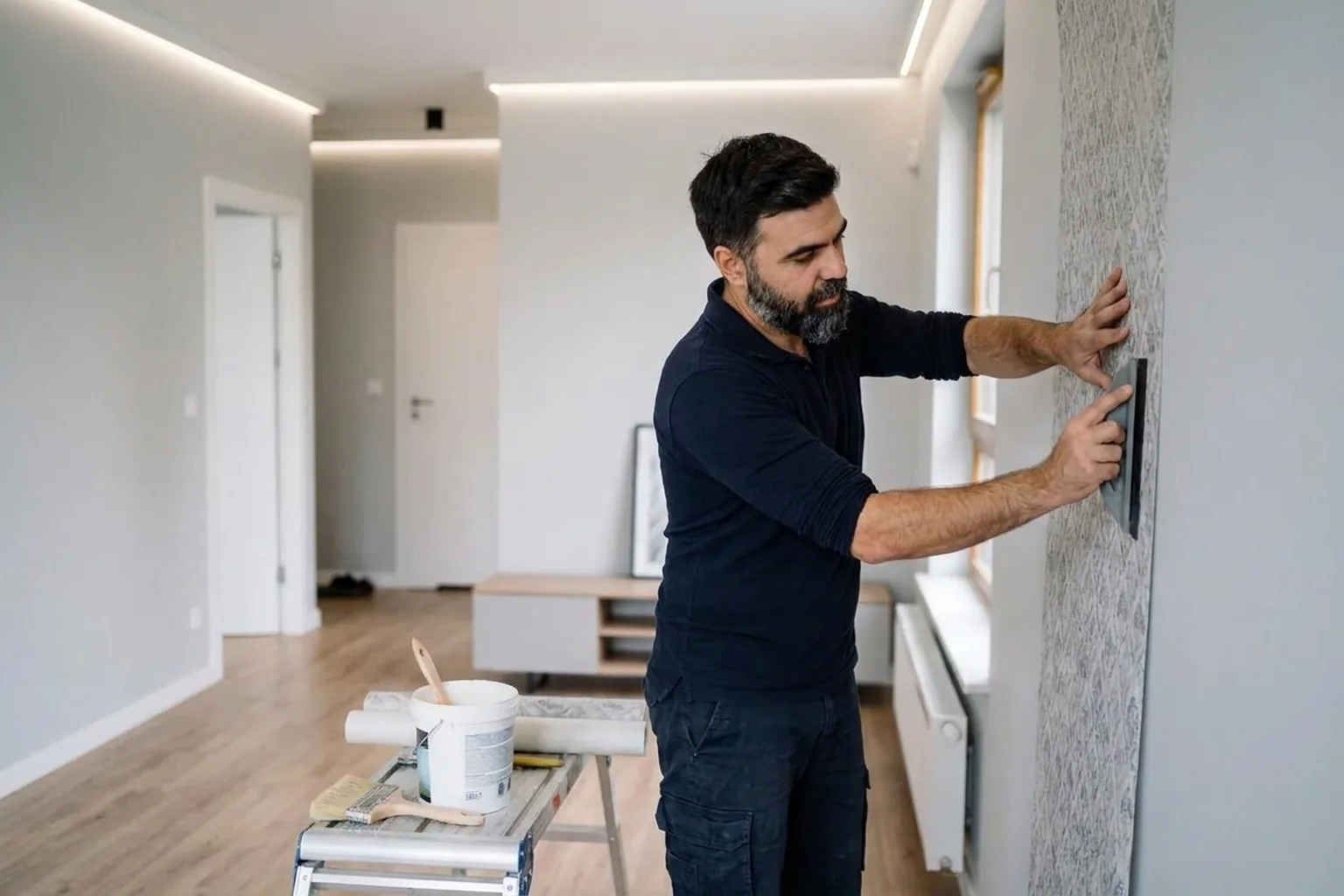
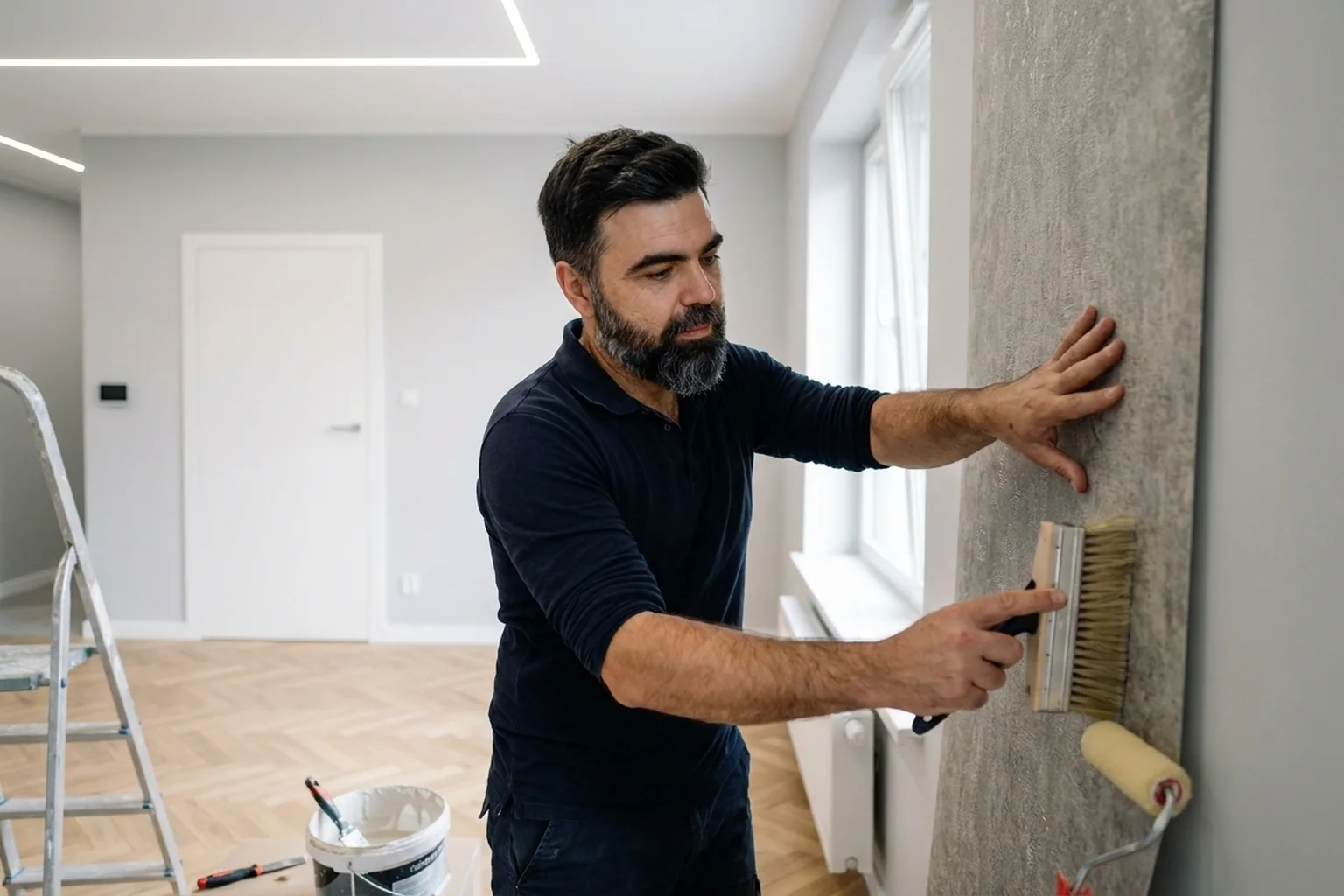
Rasch is a German wallpaper maker with a long history. Many of its collections are non-woven, and with those the paste goes on the wall, not on the paper. Traditional paper wallpaper is still pasted the old way: paste on the strip, let it soak for a bit, then onto the wall. Mixing the two methods up is a quick way to get bubbles.
Everything about a given roll is printed on its label: the hanging symbol, the pattern repeat (how often the design repeats down the roll) and the batch number. Check it before buying, because the repeat decides how many rolls end up as offcuts.
A large repeat means more waste. Plain textured paper is easier, but even there the seams have to butt up tight, with no overlap.
Rather hand the job over? More here: painter and decorator in Warsaw.
Why the wallpaper goes wrong
- Rolls from different batches. The shade differs only slightly, but on the wall it reads as stripes.
- Paste on the wrong side, or the wrong paste. Non-woven needs non-woven paste; paper needs its own.
- No primer on the wall. A thirsty surface drinks the paste and the seams lift.
- Starting from a corner without a plumb line. Corners in older blocks are rarely true, so the tilt runs across the whole wall.
- Old paper left underneath. The new layer pulls on the old one and both come away in sheets.
Before the tradesperson comes
- Buy all the rolls at once, one batch, with a few spare.
- Strip the old wallpaper, or add stripping to the job.
- Move furniture away and take pictures down.
- Photograph the walls and the roll label, so the tradesperson can see the surface and the paper type.
If the walls have deep holes or crumbling plaster, filling comes first and paper second. Thin non-woven will not hide a hole, and heavy paper only softens it a little.
Sockets and switches need a moment of thought. Their cover plates come off before hanging and the paper is cut around them in place. Wet paste and live wires do not mix, so switch that circuit off at the fuse box while the room is being papered.
How to book it
Start with photos. Add them to the job in the app along with the wall area and the kind of wallpaper you bought. Tradespeople who hang wallpaper in Warsaw send bids at their own price, and you pick one by price, rating and reviews. Only then do they get your number and address. You pay them directly, and the invoice is theirs to issue.
Wallpaper, paste and primer are bought separately, and rubbish removal and carrying materials in cost extra too. The person who hung the paper answers for the seams and bubbles and redoes their own work. Damp walls and crumbling plaster are not on them.
Order in the app
Describe the job, add photos and the address. Tradespeople send their own prices and dates, and you pick one of the offers.
Open the app