What the price depends on
Labour is priced per square metre of affected wall. The rate depends on how deep the mould has gone: stripping the paint and treating the surface, or knocking off plaster. Location matters too: a corner by the ceiling, a window reveal, a wall behind kitchen units. Once treated, the wall has to be made good, and skimming and painting are often a separate job. Rates are in the table and kept up to date.
| Service | Price |
|---|---|
| Wall mould removal | 60–75 zł/m² |
Indicative prices. Ranges for a typical scope. Fixings included, materials separate. Minimum order 300 zł.
The fungicide, an anti-fungal primer, paint and protective sheeting are paid for separately. Taking away old plaster and rubbish and carrying materials in are separate too, as written into the handyman’s offer.
Rather hand the job over? More here: apartment finishing in Warsaw.
Where mould comes from and how it is dealt with
Condensation is the usual culprit. Warm, moist air meets a cold wall and settles on it as water. It happens in the corners of outside walls, around windows, behind furniture pushed tight against a cold wall and anywhere the ventilation barely works. Other causes are a leak from the flat above or the roof, a damp plinth or a crack in the facade.
So the job starts with one question: where is the moisture coming from? If it’s ventilation and habits, treating the wall and changing a few things in the flat is enough. If the wall is wet because of a leak or failed waterproofing, that gets fixed first, or the treatment won’t last. Waterproofing and facade repairs are separate jobs.
Ozone treatment, by the way, doesn’t remove mould from a wall. It helps with smell and air in the room, but the stains and spores in the plaster stay.
Safety first
Stripping a mouldy wall puts spores into the air. Work in a respirator with a P2 or P3 filter, glasses and gloves, and keep people with asthma or allergies, children and pets out of the room meanwhile. Some mould removers are chlorine-based: never mix them with other household products, especially acidic ones or ammonia, and use them with the window open.
How the job goes
- Inspection and a moisture reading on the wall, plus a check of ventilation and windows.
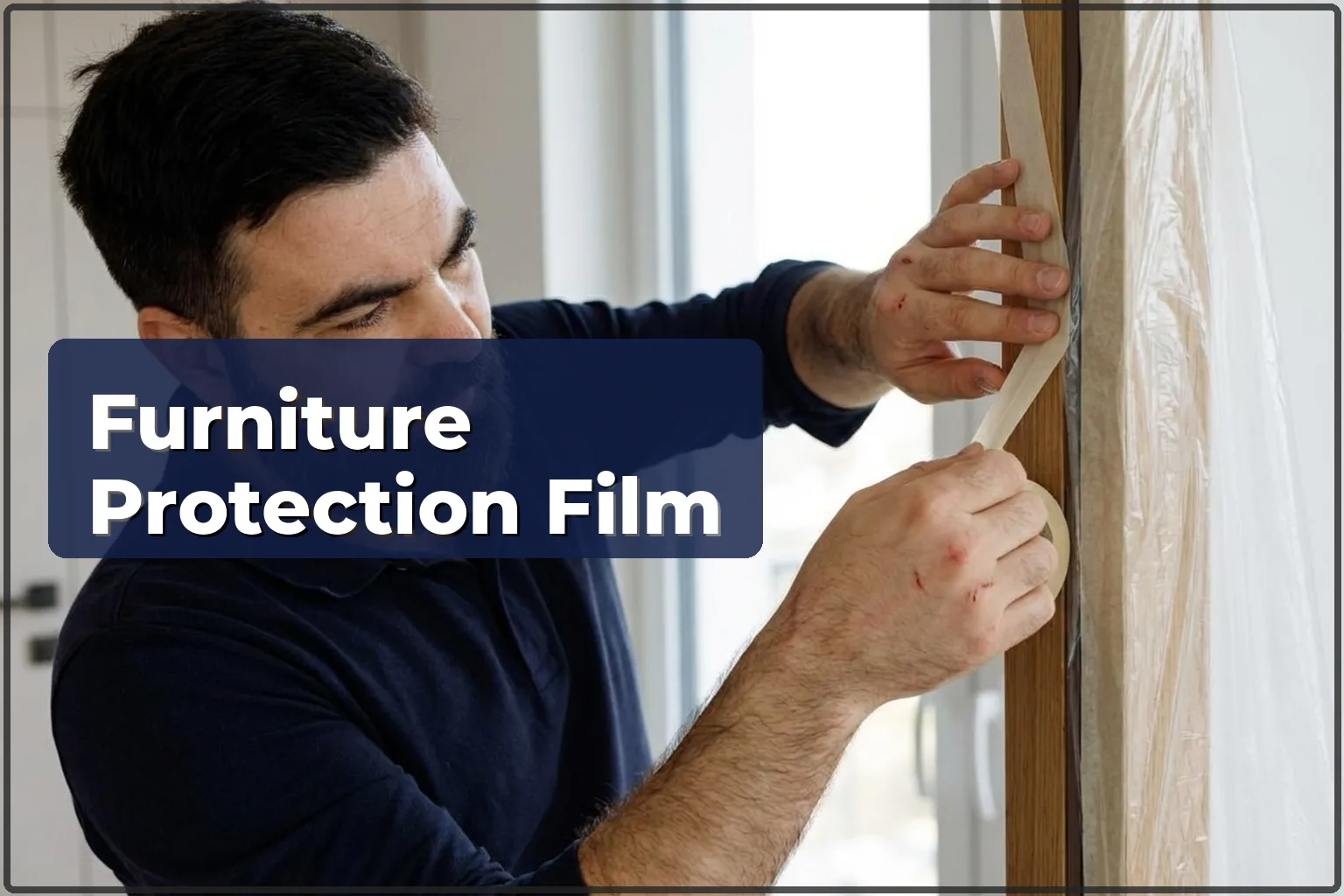
- Floor and furniture covered in sheeting, and the patch dampened so fewer spores fly.
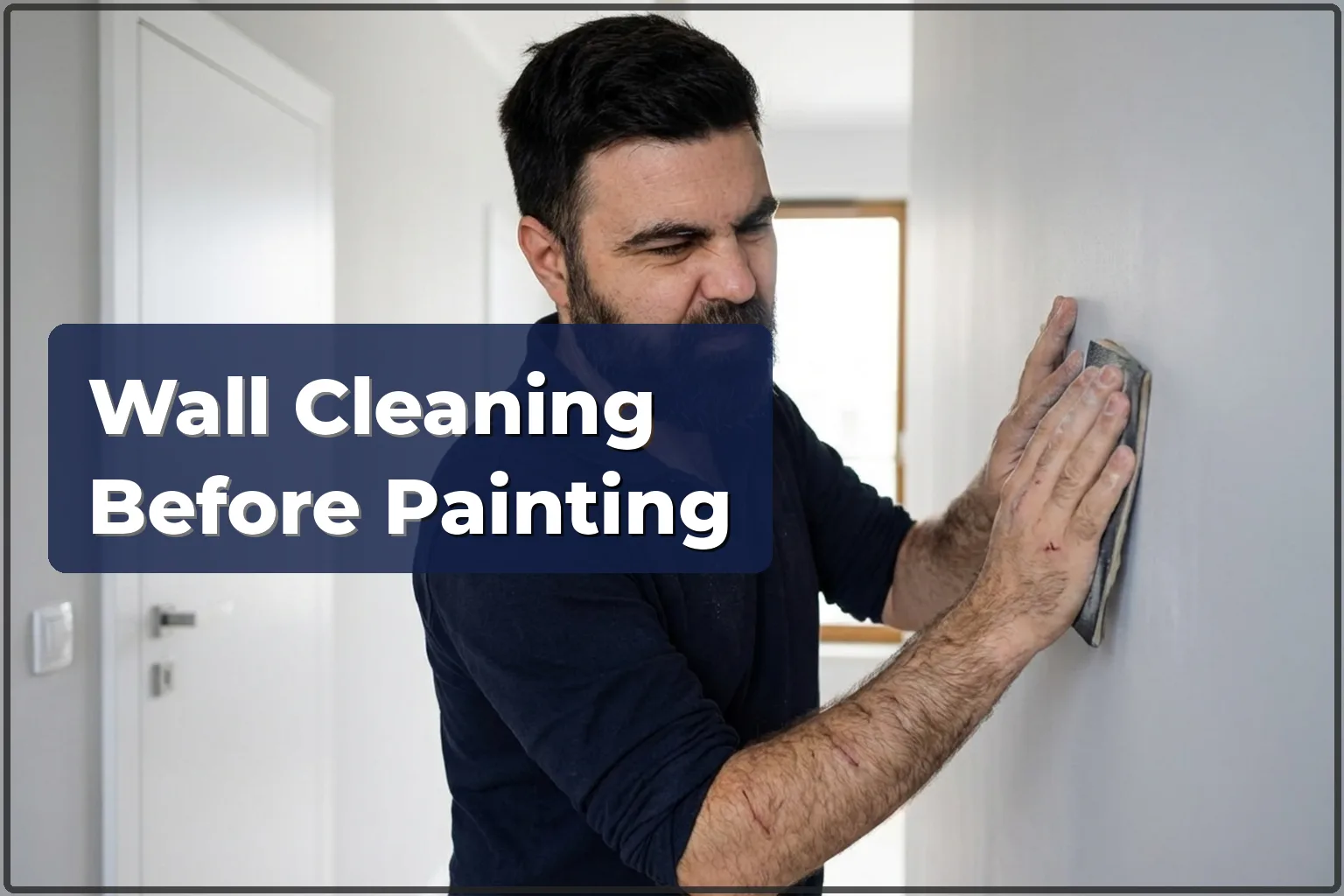
- Wallpaper, paint and loose plaster taken off the affected area and a margin around it.
- Fungicide applied, often in several rounds, then left to dry.
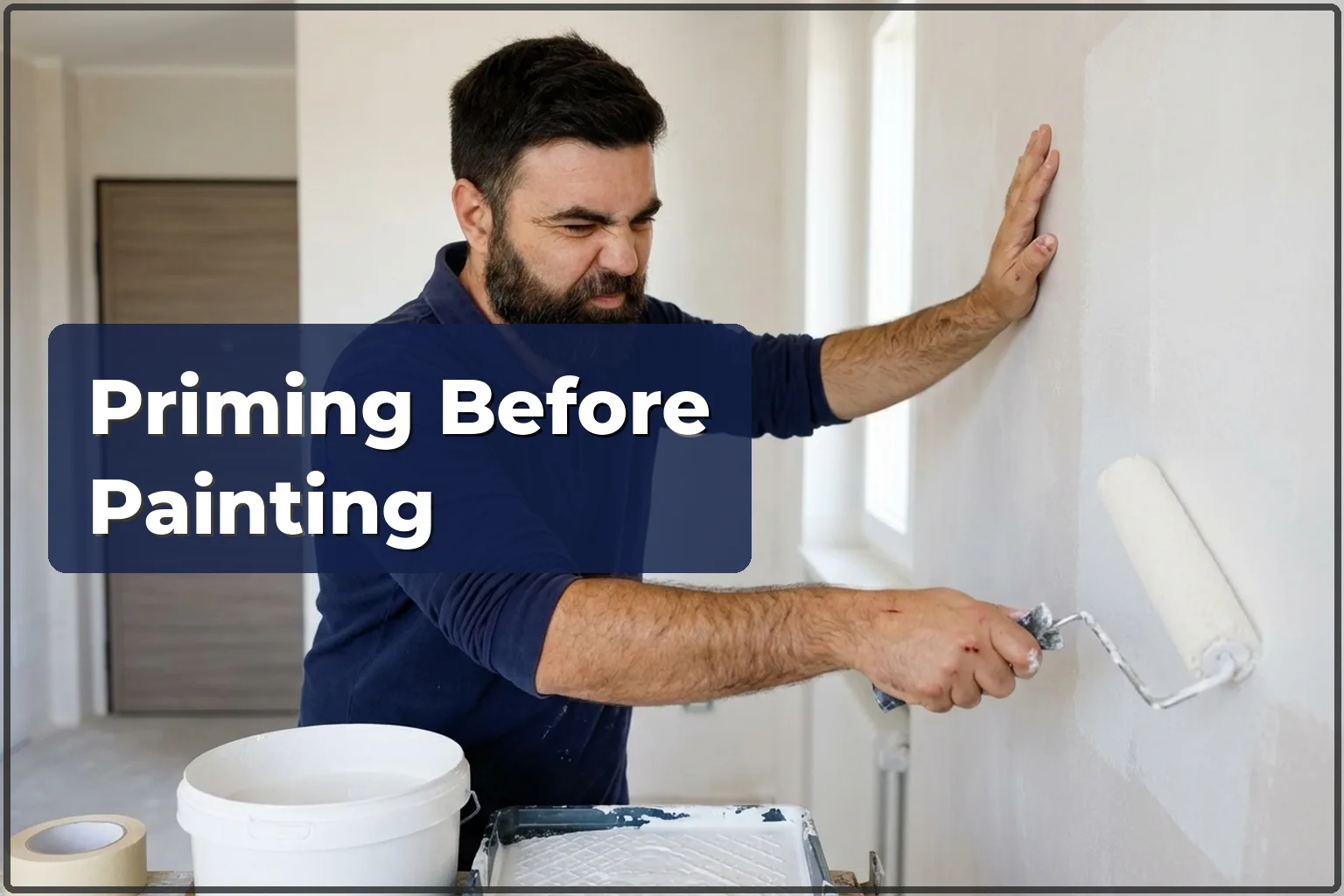
- Anti-fungal primer, followed by skim coat and mould-resistant paint.
Common mistakes
- Painting over the patch with ordinary paint and no treatment. It shows through again within a season.
- Wiping the surface with bleach while the mould stays in the plaster.
- Pushing the wardrobe back against the outside wall, so the corner behind it gets damp again.
- Closing trickle vents and ventilation grilles to keep the heat in.
- Treating a wall that the neighbour or the roof is still soaking.
What to prepare
- Photos of the patches up close and from further back, showing where they are: corner, window, behind furniture.
- A quick ventilation check: a sheet of paper held to the grille should be pulled against it.
- Whether there has been a leak from the neighbours or the roof.
- Furniture moved away from the wall and cupboards next to it emptied.
- If you rent, a message to the landlord, as the cause may lie in the building.
Frequently asked questions
Can I remove mould myself?
A small, fresh spot on paint, often yes, wearing gloves and a mask. If the patch is large, keeps coming back or the plaster underneath crumbles, it’s better to call a handyman and look for the cause.
Is good paint enough?
Anti-fungal paint works well as the last coat after treatment. On its own it does nothing against active mould.
Why does mould come back after redecorating?
Because the wall gets damp again. Most often that’s condensation from poor ventilation or a cold wall, less often a leak. Until there’s less moisture, the result won’t hold.
Is mould bad for your health?
Mould spores can irritate the airways, especially for people with allergies or asthma. If anyone at home has those problems, don’t put the treatment off, and talk to a doctor.
How to order
Describe in the app where the mould is and how long it has been there, and add photos. Handymen near you will send offers with their own price and timing. Compare them by reviews and pick one; only that person sees your address.
You pay the handyman directly and they issue the invoice. They stand behind their own work: if their skim coat comes away or they missed a patch, they’ll put it right. Mould that returns because of a leak, the building’s faulty ventilation or damp foundations is not on them.
Treat mould and start with the cause rather than the paint? Create a tradesperson profile and take jobs like this in your town. You work for yourself and choose how your business is set up.
Order in the app
Describe the job, add photos and the address. Tradespeople send their own prices and dates, and you pick one of the offers.
Open the app