
Sanding cost
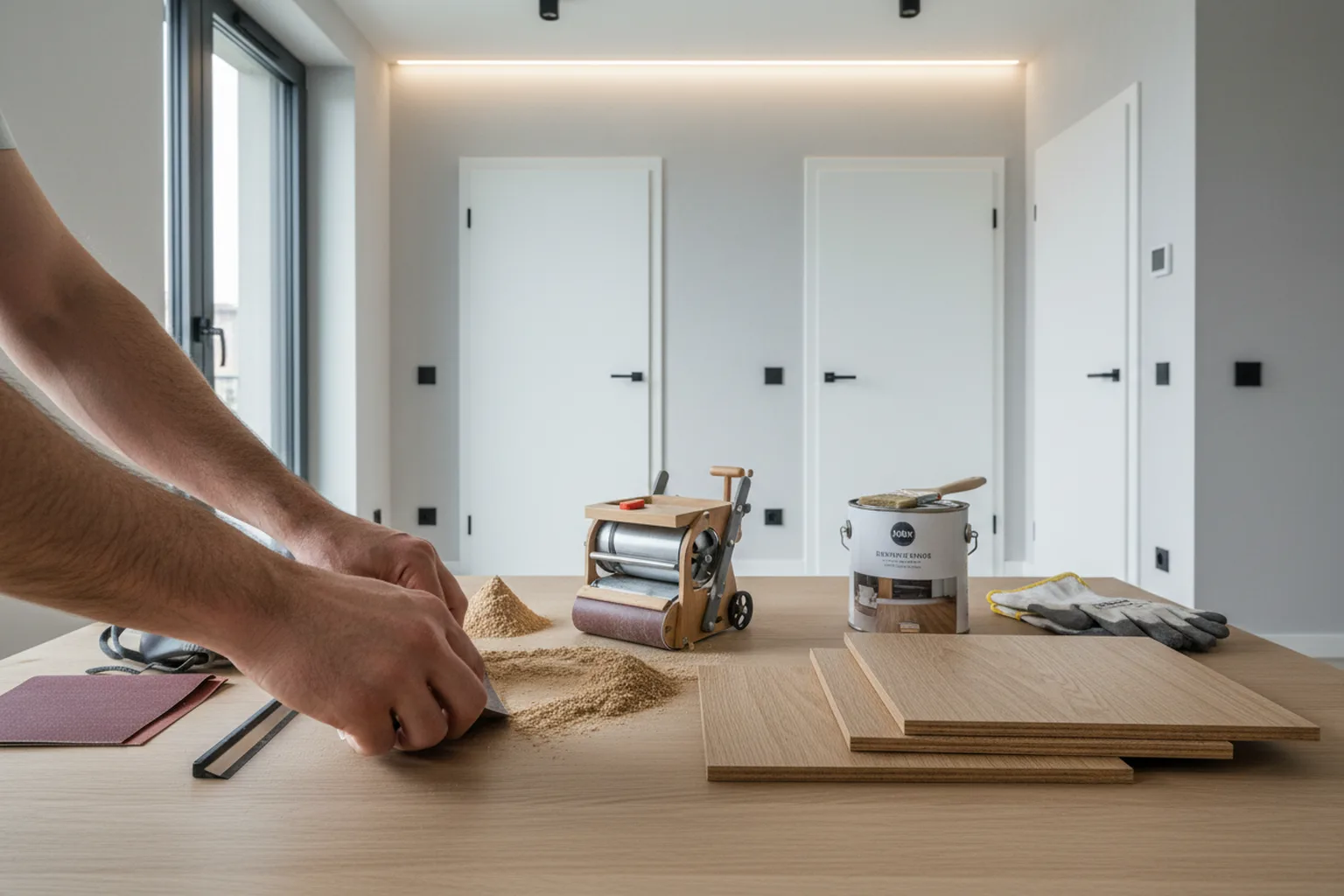
The cost is based on the floor area, the state of the parquet, and how many layers of old finish are on it. Current rates are shown in the table. Lacquer or oil is charged separately (you can order it together).
| Service | Price |
|---|---|
| Floor panel removal | 20–30 zł/m² |
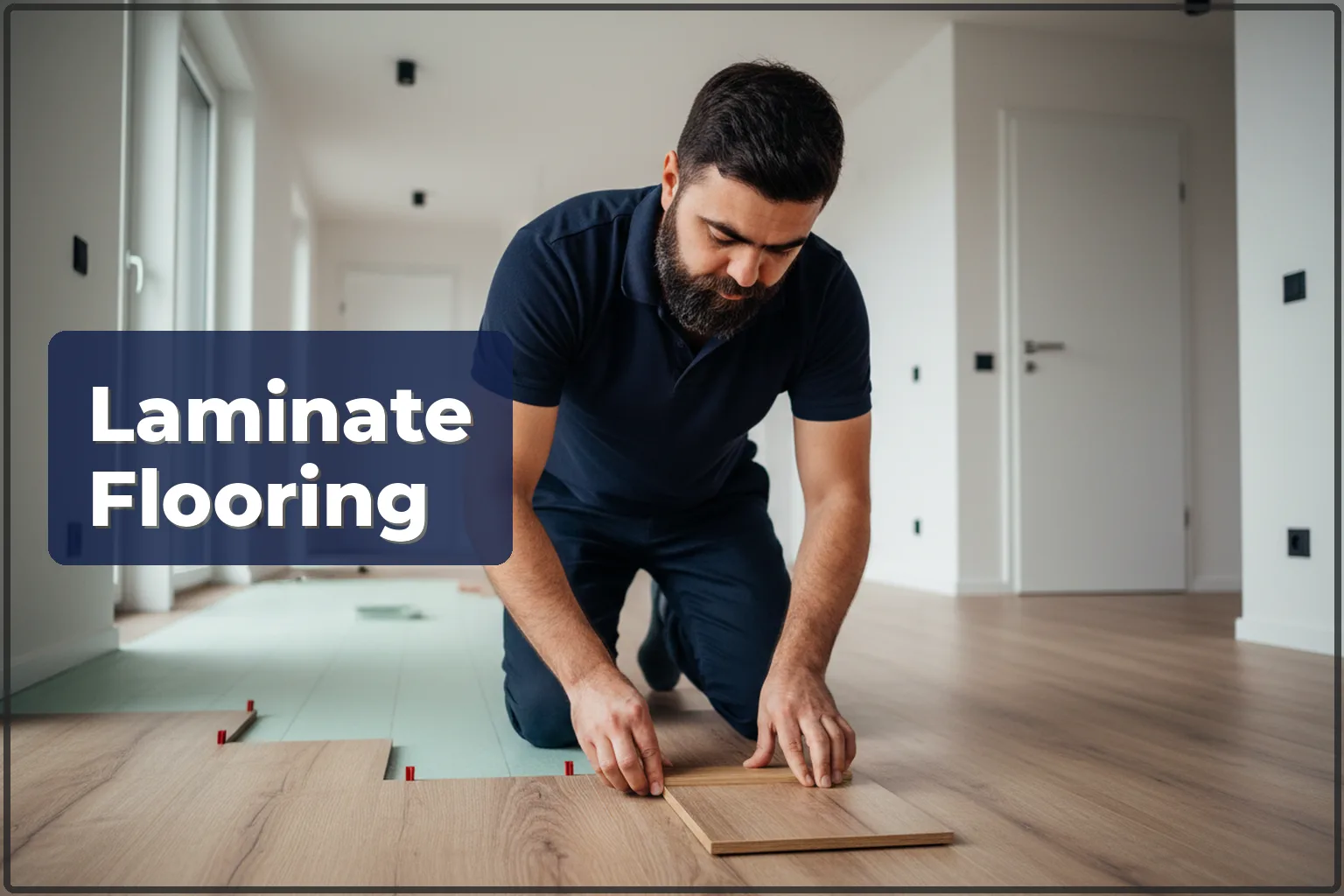
| Floor panel installation | 50–90 zł/m² |
| Floor panel replacement | 70–100 zł/m² |
| Vinyl plank installation | 45–80 zł/m² |
| Skirting board installation | 25–45 zł/mb |
| Skirting board removal | 8–12 zł/mb |
| Old flooring removal | 20–30 zł/m² |
| Carpet laying | 55–70 zł/m² |
| PVC flooring laying | 45–75 zł/m² |
| Glued flooring laying | 45–75 zł/m² |
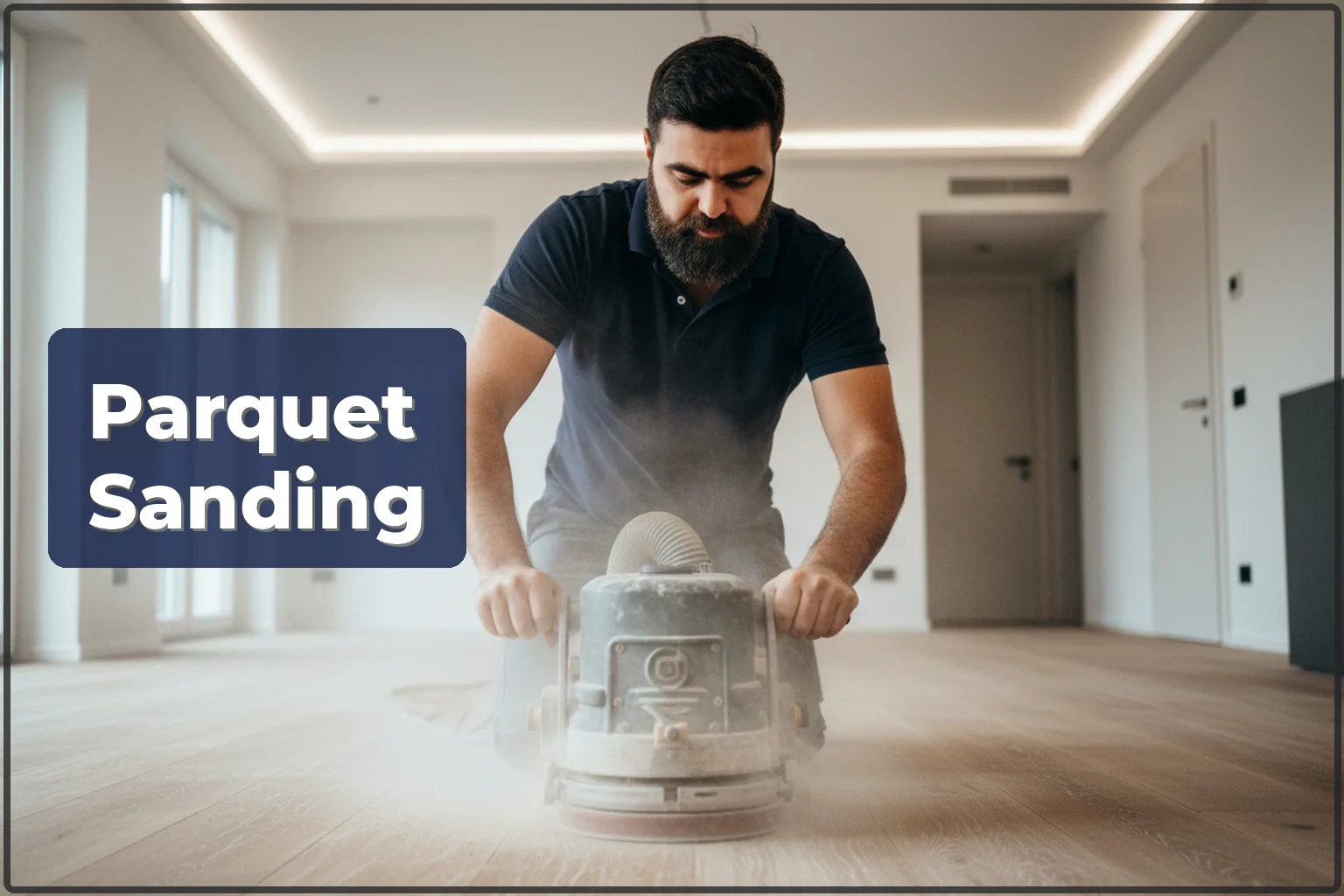
| Parquet sanding | 45–55 zł/m² |
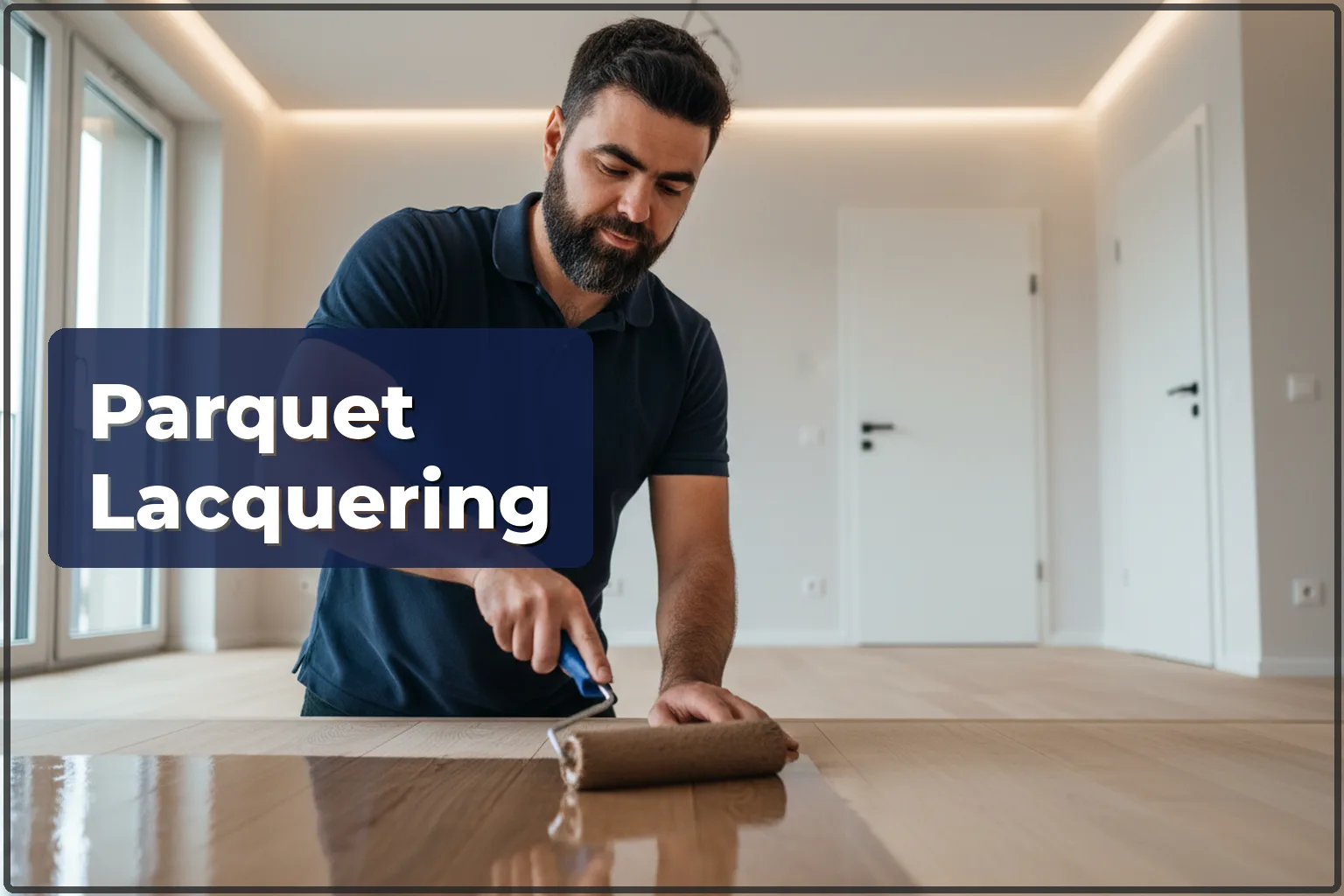
| Parquet varnishing | 40–60 zł/m² |
| Parquet oiling | 25–45 zł/m² |
| Parquet filling | 25–45 zł/m² |
| Floor threshold installation | 180–300 zł |
| Door trimming | 200–400 zł |
Indicative prices. Ranges for a typical scope. Fixings included, materials separate. Minimum order 300 zł.
Rather hand the job over? More here: old furniture repair in Warsaw.
How the sanding process works
- Inspection: how deep the damage is, how much wood thickness is left, and the condition of individual blocks.
- The room is emptied; sockets and door frames are covered with sheeting and taped up.
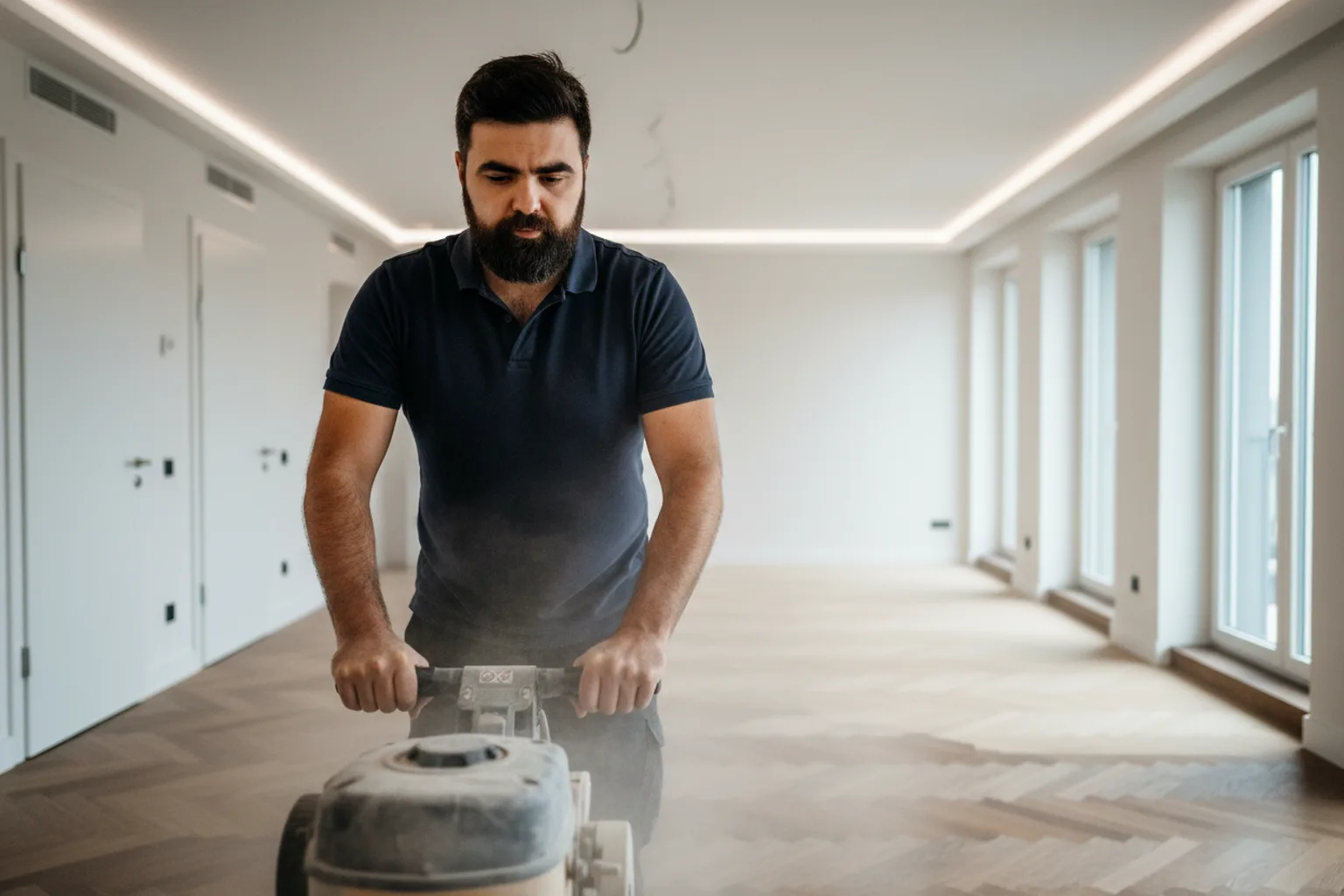
- Coarse sanding — strips off old lacquer/oil and evens out the surface (40–60 grit).
- Medium sanding: takes out the scratches left by the first pass (80–100 grit).
- Fine sanding: gets the surface ready for the finish (120–150 grit).
- Edges and difficult spots are finished with a hand-held edger.
- Dust is vacuumed away and the surface is wiped down with a damp cloth.
- Lacquer, oil, or wax is applied (often the next day).
Common mistakes
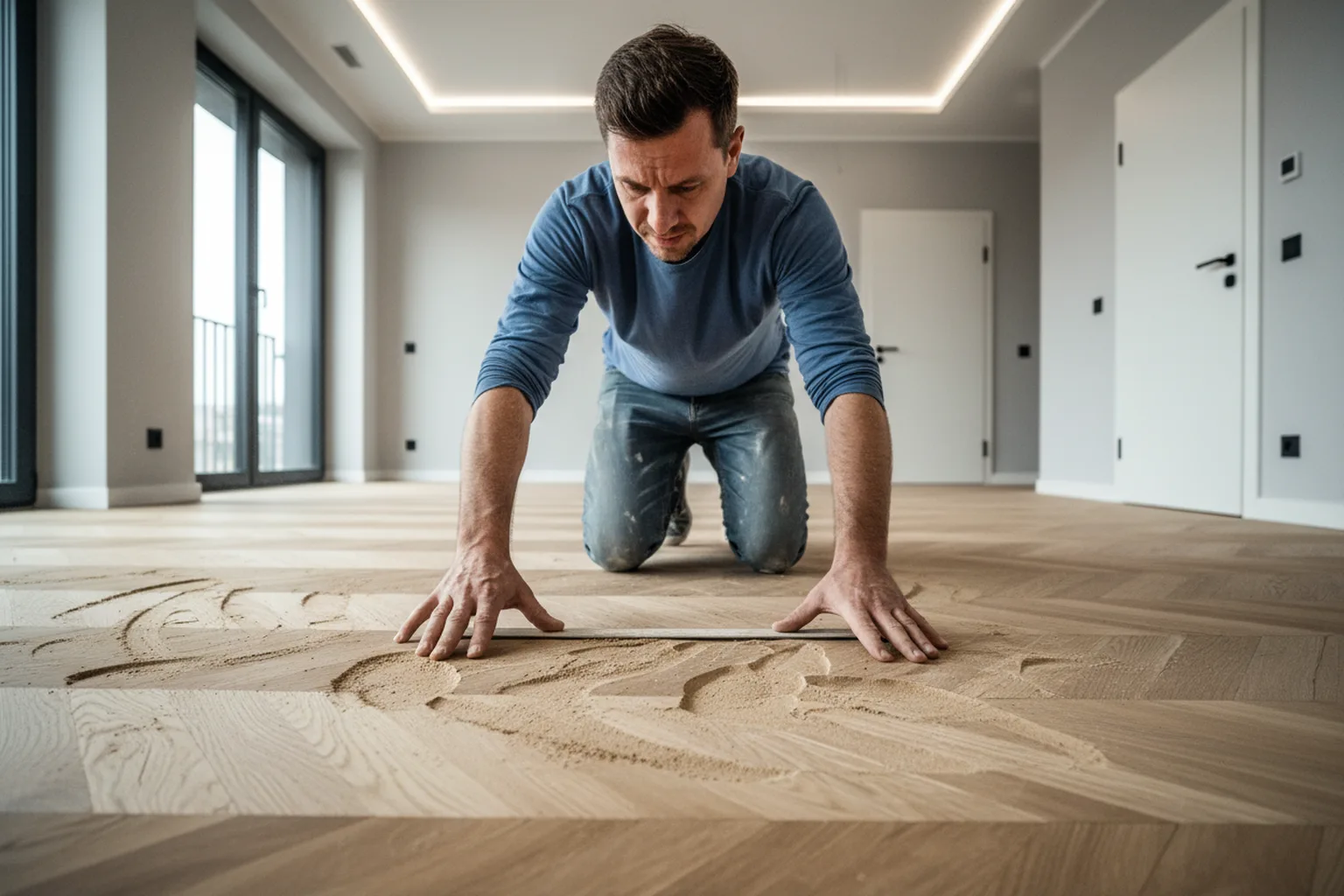
- Sanding too hard: takes off too much wood and leaves the parquet thin and weak.
- Skipping middle grits: the surface remains rough and the finish lays unevenly.
- Not vacuuming before finishing — dust gets trapped in the lacquer and the floor feels gritty.
- Sanding parquet that has no sanding life left: the wear layer is under 2 mm.
What to prepare
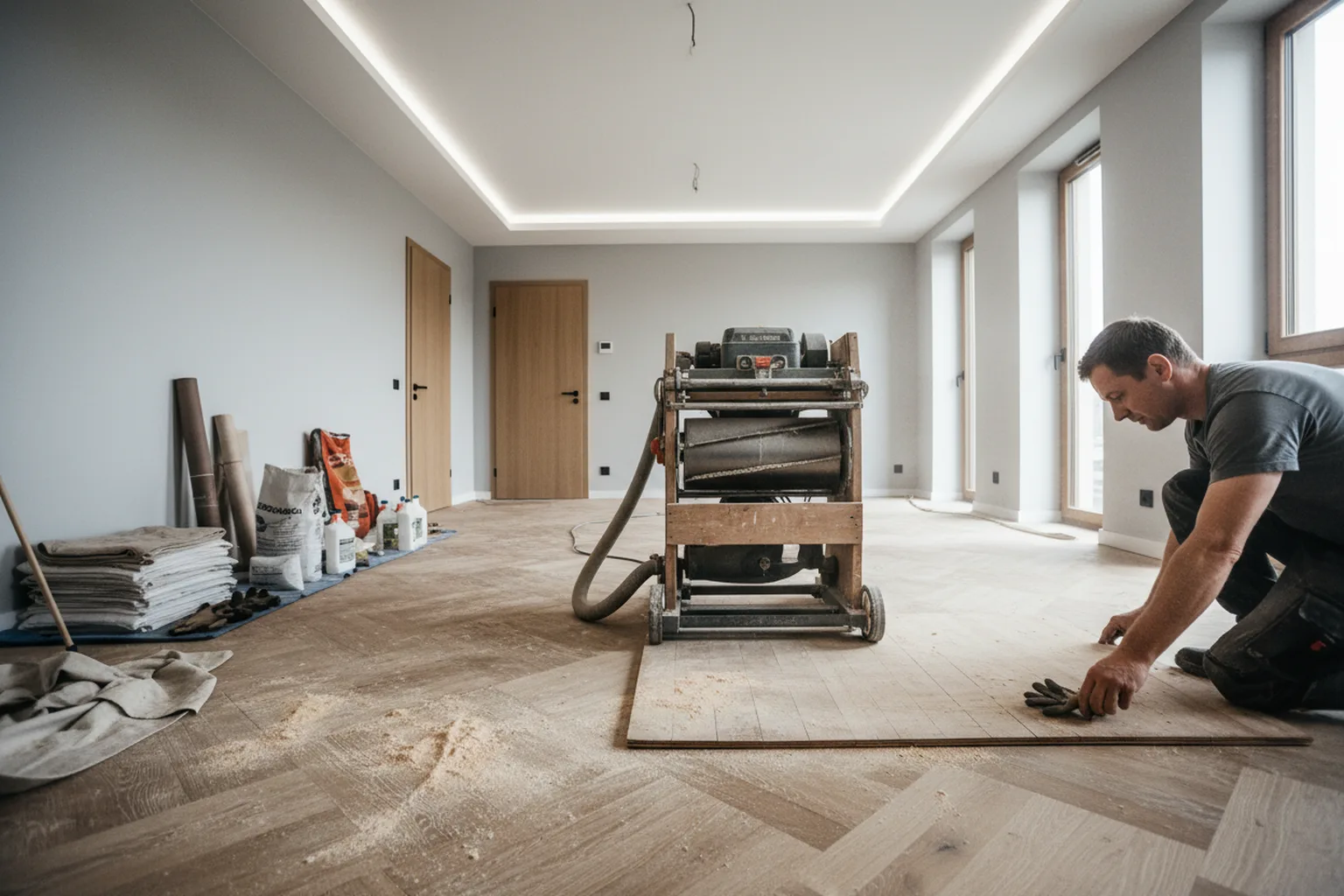
- Empty the room completely.
- Set any sticking-out nails flush with the surface (they will rip the abrasive).
- Make sure there is enough power supply (the sander pulls a lot of current).
- Let the neighbours know — it will be noisy (though modern machines do have dust extraction).
- Choose the finish: lacquer, oil, or wax.
Parquet sanding in practice: a Warsaw case
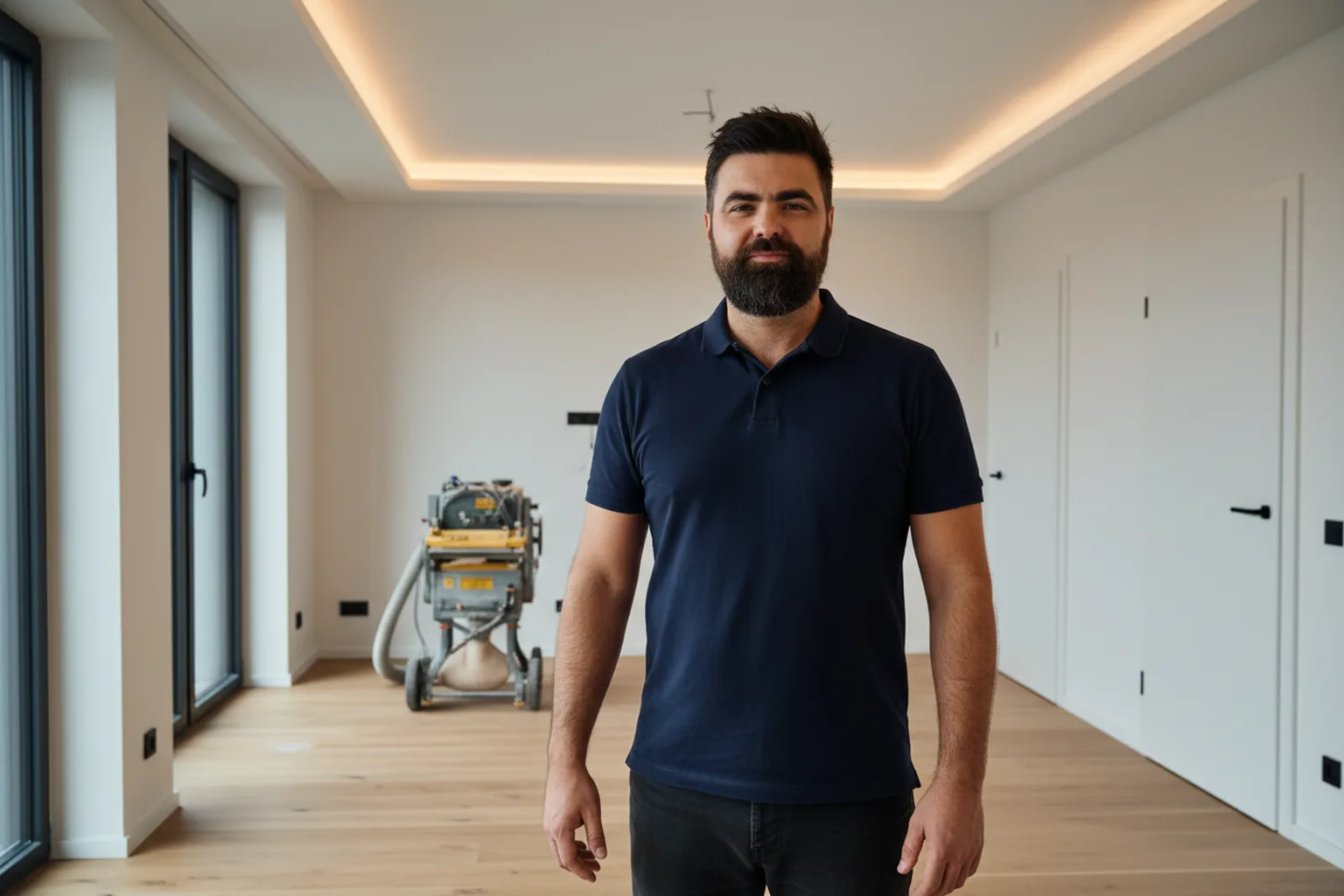
An older flat in Mokotów, 45 m² of 1960s oak herringbone parquet. The lacquer was worn right through to bare wood in the walkways, and several blocks had come loose. The technician glued the loose blocks back down, filled the gaps, and went through three grits. The next day: two coats of polyurethane lacquer. Result: the parquet looks new again, the herringbone pattern stands out more clearly, and the grain really shows. The owners saved a lot of money: replacing parquet like this would have cost five times more.
If boards have swollen or the subfloor is breaking up, sanding will not do and a new parquet installation is needed.
Frequently asked questions
How many times can parquet be sanded?
That depends on the thickness. Solid parquet at 15 mm — three to four times over its lifetime. Engineered board with a 4 mm wear layer: once or twice.
How long does it take?
Sanding 20–30 m²: one day. Lacquering — one more day. The floor can handle foot traffic 24–48 hours after the final coat.
Will there be a lot of dust?
Very little. Modern machines come with built-in dust extraction and filters. But sheeting over the doorways is still necessary.
Book a sanding job
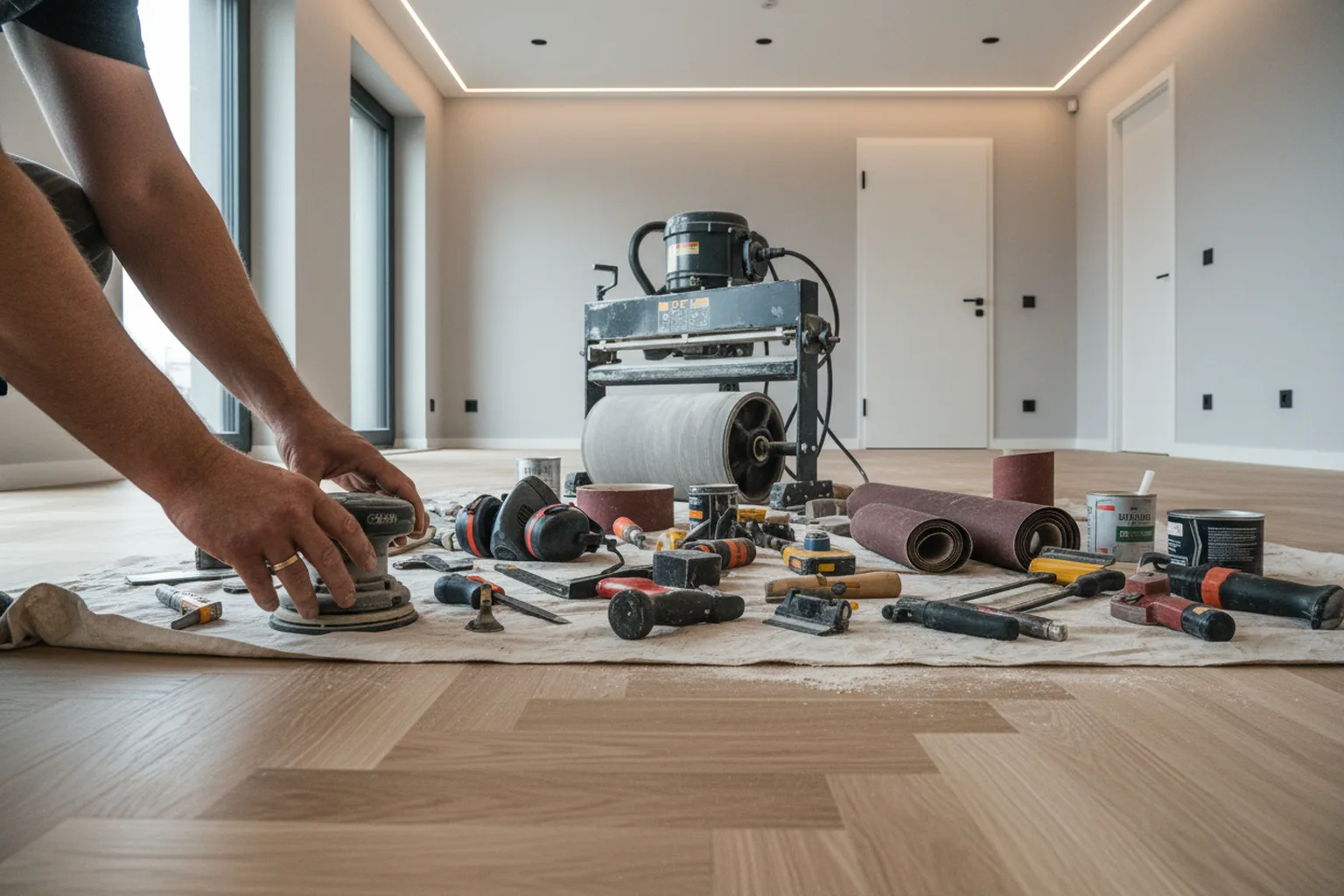
Tradespeople will give your parquet a second life.
Order in the app
Describe the job, add photos and the address. Tradespeople send their own prices and dates, and you pick one of the offers.
Open the app